
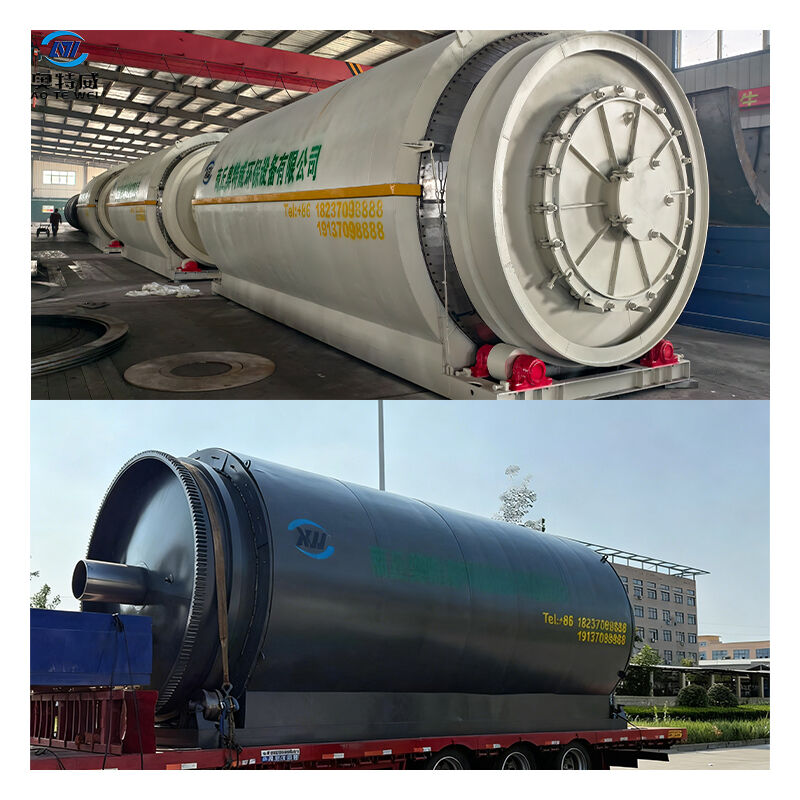
Industrial waste processing has entered a new era where throughput, consistency, and resource recovery are no longer optional benchmarks — they are operational imperatives. A continuous pyrolysis plant represents a fundamental shift away from the limitations of batch processing, offering manufacturers and recyclers a path to dramatically higher output with lower per-unit costs. Understanding exactly how this technology elevates production efficiency requires a close look at its mechanical design, thermal management principles, and workflow integration capabilities.
Unlike batch-mode reactors that require full shutdown cycles between processing runs, a continuous pyrolysis plant operates on an uninterrupted feed-and-discharge principle. This architectural difference is what allows operators to push significantly more material through the system every 24 hours while simultaneously reducing energy waste, labor demands, and thermal cycling stress on the equipment. The efficiency gains compound across multiple operational layers, and this article examines each of those layers in practical, decision-useful detail.
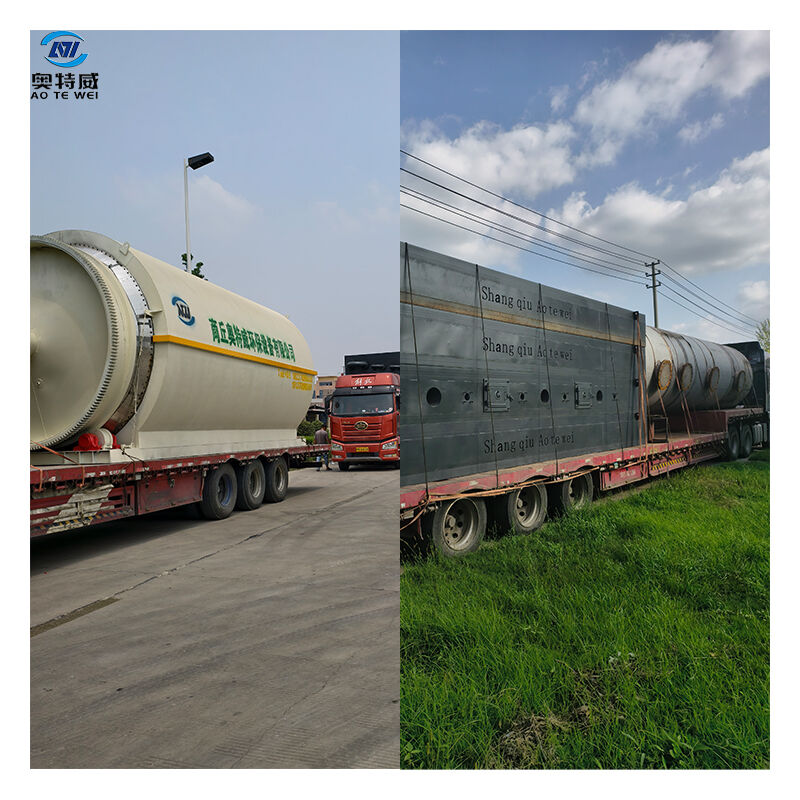
The Core Mechanism Behind Continuous Operation
Uninterrupted Feed and Discharge Design
The defining characteristic of a continuous pyrolysis plant is its ability to accept raw feedstock at one end while simultaneously expelling processed char and other residues at the other end — without ever shutting down the reactor chamber. This is achieved through sealed conveyor or screw-feed mechanisms that maintain pressure integrity inside the reactor while allowing material to flow through in a controlled, metered manner. The design eliminates the single largest source of downtime in conventional pyrolysis operations: the cooling, unloading, reloading, and reheating cycle.
In a batch system, each processing cycle demands that the reactor cool to a safe temperature before operators can open it and remove char. This can take several hours, during which no productive output is generated. A continuous pyrolysis plant removes this bottleneck entirely. Because the reactor never needs to be fully cooled and reopened between runs, the system can sustain thermal conditions and generate fuel oil output around the clock, translating directly into higher daily production volumes.
The sealed feed and discharge system also plays a critical role in safety and emission control. By preventing atmospheric air from entering the reactor chamber during material transitions, the system maintains the oxygen-free environment necessary for true pyrolytic decomposition rather than combustion. This precision directly improves the quality and consistency of the fuel oil produced.
Thermal Stability and Heat Recovery Integration
One of the most significant efficiency advantages of a continuous pyrolysis plant lies in its ability to maintain stable reactor temperatures across extended operating periods. Because the system does not cycle through heating and cooling phases, the reactor walls, internal components, and process gases reach thermal equilibrium and remain there. This stability reduces the energy input required to sustain pyrolysis conditions compared to reheating a cold or cooled reactor from scratch multiple times per day.
Modern continuous pyrolysis plant designs incorporate heat recovery systems that capture exhaust gases and non-condensable combustible gases generated during the process and redirect them back into the furnace as supplemental fuel. This closed-loop thermal economy means that once the plant reaches operating temperature, it often requires very little external fuel to maintain the reaction. The net result is a dramatic reduction in fuel costs per ton of processed feedstock, which directly improves the economics of every production hour.
Thermal stability also benefits product quality. When reactor temperatures fluctuate, as they inevitably do in batch operations, the properties of the resulting pyrolysis oil can vary batch to batch. A continuous pyrolysis plant produces oil with more consistent density, viscosity, and calorific value because the cracking conditions remain constant throughout the operating window.
How Output Volumes Scale with Continuous Processing
Daily Throughput Capacity Advantages
The most immediately measurable benefit of switching to a continuous pyrolysis plant is the raw increase in daily material throughput. While a single batch reactor of comparable size might process one or two loads per day depending on feedstock type and cooling requirements, a continuous pyrolysis plant of equivalent footprint can process material around the clock without interruption. Facilities that previously processed limited tonnage per day with batch units can multiply their output substantially by transitioning to continuous operation.
This throughput advantage scales proportionally with the automation level of the feeding system. When automated shredding, conveying, and metered feeding equipment is integrated upstream of the continuous pyrolysis plant, operators can maintain consistent feed rates without manual intervention, further improving utilization rates and reducing the labor cost per ton of output. High-volume waste tyre recycling operations, in particular, benefit enormously from this kind of integrated automation.
It is also worth noting that a continuous pyrolysis plant generates multiple output streams simultaneously: fuel oil, carbon black, steel wire (in the case of tyre feedstock), and combustible gas. Because these outputs are produced on a rolling basis rather than in discrete batches, downstream storage, processing, and logistics can be organized more efficiently. Consistent output flow makes scheduling and inventory management far more predictable for operators.
Reduced Downtime and Maintenance Efficiency
A continuous pyrolysis plant is engineered for long operating cycles between planned maintenance intervals. Because the reactor operates at stable temperatures without the thermal shock of repeated heating and cooling, wear on internal components tends to be more predictable and gradual compared to batch systems. This predictability allows maintenance teams to schedule inspections and part replacements during planned windows rather than responding to unexpected failures caused by thermal fatigue.
The reduction in unplanned downtime is one of the most economically significant efficiency contributions of a continuous pyrolysis plant. Every unplanned shutdown in a high-volume operation represents lost output, wasted energy spent reheating, and potential disruption to downstream processes that depend on a consistent supply of pyrolysis oil or carbon black. Designing for operational continuity from the ground up is a core engineering philosophy in well-built continuous pyrolysis plant systems.
Some continuous pyrolysis plant configurations also incorporate modular component designs that allow specific sections to be isolated and serviced while the rest of the system continues operating at reduced capacity. This approach to maintainability further shrinks the total amount of production time lost to routine servicing over the life of the equipment.
Labor Efficiency and Automation Integration
Reduced Manual Intervention Requirements
A continuous pyrolysis plant significantly reduces the number of manual touchpoints required to sustain production. In batch processing, operators must physically monitor and manage reactor status at the end of every cycle — cooling confirmation, chamber opening, residue removal, chamber inspection, reloading, and restarting the heating sequence. Each of these steps consumes labor hours that do not directly contribute to output. A continuous pyrolysis plant automates or eliminates most of these touchpoints by design.
Modern continuous pyrolysis plant systems are equipped with programmable logic controllers and real-time monitoring interfaces that allow a small number of operators to oversee the entire production process from a centralized control station. Temperature, pressure, feed rate, and output quality parameters are continuously tracked and automatically adjusted within preset operating ranges. This shift from reactive labor to supervisory oversight reduces headcount requirements while simultaneously improving process consistency.
The labor savings from operating a continuous pyrolysis plant versus multiple batch units to achieve the same output level are substantial. Fewer operators working longer shifts with better process visibility can sustain higher production volumes, which compresses the labor cost component in the overall cost-per-ton calculation. For operations in regions where labor costs are rising, this efficiency dimension alone can justify the investment in continuous technology.
Integration with Upstream and Downstream Systems
A continuous pyrolysis plant does not operate in isolation — its efficiency benefits multiply when it is properly integrated with upstream material preparation systems and downstream product handling infrastructure. On the input side, automated shredding lines, metal separation conveyors, and metered feeding systems ensure that the plant receives a steady, properly sized feedstock stream without operator assistance. This eliminates feed inconsistencies that can cause temperature fluctuations or mechanical stress in the reactor.
On the output side, continuous fuel oil condensation and collection systems, carbon black conveying and storage solutions, and steel wire baling equipment can all be synchronized with the operating rhythm of the continuous pyrolysis plant to create a seamless production pipeline. When every stage of the process flows at matched rates, the overall system operates at maximum efficiency with minimal intermediate buffering or manual handling between stages.
This systems-level integration perspective is what separates high-performing continuous pyrolysis plant installations from underperforming ones. The reactor technology itself is only as efficient as the infrastructure surrounding it. Operators who invest in proper integration engineering from the beginning consistently achieve better utilization rates and faster returns on their capital investment.
Environmental and Regulatory Efficiency Dimensions
Emission Control and Compliance Consistency
A continuous pyrolysis plant offers meaningful advantages in terms of emission control consistency compared to batch alternatives. Because the system maintains a sealed, oxygen-free processing environment at all times, the opportunities for uncontrolled off-gas releases that sometimes occur during batch reactor opening and loading are eliminated. This structural advantage makes it substantially easier to design and operate a continuous pyrolysis plant within the emission thresholds required by environmental regulators.
Tail gas treatment systems installed on a continuous pyrolysis plant can be sized and optimized for a constant and predictable flow of exhaust gases, which simplifies engineering and improves treatment effectiveness. In contrast, batch systems produce fluctuating gas volumes at different stages of the cycle, making it harder to design treatment systems that perform reliably under all conditions. The consistency of a continuous pyrolysis plant translates directly into more reliable environmental compliance, reducing the regulatory risk that can interrupt or shut down production operations.
As environmental standards tighten in major markets, the ability to demonstrate sustained compliance without constant operational adjustments becomes a significant competitive and operational advantage. A well-designed continuous pyrolysis plant supports this kind of compliance confidence in a way that older or less sophisticated equipment cannot easily match.
Resource Recovery Rates and Yield Optimization
From a resource recovery standpoint, a continuous pyrolysis plant tends to achieve higher and more consistent oil yields from a given input tonnage compared to batch processing. The stable thermal environment means that cracking reactions proceed to completion more reliably, with less variability in how much of the feedstock is converted to recoverable fuel oil versus non-condensable gas or char. Operators can fine-tune feed rates and temperature profiles to optimize yields for specific feedstock compositions without the disruption of cycle restarts.
Carbon black recovery is also improved in continuous operation. Because char discharge happens continuously rather than in periodic removal events, the carbon black product is less likely to be contaminated by re-combustion or excessive temperature exposure that can degrade its quality and market value. Higher-quality carbon black commands better prices and opens access to more demanding end-use applications, improving the overall revenue profile of the operation.
The combination of higher oil yields, better carbon black quality, and more complete gas utilization means that a continuous pyrolysis plant extracts more value from every ton of input feedstock. This yield optimization effect compounds the throughput advantage to produce a total efficiency improvement that is meaningfully greater than either factor alone.
FAQ
What types of feedstock are best suited for a continuous pyrolysis plant?
A continuous pyrolysis plant is most commonly designed to process waste tyres, waste plastics, and rubber materials. Waste tyres are among the most widely processed feedstocks because they yield substantial quantities of fuel oil, carbon black, and recoverable steel wire. Waste plastics, particularly polyethylene and polypropylene, are also well-suited to continuous processing. The key requirement is that feedstock is pre-shredded to a consistent particle size that can be metered reliably through the sealed feed system without causing bridging or blockages in the conveying mechanisms.
How does a continuous pyrolysis plant compare to a batch pyrolysis plant in terms of daily output?
A continuous pyrolysis plant can typically process significantly more material per day than a batch unit of comparable reactor size, primarily because it eliminates the cooling, unloading, and reheating time that consumes a large portion of each batch cycle. Depending on feedstock type and batch cycle duration, a continuous pyrolysis plant may achieve two to three times the daily throughput of a comparably sized batch system. The exact advantage depends on operating hours, feed rate capacity, and how efficiently the upstream and downstream systems are integrated with the reactor.
Is significant capital investment required to integrate a continuous pyrolysis plant into an existing facility?
Integration costs vary depending on the existing infrastructure at the facility. If upstream shredding, feeding, and downstream product handling systems are already in place and compatible, integration costs can be relatively moderate. If the facility is being built from the ground up or if significant modifications to material flow, utility connections, and emission control systems are required, the capital investment will be higher. However, the operational efficiency gains of a continuous pyrolysis plant — in terms of throughput, labor, energy, and maintenance — typically deliver a favorable return on that investment over the equipment's operating life.
What maintenance practices are most important for sustaining efficiency in a continuous pyrolysis plant?
Sustaining peak efficiency in a continuous pyrolysis plant requires consistent attention to several key areas: regular inspection and servicing of the sealed feed and discharge mechanisms to prevent wear-related leaks, monitoring of internal reactor surfaces for carbon deposit buildup that can impair heat transfer, and routine calibration of temperature sensors and control systems to ensure process parameters remain accurate. Tail gas treatment components and condensation systems also require periodic cleaning and inspection. Following a proactive maintenance schedule based on the manufacturer's recommendations is the most reliable way to preserve throughput capacity and product quality over time.
Table of Contents
- The Core Mechanism Behind Continuous Operation
- How Output Volumes Scale with Continuous Processing
- Labor Efficiency and Automation Integration
- Environmental and Regulatory Efficiency Dimensions
-
FAQ
- What types of feedstock are best suited for a continuous pyrolysis plant?
- How does a continuous pyrolysis plant compare to a batch pyrolysis plant in terms of daily output?
- Is significant capital investment required to integrate a continuous pyrolysis plant into an existing facility?
- What maintenance practices are most important for sustaining efficiency in a continuous pyrolysis plant?