
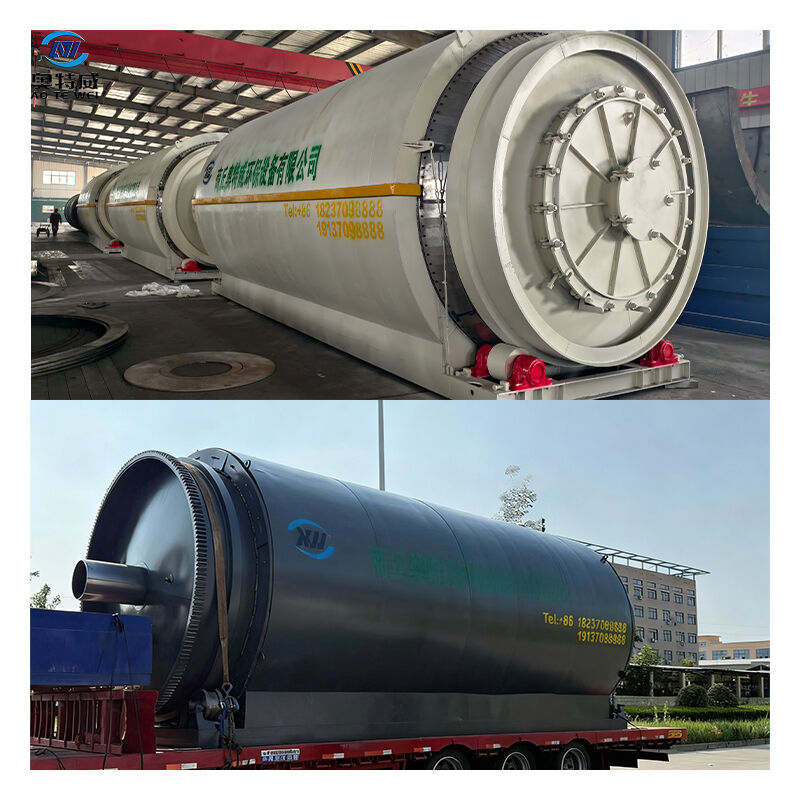
Industrial recycling has entered a new era, one where the volume of waste generated by modern manufacturing, logistics, and consumer activity demands far more sophisticated solutions than conventional sorting or landfilling can offer. A pyrolysis machine sits at the heart of this transformation, converting materials that were once considered end-of-life waste into recoverable fuels, carbon black, and steel wire. Understanding how this technology supports sustainable industrial recycling requires looking closely at both its operational mechanics and its broader role in circular economy strategies.
The relevance of the pyrolysis machine extends far beyond waste volume reduction. It creates tangible economic value from materials like waste tyres, mixed plastics, and industrial polymer offcuts that would otherwise require costly disposal methods. As regulatory pressure on landfill use intensifies and the global demand for recycled fuels grows, operators across manufacturing, waste management, and energy sectors are turning to pyrolysis technology as a commercially viable and environmentally responsible processing route.
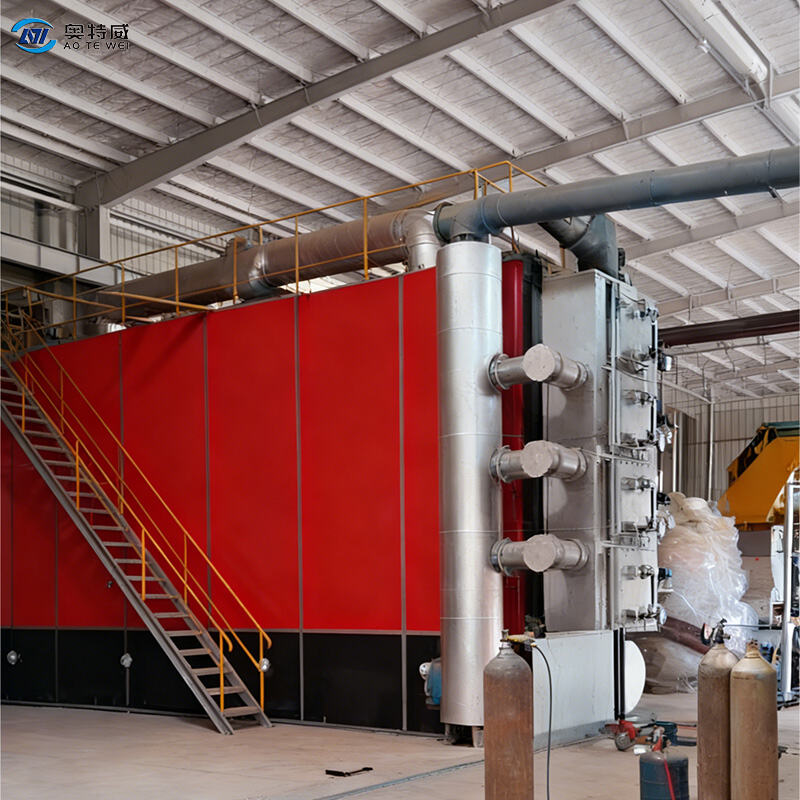
The Core Mechanism Behind a Pyrolysis Machine
Thermochemical Decomposition in Practice
At its most fundamental level, a pyrolysis machine works by applying controlled heat to organic waste materials in the absence of oxygen. This thermochemical process breaks down long-chain polymers and rubber compounds into shorter molecular chains, releasing combustible gases, liquid oil fractions, and solid residues. The absence of oxygen is critical because it prevents combustion, enabling decomposition without releasing the harmful emissions associated with open burning.
The reactor chamber of a pyrolysis machine is designed to maintain precise temperature ranges, typically between 300 and 550 degrees Celsius depending on the feedstock. Waste tyres, for example, require different temperature profiles compared to high-density polyethylene or mixed plastic films. Modern fully automatic pyrolysis systems incorporate programmable logic controllers that manage heating curves, pressure regulation, and cooling cycles with minimal manual intervention.
The outputs of a pyrolysis machine are not merely waste byproducts. Pyrolysis oil, also known as fuel oil, can be used directly in industrial burners, generators, and marine engines or further refined into diesel-equivalent products. Carbon black recovered from tyre pyrolysis can be sold to rubber compounding and pigment industries. Steel wire extracted from tyre processing retains its scrap value in metal recycling markets.
Continuous vs. Batch Processing Configurations
The design of a pyrolysis machine significantly influences its suitability for industrial-scale recycling. Batch-type systems process a fixed quantity of material per cycle, making them appropriate for smaller operations or facilities with irregular waste supply. Continuous-feed pyrolysis systems, by contrast, allow for uninterrupted material loading and product discharge, achieving higher throughput efficiencies and lower per-unit energy consumption.
A continuous pyrolysis machine is particularly relevant for large recycling facilities handling 15 to 50 tonnes of waste material per day. The sealed feeding mechanism and automated slag discharge reduce exposure risks for operators, while the consistent processing temperature maintains stable output quality across shifts. This design configuration aligns directly with the needs of industrial recycling operations that must meet contractual output volumes and quality standards.
Energy integration is another feature that differentiates high-performance pyrolysis machines from basic models. Non-condensable combustible gas generated during pyrolysis is routed back into the heating system, reducing external fuel consumption and lowering the overall carbon footprint of the process. This self-sustaining energy loop is a key contributor to the sustainability case for pyrolysis technology.
Waste Streams Best Suited for Pyrolysis Processing
Waste Tyre Processing at Industrial Scale
Waste tyres represent one of the most challenging and voluminous solid waste categories globally. They are non-biodegradable, difficult to compress, and banned from landfill in many jurisdictions. A pyrolysis machine offers a technically sound and commercially attractive processing route for tyre waste, recovering approximately 40 to 45 percent oil yield, 30 percent carbon black, and 15 percent steel wire by weight depending on tyre composition.
Industrial tyre recycling using a pyrolysis machine can be structured around a continuous feed system capable of handling whole tyres, bead wire-included, or pre-shredded rubber chips. Facilities that process passenger car tyres, truck tyres, and off-road tyres will encounter varying rubber-to-steel ratios, and the pyrolysis machine must be designed with corresponding slag discharge and steel separation systems to maintain throughput.
The carbon black recovered from tyre pyrolysis has a growing market in industrial applications, though its surface characteristics differ from virgin carbon black. Some end-use applications accept this recovered carbon black directly, while others require post-processing to improve its reinforcing properties. Either way, the pyrolysis machine transforms a disposal liability into a market-tradeable commodity, which is central to its sustainability value.
Plastic Waste Conversion and Material Recovery
Plastic waste that cannot be mechanically recycled due to contamination, mixed polymer composition, or degraded physical properties is a prime candidate for pyrolysis processing. A pyrolysis machine can handle polyethylene, polypropylene, polystyrene, and ABS waste, converting these materials into oil fractions that substitute for fossil-derived fuels in industrial settings.
The oil yield from plastic pyrolysis is notably higher than from tyre processing, often reaching 70 to 80 percent by weight for clean polyolefin feedstocks. This makes a pyrolysis machine processing plastic waste an attractive option for facilities looking to maximize liquid fuel recovery. However, feedstock quality management is essential because PVC and chlorinated polymers can generate harmful acidic gases if present in significant proportions.
Industrial recyclers that operate a pyrolysis machine for plastic waste often integrate pre-sorting and washing stages upstream. This improves output quality, protects reactor components from accelerated wear, and ensures compliance with emission standards. The end-to-end approach — from waste intake through pyrolysis processing to fuel sales — represents a complete and commercially structured recycling business model.
Environmental and Compliance Dimensions of Pyrolysis Technology
Emission Control Systems and Regulatory Alignment
A professionally engineered pyrolysis machine incorporates multi-stage gas cleaning and emission control systems. Flue gases from the combustion of non-condensable pyrolysis gas pass through desulfurization towers, dust removal units, and activated carbon filters before atmospheric release. This engineering reflects the regulatory requirements that industrial operators must meet, particularly in markets with strict air quality standards.
CE certification, which is referenced in industrial-grade pyrolysis machines for the European and international market, indicates conformance with applicable health, safety, and environmental directives. This certification matters to procurement teams and environmental compliance officers because it provides a documented basis for installation approvals, insurance coverage, and operational permits.
The pyrolysis machine's closed system design also prevents liquid waste from contaminating soil or groundwater. Condensed pyrolysis oil is collected in sealed storage tanks, carbon black is discharged through enclosed conveyors, and wastewater from the cooling circuit is treated and recycled within the facility. This containment approach supports both compliance requirements and corporate sustainability reporting.
Carbon Footprint Reduction and Circular Economy Contribution
When evaluated across its operational lifecycle, a pyrolysis machine contributes measurably to carbon footprint reduction compared to landfill disposal or incineration of the same waste streams. Landfilling organic waste generates methane emissions over time. Incineration without energy recovery destroys material value entirely. A pyrolysis machine, by contrast, recovers usable energy and materials while avoiding the most damaging disposal outcomes.
The circular economy framework — which prioritizes keeping materials in productive use for as long as possible — finds practical expression in pyrolysis processing. Oil recovered from a pyrolysis machine re-enters the energy economy as an industrial fuel. Carbon black re-enters manufacturing. Steel wire re-enters metal processing. The waste material is not discarded; it is redirected, which is precisely the logic that circular economy models require.
Industrial facilities that incorporate a pyrolysis machine into their operations can document these material flows for environmental, social, and governance reporting purposes. Quantifying the tonnes of tyre and plastic waste diverted from landfill, the volume of pyrolysis oil sold, and the carbon black recovered provides the data infrastructure needed for sustainability certifications and ESG disclosures that increasingly influence procurement and investment decisions.
Operational Considerations for Industrial Deployment
Site Requirements and System Integration
Deploying a pyrolysis machine at industrial scale requires careful site planning. The reactor itself is a large-footprint piece of equipment, and the surrounding ancillary systems — feed conveyors, condensers, oil storage tanks, carbon black handling equipment, and gas management infrastructure — together occupy significant plant space. Industrial operators typically commission detailed site layout planning before equipment procurement to ensure efficient material flow and safe operator access.
Utilities required for a pyrolysis machine include a reliable power supply for control systems and motor-driven components, a water supply for the cooling circuit, and connections to on-site fuel infrastructure if the pyrolysis oil is consumed internally. Sites with existing industrial infrastructure, such as former manufacturing plants or waste processing facilities, often offer favorable conditions for pyrolysis integration.
The foundation and structural support for a large pyrolysis machine must be engineered to accommodate static and dynamic loads during operation. Reactor rotation in rotary kiln designs, vibration from conveyors, and thermal expansion of reactor components all place demands on civil infrastructure. Engaging qualified engineers during the installation planning phase reduces commissioning risk and shortens the time to stable operation.
Operator Training and Maintenance Planning
The performance of a pyrolysis machine over its operational life depends significantly on disciplined maintenance protocols. Reactor seals, heating elements or combustion burners, condenser tubes, and rotating components are subject to wear and require scheduled inspection and replacement. Operators who are well-trained in both process monitoring and equipment maintenance will achieve more consistent output quality and longer equipment service intervals.
Fully automatic pyrolysis systems reduce the manual labor content of operation but do not eliminate the need for skilled oversight. Operators must understand how to interpret process data from the control system, identify early signs of equipment degradation, and respond correctly to system alarms. This operational intelligence is built through formal training provided by the equipment supplier and reinforced through day-to-day operating experience.
Spare parts availability is a practical concern for any industrial pyrolysis machine installation. Procurement teams should ensure that critical wear components are either stocked on-site or available within acceptable lead times from the supplier. A well-maintained pyrolysis machine that operates reliably is the foundation of a sustainable, profitable recycling operation.
FAQ
What types of waste can a pyrolysis machine process?
A pyrolysis machine is primarily designed to process waste tyres, mixed plastics, and rubber materials that cannot be effectively handled through conventional mechanical recycling. Some systems are also capable of processing waste oil sludge or biomass, though the reactor design and temperature parameters differ for these feedstocks. Industrial operators should confirm feedstock compatibility with the equipment supplier before finalizing system specifications.
How does a pyrolysis machine contribute to a circular economy strategy?
A pyrolysis machine contributes to circular economy goals by recovering usable outputs — fuel oil, carbon black, and steel wire — from materials that would otherwise be disposed of as waste. These recovered products re-enter industrial supply chains, replacing virgin or fossil-derived materials in part. This diversion of waste from landfill, combined with the recovery of market-tradeable commodities, is the operational basis of the circular economy value that pyrolysis processing provides.
What certifications should a pyrolysis machine have for industrial use?
For facilities operating in or exporting to regulated markets, CE certification is an important baseline indicator of compliance with applicable safety and environmental directives. Beyond CE marking, operators may require compliance with local environmental permit conditions, which often specify emission limits, containment requirements, and operational monitoring standards. Buyers should request documentation of the machine's compliance status and test data before procurement.
Is a continuous pyrolysis machine more suitable than a batch system for large-scale recycling?
For operations processing 15 tonnes or more of waste material per day on a sustained basis, a continuous pyrolysis machine generally offers more favorable economics than batch processing. Continuous systems maintain stable reactor temperatures, minimize heating and cooling cycle losses, and support higher annual throughput with lower per-tonne energy consumption. Batch systems remain appropriate for lower-volume or intermittent processing applications where capital cost minimization takes priority over throughput efficiency.