
Across industries worldwide, the pressure to adopt sustainable waste management strategies has never been greater. Municipal authorities, manufacturing sectors, and recycling enterprises are all searching for technologies that can convert difficult-to-process waste into something useful rather than simply transferring the problem to a landfill. A pyrolysis plant has emerged as one of the most technically compelling and commercially viable answers to this challenge, offering a pathway that genuinely closes the loop on organic and polymeric waste streams.
Understanding exactly how a pyrolysis plant fits into a broader sustainability framework requires looking beyond the chemistry of thermal decomposition and examining the operational, economic, and environmental dimensions that make this technology a strategic asset. From diverting waste tyres and plastics away from landfills to generating fuel oil and carbon black that re-enter productive supply chains, the contribution of a pyrolysis plant is layered and far-reaching. This article explores each of those layers in practical, decision-useful detail for businesses and policymakers evaluating their waste management options.
The Mechanism Behind Pyrolysis and Its Sustainability Logic
Thermal Decomposition Without Combustion
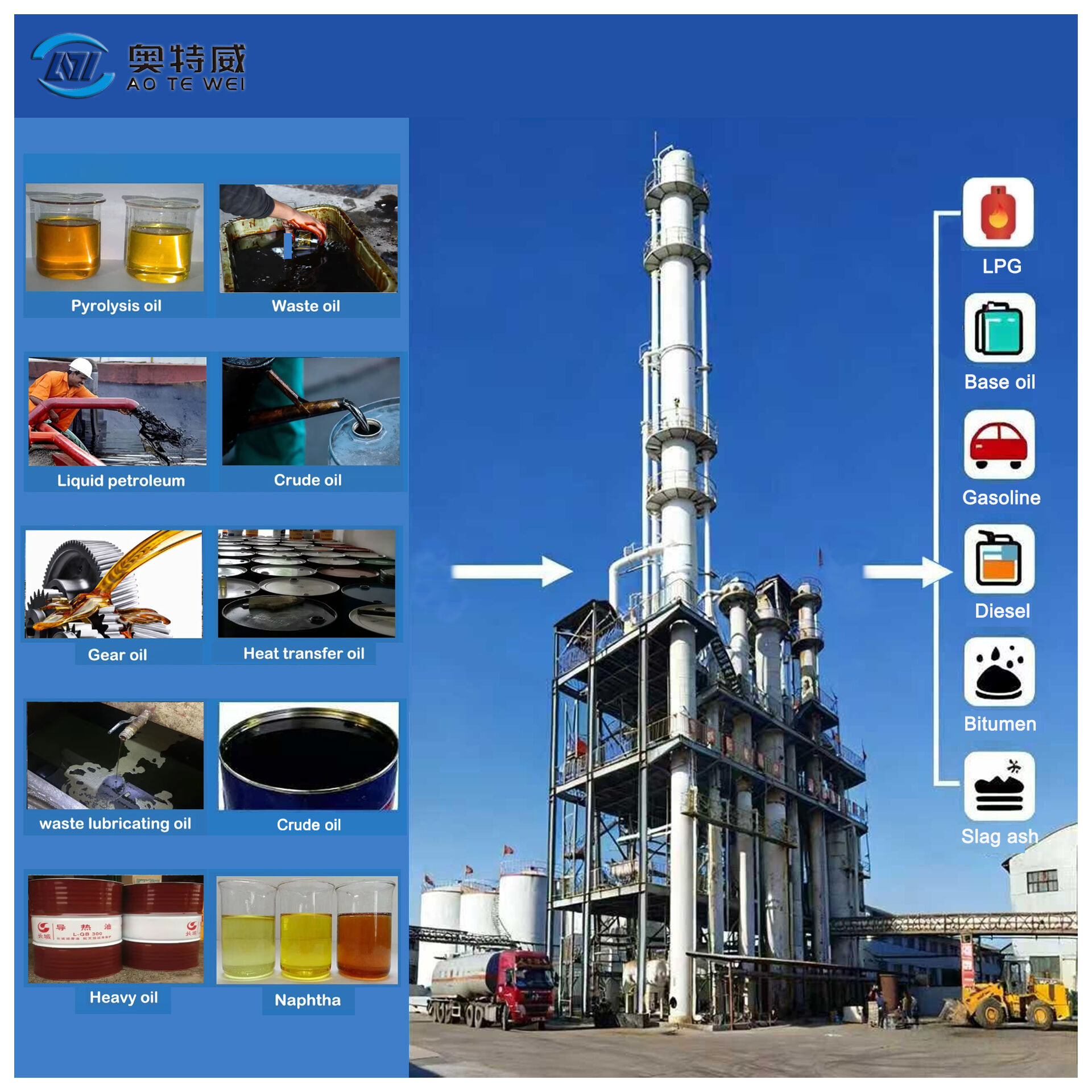
A pyrolysis plant operates by heating organic or polymeric materials in an oxygen-deprived environment, typically at temperatures ranging from 300°C to 700°C depending on feedstock type and desired outputs. Because combustion cannot occur without oxygen, the material does not burn. Instead, it thermally decomposes into three distinct output streams: pyrolysis oil, combustible gas, and a solid residue known as carbon black or char. Each of these outputs has market value, which is central to the sustainability argument.
This mechanism is fundamentally different from incineration, which destroys materials and generates heat at the cost of releasing pollutants and losing the embedded value of the feedstock. A pyrolysis plant preserves material value by converting it rather than consuming it. That distinction matters enormously in a circular economy framework, where the goal is to retain resources within productive cycles rather than permanently disposing of them.
The sustainability logic is therefore built into the process itself. Waste that would otherwise contribute to landfill volume, soil contamination, or uncontrolled burning is instead directed into a controlled thermal process that yields usable energy and recoverable materials. The pyrolysis plant acts as the technical bridge between the end-of-life stage of a material and the beginning of a new productive cycle.
Feedstock Flexibility and Waste Stream Compatibility
One of the most significant sustainability advantages of a pyrolysis plant is its ability to process a wide variety of feedstocks that other technologies cannot handle cleanly. Waste tyres, mixed plastics, rubber, oil sludge, and certain biomass types are all suitable inputs. Waste tyres in particular represent a serious global environmental challenge, with hundreds of millions of units discarded each year. A pyrolysis plant designed specifically for tyre processing can convert this problematic waste into fuel oil, steel wire, and carbon black with a high degree of efficiency.
This feedstock flexibility means that a single pyrolysis plant can be integrated into multiple waste management scenarios. Urban waste management programs dealing with post-consumer plastics, industrial facilities generating rubber offcuts, or tyre recycling operations all find practical utility in the technology. The ability to adapt the plant's operating parameters to different materials makes it a versatile tool within any comprehensive sustainable waste management strategy rather than a narrowly applicable niche solution.
From a planning perspective, feedstock flexibility also reduces the financial risk associated with changes in waste stream composition over time. A pyrolysis plant that can shift between tyre processing and plastic processing as market conditions evolve is a more resilient long-term investment than single-feedstock alternatives.
Reducing Environmental Burden Through Resource Recovery
Diverting Waste from Landfills and Uncontrolled Disposal
Landfill diversion is one of the most immediate and measurable contributions a pyrolysis plant makes to sustainable waste management. Waste tyres are particularly problematic in landfill environments because they do not compress, create spaces that trap methane, and can harbor mosquito populations that spread disease. Many jurisdictions have moved to ban tyre landfilling altogether, creating an urgent need for alternative processing infrastructure. A pyrolysis plant provides a scalable, commercially viable solution to exactly this need.
Beyond tyres, the millions of tonnes of plastic waste that currently end up in landfills or informal disposal sites represent a massive lost resource. When a pyrolysis plant processes these materials, it recovers fuel oil with calorific values comparable to conventional diesel or furnace oil, meaning that the energy content embedded in the original plastic is not wasted but redirected into economic use. This recovery fundamentally changes the environmental accounting of plastic waste.
The avoidance of uncontrolled burning is another critical dimension. In many developing and transitional economies, waste tyres and plastics are burned in open fires or rudimentary kilns, releasing toxic compounds including dioxins, furans, and polycyclic aromatic hydrocarbons. A pyrolysis plant operating under proper process controls eliminates this practice by offering an economically superior alternative that generates revenue rather than simply disposing of waste.
Carbon Black and Steel Recovery as Secondary Sustainability Benefits
The solid residue produced by a pyrolysis plant processing waste tyres contains recovered carbon black and, in the case of steel-reinforced tyres, recoverable steel wire. Recovered carbon black can be used as a reinforcing filler in rubber and plastic products, as a pigment in paints and coatings, or as a fuel in industrial furnaces. Steel wire recovered from tyre pyrolysis is clean and suitable for scrap metal recycling. Neither of these outputs is a byproduct to be discarded; both are genuine secondary raw materials that displace the need for virgin resource extraction.
This multi-output characteristic of a pyrolysis plant is what elevates it above simpler waste processing technologies. Rather than producing one useful product and one waste stream, a well-operated pyrolysis plant produces several useful streams simultaneously, each with its own market and its own displacement effect on primary production. The cumulative environmental benefit is therefore significantly greater than the volume of waste processed might suggest at first glance.
In terms of sustainable waste management strategy, this means that a pyrolysis plant contributes at multiple points in the material value chain, not just at the waste processing stage. It reduces virgin resource demand, it reduces waste disposal costs, and it generates revenue streams that make sustainable practice economically self-sustaining rather than dependent on subsidy.
Integration Into Circular Economy Frameworks
Closing the Loop on End-of-Life Materials
The circular economy concept requires that materials be kept in use for as long as possible and that, at the end of their useful life, they be returned to productive cycles rather than disposed of linearly. A pyrolysis plant is one of the few technologies that can genuinely close the loop on materials like waste tyres and mixed plastics that are difficult or impossible to mechanically recycle. Chemical recycling through pyrolysis recovers the energy content and partial material content of these waste streams in a way that mechanical recycling cannot.
When a pyrolysis plant converts waste tyres into fuel oil, that oil can be used to power industrial boilers, cement kilns, shipping vessels, or even fed back into the pyrolysis process itself to reduce external energy requirements. This self-reinforcing loop, where waste-derived fuel powers the processing of more waste, is a practical demonstration of circular economy principles in operation. It reduces the net energy input required per tonne of waste processed and strengthens the overall sustainability performance of the operation.
Strategic planners developing circular economy roadmaps increasingly recognize that a pyrolysis plant represents a critical infrastructure node. Without chemical recycling capacity, certain waste streams simply cannot be kept in circulation, and the circular economy model breaks down at the material types that are hardest to manage. Investing in a pyrolysis plant addresses that specific gap with proven, deployable technology.
Economic Viability as a Prerequisite for Sustainable Scale
Sustainability strategies that rely on perpetual subsidy are fragile. The most durable sustainable waste management solutions are those that generate enough economic return to fund their own operation and expansion. A pyrolysis plant, when properly configured and operated, typically achieves positive returns through the sale of pyrolysis oil, carbon black, and recovered steel. This commercial viability is not a peripheral consideration; it is central to the question of whether the sustainability contribution can be sustained and scaled over time.
Continuous-operation pyrolysis plant designs, which allow for uninterrupted feedstock processing rather than batch-by-batch cycles, significantly improve throughput efficiency and reduce per-unit processing costs. Higher throughput means more waste diverted, more resources recovered, and better economics per tonne. For businesses evaluating the return profile of a pyrolysis plant investment, continuous operation models represent the current standard of practice for serious commercial deployment.
The combination of commercial viability and environmental benefit is what makes a pyrolysis plant a compelling choice for enterprises that must satisfy both financial stakeholders and regulatory sustainability requirements. It is not a compromise between profit and responsibility but rather a technology that achieves both simultaneously when scaled and managed correctly.
Regulatory Alignment and Strategic Positioning
Meeting Extended Producer Responsibility Requirements
Extended producer responsibility frameworks, which hold manufacturers and importers responsible for the end-of-life management of their products, are expanding globally. Tyre manufacturers, plastic product producers, and packaging companies increasingly face mandatory recycling and recovery targets that cannot be met through mechanical recycling alone. A pyrolysis plant offers a compliant and auditable route to meeting those targets for the specific waste streams that resist conventional recycling.
For compliance purposes, the key advantage of a pyrolysis plant is that it provides documented, measurable recovery outcomes. The volumes of oil, carbon black, and steel produced per tonne of waste input can be precisely tracked, providing the data trail required by regulatory reporting systems. This auditability makes the pyrolysis plant not just a processing technology but a compliance infrastructure asset for organizations operating under extended producer responsibility obligations.
As regulatory requirements tighten in major markets, the strategic value of owning or having contracted access to a pyrolysis plant will increase. Organizations that establish this capacity early will have a competitive advantage in meeting future compliance requirements without scrambling for capacity in a market where demand for processing services may outpace supply.
Supporting Corporate Sustainability Reporting Metrics
Environmental, social, and governance reporting frameworks now require companies to demonstrate concrete progress on waste reduction, resource recovery, and carbon footprint reduction. A pyrolysis plant contributes measurable data points to all three categories. The volume of waste diverted from landfill, the volume of recovered material re-entering productive use, and the reduction in virgin resource consumption attributable to recovered outputs can all be calculated and reported with reasonable precision.
For companies that manage large fleets of vehicles or use significant volumes of rubber and plastic in their operations, partnering with or investing in a pyrolysis plant creates direct, reportable sustainability outcomes that strengthen their environmental credentials with investors, customers, and regulators. In an era where sustainability disclosures face increasing scrutiny and verification requirements, having verifiable rather than aspirational sustainability data is a significant asset.
A pyrolysis plant thus functions as a sustainability performance engine, generating not only processed outputs but also the kind of quantifiable environmental impact data that modern corporate accountability frameworks demand. Its contribution to sustainable waste management is therefore both operational and strategic in nature.
FAQ
What types of waste can a pyrolysis plant process?
A pyrolysis plant is most commonly used to process waste tyres, mixed plastics, rubber, and oil sludge. Some configurations can also handle certain types of biomass and medical waste. The specific feedstock determines the operating temperature, residence time, and expected output profile, so plant design is typically matched to the primary waste stream available at a given location.
Is a pyrolysis plant considered an environmentally approved technology?
In many jurisdictions, a pyrolysis plant is classified as a waste recovery or chemical recycling facility rather than an incineration plant, which gives it a more favorable regulatory status. Environmental approval depends on local regulations, emission control systems, and operational practices. Modern pyrolysis plant designs incorporate gas treatment systems and emission monitoring to comply with air quality standards in regulated markets.
How does a pyrolysis plant differ from a waste incinerator in sustainability terms?
An incinerator destroys waste materials and recovers only heat energy, while a pyrolysis plant converts waste into multiple recoverable outputs including fuel oil, carbon black, and steel, each of which can re-enter the economy as a secondary raw material. This material recovery dimension makes a pyrolysis plant significantly more aligned with circular economy and sustainability principles than incineration, which is considered a lower-order waste management option in most policy frameworks.
What scale of operation is viable for a pyrolysis plant investment?
Pyrolysis plant capacities range from small batch units processing a few tonnes per day to large continuous-operation systems processing hundreds of tonnes per day. The appropriate scale depends on feedstock availability, capital budget, and market access for outputs. Continuous-operation plants generally offer better economics at higher throughput levels, while smaller batch plants can be viable in markets where feedstock supply is limited or variable. A thorough feasibility study matching plant capacity to local waste stream volume is essential before any investment decision.