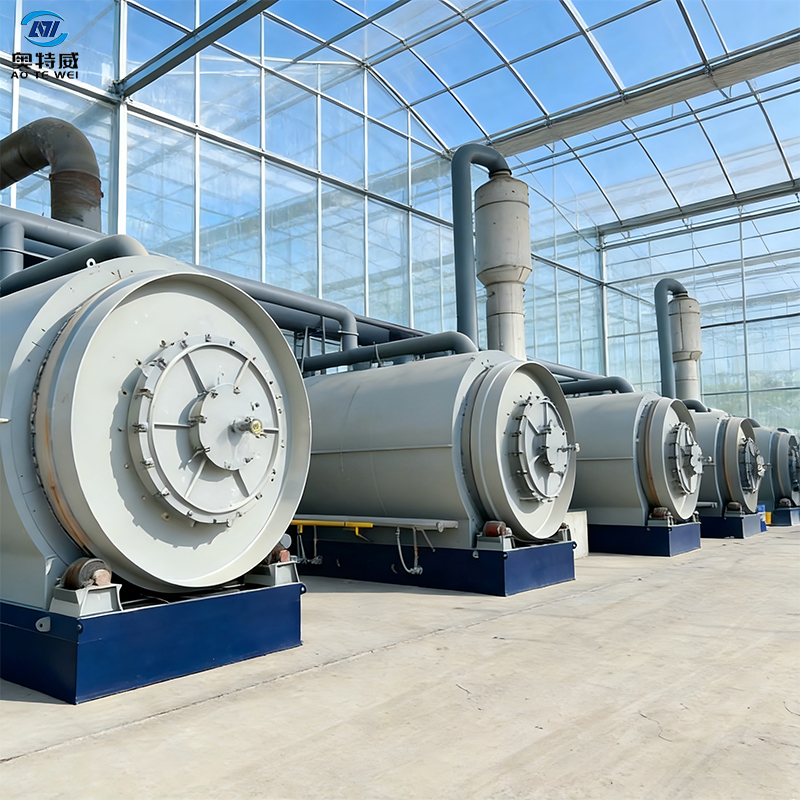
Gemengde plastiekafvalstrome stel ’n beduidende uitdaging vir afvalbestuurbedrywe wêreldwyd. Tradisionele herwinningsmetodes sukkel om besmette, multi-polimeer- of ontwrigte plastieke te hanteer wat nie meganies na nuutwaardige materiaal herverwerk kan word nie. Plastiekpirolise tree op as ’n transformatiewe oplossing wat hierdie moeilik-herwinbare plastiekafval na waardevolle koolwaterstofprodukte, brandstofolie en chemiese grondstowwe omskakel. Hierdie gevorderde termiese omskakelingstegnologie ontsluit ekonomiese waarde wat andersins in stortings of verbrandingsinstallasies vasgevang sou bly.
Plastiekpirolise verteenwoordig 'n paradigmaskif in sirkulêre ekonomiepraktyke deur polimeerkettings te breek in kleiner waterstofkoolstowwe deur beheerde verhitting in 'n suurstofvrye omgewing. Die proses herwin verskeie produkstrominge, insluitend pirolise-olie, gas en koolstof, elk met afsonderlike kommersiële toepassings in die petrochemiese, energie- en industriële sektore. Om te verstaan hoe plastiekpirolise waardeherwinning verbeter, moet die omskakelingsmeganismes, produkopbrengste, gehalte-uitkomste en ekonomiese implikasies vir afvalverwerkers, vervaardigers en ondernemings wat plastiekafval op groot skaal bestuur, ondersoek word.
Die Waardeherwinningsmeganisme van Plastiekpirolise
Die Breek van Polimeerkettings na Waardevolle Waterstofkoolstowwe
Plastiekpirolise vind plaas deur termiese ontbinding, waar gemengde plastiekafval ‘n reaktor binnegaan wat verhit word tot temperature gewoonlik tussen 400 en 800 grade Celsius. By hierdie verhoogde temperature in ‘n aneroobse atmosfeer breek lang polimeerkettings af in korter koolwaterstofmolekules deur ‘n proses genaamd depolimerisasie. Hierdie beheerde afbreek van plastiekafval produseer vloeibare en gasvormige koolwaterstowwe wat direkte vervangings vir onbesoede fossielbrandstowwe en petrochemiese grondstowwe is. Die plastiekpiroliseproses keer polimerisasie geweldig om deur afvalpolimere terug te keer na hul chemiese bouklippe.
Meervoudige Produkstrome maksimeer hulpbronbenutting
In teenstelling tot tradisionele verbranding wat slegs hitte en emissies genereer, produseer plastiekpirolise drie afsonderlike waardestrome uit een enkele afvalinvoer. Pirolise-olie, ook bekend as plastiekafgeleide brandstofolie, vorm die grootste opbrengs en kan direk vir rou-olie en diesel in industriële toepassings vervang. Pirolisegas, wat gewoonlik koolwaterstowwe soos etileen en propileen bevat, dien as chemiese grondstof of brandstof vir kragopwekking. Die vaste koolstofresidu bevat anorganiese vulstowwe en koolstof wat in metallurgiese prosesse of as grondverbeteringsmiddels gebruik word. Hierdie multi-produkbenadering van plastiekpirolise verbeter die hulpbrongebruik drasties in vergelyking met enkeluitset-afvalverwyderingsmetodes.
Ekonomiese en omgewingsvoordele van plastiekpirolise-bewerking
Ontsluiting van verborge bateswaarde in besmette plastiekaftak
Besoedelde en gemengde plastiekafvalstrome het gewoonlik ’n nul- of negatiewe ekonomiese waarde in konvensionele herwinningsstelsels. Plastiekpirolise omskep hierdie lae-waarde afvalmateriaal in kommersieel lewensvatbare produkte deur besoedeling deur middel van termiese prosessering te verwyder. Vir afvalverwerkers wat heterogene plastiekafval bestuur wat voedselrestante, vog, etikette of gemengde polimere bevat, maak plastiekpirolise dit moontlik om materiaal wat meganiese herwinningsprosesse nie kan hanteer nie, te moneteriseer. Die proses omskep effektief ’n omgewingslas in ’n industriële bate, wat die onderste-linie-ekonomie van afvalbestuurbedrywighede verbeter.
Vermindering van stortplaasafhanklikheid en regulêre nakoming
Soos stortplekvermoë verminder en uitwerpselkoste wêreldwyd styg, verskaf plastiekpirolise ‘n afval-na-waarde-omskakeling wat die vereistes vir stortplekvolume aansienlik verminder. Organisasies wat plastiekpirolisetegnologie implementeer, toon meetbare vooruitgang na doelwitte vir ‘n sirkulêre ekonomie en uitgebreide vervaardiger-verantwoordelikheidvereistes. Die tegnologie help besighede om doelwitte vir die afleiding van plastiekafval te bereik wat toenemend wetgewende nakoming in gevorderde markte dryf. Deur plastiekafval deur pirolise eerder as deur uitwerping te verwerk, verminder ondernemings hul omgewingsvoetspoor terwyl hulle inkomste genereer uit voorheen waardelose materiaalstrome.
Industriële Toepassings en Markintegrasie van Plastiekpirolise
Brandstof- en Voedingsstofmarkte vir Pirolise-afgeleide Produkte
Plastiekpirolise-olie integreer naadloos in bestaande brandstofversorgingskettings en dryf industriële ketels, generators en verhittingsstelsels oor vervaardiging-, nutsdienste- en seevaartsektore. Refinerieë voeg toenemend pirolise-afgeleide koolwaterstowwe by hul voedselstofmengsel, met behulp van bestaande infrastruktuur vir fraksionering en produkspesifikasiebeheer. Chemiese vervaardigers gebruik pirolisegasse as monomere vir polimeervervaardiging, wat lusse binne petrochemiese komplekse sluit. Hierdie markintegrasie van plastiekpiroliseprodukte verseker betroubare vraag en stabiele pryshandhawingsmeganismes wat die ekonomiese lewensvatbaarheid van pirolisebedrywighede ondersteun.
Tegnologiese skaalbaarheid oor kapasiteitsbereike
Plastiekpirolise-anlasse werk op verskeie kapasiteitsvlakke, van klein modulêre eenhede wat daagliks 5 tot 10 ton verwerk tot kontinue stelsels wat 50 ton of meer per dag hanteer. Hierdie skaalbaarheid maak dit moontlik om plastiekpirolise in verskillende kontekste toe te pas, insluitend streekafvalbestuurfasiliteite, nydorparkte en geïntegreerde herwinningshubs. Tegnologiese vooruitgang met betrekking tot outomatiese voeding, temperatuurbeheer en produkafskeiding verbeter steeds die doeltreffendheid en konsekwentheid van plastiekpiroliseprodukte. Organisasies kan plastiek pirolise stelsels kies wat spesifiek afgestem is op hul afvalvolume, besoedelingsprofiel en doelprodukspesifikasies.
Tegniese oorwegings en produkgehalte in plastiekpirolise-aktiwiteite
Bestuur van voermateriaalheterogeniteit en besoedeling
Gemengde plastiekafvalstrome bevat polimeerverskeidenheid, vogtigheid, inerte vulstowwe en prosesrestante wat die uitkomste van plastiekipirolyse en produkspesifikasies beïnvloed. Effektiewe voedselvoorbereiding, insluitend sortering, droging en groottevermindering, optimaliseer reaktorprestasie en produkopbrengste. Gevorderde plastiekipirolysesisteme sluit voorverwerkingstappe in wat ysterhoudende metale skei, deeltjiegroottegelykvormigheid verminder en vogtigheidsinhoud binne gespesifiseerde parameters bestuur. Gehaltebeheer van plastiekipirolyse-invoermaterialen korreleer direk met produkkonsekwentheid, toestellevensduur en ekonomiese opbrengste.
Bereiking van Produkspesifikasies en Markaanvaarding
Pyrolyse-afgeleide brandstofolie moet aan viskositeit-, swawelinhoud- en energydigtheidspesifikasies voldoen om gelyke pryse met konvensionele fossielbrandstowwe in industriële markte te bereik. Moderne plastiekpyrolyseaanlêgings gebruik destillasie- en skeidingstegnologieë wat produkstrome in spesifikasiegraaduitsette fraksioneer. Omgewings- en veiligheidsreëls dryf toenemend plastiekpyrolyseprodusente na skoner uitseteienskappe en laer emissieprofiele. Belegging in gehaltebeheerstelsels verseker dat plastiekpyrolysebedrywighede konsekwente produkbesertifisering handhaaf wat kliëntaanvaarding en markuitbreiding ondersteun.
VVV
Hoe verskil plastiekpyrolyse van meganiese herwinning?
Plastiekpirolise verhit polimere termies tot hul koolwaterstofbestanddele op molekulêre vlak, terwyl meganiese herwinning bestaande polimere in nuwe produkte her-vorm. Plastiekpirolise kan besmette en gemengde afvalstrome hanteer wat meganiese herwinning nie kan verwerk nie, en dit produseer brandstof en chemiese grondstowwe eerder as herwinde plastiekartikels. Die plastiekpiroliseproses breek polimeerkettings heeltemal af, wat ontwrigtingprobleme wat met herhaalde meganiese herwinningsiklusse geassosieer word, elimineer. Albei benaderings speel aanvullende rolle in omvattende strategies vir plastiekafvalbestuur.
Watter besettingsvlakke kan plastiekpirolise effektief hanteer?
Plastiekpirolise verdraag baie hoër kontaminasie as meganiese herwinning en verwerk materiale wat voedselrestante, vog, papieretikette en gemengde polimere bevat. Die termiese ontbindingproses in plastiekpirolise verdamp die meeste organiese kontaminante terwyl anorganiese vulstowwe in 'n vaste koolrest afsonder word. Optimale prestasie van plastiekpirolise vereis egter voorverwerking om ystermetaal te verwyder, die grootte te verminder en vog binne redelike parameters te beheer. Fasiliteite ontwerp voedingsvoorbereidingsisteme wat spesifiek afgestem is op hul eie afvalsamestelling.
Wat is tipiese energiekoste en winsgewendheidsoorwegings vir plastiekpirolise?
Die energieverbruik van plastiekpirolise wissel gebaseer op stelselontwerp, bedryfstemperatuur en skaal, en lê gewoonlik tussen 8 en 12 megajoule per kilogram verwerkte plastiekkwaste. Die winsgewendheid hang af van die koste van grondstofinkoop, produkopbrengste, markpryse vir pirolise-olie en chemiese produkte, sowel as streeklike energiekoste. Gunstige ekonomieë vir plastiekpirolise ontstaan wanneer brandstofprodukpryse toestemming gee vir toerustingafskrywing, bedryfskoste en redelike winsmarge. Baie bedryfvoerders bereik positiewe opbrengste deur ‘n kombinasie van instortingsfooie vir afvalinname, produkverkope en erkenning van volhoubaarheidswaarde.