PVC-Free Plastic Pyrolysis: Convert Waste Plastics Into Fuel Oil and Carbon Black

Get a Free Quote

Our representative will contact you soon.
Email
WhatsApp / Mobile
Name
Company Name
Message
0/1000

pvcfree plastic pyrolysis

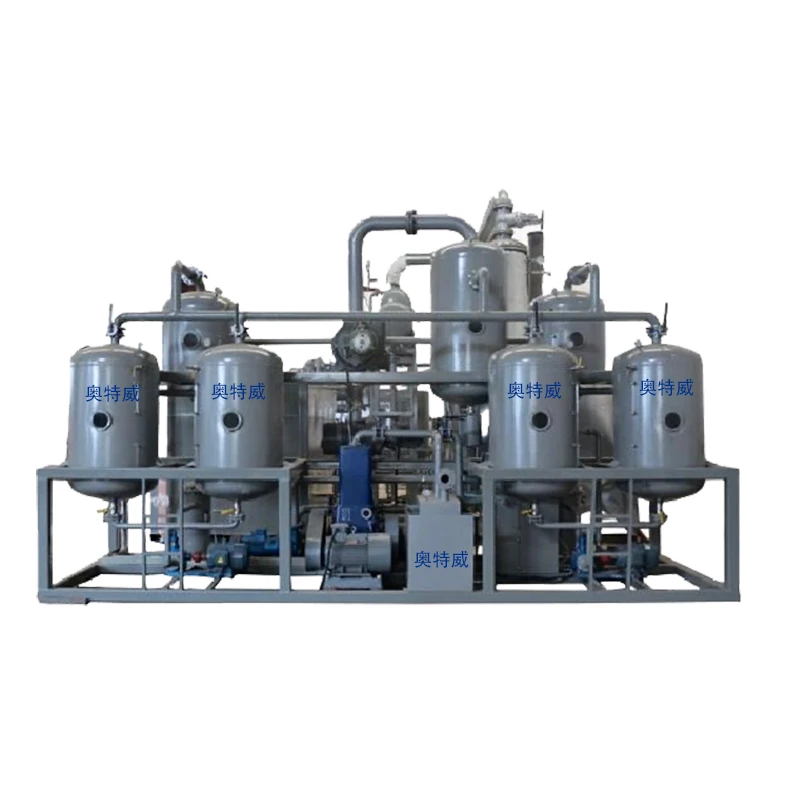
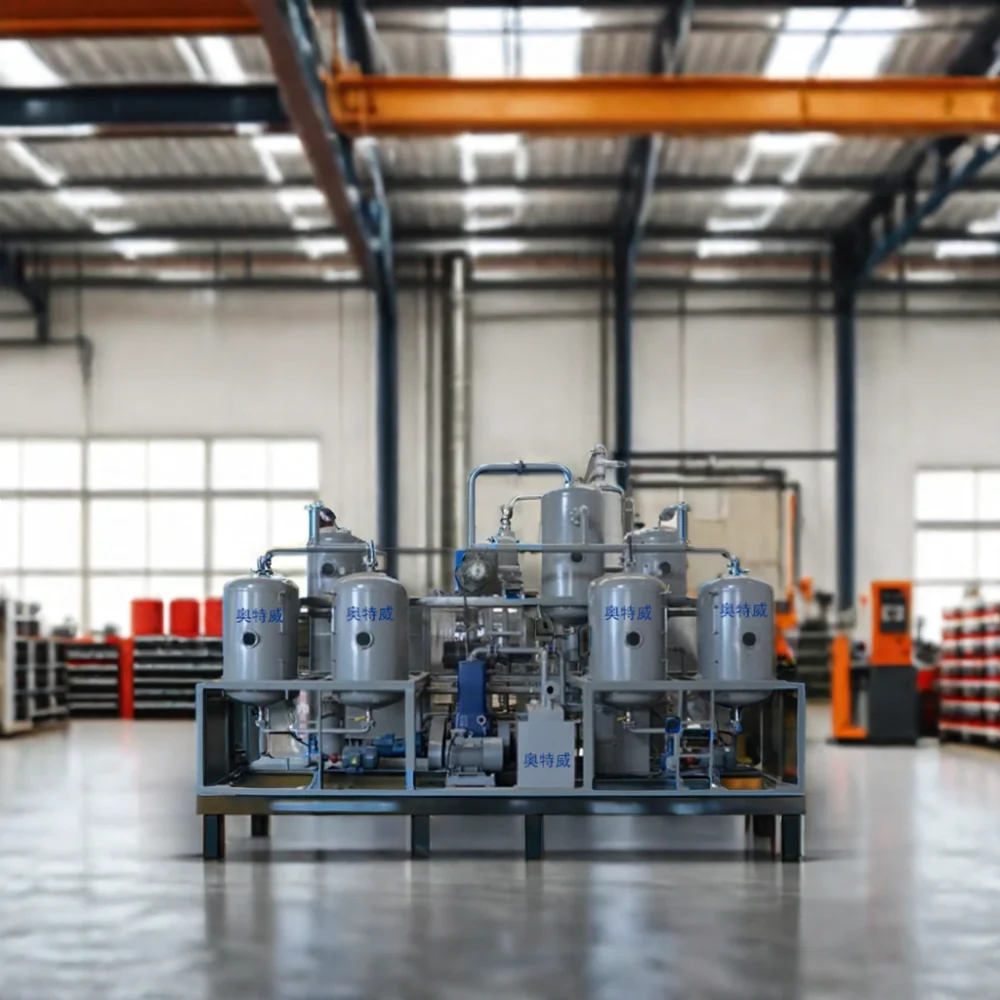
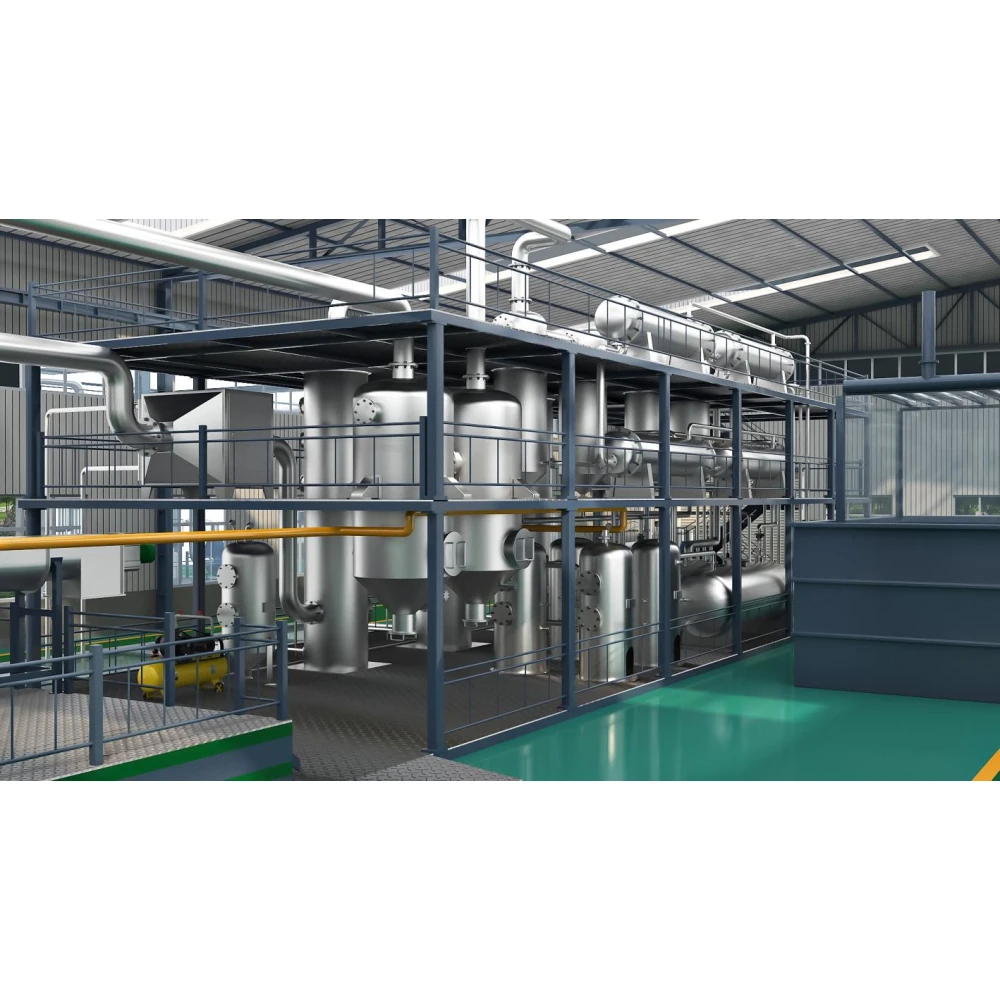
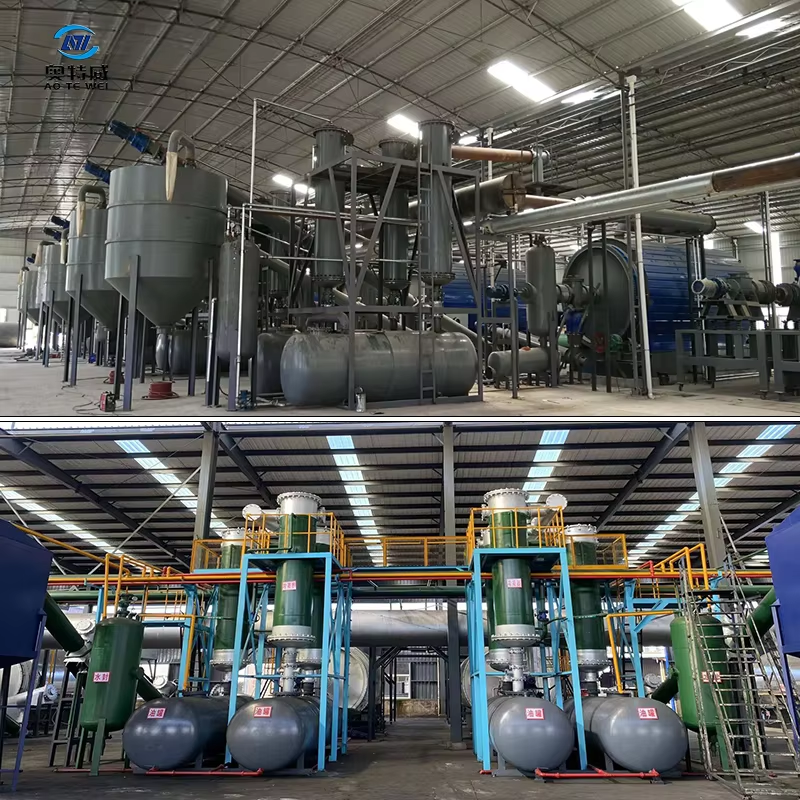
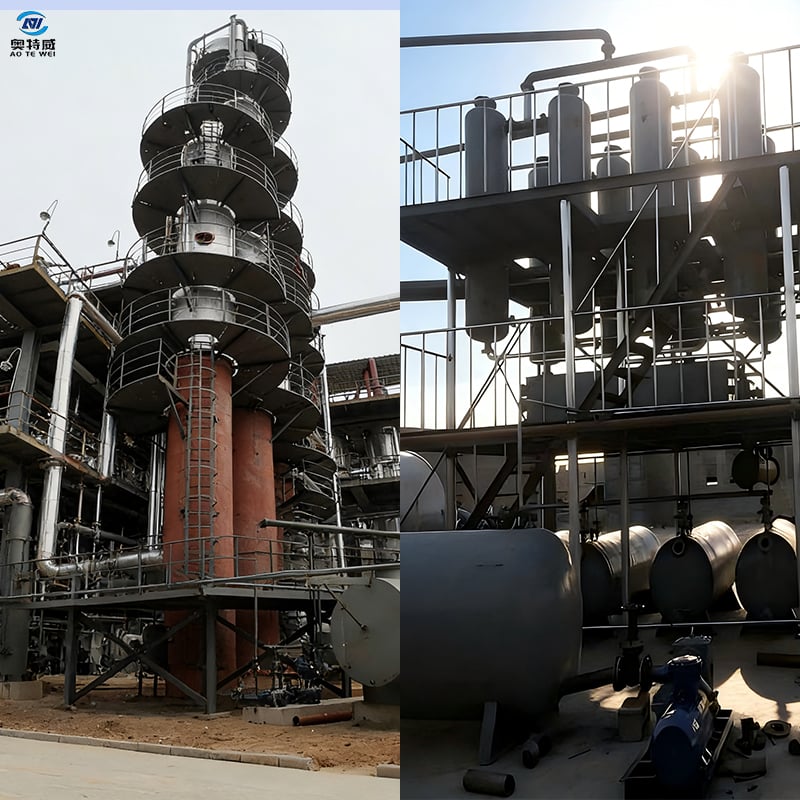
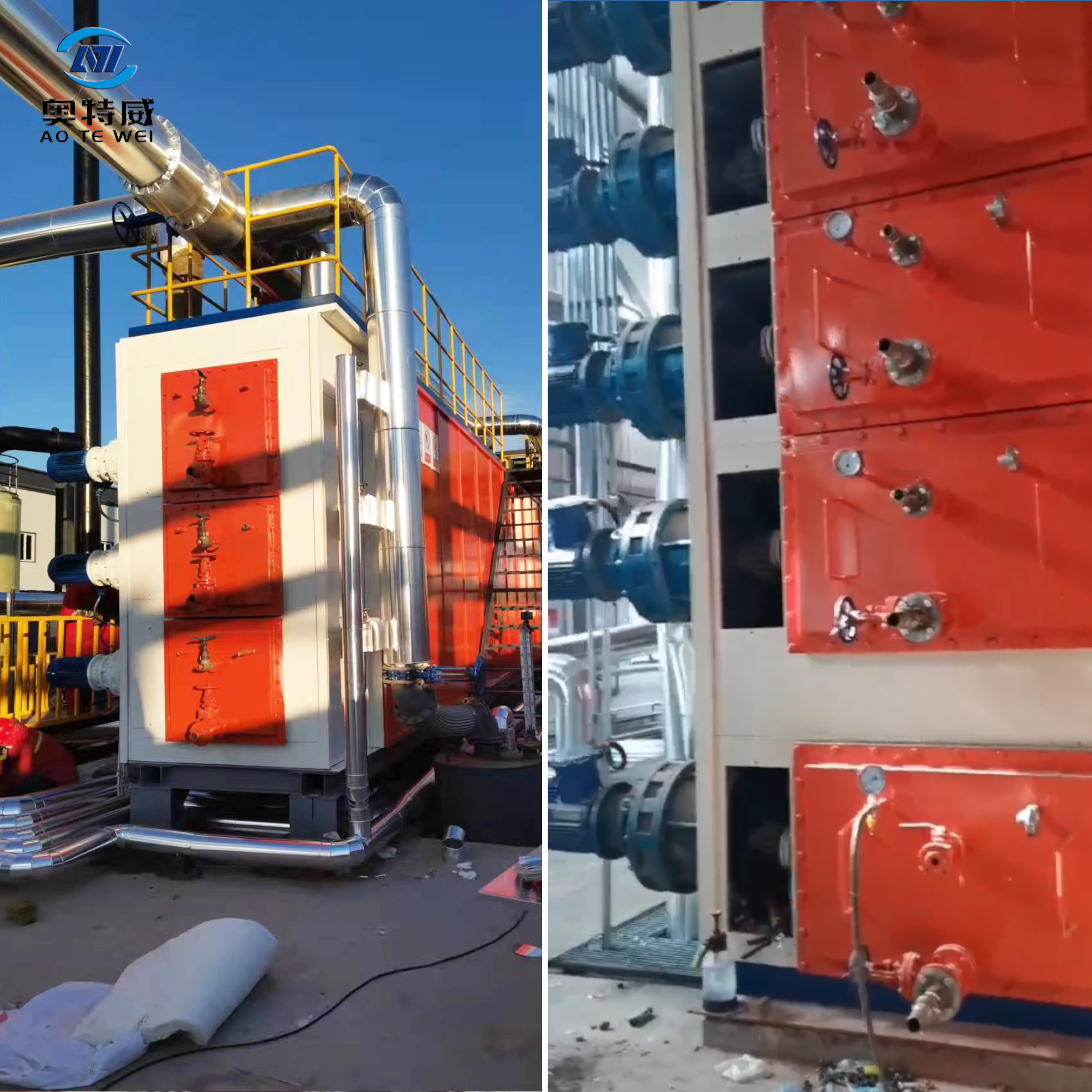
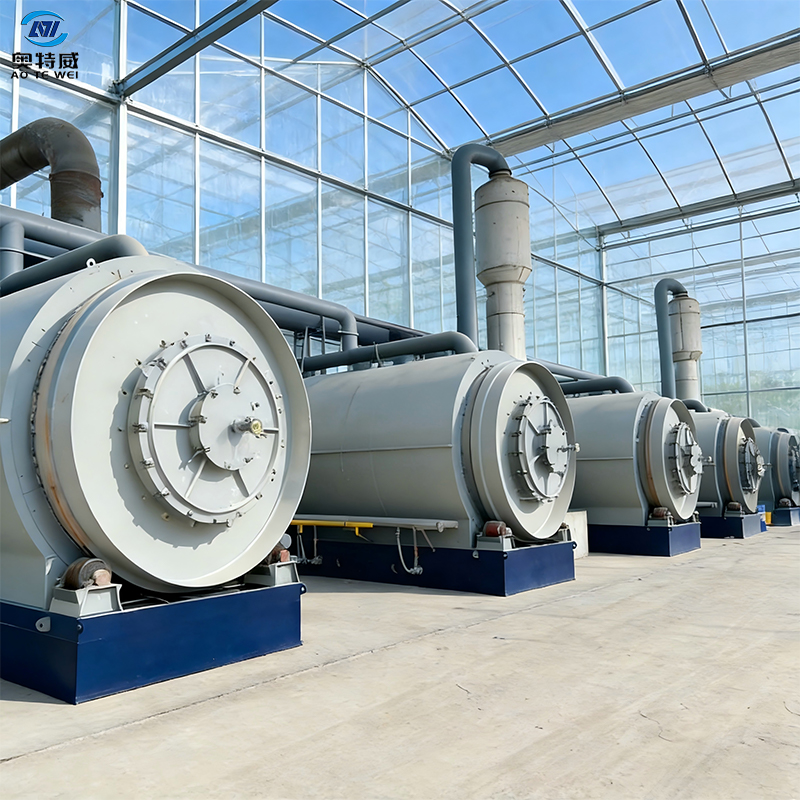
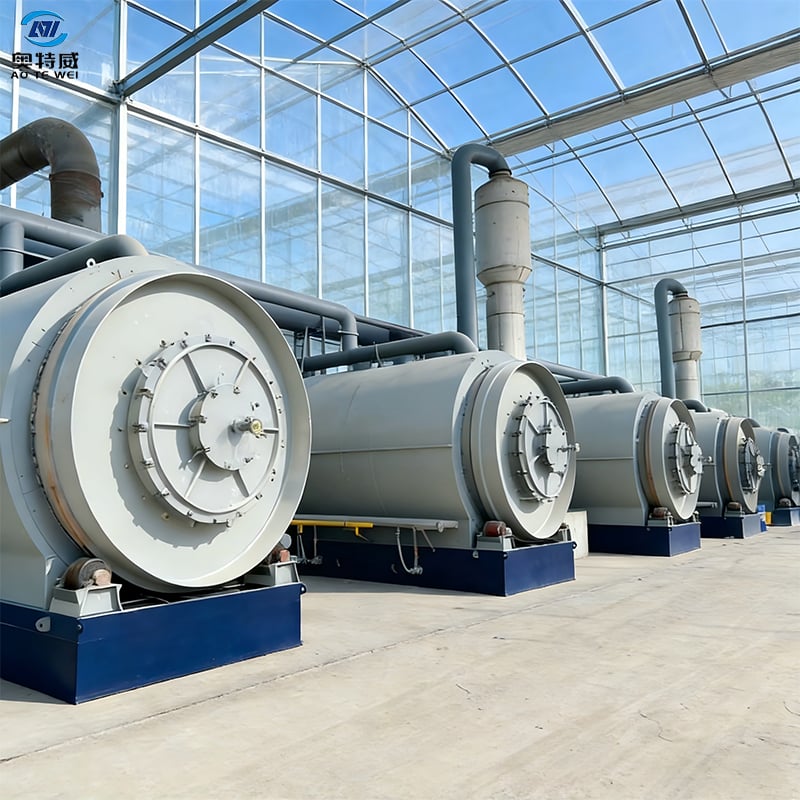
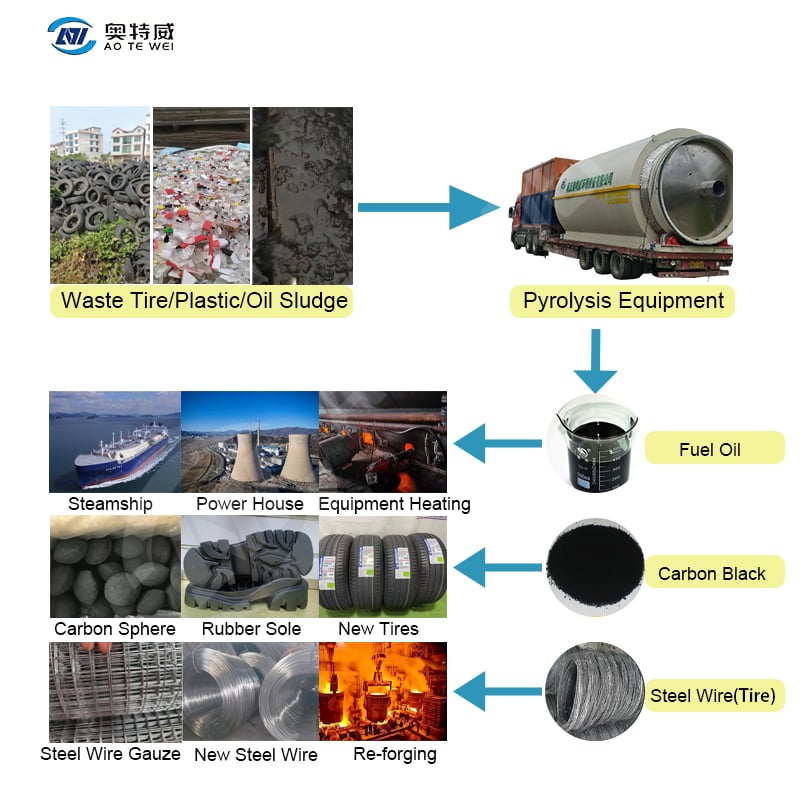
PVC-free plastic pyrolysis is an advanced thermal decomposition technology designed to convert non-PVC plastic waste into valuable energy products, including pyrolysis oil, combustible gas, and carbon black. Unlike conventional plastic recycling methods, this process operates in a controlled, oxygen-free environment at elevated temperatures, breaking down long-chain polymer molecules into shorter hydrocarbon compounds that can be used as fuel or refined into industrial feedstocks. The technology specifically excludes polyvinyl chloride materials from the feedstock to prevent the generation of toxic chlorine compounds and hydrochloric acid during processing, making the entire operation safer, cleaner, and more environmentally responsible. PVC-free plastic pyrolysis systems are engineered to handle a wide range of plastic types, including polyethylene, polypropylene, polystyrene, and ABS plastics, giving operators the flexibility to process diverse waste streams from municipal solid waste facilities, industrial manufacturing sites, and commercial collection programs. The core function of pvcfree plastic pyrolysis is to recover the embedded chemical energy within discarded plastics and redirect it into usable fuel products, reducing dependence on virgin fossil fuels while simultaneously diverting waste from landfills and incineration facilities. Technologically, modern pvcfree plastic pyrolysis plants incorporate continuous or batch feeding systems, precision temperature control modules, catalytic cracking chambers, multi-stage condensation units, and integrated gas purification systems. These components work together to maximize oil yield, improve product quality, and minimize harmful emissions. The applications of pvcfree plastic pyrolysis span multiple industries. The pyrolysis oil produced can power industrial boilers, diesel generators, and heavy machinery. Carbon black recovered from the process serves as a reinforcing agent in rubber manufacturing and as a pigment in coatings. The non-condensable gases generated are typically recycled back into the system as fuel, improving overall energy efficiency. Municipalities, waste management companies, plastic recyclers, and energy producers all stand to benefit from deploying pvcfree plastic pyrolysis technology as part of a circular economy strategy.

Popular Products

PVC-free plastic pyrolysis gives businesses and communities a practical, proven way to turn plastic waste into real value. Here is a straightforward look at what makes this technology worth choosing. First, it turns a disposal problem into a revenue stream. Instead of paying to landfill or incinerate plastic waste, operators convert that same material into pyrolysis oil, carbon black, and combustible gas. These outputs can be sold directly or used on-site to offset energy costs. For any business generating or collecting large volumes of plastic waste, pvcfree plastic pyrolysis transforms a liability into an asset. Second, it protects your equipment and your team. By excluding PVC from the process, the system avoids producing hydrochloric acid and dioxins, which are corrosive and toxic byproducts that damage reactor components and create serious health hazards. Running a PVC-free feedstock means longer equipment lifespan, lower maintenance costs, and a safer working environment for operators. This is not a minor detail. Corrosion from chlorine compounds is one of the leading causes of premature equipment failure in plastic pyrolysis operations, and eliminating that risk has a direct impact on your bottom line. Third, pvcfree plastic pyrolysis helps businesses meet tightening environmental regulations without sacrificing productivity. Governments around the world are raising the bar on waste management and emissions standards. A system designed from the ground up to minimize toxic outputs gives operators a compliance advantage and reduces the risk of costly fines or operational shutdowns. Fourth, the technology is scalable. Whether you are running a small batch operation or a large continuous-feed plant, pvcfree plastic pyrolysis systems can be configured to match your throughput requirements. As your waste volumes grow, the system grows with you. Fifth, it supports sustainability goals that matter to customers, investors, and regulators. Diverting plastic from landfills, recovering usable energy, and reducing carbon emissions are outcomes that align with ESG commitments and circular economy frameworks. Choosing pvcfree plastic pyrolysis is not just a smart operational decision. It is a statement about how your organization approaches its environmental responsibilities. Sixth, the process delivers consistent product quality. Because the feedstock is controlled and PVC contamination is eliminated, the pyrolysis oil and carbon black produced meet more predictable quality standards, making them easier to sell and more attractive to downstream buyers. Seventh, operating costs are manageable. The non-condensable gases produced during pvcfree plastic pyrolysis are fed back into the heating system, reducing the external fuel needed to maintain reactor temperatures. This self-sustaining energy loop lowers utility costs and improves the overall economics of the operation. In summary, pvcfree plastic pyrolysis delivers financial returns, operational safety, regulatory compliance, scalability, sustainability credentials, product consistency, and cost efficiency all in one integrated system.

Practical Tips

Company Updates Factory Audit Video | On-site Shooting of Aotewei Environmental Protection Equipment, Transparently Showing Manufacturing Strength

08

Apr

Company Updates Factory Audit Video | On-site Shooting of Aotewei Environmental Protection Equipment, Transparently Showing Manufacturing Strength

To further improve supply chain transparency and optimize the factory audit experience for domestic and overseas customers, Shangqiu Aotewei Environmental Protection Equipment Co., Ltd. has recently completed a comprehensive update of its factory aud...
View More

Get a Free Quote

Our representative will contact you soon.
Email
WhatsApp / Mobile
Name
Company Name
Message
0/1000

pvcfree plastic pyrolysis

Cleaner Processing Through PVC Exclusion

Cleaner Processing Through PVC Exclusion

One of the most important engineering decisions built into pvcfree plastic pyrolysis technology is the deliberate exclusion of polyvinyl chloride from the input feedstock. This single design choice has a cascading effect on every aspect of the operation, from equipment durability to worker safety to product quality and regulatory standing. When PVC plastics are subjected to high-temperature pyrolysis, they release hydrogen chloride gas, which combines with moisture to form hydrochloric acid. This acid is aggressively corrosive to metal reactor components, condensation systems, and piping infrastructure. Operators who run mixed plastic feedstocks containing PVC routinely face accelerated wear on their equipment, leading to unplanned downtime, expensive repairs, and shortened asset lifespans. By contrast, a pvcfree plastic pyrolysis system eliminates this corrosion pathway entirely. Reactor walls, heat exchangers, and condensers maintain their structural integrity over longer operating cycles, reducing capital expenditure on replacement parts and keeping maintenance schedules predictable. Beyond equipment protection, the exclusion of PVC also prevents the formation of dioxins and furans, which are among the most hazardous organic compounds known. These substances form when chlorine-containing materials are thermally processed in the presence of organic matter. They are persistent environmental pollutants that accumulate in ecosystems and pose serious health risks to humans and wildlife. A pvcfree plastic pyrolysis operation does not generate these compounds, which means emissions from the process are significantly cleaner and easier to manage within regulatory limits. For operators seeking environmental permits or working in jurisdictions with strict air quality standards, this is a decisive advantage. The cleaner combustion profile of a PVC-free feedstock also translates directly into higher-quality output products. Pyrolysis oil produced from non-PVC plastics has lower chlorine content, making it more suitable for use in engines, burners, and industrial applications without causing corrosion in downstream equipment. Carbon black recovered from pvcfree plastic pyrolysis is similarly free of chlorine contamination, improving its marketability as a reinforcing agent or pigment. In practical terms, choosing pvcfree plastic pyrolysis means choosing a system that protects your investment, safeguards your workforce, satisfies environmental regulators, and delivers cleaner products to market. It is a foundational feature that underpins every other benefit the technology offers.
High Oil Yield With Versatile Fuel Applications

High Oil Yield With Versatile Fuel Applications

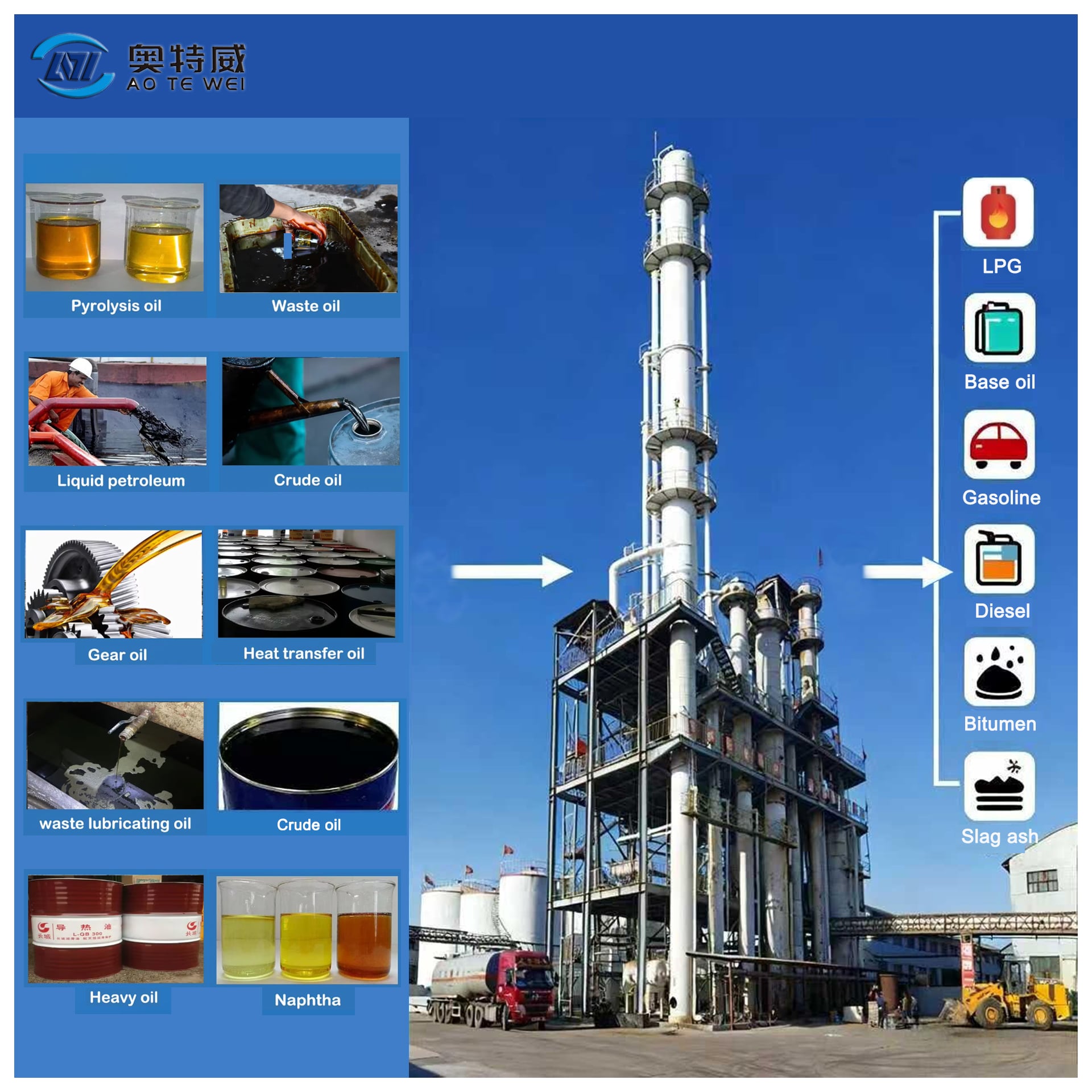
The primary commercial output of pvcfree plastic pyrolysis is pyrolysis oil, and the technology is specifically optimized to maximize both the volume and quality of this product. Understanding what this oil can do and why yield matters helps potential customers evaluate the real economic return on their investment in pvcfree plastic pyrolysis equipment. Pyrolysis oil derived from non-PVC plastics such as polyethylene, polypropylene, and polystyrene typically has a calorific value comparable to diesel fuel, making it a high-energy product with broad industrial utility. It can be used directly as a fuel in industrial boilers, furnaces, and heavy-duty generators without significant further processing. For operations that consume large amounts of thermal energy, substituting pyrolysis oil for conventional fuel oil represents a substantial cost saving. In regions where fuel prices are high or supply is unreliable, having an on-site fuel production capability through pvcfree plastic pyrolysis provides both economic and operational resilience. Beyond direct combustion, pyrolysis oil can be further refined through distillation to produce diesel-grade fuel suitable for use in vehicles and machinery. This refining pathway opens additional revenue channels for operators who want to move up the value chain and capture higher margins. The oil can also be sold as a feedstock to refineries and chemical plants, where it serves as a substitute for naphtha or other petroleum-derived inputs. The versatility of pyrolysis oil as a product is one of the strongest commercial arguments for investing in pvcfree plastic pyrolysis technology. Oil yield in a well-designed pvcfree plastic pyrolysis system typically ranges from 40 to 70 percent of the input plastic weight, depending on the specific plastic types processed and the operating conditions maintained. Optimizing yield requires precise temperature control, appropriate residence time in the reactor, and effective condensation of vapor-phase hydrocarbons. Modern pvcfree plastic pyrolysis plants incorporate advanced process controls that allow operators to tune these parameters in real time, ensuring consistent output volumes and product specifications. For businesses evaluating pvcfree plastic pyrolysis as a commercial venture, the combination of high oil yield, multiple end-use markets, and the ability to refine the product further creates a compelling financial case that strengthens with scale.
Scalable Design for Diverse Waste Management Needs

Scalable Design for Diverse Waste Management Needs

One of the most practical strengths of pvcfree plastic pyrolysis technology is its inherent scalability, which allows it to serve a wide spectrum of operators, from small regional recyclers processing a few tons of plastic per day to large industrial facilities handling hundreds of tons. This flexibility makes pvcfree plastic pyrolysis accessible to a broad range of customers without requiring them to overcommit capital before they have validated the economics of their specific operation. At the smaller end of the scale, batch-feed pvcfree plastic pyrolysis systems offer a cost-effective entry point for businesses that are new to thermal recycling or that operate in markets where plastic waste volumes are moderate. Batch systems are simpler to operate, require less upfront investment, and can be managed by a small team with basic technical training. They are well suited to municipal waste programs, small industrial parks, and regional collection schemes where consistent but limited volumes of non-PVC plastic are available. As operations grow and waste volumes increase, operators can transition to continuous-feed pvcfree plastic pyrolysis configurations, which offer higher throughput, more consistent product output, and better energy efficiency per unit of input material. Continuous systems are designed for around-the-clock operation and are typically deployed by large waste management companies, industrial manufacturers, and energy producers who need reliable, high-volume processing capacity. The modular architecture of modern pvcfree plastic pyrolysis plants also allows operators to add capacity incrementally by installing additional reactor units alongside existing ones, rather than replacing the entire system. This approach protects the initial investment and allows the operation to grow in step with available feedstock and market demand. Beyond throughput scalability, pvcfree plastic pyrolysis systems can be adapted to process different plastic compositions by adjusting operating temperatures, catalyst types, and residence times. This feedstock flexibility means that as the composition of available plastic waste changes over time, the system can be reconfigured to maintain optimal performance. For waste management companies, municipalities, and industrial operators looking for a long-term solution to plastic waste, the scalable and adaptable design of pvcfree plastic pyrolysis technology represents a future-proof investment that delivers value today and grows with the needs of tomorrow.

Get a Free Quote

Our representative will contact you soon.
Email
WhatsApp / Mobile
Name
Company Name
Message
0/1000
Newsletter
Please Leave A Message With Us