
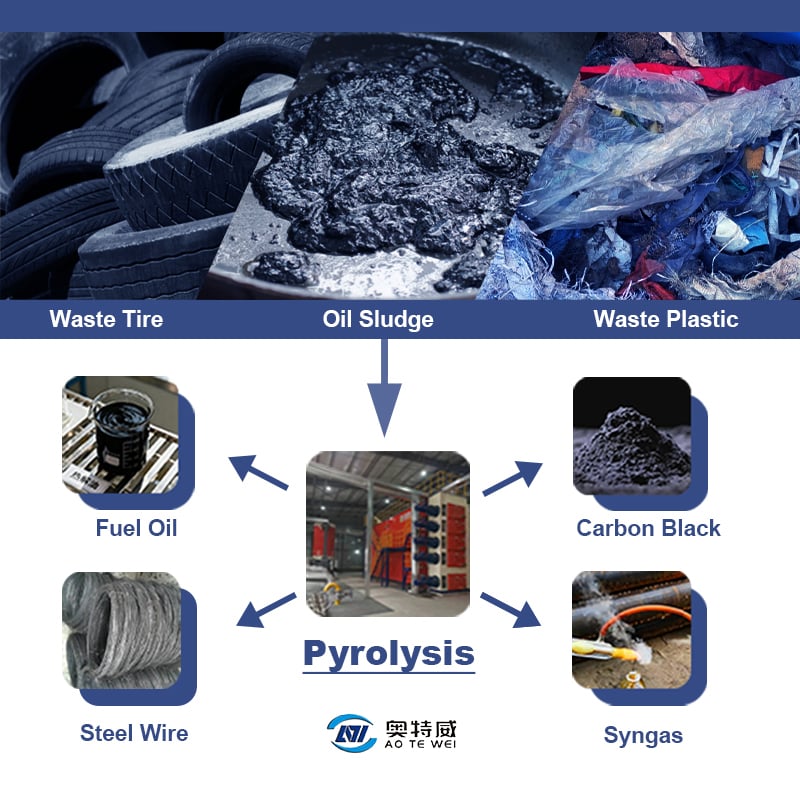
Across the global manufacturing sector, plastic pyrolysis has rapidly moved from a niche concept to a strategic priority. As regulatory pressure on plastic waste intensifies and corporate sustainability commitments become binding targets, manufacturers are actively exploring plastic pyrolysis as a practical, scalable path forward. The technology converts end-of-life plastic materials into valuable outputs such as pyrolysis oil, carbon black, and combustible gas, making plastic pyrolysis one of the most commercially attractive waste-to-resource solutions available today.
The momentum behind plastic pyrolysis investment is not driven by environmental goodwill alone. Manufacturers recognize that plastic pyrolysis creates measurable economic value while simultaneously reducing landfill dependency. When a facility adopts plastic pyrolysis, it transforms a costly disposal problem into a productive revenue-generating process. Understanding the specific reasons why manufacturers are committing capital to plastic pyrolysis technology helps clarify the full scope of this industrial shift.
The Sustainability Case for Plastic Pyrolysis
Reducing Plastic Waste at the Source
One of the most compelling reasons manufacturers invest in plastic pyrolysis is its direct impact on plastic waste volumes. Traditional plastic disposal routes, including landfill and incineration, carry significant environmental and financial costs. Plastic pyrolysis offers an alternative that diverts plastic waste from these damaging pathways by breaking down polymer chains through high-temperature thermal decomposition in the absence of oxygen. Each plastic pyrolysis cycle reduces the volume of plastic destined for disposal, directly contributing to a manufacturer's waste reduction targets.
Many manufacturers operate under extended producer responsibility frameworks, which legally require them to manage the end-of-life phase of their plastic products. Investing in plastic pyrolysis gives these manufacturers a verifiable, in-house mechanism to fulfill those obligations. Plastic pyrolysis documentation can also be used in sustainability reporting, strengthening a company's environmental credentials with regulators, investors, and customers alike.
Aligning with Circular Economy Principles
Plastic pyrolysis fits naturally within circular economy models because it returns value to materials that would otherwise exit the economic system permanently. The pyrolysis oil produced through plastic pyrolysis can be refined and reused as fuel or as a feedstock for new petrochemical products. This closed-loop logic is exactly what circular economy frameworks demand, and plastic pyrolysis delivers it at an industrial scale. Manufacturers that embed plastic pyrolysis into their operations can demonstrate circular economy compliance to stakeholders who increasingly scrutinize supply chain sustainability.
The Economic Drivers Behind Plastic Pyrolysis Investment
Converting Waste into Sellable Outputs
Beyond environmental compliance, plastic pyrolysis delivers direct financial returns. The primary output of plastic pyrolysis, pyrolysis oil, holds commercial value as an industrial fuel or chemical feedstock. Carbon black recovered through plastic pyrolysis can be used in rubber manufacturing, pigment production, and construction materials. The combustible gas generated during plastic pyrolysis can be recycled back into the plant to reduce external energy consumption. Together, these outputs mean that plastic pyrolysis transforms waste streams into profit centers, a transformation that resonates strongly with manufacturing finance teams.
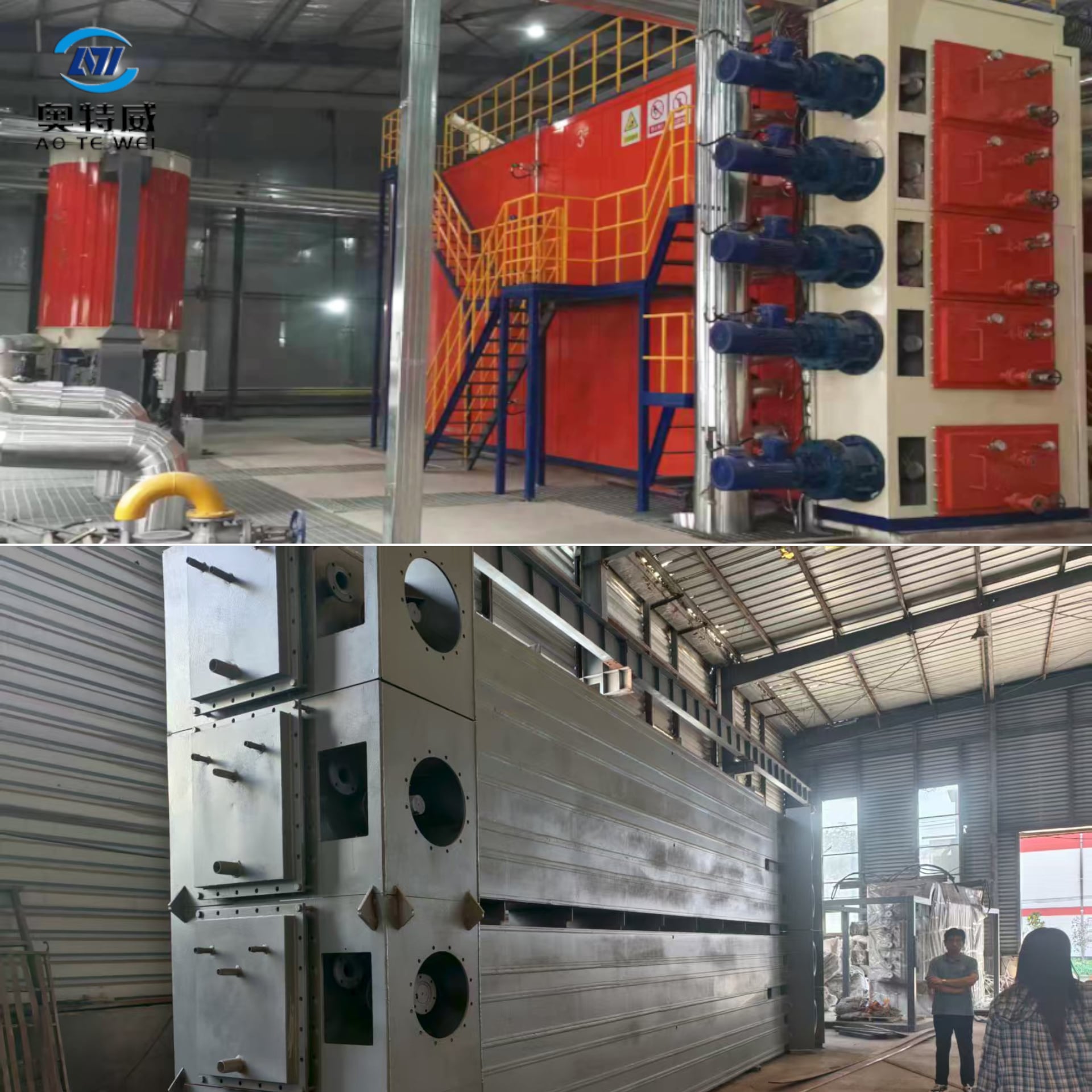
The cost dynamics of plastic pyrolysis have also improved significantly as the technology has matured. Modern plastic pyrolysis plants incorporate advanced PLC control systems, high-efficiency reactor designs, and automated feeding mechanisms that reduce labor costs and improve throughput consistency. These engineering improvements have lowered the capital and operational barriers, making plastic pyrolysis accessible to mid-sized manufacturers who previously could not justify the investment.
Long-Term Cost Savings and Energy Recovery
Plastic pyrolysis also delivers long-term cost savings through energy recovery. When the combustible gas byproduct of plastic pyrolysis is channeled back into the heating system, it reduces the facility's reliance on external fuel sources. Over time, this energy self-sufficiency from plastic pyrolysis can meaningfully reduce operating expenses. Manufacturers operating large-scale plastic pyrolysis systems report that internal gas recycling can cover a substantial portion of the plant's own energy demand, improving the overall economics of plastic pyrolysis further.
Regulatory and Market Forces Driving Adoption
Meeting Tightening Plastic Regulations
Governments worldwide are tightening regulations on plastic waste disposal, single-use plastics, and landfill access. Plastic pyrolysis provides manufacturers with a compliant disposal pathway that meets current regulations while also anticipating stricter future requirements. In markets where plastic waste levies or landfill taxes apply, plastic pyrolysis reduces the financial exposure to those charges. Regulatory foresight is therefore a significant driver of plastic pyrolysis investment, particularly among manufacturers in Europe, East Asia, and North America who operate under the most demanding environmental regimes.
Industry certification bodies and green procurement programs increasingly recognize plastic pyrolysis-derived outputs as qualifying materials for sustainability credits. Manufacturers that can demonstrate plastic pyrolysis capacity may gain preferential access to contracts with buyers who maintain strict environmental sourcing criteria. Plastic pyrolysis thus functions not only as a compliance tool but also as a market differentiation asset.
Responding to Brand and Investor Expectations
Investor pressure on environmental, social, and governance performance has made plastic pyrolysis a visible investment signal. Capital markets increasingly reward manufacturers who demonstrate active plastic waste management strategies, and plastic pyrolysis represents one of the most credible and scalable options available. Brand equity also plays a role, as end customers and retail partners evaluate suppliers partly on plastic waste credentials. A documented plastic pyrolysis program helps manufacturers communicate genuine environmental action rather than superficial greenwashing.
FAQ
What types of plastic are suitable for plastic pyrolysis?
Plastic pyrolysis is most effective with polyethylene, polypropylene, polystyrene, and ABS plastics. Mixed plastic waste streams are also commonly processed through plastic pyrolysis, though pre-sorting improves output quality. PVC and PET plastics typically require separate treatment and are generally excluded from standard plastic pyrolysis feedstock due to their chemical composition.
How does plastic pyrolysis differ from mechanical plastic recycling?
Mechanical recycling physically reprocesses plastics into new materials without chemical transformation. Plastic pyrolysis, by contrast, uses thermal decomposition to break plastic down into oil, gas, and carbon black. Plastic pyrolysis can handle contaminated or mixed plastics that are unsuitable for mechanical recycling, making it a complementary rather than competing technology within a broader plastic waste management strategy.
Is plastic pyrolysis technology commercially proven for industrial use?
Yes, plastic pyrolysis technology is commercially operational at industrial scale across multiple regions. Modern plastic pyrolysis plants are equipped with safety controls, emission management systems, and automated operation features that meet industrial standards. Manufacturers evaluating plastic pyrolysis investment can reference established operational facilities and verified output data to assess feasibility for their specific production context.