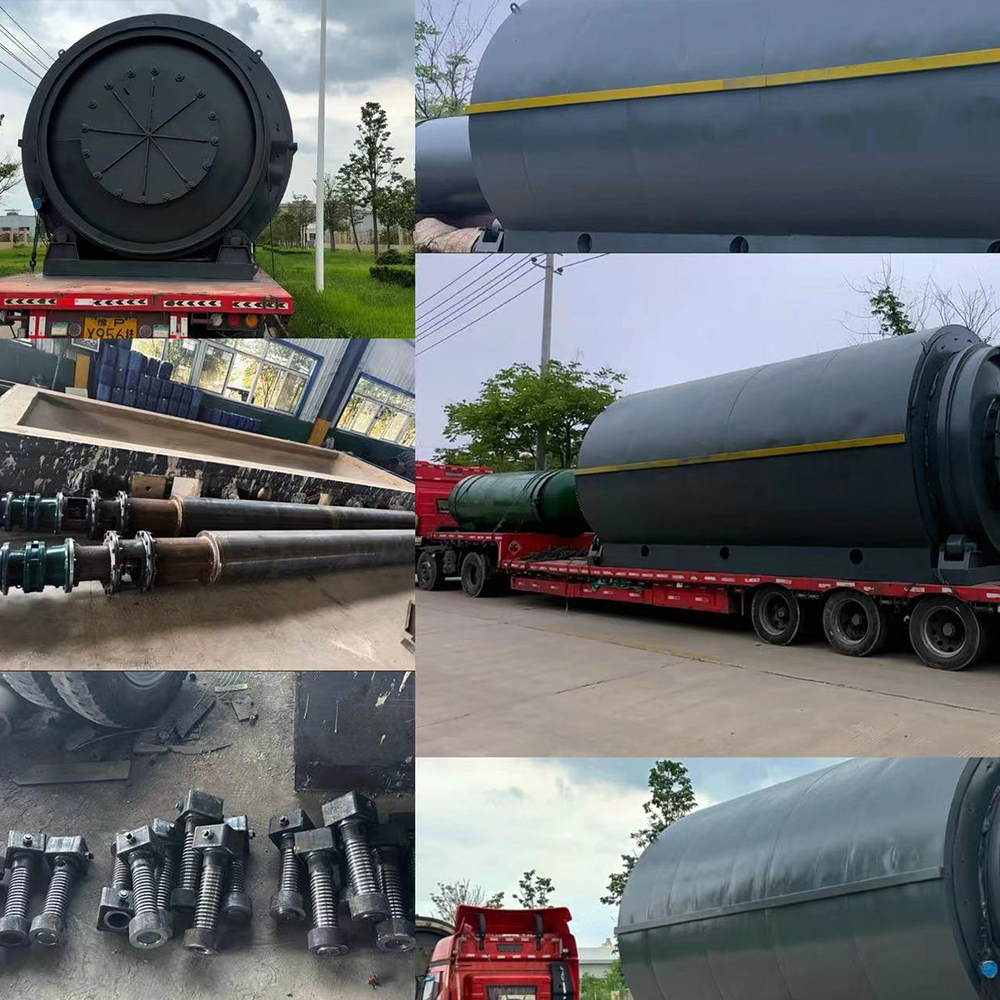
Reactorii de piroliză de înaltă capacitate reprezintă echipamente industriale sofisticate concepute pentru descompunerea termică a materialelor organice la temperaturi ridicate, în absența oxigenului. Aceste sisteme necesită cadre de siguranță cuprinzătoare pentru gestionarea riscurilor inerente asociate operațiunilor la temperaturi înalte, generării de gaze inflamabile și mediilor suprapresurizate. Înțelegerea sistemelor de siguranță obligatorii pentru reactorii de piroliză de înaltă capacitate este esențială pentru operatori, manageri de instalații și ingineri de siguranță implicați în aplicații de conversie a deșeurilor în energie și în procesarea chimică.
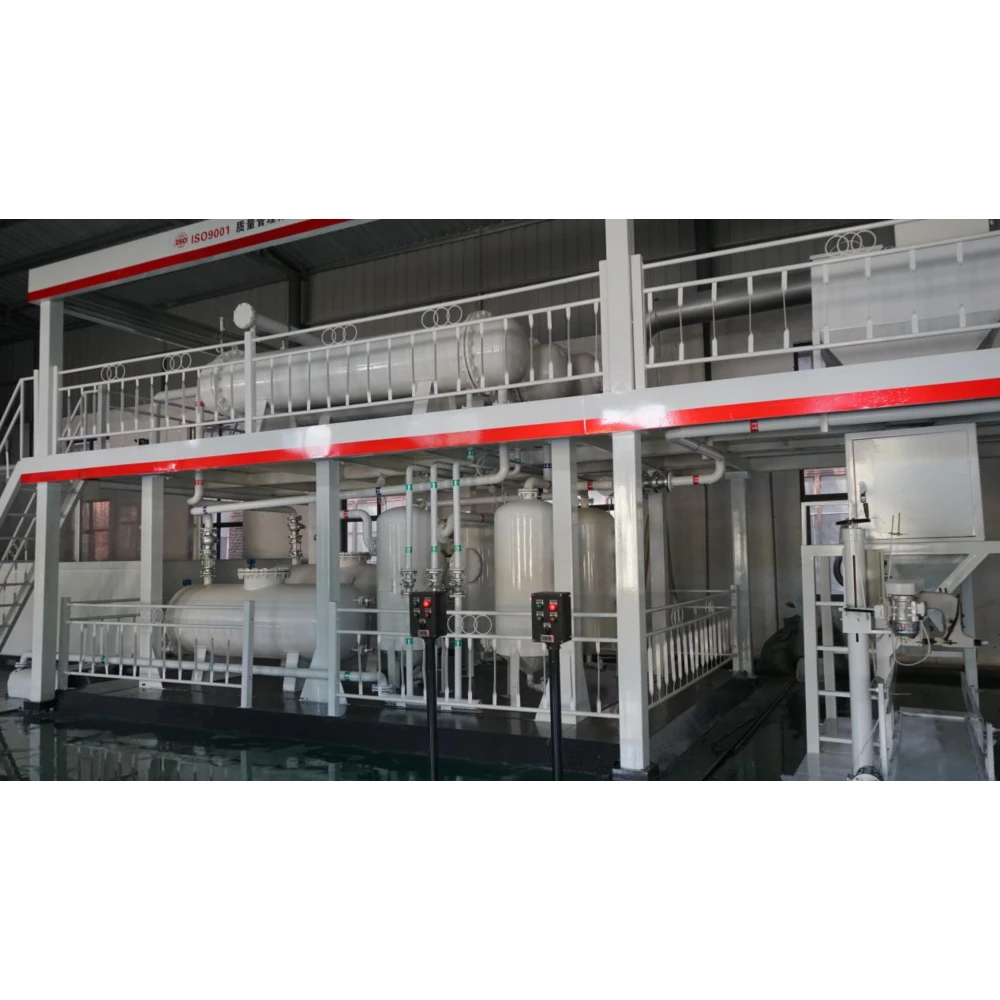
Complexitatea cerințelor de siguranță pentru reactoarele de piroliză de mare capacitate provine din mai multe categorii de pericole, inclusiv gestionarea termică, manipularea gazelor, controlul presiunii și protocoalele de intervenție în caz de urgență. Instalațiile industriale moderne trebuie să integreze mai multe straturi de sisteme de protecție pentru a asigura funcționarea sigură, păstrând în același timp eficiența procesului. Aceste sisteme de siguranță funcționează în coordonare pentru a preveni accidentele, a proteja personalul și a menține continuitatea operațională în instalațiile comerciale de piroliză.
Sisteme primare de protecție termică
Rețele de monitorizare și control a temperaturii
Reactoarele de piroliză de înaltă capacitate necesită sisteme sofisticate de monitorizare a temperaturii, dotate cu mai multe puncte de senzori distribuite pe întregul vas al reactorului și pe echipamentele asociate. Aceste rețele de monitorizare folosesc senzori de temperatură redundanți poziționați în locații critice, inclusiv pe pereții reactorului, la ieșirile de gaze, în zonele de condensare și la interfețele schimbătoarelor de căldură. Sistemul de control al temperaturii trebuie să mențină condiții termice precise, prevenind în același timp situații periculoase de suprâncălzire care ar putea compromite integritatea reactorului.
Sistemele avansate de control al temperaturii integrează controlere logice programabile cu mecanisme de siguranță care ajustează automat ratele de încălzire și inițiază procedurile de răcire atunci când sunt depășite pragurile de temperatură. Rețeaua de protecție termică include alarme pentru temperaturi înalte, secvențe automate de oprire și protocoale de activare a răcirii de urgență. Aceste sisteme trebuie să răspundă în câteva secunde la deviațiile de temperatură, pentru a preveni apariția unor condiții de dezintegrare termică în reactoarele de piroliză de mare capacitate.
Sistemele de înregistrare a temperaturii oferă înregistrarea continuă a datelor pentru conformitatea reglementară și analiza operațională. Infrastructura de monitorizare include rețele de senzori fără fir, sisteme de achiziție a datelor și interfețe de afișare în timp real, accesibile operatorilor din sala de comandă. Această abordare cuprinzătoare de gestionare termică asigură profiluri termice constante, oferind în același timp capacitatea de detectare precoce a eventualelor probleme de siguranță.
Sisteme de barieră termică și izolație
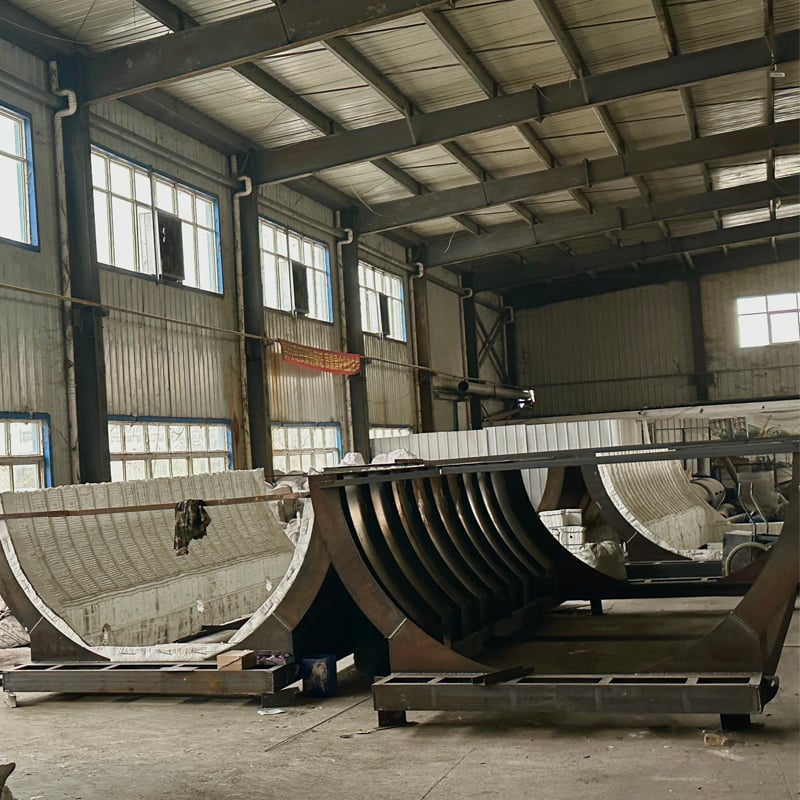
Barierele termice eficiente constituie componente esențiale de siguranță în reactoarele de piroliză de mare capacitate, oferind protecție împotriva expunerii la căldură exterioară și menținând stabilitatea temperaturii interne. Aceste sisteme de barieră utilizează materiale refractare de înaltă performanță, izolație din fibră ceramică și ecrane metalice pentru căldură, concepute pentru a rezista expunerii prelungite la temperaturi ridicate. Configurația izolației trebuie să împiedice transferul de căldură către echipamentele învecinate și zonele destinate personalului.
Sistemele de izolație multicouche includ spații de aer, bariere reflectorizante și materiale speciale de acoperire pentru a minimiza pierderile de căldură și temperaturile suprafețelor exterioare. Proiectarea barierei termice ține cont de dilatarea termică, de solicitările mecanice și de cerințele de accesibilitate pentru întreținere. Protocoalele regulate de inspecție asigură integritatea izolației și identifică eventualele degradări înainte ca acestea să compromită siguranța.
Materialele de construcție rezistente la foc și învelișurile de protecție termică oferă marje suplimentare de siguranță în reactoarele de piroliză de mare capacitate. Aceste sisteme de protecție includ pături termice de urgență, integrarea automată a sistemelor de stingere a incendiilor și panouri de acces rezistente la căldură pentru operațiunile de întreținere. Abordarea cuprinzătoare de protecție termică acoperă atât condițiile normale de funcționare, cât și scenariile de urgență.
Gestionarea presiunii și sistemele de descărcare
Infrastructura de monitorizare și control al presiunii
Sistemele de gestionare a presiunii din reactoarele de piroliză de mare capacitate includ mai multe puncte de monitorizare și mecanisme de control pentru a menține presiuni de funcționare sigure pe întreaga durată a procesului de descompunere termică. Aceste sisteme folosesc traductoare de presiune de înaltă precizie, senzori de presiune diferențială și dispozitive de măsurare a vidului, amplasate în locații strategice, cum ar fi vasele reactoarelor, liniile de manipulare a gazelor și echipamentele de condensare. Rețeaua de control al presiunii trebuie să poată face față ratelor variabile de generare a gazelor și efectelor de dilatare termică.
Robinetle automate de control al presiunii funcționează împreună cu sistemele de monitorizare pentru a menține condițiile optime de presiune, prevenind în același timp acumularea periculoasă a presiunii. Sistemul de control include reglatoare proporțional-integral-derivativ (PID), actuatori pneumatici și robinete de izolare de urgență, capabile să răspundă rapid fluctuațiilor de presiune. Aceste componente asigură profiluri stabile de presiune, esențiale pentru funcționarea sigură a reactoarelor de piroliză de mare capacitate.
Sistemele de înregistrare a presiunii oferă documentare continuă a condițiilor de funcționare pentru analiza siguranței și raportarea reglementară. Infrastructura de monitorizare include sisteme de alarmare, capacități de analiză a tendințelor și afișaje de interfață pentru operatori care prezintă în timp real condițiile de presiune din întreaga instalație. Această abordare cuprinzătoare permite gestionarea proactivă a presiunii și detectarea timpurie a eventualelor probleme de siguranță.
Alivierea de urgență a presiunii și evacuarea
Sistemele de aliviere de urgență a presiunii reprezintă componente esențiale de siguranță, concepute pentru a preveni condiții catastrofale de suprapresiune în reactoarele de piroliză de mare capacitate. Aceste sisteme includ mai multe supape de siguranță, discuri de rupere și căi de evacuare de urgență dimensionate pentru a gestiona scenariile maxime plauzibile de presiune. Proiectarea sistemului de aliviere ia în considerare compoziția gazelor, efectele temperaturii și cerințele de siguranță ale secțiunii aval.
Supapele de descărcare a presiunii sunt echipate cu mecanisme acționate de arc și cu designuri comandate prin pilot, capabile să asigure puncte de reglare precise ale presiunii și caracteristici rapide de deschidere. Sistemul de descărcare include mai multe căi de evacuare pentru a asigura redundanța și a face față diferitelor scenarii de funcționare. Sistemele de ventilare de urgență direcționează gazul eliberat către locații sigure prin intermediul dispozitivelor anti-flacără și al sistemelor de spălare (scrubbing), pentru a minimiza impactul asupra mediului.
Procedurile de întreținere a sistemului de descărcare asigură funcționarea corectă prin teste regulate, etalonare și proceduri de inspecție a componentelor. Abordarea privind gestionarea presiunii de urgență include instruirea operatorilor, procedurile de răspuns și coordonarea cu sistemele de intervenție în caz de urgență ale instalației. Această abordare integrată oferă o protecție completă împotriva riscurilor legate de presiune în reactoarele de piroliză de mare capacitate.
Sisteme de manipulare a gazelor și de control al emisiilor
Detectarea și gestionarea gazelor inflamabile
Sistemele de detectare a gazelor în reactoarele de piroliză de mare capacitate utilizează tehnologii avansate de senzori pentru a monitoriza concentrațiile de gaze inflamabile în întreaga instalație. Aceste rețele de detectare includ senzori catalitici, analizoare infraroșu de gaze și detectoare electrochimice amplasate în puncte potențiale de scurgere, spații închise și prize de aer pentru ventilare. Sistemul de monitorizare a gazelor trebuie să detecteze concentrațiile inflamabile înainte ca acestea să atingă niveluri periculoase.
Sistemele automate de gestionare a gazelor răspund semnalelor de detectare prin activarea ventilării, închiderea robinetelor de izolare și eliminarea surselor de aprindere. Infrastructura de manipulare a gazelor include echipamente electrice rezistente la explozie, instrumentație intrinsec sigură și sisteme de ventilare de urgență capabile să realizeze o diluție rapidă a gazelor. Aceste sisteme funcționează împreună pentru a preveni formarea unor atmosfere explozive în jurul reactoarelor de piroliză de mare capacitate .
Monitorizarea concentrației gazelor include măsurarea continuă, sisteme de alarmare și funcții de înregistrare a datelor pentru analiza siguranței. Sistemul de detectare oferă mai multe niveluri de alarmă, corespunzătoare unor acțiuni de răspuns diferite și procedurilor de evacuare. Calibrarea și întreținerea regulate asigură o performanță fiabilă de detectare pe întreaga durată de funcționare a instalației.
Controlul emisiilor și protecția mediului
Sistemele de control al emisiilor gestionează evacuarea gazelor din reactoarele de piroliză de mare capacitate prin mai multe etape de tratare, inclusiv condensare, spălare și procese de oxidare termică. Aceste sisteme capturează compușii organici volatili, particulele în suspensie și alte emisii generate în timpul procesului de piroliză. Proiectarea sistemelor de control al emisiilor trebuie să respecte reglementările de mediu, păstrând în același timp eficiența procesului.
Tehnologiile avansate de control al emisiilor includ sisteme de spălare umedă, adsorbție cu carbon activat și unități de oxidare catalitică concepute pentru eliminarea unor contaminanți specifici din fluxurile de gaze. Sistemul de tratare include echipamente de monitorizare pentru verificarea conformității cu reglementările privind emisiile și a performanței sistemului. Sistemele de tratare de rezervă asigură redundanță pentru funcțiile critice de control al emisiilor.
Sistemele de monitorizare a mediului urmăresc nivelurile de emisii, calitatea aerului ambiental și eficacitatea sistemului de tratare prin capacități continue de măsurare și raportare. Abordarea de control al emisiilor include programe de întreținere preventivă, proceduri de optimizare a performanței și protocoale de intervenție în caz de urgență pentru defecțiunile sistemelor de control al emisiilor. Această abordare cuprinzătoare asigură conformitatea cu reglementările de mediu, păstrând în același timp exploatarea sigură a reactorilor de piroliză de mare capacitate.
Sisteme de protecție împotriva incendiilor și de răspuns în caz de urgență
Sisteme active de stingere a incendiilor
Sistemele de stingere a incendiilor pentru reactoarele de piroliză de înaltă capacitate includ mai multe tehnologii de stingere, cum ar fi sistemele de stropire cu apă, echipamentele de aplicare a spumei și agenții gazoși de stingere, potriviți diferitelor scenarii de incendiu. Aceste sisteme utilizează declanșatoare automate de detectare, comenzi manuale de activare și strategii de stingere specifice zonelor, bazate pe evaluarea riscului de incendiu și pe cerințele de protecție a echipamentelor. Proiectarea sistemelor de stingere a incendiilor ține cont de protecția echipamentelor electrice, siguranța personalului și impactul asupra mediului.
Sistemele de stingere bazate pe apă includ sprinklere de tip deluge, cortine de apă și sisteme de ceață fină sub presiune înaltă, concepute pentru răcirea și stingerea flăcărilor în jurul echipamentelor reactorului. Sistemele de stingere cu spumă oferă o eficacitate sporită împotriva incendiilor cu hidrocarburi, care pot apărea în reactoarele de piroliză de înaltă capacitate. Sistemele de stingere gazoase protejează zonele închise destinate echipamentelor electrice și ale centrelor de comandă, utilizând tehnologii cu agenți curățători.
Integrarea sistemului de stingere a incendiilor include coordonarea cu sistemele de ventilare, procedurile de izolare electrică și secvențele de oprire de urgență. Infrastructura de stingere include posibilități de activare la distanță, monitorizarea stării sistemului și prevederi pentru accesul în vederea întreținerii. Testările și inspecțiile periodice asigură disponibilitatea sistemului de stingere și conformitatea acestuia cu standardele de protecție împotriva incendiilor.
Proceduri de oprire de urgență și izolare
Sistemele de oprire de urgență oferă metode rapide și fiabile de întrerupere sigură a operațiunilor în reactoarele de piroliză de înaltă capacitate, în condiții de urgență. Aceste sisteme includ mai multe metode de inițiere a opririi, cum ar fi comenzile operatorului, declanșatorii automați și posibilitățile de activare la distanță. Secvența de oprire include izolarea combustibilului, dezactivarea sistemului de încălzire și activarea procedurilor de răcire de urgență.
Sistemele de izolare folosesc designuri de supape cu funcționare sigură, bariere de izolare de urgență și proceduri de confinare pentru a preveni răspândirea incendiilor și a limita impactul situațiilor de urgență. Infrastructura de izolare include posibilități de comandă manuală, metode redondante de izolare și sisteme de indicare vizuală care afișează starea sistemului. Procedurile de urgență abordează diferite scenarii, inclusiv întreruperea alimentării cu energie electrică, defectarea echipamentelor și urgențele externe.
Coordonarea răspunsului la situații de urgență integrează sistemele instalației cu serviciile externe de urgență prin intermediul sistemelor de comunicare, procedurilor de evacuare și protocoalelor de comandă a incidentelor. Abordarea gestionării urgențelor include instruirea personalului, programele de exerciții și întreținerea echipamentelor de răspuns. Această pregătire completă pentru situații de urgență asigură un răspuns eficient la incidente care implică reactoare pirolitice de mare capacitate.
Întrebări frecvente
Care sunt cele mai critice sisteme de siguranță necesare pentru reactoarele pirolitice de mare capacitate?
Cele mai critice sisteme de siguranță includ rețele cuprinzătoare de monitorizare și control al temperaturii, sisteme de evacuare de urgență a presiunii, sisteme de detectare și gestionare a gazelor inflamabile și sisteme integrate de stingere a incendiilor. Aceste sisteme principale de siguranță funcționează împreună pentru a aborda principalele pericole asociate reactorilor de piroliză de înaltă capacitate, inclusiv pierderea de control termic, condiții de suprapresiune, atmosfere explozive și scenarii de incendiu. Fiecare sistem include mecanisme redundante și de siguranță în caz de defectare pentru a asigura o protecție fiabilă.
Cum protejează sistemele de evacuare a presiunii reactorii de piroliză de înaltă capacitate împotriva condițiilor de suprapresiune?
Sistemele de reducere a presiunii protejează reactoarele de piroliză de mare capacitate prin intermediul mai multor supape de descărcare, discuri de rupere și căi de ventilare de urgență, proiectate să se activeze înainte de atingerea unor niveluri periculoase de presiune. Aceste sisteme eliberează automat presiunea în exces către locații sigure, dirijând în același timp gazele evacuate prin arzătoare anti-flacără și sisteme de spălare. Dimensionarea sistemului de descărcare ia în considerare scenariile maxime credibile de presiune și include căi de descărcare redundante pentru a asigura protecția chiar și în cazul în care mecanismele primare de descărcare eșuează.
Ce tehnologii de detectare a gazelor sunt cele mai eficiente pentru monitorizarea gazelor inflamabile în jurul reactoarelor de piroliză de mare capacitate?
Cele mai eficiente tehnologii de detectare a gazelor includ senzorii cu mărgele catalitice pentru detectarea generală a hidrocarburilor, analizatoarele infraroșu pentru identificarea specifică a gazelor și senzorii electrochimici pentru monitorizarea gazelor toxice. Aceste sisteme de detectare sunt amplasate în punctele potențiale de scurgere, în spațiile închise și la intrările de ventilare, pentru a oferi un avertisment timpurii privind acumularea gazelor inflamabile. Rețeaua de detectare include mai multe niveluri de alarmă și sisteme de răspuns automat care activează ventilarea, izolează sursele de aprindere și inițiază procedurile de urgență atunci când sunt detectate concentrații periculoase de gaze.
Cât de des trebuie inspectate și testate sistemele de siguranță din reactoarele pirolitice de înaltă capacitate?
Sistemele de siguranță din reactoarele de piroliză de înaltă capacitate necesită inspecții și teste regulate conform recomandărilor producătorului și a cerințelor reglementare, în general variind de la verificări funcționale zilnice până la teste complete anuale. Sistemele critice, cum ar fi supapele de descărcare a presiunii, detectoarele de gaze și echipamentele de stingere a incendiilor, necesită teste lunare până la trimestriale, în timp ce senzorii de temperatură și sistemele de comandă necesită monitorizare continuă, cu verificări săptămânale de calibrare. Sistemele de oprire de urgență trebuie testate trimestrial, iar toată documentația privind siguranța trebuie păstrată pentru a demonstra conformitatea cu standardele și reglementările de siguranță.



 Știri importante