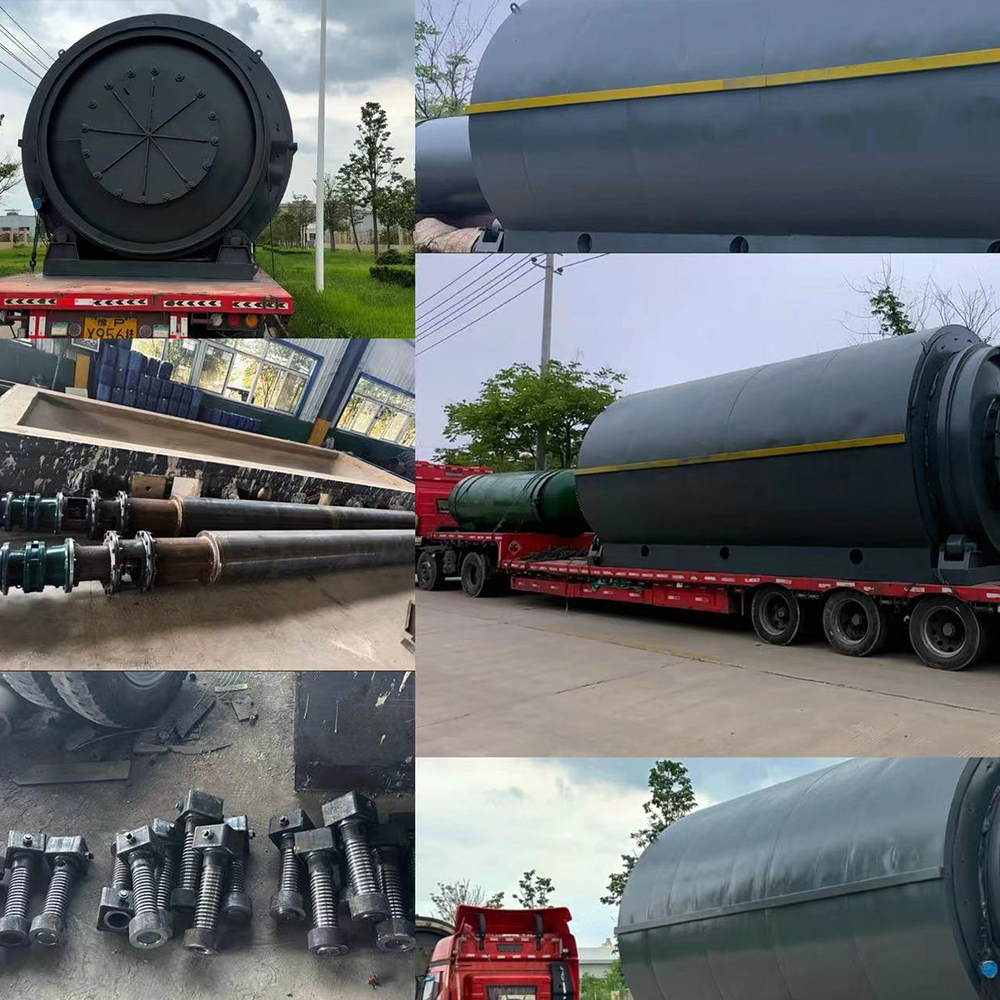
Waste tire recycling has emerged as a critical environmental challenge, with billions of discarded tires accumulating in landfills and illegal dumpsites worldwide. Traditional recycling methods often prove inefficient, costly, and environmentally problematic, leaving industries searching for more effective solutions. Continuous pyrolysis equipment represents a revolutionary approach to tire waste management, offering unprecedented efficiency improvements through advanced thermal decomposition technology that converts waste tires into valuable products while maintaining continuous operation cycles.
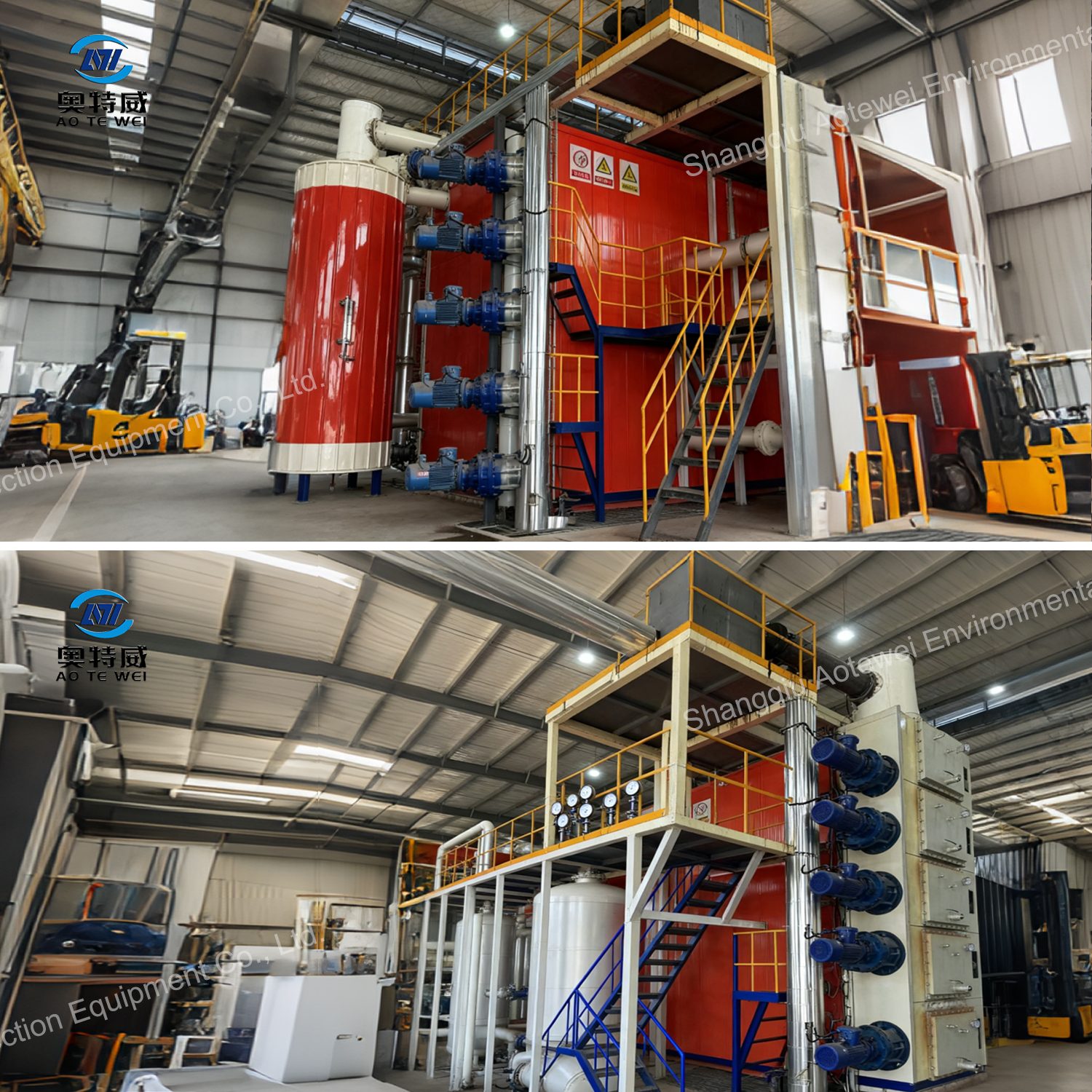
The efficiency improvements achieved through continuous pyrolysis equipment stem from its ability to maintain uninterrupted processing cycles, optimize heat recovery systems, and maximize resource extraction from waste tires. Unlike batch processing systems that require frequent shutdowns for loading and unloading, continuous pyrolysis equipment operates around the clock, dramatically increasing throughput while reducing energy consumption per unit of processed material. This technological advancement addresses the fundamental limitations of conventional tire recycling methods by creating a seamless production environment that transforms waste into profit.
Enhanced Throughput and Processing Capacity
Continuous Feed System Advantages
The continuous feed mechanism in modern pyrolysis equipment eliminates the time-consuming loading and unloading cycles that characterize batch processing systems. This continuous pyrolysis equipment maintains steady material flow through automated feeding systems that can process tire chips or whole tires without operational interruptions. The elimination of downtime between processing cycles typically increases overall system throughput by 40-60% compared to batch systems of similar capacity.
Advanced continuous pyrolysis equipment incorporates sophisticated material handling systems that pre-process waste tires through shredding, de-wiring, and sizing operations before feeding them into the reactor chamber. This preparation ensures optimal material flow and prevents blockages that could disrupt the continuous operation. The automated feeding mechanisms also maintain precise control over feed rates, allowing operators to optimize processing conditions for maximum efficiency and product quality.
The continuous processing approach enables facilities to handle larger volumes of waste tires with smaller equipment footprints. A single continuous pyrolysis unit can often replace multiple batch reactors, reducing capital costs, maintenance requirements, and operational complexity while increasing overall processing capacity. This scalability advantage makes continuous systems particularly attractive for large-scale tire recycling operations and municipal waste management facilities.
Reactor Design Optimization
Continuous pyrolysis equipment utilizes advanced reactor designs that maintain optimal temperature profiles throughout the processing chamber. The elongated reactor configuration allows for precise temperature control at different stages of the pyrolysis process, ensuring complete tire decomposition while preventing overheating that could reduce product quality. This temperature gradient optimization maximizes the conversion efficiency of rubber polymers into valuable oil and gas products.
The reactor design in continuous pyrolysis equipment incorporates multiple heating zones that can be independently controlled to match the thermal requirements of different decomposition stages. This zoned heating approach ensures that tire materials receive appropriate thermal treatment as they progress through the reactor, optimizing both processing speed and product yields. The continuous movement of material through these zones prevents hot spots and ensures uniform heating that characterizes efficient pyrolysis operations.
Modern continuous pyrolysis equipment features rotating or moving grate systems that facilitate material movement while exposing fresh surfaces to heat transfer. These mechanical systems prevent material agglomeration and ensure consistent heat distribution throughout the tire material, improving decomposition rates and reducing processing times. The mechanical agitation also helps separate steel wire from rubber components during the pyrolysis process, producing cleaner end products.
Energy Recovery and Thermal Efficiency
Integrated Heat Recovery Systems
Continuous pyrolysis equipment incorporates sophisticated heat recovery systems that capture and reuse thermal energy from various process streams. The hot product gases generated during pyrolysis pass through heat exchangers that preheat incoming feed material, reducing the external energy required to maintain optimal processing temperatures. This heat integration can reduce overall energy consumption by 25-35% compared to systems without heat recovery.
The continuous operation of pyrolysis equipment enables more effective heat recovery because the thermal systems reach steady-state conditions that optimize heat transfer efficiency. The consistent temperature profiles and gas flows in continuous systems allow for more precise design of heat recovery equipment, maximizing energy capture while maintaining process stability. This thermal optimization translates directly into reduced operating costs and improved environmental performance.
Advanced continuous pyrolysis equipment often includes multiple heat recovery stages that capture thermal energy from product cooling, flue gas treatment, and reactor wall radiation. These integrated systems can achieve thermal efficiencies exceeding 80%, making continuous pyrolysis one of the most energy-efficient waste tire treatment technologies available. The recovered heat can also support auxiliary operations such as material drying, product refining, and facility heating.
Combustible Gas Utilization
The pyrolysis process generates significant quantities of combustible gases that continuous pyrolysis equipment captures and utilizes as fuel for the heating system. This gas recirculation eliminates the need for external fuel sources during steady-state operation, making the process largely energy self-sufficient. The continuous gas generation and consumption create a balanced energy system that minimizes external energy requirements while maximizing resource utilization from waste tires.
Continuous pyrolysis equipment incorporates gas cleaning and conditioning systems that remove impurities from the combustible gases before combustion. This gas treatment ensures clean burning that meets environmental standards while maximizing the heating value of the recovered gases. The continuous gas flow also enables more stable combustion conditions, improving heating efficiency and reducing emissions compared to intermittent gas utilization in batch systems.
The predictable gas generation rates in continuous pyrolysis systems allow for more precise control of the heating system, maintaining optimal reactor temperatures while minimizing energy waste. Advanced control systems monitor gas composition and flow rates, automatically adjusting combustion parameters to maintain energy balance and process stability. This automated energy management reduces operator intervention while optimizing system efficiency.
Product Quality and Yield Optimization
Consistent Operating Conditions
Continuous pyrolysis equipment maintains steady operating conditions that produce more consistent product quality compared to batch processing systems. The stable temperature profiles and residence times in continuous systems ensure that tire materials receive uniform treatment, resulting in pyrolysis oil with consistent properties and carbon black with predictable characteristics. This consistency is crucial for downstream processing and product marketing, as buyers prefer materials with reliable specifications.
The continuous operation eliminates the temperature fluctuations and pressure variations that occur during batch system startup and shutdown cycles. These operational disturbances can significantly impact product quality, creating variations in oil viscosity, carbon black structure, and gas composition that reduce the commercial value of recovered products. Continuous pyrolysis equipment avoids these quality issues by maintaining stable process conditions throughout the operation.
Advanced process control systems in continuous pyrolysis equipment monitor key parameters such as temperature, pressure, and residence time, making real-time adjustments to maintain optimal conditions. This automated control ensures that product quality remains within specification limits while maximizing yields of valuable products. The consistent operating environment also enables more precise process optimization, allowing operators to fine-tune conditions for specific product requirements.
Improved Product Separation
Continuous pyrolysis equipment incorporates advanced product separation systems that efficiently recover oil, gas, and solid products from the pyrolysis process. The continuous flow of products through separation equipment maintains optimal separation conditions, improving recovery rates and product purity compared to batch processing systems. This enhanced separation efficiency directly translates into higher revenues from recovered products and improved overall process economics.
The steady-state operation of continuous systems enables more effective design of condensation and separation equipment, as the consistent product flows allow for optimal sizing and configuration of separation vessels. The continuous product generation also supports more efficient operation of downstream processing equipment, such as oil refining units and carbon black pelletizing systems, improving overall facility productivity.
Modern continuous pyrolysis equipment features multi-stage condensation systems that selectively recover different oil fractions based on their boiling points. This fractional condensation produces multiple oil products with distinct properties, increasing the total value of recovered materials. The continuous operation enables precise control of condensation temperatures, optimizing the separation of valuable light oils from heavier fractions.
Environmental Impact and Sustainability Benefits
Emission Control and Environmental Performance
Continuous pyrolysis equipment achieves superior environmental performance through stable operating conditions that enable more effective emission control systems. The consistent gas flows and temperatures in continuous systems allow for optimal design and operation of pollution control equipment, resulting in lower emissions of particulates, volatile organic compounds, and other pollutants. This environmental advantage is increasingly important as regulations governing waste processing operations become more stringent.
The continuous operation eliminates the emission spikes that occur during batch system startup and shutdown cycles, when process conditions are unstable and emission control systems may not operate at peak efficiency. Continuous pyrolysis equipment maintains steady emissions that are easier to monitor and control, ensuring consistent compliance with environmental regulations while minimizing the environmental impact of tire recycling operations.
Advanced continuous pyrolysis equipment incorporates real-time emission monitoring systems that provide continuous feedback on environmental performance. These monitoring systems enable immediate response to any emission excursions, maintaining optimal environmental compliance while providing data for process optimization. The continuous operation also supports more effective scheduling of maintenance activities, ensuring that emission control systems remain in optimal condition.
Resource Recovery and Circular Economy Benefits
Continuous pyrolysis equipment maximizes the recovery of valuable materials from waste tires, supporting circular economy principles by converting waste streams into useful products. The high efficiency of continuous systems enables recovery of 85-95% of the tire material as useful products, including fuel oil, carbon black, steel wire, and combustible gases. This high recovery rate minimizes waste generation while maximizing the economic value derived from discarded tires.
The consistent product quality from continuous pyrolysis equipment makes the recovered materials more suitable for high-value applications, improving the economics of tire recycling operations. The pyrolysis oil can be refined into diesel fuel or used as industrial fuel, while the carbon black can be processed for use in new tire manufacturing or other rubber products. This material circularity reduces the demand for virgin raw materials while providing economic incentives for tire recycling.
Continuous pyrolysis equipment enables larger-scale tire recycling operations that can handle regional tire waste streams, providing a comprehensive solution for tire waste management. The high throughput capabilities of continuous systems make it economically viable to establish centralized recycling facilities that serve multiple communities, reducing transportation costs and environmental impacts while improving the overall efficiency of tire waste management systems.
FAQ
What is the typical processing capacity of continuous pyrolysis equipment compared to batch systems?
Continuous pyrolysis equipment typically processes 20-50 tons of waste tires per day, depending on the system design, compared to 6-12 tons per day for batch systems of similar reactor size. The continuous operation eliminates downtime between batches, resulting in 3-4 times higher throughput. Additionally, continuous systems can operate 24 hours per day without interruption, while batch systems require several hours daily for loading, unloading, and cleaning operations.
How does continuous pyrolysis equipment reduce energy consumption in tire recycling?
Continuous pyrolysis equipment reduces energy consumption through integrated heat recovery systems that capture thermal energy from hot product streams and reuse it to preheat incoming feed material. The continuous operation maintains steady-state conditions that optimize heat transfer efficiency, while the combustible gases generated during pyrolysis provide fuel for the heating system. These efficiency improvements typically reduce external energy requirements by 30-40% compared to batch processing systems.
What are the main advantages of continuous pyrolysis equipment for commercial tire recycling operations?
The main advantages include higher processing throughput, lower energy consumption per unit of processed material, more consistent product quality, reduced labor requirements, and improved environmental performance. Continuous systems also have lower maintenance costs due to fewer thermal cycling stresses, better economies of scale for large operations, and the ability to integrate with automated material handling systems. These factors combine to provide better return on investment and lower operational costs.
How does product quality from continuous pyrolysis equipment compare to batch processing systems?
Continuous pyrolysis equipment produces more consistent product quality due to stable operating conditions and uniform heating throughout the process. The pyrolysis oil has more predictable properties, including viscosity and heating value, while the carbon black maintains consistent particle size and structure. This quality consistency is valuable for downstream processing and marketing, as buyers prefer materials with reliable specifications that enable consistent performance in their applications.


 Hot News