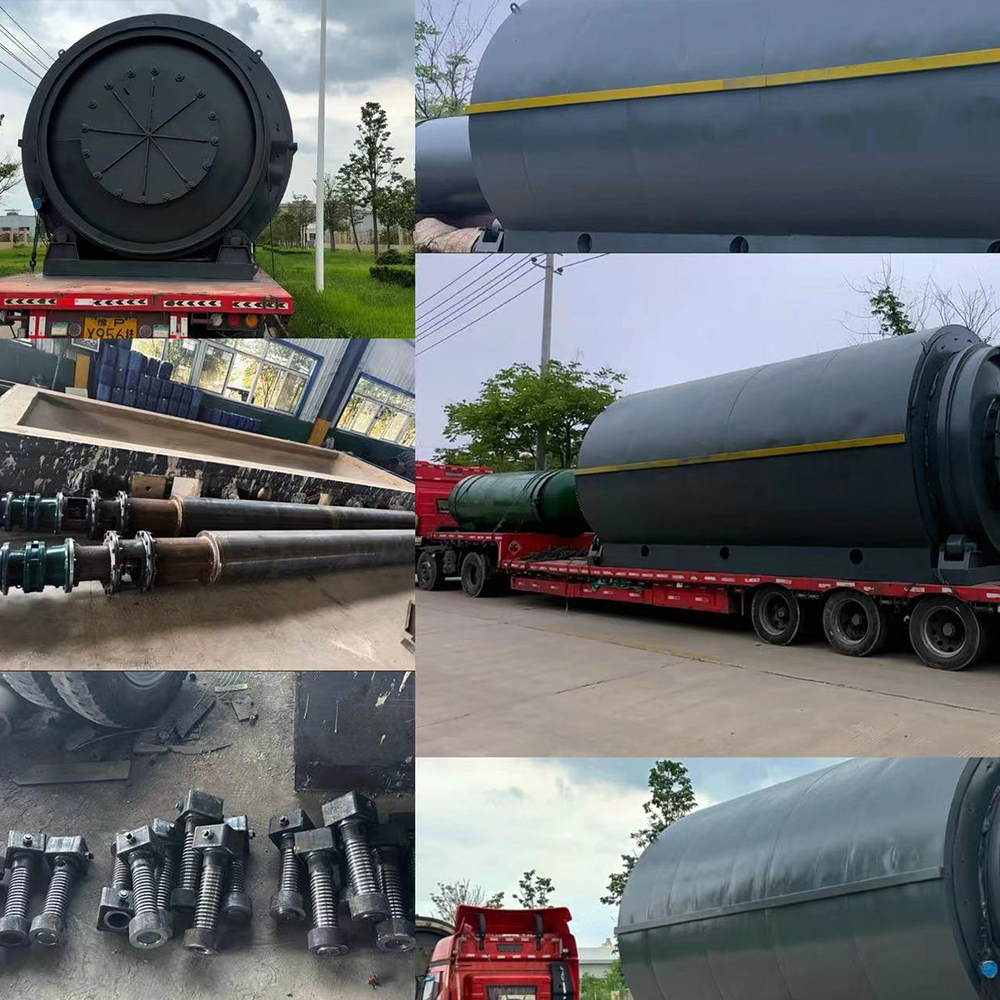
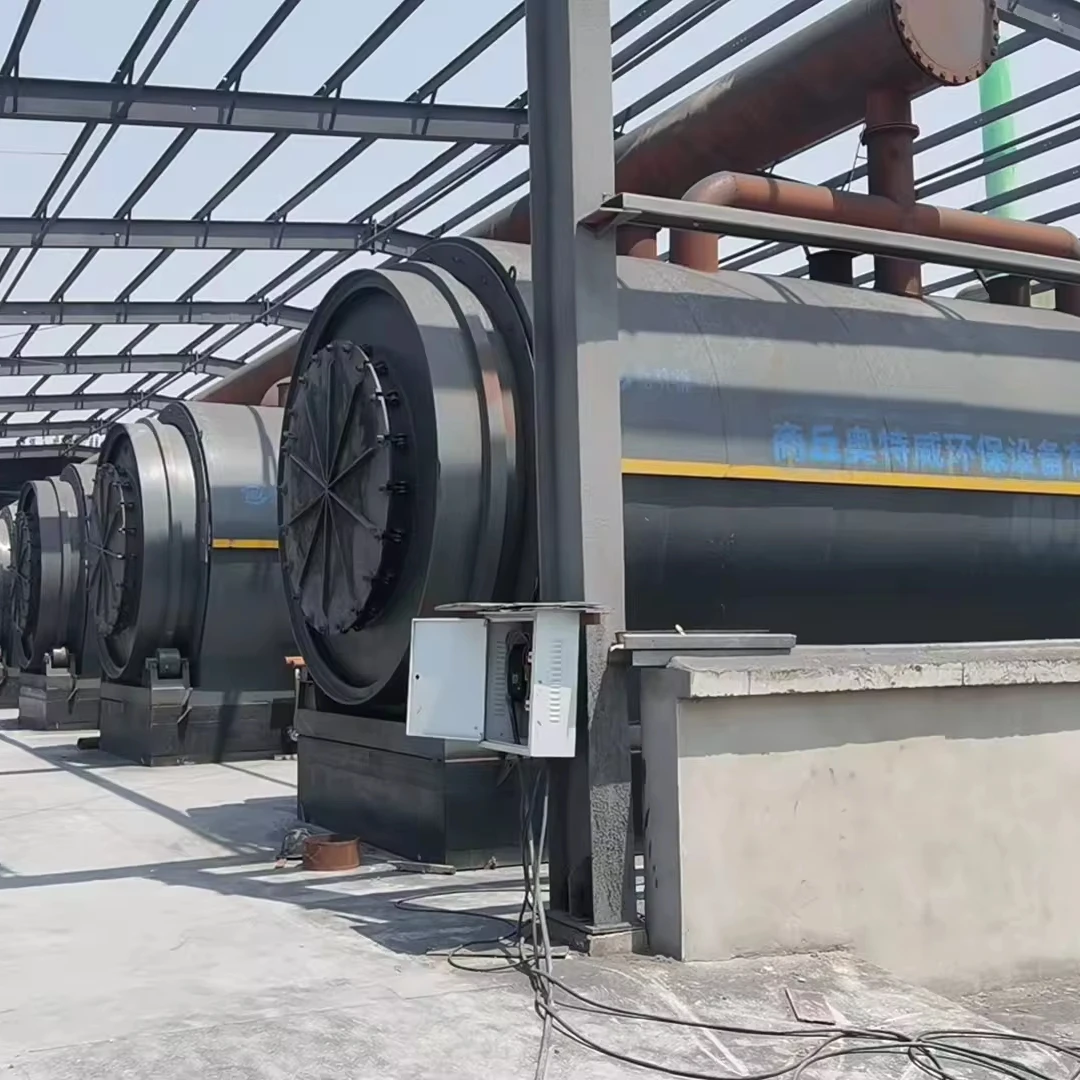
Industrial waste-to-energy projects represent a critical solution for organizations seeking to address mounting waste management challenges while generating valuable energy resources. The integration of pyrolysis machines into these projects has emerged as a transformative approach that enables facilities to convert various waste streams into usable energy products, creating sustainable circular economy models that benefit both environmental and economic objectives.
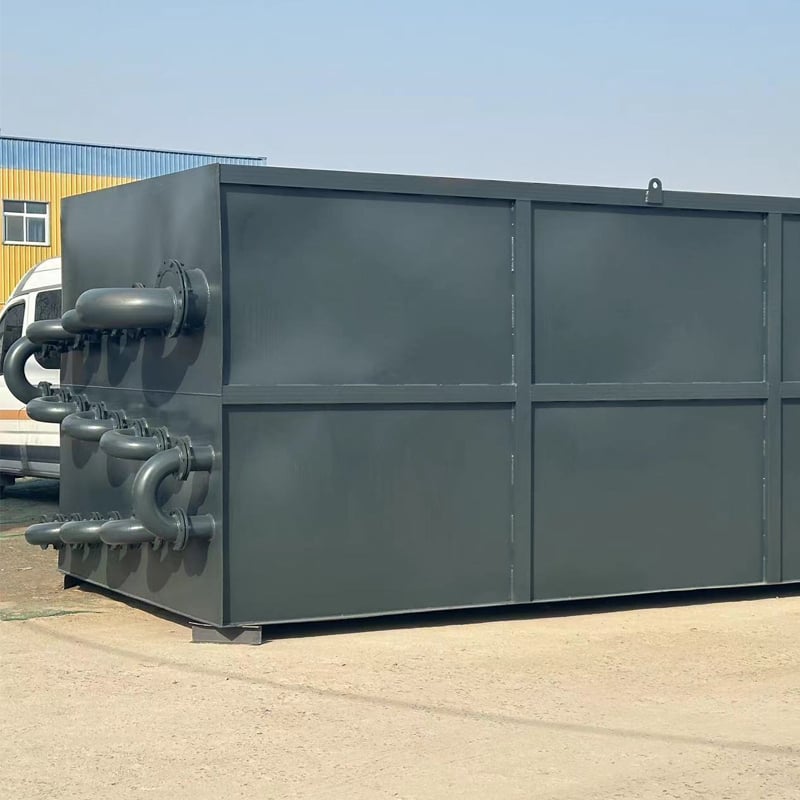
The strategic deployment of pyrolysis machines in industrial waste-to-energy initiatives provides multiple pathways for organizations to transform waste disposal costs into revenue-generating opportunities. These advanced thermal processing systems offer precise control over waste conversion processes, enabling facilities to optimize energy output while minimizing environmental impact through controlled decomposition of organic and synthetic materials.
Fundamental Mechanisms of Pyrolysis in Waste-to-Energy Applications
Thermochemical Conversion Process
Pyrolysis machines operate through carefully controlled thermochemical decomposition that breaks down complex waste materials in oxygen-limited environments. This process typically occurs at temperatures ranging from 400 to 800 degrees Celsius, allowing organic compounds within waste streams to decompose into smaller molecular structures that can be captured as synthetic gas, liquid fuels, and solid char residues.
The controlled atmosphere within pyrolysis machines prevents complete combustion while facilitating molecular breakdown through thermal energy application. This mechanism enables waste-to-energy projects to extract maximum energy value from diverse feedstock materials including plastics, biomass, rubber, and other organic waste components that would otherwise require costly disposal or landfilling.
Advanced pyrolysis machines incorporate sophisticated temperature control systems and atmosphere management technologies that optimize conversion efficiency based on specific waste composition characteristics. These systems automatically adjust processing parameters to ensure consistent energy output while maintaining operational safety standards throughout the conversion cycle.
Energy Product Generation Pathways
The thermal decomposition process within pyrolysis machines generates three primary energy products that support industrial waste-to-energy project objectives. Synthetic gas production typically represents 15-25% of the total output volume, providing immediate fuel value for on-site energy generation or distribution to external energy infrastructure systems.
Liquid fuel production through pyrolysis creates valuable hydrocarbon compounds that can substitute for traditional petroleum-based fuels in various industrial applications. These liquid products often exhibit heating values comparable to conventional fuels while offering reduced sulfur content and improved combustion characteristics that support environmental compliance requirements.
Solid char residue from pyrolysis machines provides additional value streams through carbon black production or soil amendment applications. This solid fraction typically contains concentrated carbon content that can be processed into activated carbon products or utilized as a carbon sequestration mechanism within waste-to-energy project frameworks.
Industrial Integration Strategies for Waste-to-Energy Operations
Feedstock Optimization and Preparation
Successful integration of pyrolysis machines into industrial waste-to-energy projects requires comprehensive feedstock characterization and preparation protocols. Waste streams must be evaluated for moisture content, particle size distribution, and chemical composition to ensure optimal processing conditions within pyrolysis systems.
Pre-processing equipment integration allows waste-to-energy facilities to standardize feedstock characteristics before pyrolysis treatment. Shredding, drying, and sorting systems work in conjunction with pyrolysis machines to create consistent input materials that maximize energy conversion efficiency while minimizing operational disruptions.
Quality control measures throughout the feedstock preparation process ensure that pyrolysis machines receive materials within specified parameters for optimal thermal conversion performance. This systematic approach to waste preparation directly impacts the economic viability and environmental performance of industrial waste-to-energy projects.
Process Integration and Workflow Optimization
Industrial waste-to-energy projects benefit from integrated process design that maximizes synergies between pyrolysis machines and complementary energy recovery systems. Heat integration strategies capture thermal energy from pyrolysis operations to support pre-heating requirements or secondary energy generation processes within the facility.
Automated control systems enable pyrolysis machines to operate continuously within industrial waste-to-energy frameworks, adjusting processing parameters based on real-time feedstock characteristics and energy demand profiles. This automation reduces labor requirements while maintaining consistent energy output that supports facility-wide energy management objectives.
Material handling systems designed for continuous operation allow pyrolysis machines to process waste streams without interrupting other facility operations. Conveyor systems, storage hoppers, and automated feeding mechanisms ensure steady material flow that maximizes equipment utilization and energy production capacity.
Economic Benefits and Revenue Generation Potential
Cost Reduction Through Waste Diversion
Implementation of pyrolysis machines in industrial waste-to-energy projects generates immediate cost savings through reduced waste disposal expenses. Organizations typically experience 60-80% reduction in landfill disposal costs while eliminating transportation expenses associated with off-site waste management services.
Waste diversion through pyrolysis processing creates additional economic value by converting disposal liabilities into revenue-generating resources. The transformation of waste streams into marketable energy products establishes new income streams that offset initial capital investments in pyrolysis machines and supporting infrastructure.
Long-term economic benefits include reduced exposure to waste disposal cost escalation and regulatory changes affecting traditional waste management approaches. Pyrolysis machines provide operational independence that insulates facilities from external waste management market fluctuations while creating predictable energy production costs.
Energy Revenue Streams and Market Applications
Energy products generated by pyrolysis machines create multiple revenue opportunities within industrial waste-to-energy project structures. Synthetic gas production can supply on-site energy needs or be sold to natural gas distribution networks, providing immediate return on processing investments.
Liquid fuel production through pyrolysis offers premium market value due to increasing demand for alternative fuel sources in transportation and industrial heating applications. These products often command prices comparable to conventional fuels while offering environmental advantages that support corporate sustainability objectives.
Carbon-rich solid residues from pyrolysis machines provide additional revenue through specialty carbon product markets or agricultural soil amendment applications. This diversified product portfolio creates stable revenue streams that support the financial viability of industrial waste-to-energy projects over extended operational periods.
Environmental Impact and Sustainability Advantages
Emissions Reduction and Environmental Compliance
Pyrolysis machines contribute significantly to environmental sustainability objectives within industrial waste-to-energy projects through controlled emissions management and reduced greenhouse gas generation. The oxygen-limited processing environment prevents formation of harmful combustion byproducts while maximizing energy recovery from waste materials.
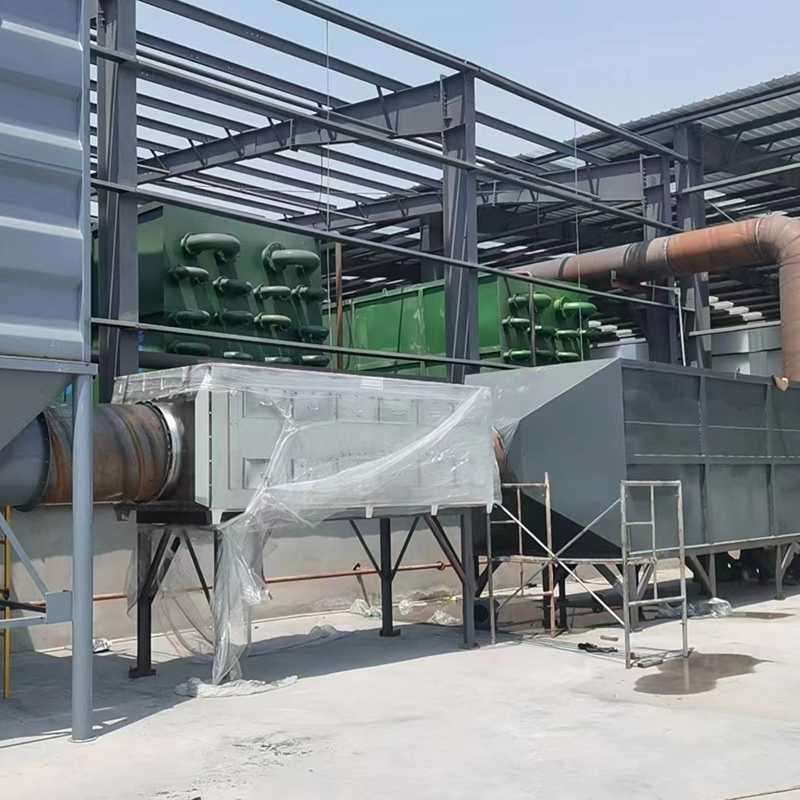
Advanced emission control systems integrated with pyrolysis machines ensure compliance with environmental regulations while maintaining optimal energy conversion performance. These systems capture and treat process gases to minimize atmospheric releases and support facility environmental management objectives.
Carbon footprint reduction through pyrolysis-based waste-to-energy projects creates measurable environmental benefits that support corporate sustainability reporting requirements. Organizations typically achieve 40-60% reduction in waste-related carbon emissions compared to conventional landfill disposal methods.
Circular Economy Implementation
Integration of pyrolysis machines into industrial operations establishes circular economy principles that maximize resource utilization while minimizing waste generation. These systems enable facilities to recover energy value from waste streams that would otherwise represent environmental liabilities requiring external disposal.
Material recovery through pyrolysis processing creates opportunities for internal resource cycling that reduces dependence on external material supplies. Recovered carbon products and energy resources can support facility operations while reducing overall resource consumption and environmental impact.
Sustainable waste management through pyrolysis machines demonstrates corporate environmental responsibility while creating competitive advantages in markets increasingly focused on sustainability performance. This positioning supports brand value enhancement and stakeholder engagement objectives within industrial waste-to-energy project frameworks.
Implementation Considerations and Operational Requirements
Technology Selection and System Design
Successful deployment of pyrolysis machines in industrial waste-to-energy projects requires careful evaluation of technology options based on specific waste stream characteristics and facility energy requirements. Continuous-feed systems offer advantages for high-volume waste processing applications while batch systems provide flexibility for diverse feedstock materials.
Capacity planning for pyrolysis machines must align with waste generation patterns and energy demand profiles to optimize system utilization and economic performance. Oversized equipment results in unnecessary capital costs while undersized systems limit waste processing capability and energy production potential.
Integration requirements include utilities infrastructure, material handling systems, and product storage facilities that support continuous pyrolysis operations within industrial environments. These supporting systems represent significant portions of total project investment and must be designed for long-term operational reliability.
Operational Management and Maintenance Protocols
Effective operation of pyrolysis machines within waste-to-energy projects requires trained personnel capable of managing complex thermal processing systems and associated safety protocols. Staff training programs must address equipment operation, maintenance procedures, and emergency response protocols specific to pyrolysis technology applications.
Preventive maintenance scheduling ensures reliable pyrolysis machine performance while minimizing unplanned downtime that could disrupt waste processing operations. Regular inspection and component replacement protocols extend equipment lifespan while maintaining energy conversion efficiency throughout operational cycles.
Performance monitoring systems provide real-time data on pyrolysis machine efficiency, energy output, and environmental compliance parameters. This information supports operational optimization and demonstrates project performance to stakeholders and regulatory authorities overseeing industrial waste-to-energy initiatives.
FAQ
What types of industrial waste can pyrolysis machines process effectively?
Pyrolysis machines can process a wide range of industrial waste materials including plastics, rubber products, biomass, wood waste, paper sludge, and various organic compounds. The key requirement is that materials contain carbon-based molecules that can be thermally decomposed into useful energy products. Mixed waste streams often work well provided they meet moisture and contamination specifications for optimal processing efficiency.
How much energy can industrial facilities expect to generate from pyrolysis-based waste-to-energy projects?
Energy generation from pyrolysis machines typically yields 20-40% of input waste weight as recoverable energy products, with actual output depending on feedstock composition and system design. A facility processing 10 tons of waste daily might generate 2-4 tons of combined synthetic gas, liquid fuels, and solid char, providing energy equivalent to several thousand kilowatt-hours of electricity or heating value.
What are the typical payback periods for investing in pyrolysis machines for waste-to-energy applications?
Payback periods for pyrolysis machine investments in industrial waste-to-energy projects typically range from 3-7 years, depending on waste disposal cost savings, energy product revenues, and available incentives. Facilities with high waste disposal costs and strong energy markets often achieve shorter payback periods, while projects in areas with low disposal costs may require longer investment recovery timeframes.
Do pyrolysis machines require special permits or regulatory approvals for industrial waste-to-energy projects?
Most jurisdictions require environmental permits for pyrolysis machine installations, particularly for facilities processing significant waste volumes or generating energy products for commercial use. Permitting typically involves air quality assessments, waste handling protocols, and emissions monitoring requirements. Working with experienced environmental consultants during the permitting process helps ensure compliance and expedites project approval timelines.


 Hot News