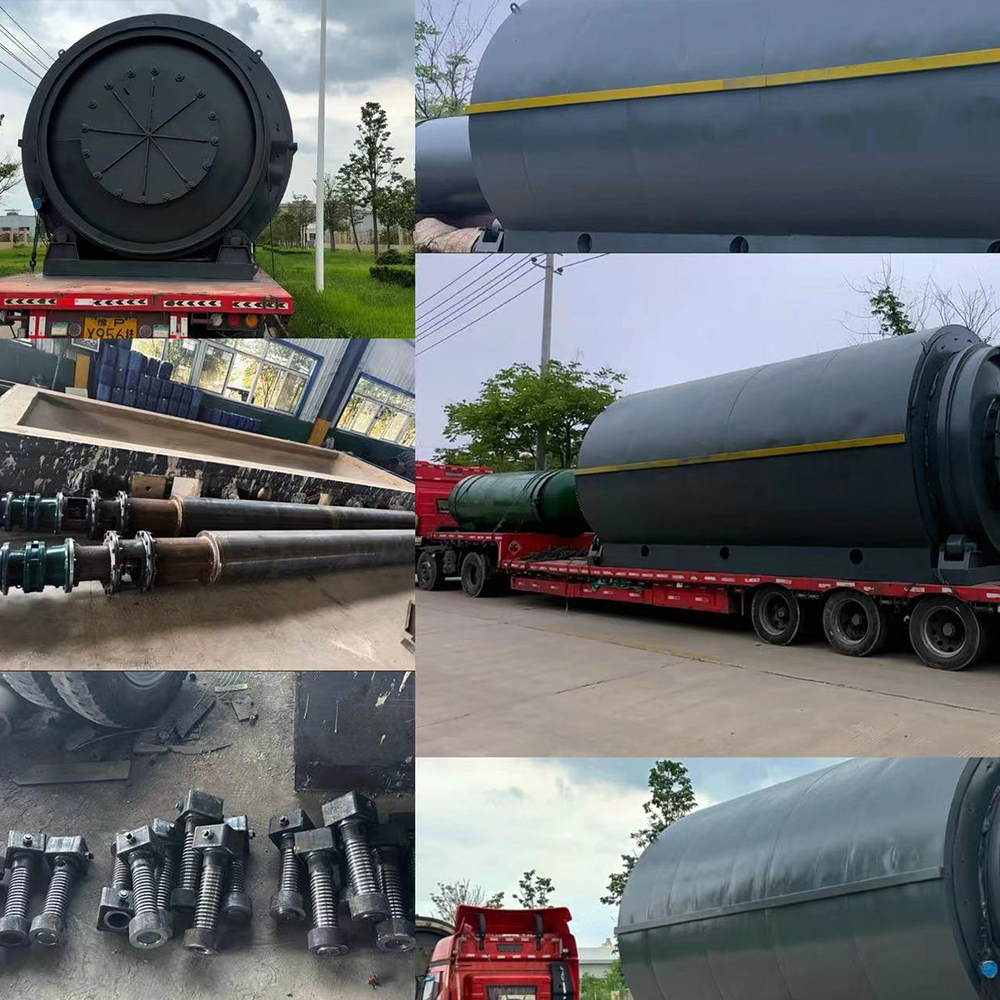
Waste oil refining represents a sophisticated industrial process that transforms contaminated lubricants, engine oils, and hydraulic fluids into valuable fuel products through advanced distillation and purification technologies. This conversion mechanism addresses both environmental concerns and economic opportunities by recovering useful energy content from materials that would otherwise require costly disposal or create pollution hazards.
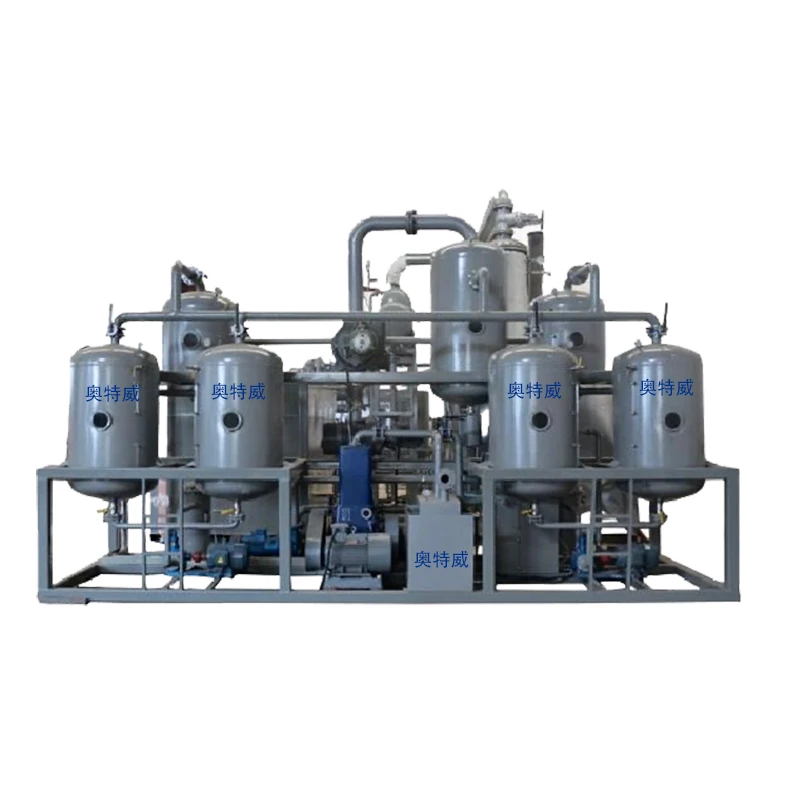
The fundamental principle behind waste oil refining involves breaking down complex hydrocarbon chains within used oil through controlled heating and fractional distillation, allowing operators to separate valuable fuel components from contaminants, additives, and degraded compounds. Understanding this conversion process enables businesses to evaluate the technical feasibility and economic potential of implementing waste oil recovery systems within their operations.
Core Mechanisms of Waste Oil Conversion
Thermal Decomposition Process
Waste oil refining initiates through thermal decomposition, where used oil undergoes controlled heating within specialized reactor vessels designed to break molecular bonds without complete combustion. This pyrolysis process typically occurs at temperatures ranging from 350°C to 450°C, creating conditions that destabilize complex hydrocarbon structures while preserving valuable fuel components.
During thermal decomposition, long-chain hydrocarbons present in degraded lubricants fragment into shorter molecular chains characteristic of diesel fuel, gasoline, and light oils. The controlled temperature environment prevents oxidation reactions that would destroy fuel value while promoting molecular restructuring that enhances combustibility and reduces viscosity.
Advanced waste oil refining systems incorporate precise temperature monitoring and automated heating controls to optimize decomposition rates while minimizing energy consumption. This thermal management approach ensures consistent product quality while maximizing conversion efficiency across different waste oil feedstock compositions.
Fractional Distillation Separation
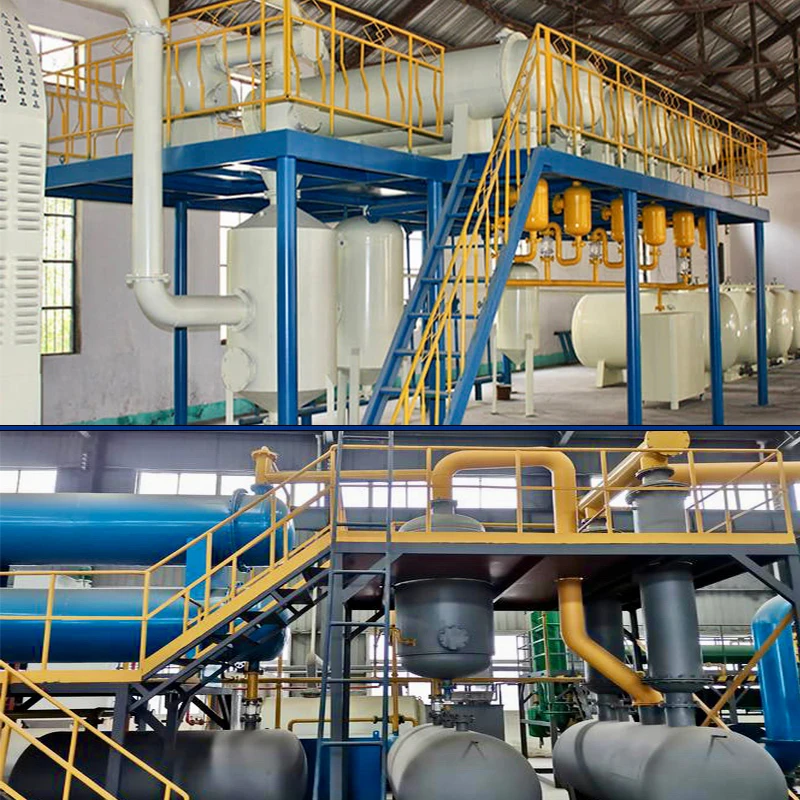
Following thermal decomposition, waste oil refining employs fractional distillation columns to separate vaporized hydrocarbons based on their boiling points and molecular weights. This separation process captures different fuel fractions as they condense at specific temperature zones within the distillation tower.
Light fraction hydrocarbons with boiling points between 40°C and 180°C typically condense as gasoline-like products, while medium fractions condensing between 180°C and 350°C form diesel fuel components. Heavier fractions that remain liquid at higher temperatures can be processed into heating oils or recycled back through the refining system for additional conversion.
Modern waste oil refining equipment features multi-stage distillation capabilities that enable precise separation of fuel components while maintaining high recovery rates. These systems often achieve conversion efficiencies exceeding 85%, transforming the majority of waste oil feedstock into usable fuel products.
Chemical Treatment and Purification Stages
Contaminant Removal Processes
Effective waste oil refining requires comprehensive contaminant removal to eliminate metals, acids, water, and solid particles that interfere with fuel quality and equipment performance. Initial treatment stages often involve settling tanks where heavier contaminants separate through gravitational forces, followed by filtration systems that capture suspended particles.
Chemical treatment processes within waste oil refining systems utilize acid washing and alkaline neutralization to remove oxidation products, sulfur compounds, and acidic contaminants that develop during oil degradation. These chemical treatments restore pH balance while eliminating corrosive substances that could damage engines or fuel system components.
Advanced purification stages may incorporate activated carbon adsorption, which removes color compounds, odors, and trace organic contaminants that affect fuel appearance and storage stability. This multi-stage approach ensures that refined fuel products meet quality standards for various industrial and automotive applications.
Molecular Restructuring Enhancement
Waste oil refining employs catalytic treatment processes that promote molecular restructuring to improve fuel characteristics such as cetane number, flash point, and combustion efficiency. These catalytic systems utilize specialized compounds that facilitate hydrogen transfer reactions, ring opening, and chain branching within hydrocarbon molecules.
Hydrogenation processes within waste oil refining systems saturate unsaturated compounds that contribute to fuel instability and gum formation during storage. This molecular modification enhances fuel shelf life while reducing tendencies toward oxidation and deposit formation in fuel systems.
Temperature and pressure optimization during catalytic treatment stages enables waste oil refining operations to achieve specific fuel specifications while minimizing catalyst consumption and processing time. These controlled conditions ensure consistent product quality across varying feedstock compositions and processing volumes.
Equipment Design and Process Control
Reactor Configuration Systems
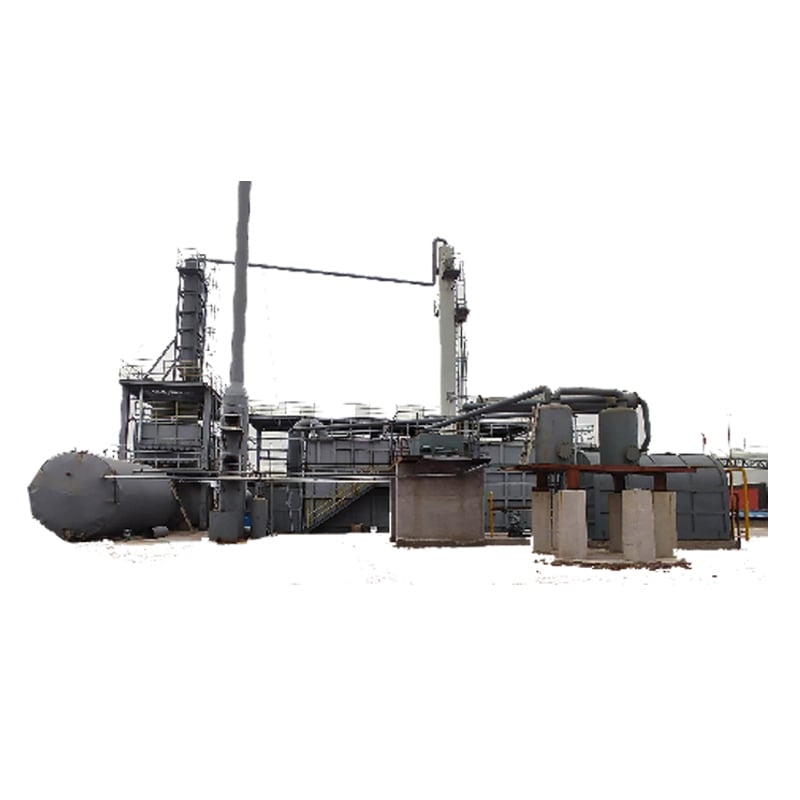
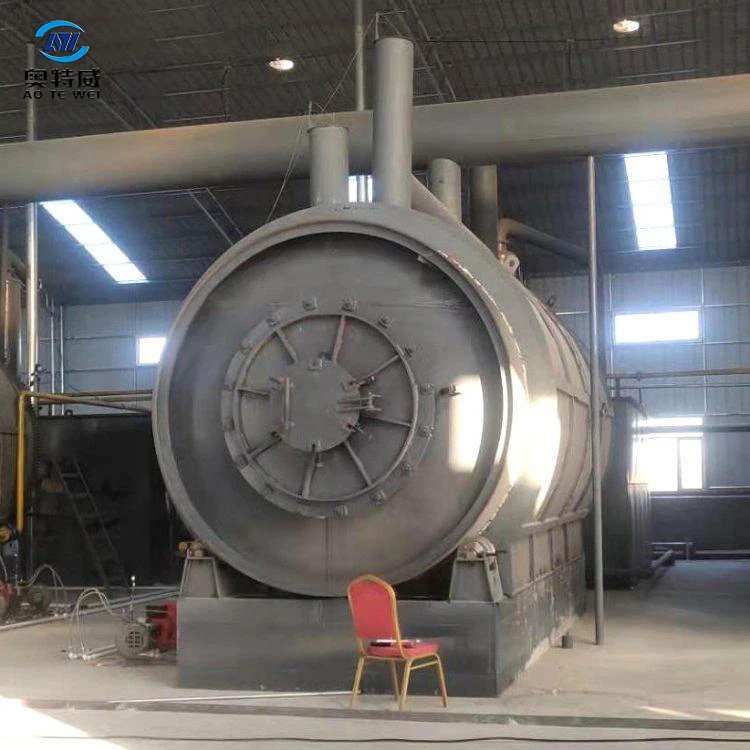
Waste oil refining equipment incorporates specially designed reactor vessels that provide optimal heat transfer, mixing, and vapor management for efficient oil conversion. These reactors feature internal heating elements, circulation systems, and vapor outlets that maintain uniform temperature distribution while preventing hot spots that could cause product degradation.
Modern reactor designs for waste oil refining utilize horizontal or vertical configurations depending on processing capacity and feedstock characteristics. Horizontal reactors offer advantages for continuous processing operations, while vertical designs provide better separation efficiency for batch processing applications.
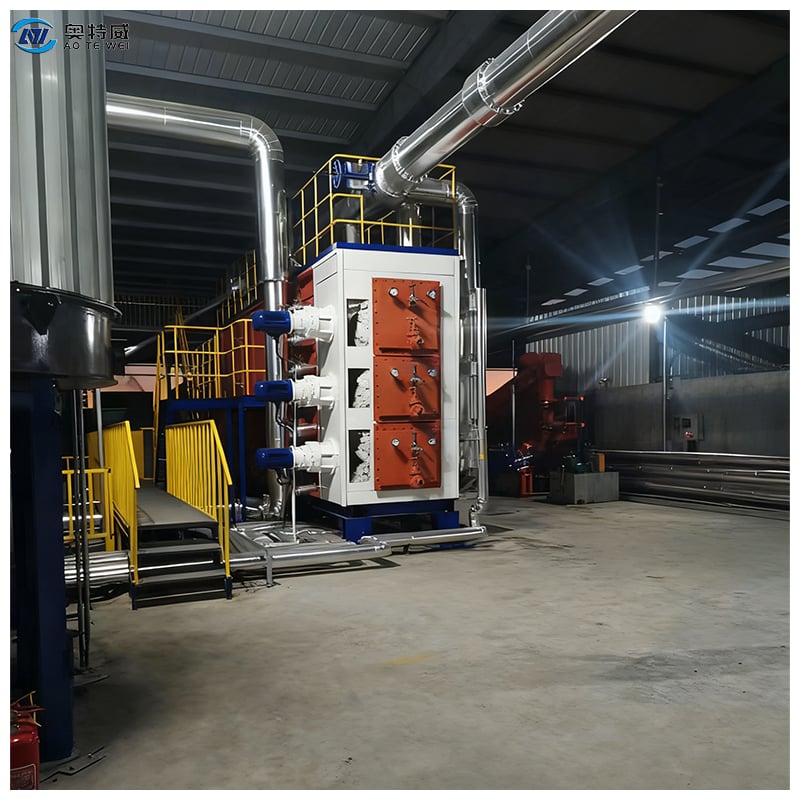
Heat recovery systems integrated within waste oil refining equipment capture thermal energy from hot vapors and product streams, reducing overall energy consumption while improving process economics. These heat exchangers can recover up to 60% of process heat, significantly lowering operating costs.
Automation and Quality Control
Contemporary waste oil refining systems incorporate sophisticated process control technologies that monitor temperature, pressure, flow rates, and product quality parameters throughout the conversion process. These automated systems adjust operating conditions in real-time to maintain optimal conversion efficiency and product specifications.
Quality control instrumentation within waste oil refining operations includes online analyzers that measure fuel properties such as density, viscosity, flash point, and sulfur content. This continuous monitoring enables immediate process adjustments when product quality deviates from target specifications.
Data logging and process optimization software allow waste oil refining operators to track performance trends, identify improvement opportunities, and maintain detailed records for regulatory compliance. These systems enhance operational reliability while supporting continuous improvement initiatives.
Economic and Environmental Impact Assessment
Cost-Benefit Analysis Factors
Waste oil refining operations generate economic value through multiple revenue streams including fuel product sales, waste oil collection fees, and reduced disposal costs. Processing facilities can typically achieve positive cash flow within 18-24 months depending on local fuel prices, feedstock availability, and operating scale.
Operating cost considerations for waste oil refining include energy consumption, chemical reagents, equipment maintenance, and labor requirements. Energy costs typically represent 40-50% of total operating expenses, making heat recovery and process optimization critical for maintaining profitability.
Market dynamics affecting waste oil refining economics include fluctuating crude oil prices, environmental regulations, and competition from alternative waste management approaches. Understanding these factors enables businesses to develop sustainable operating strategies and risk management approaches.
Environmental Benefits and Compliance
Waste oil refining provides significant environmental benefits by preventing improper disposal of used oils that could contaminate soil, groundwater, and surface water resources. Each gallon of properly processed waste oil eliminates potential environmental hazards while recovering valuable energy content.
Regulatory frameworks governing waste oil refining vary by jurisdiction but generally require permits, emissions monitoring, and waste management documentation. Compliance with these regulations ensures operational continuity while supporting environmental protection objectives.
Life cycle analysis studies demonstrate that waste oil refining typically reduces greenhouse gas emissions by 70-80% compared to virgin fuel production when considering collection, processing, and distribution impacts. This environmental advantage supports corporate sustainability goals and regulatory compliance requirements.
FAQ
What types of waste oil can be processed through waste oil refining systems?
Waste oil refining systems can process various types of used oils including engine oils, hydraulic fluids, gear oils, transmission fluids, and industrial lubricants. The key requirement is that the waste oil contains sufficient hydrocarbon content and relatively low levels of water and solid contaminants. Most systems can handle waste oils with up to 5% water content and moderate levels of metal contamination, though pre-treatment may be necessary for heavily contaminated feedstocks.
How much fuel can be recovered from waste oil through the refining process?
Typical waste oil refining operations recover 75-90% of the input waste oil as usable fuel products, with the exact yield depending on feedstock quality, processing technology, and operating conditions. Modern distillation systems often achieve yields of 85% or higher, producing approximately 0.85 gallons of refined fuel from each gallon of waste oil processed. The remaining material consists of water, light gases, and heavy residues that may be used for other applications.
What are the quality specifications for fuel produced through waste oil refining?
Fuel products from waste oil refining typically meet or exceed specifications for heating oil and industrial fuel applications, with properties including flash points above 60°C, sulfur content below 0.5%, and heating values between 42-44 MJ/kg. While these fuels may not always meet automotive diesel specifications without additional treatment, they provide excellent performance for heating systems, industrial boilers, and stationary engine applications. Advanced refining systems can produce fuels that approach diesel fuel quality standards.
What maintenance requirements are associated with waste oil refining equipment?
Waste oil refining equipment requires regular maintenance including distillation column cleaning every 500-1000 operating hours, heat exchanger servicing every 2000 hours, and catalyst replacement every 3000-5000 hours depending on feedstock quality. Daily maintenance tasks include checking heating elements, monitoring seal conditions, and cleaning filters. Preventive maintenance programs typically reduce unplanned downtime by 60-70% while extending equipment lifespan and maintaining optimal conversion efficiency.


 Hot News