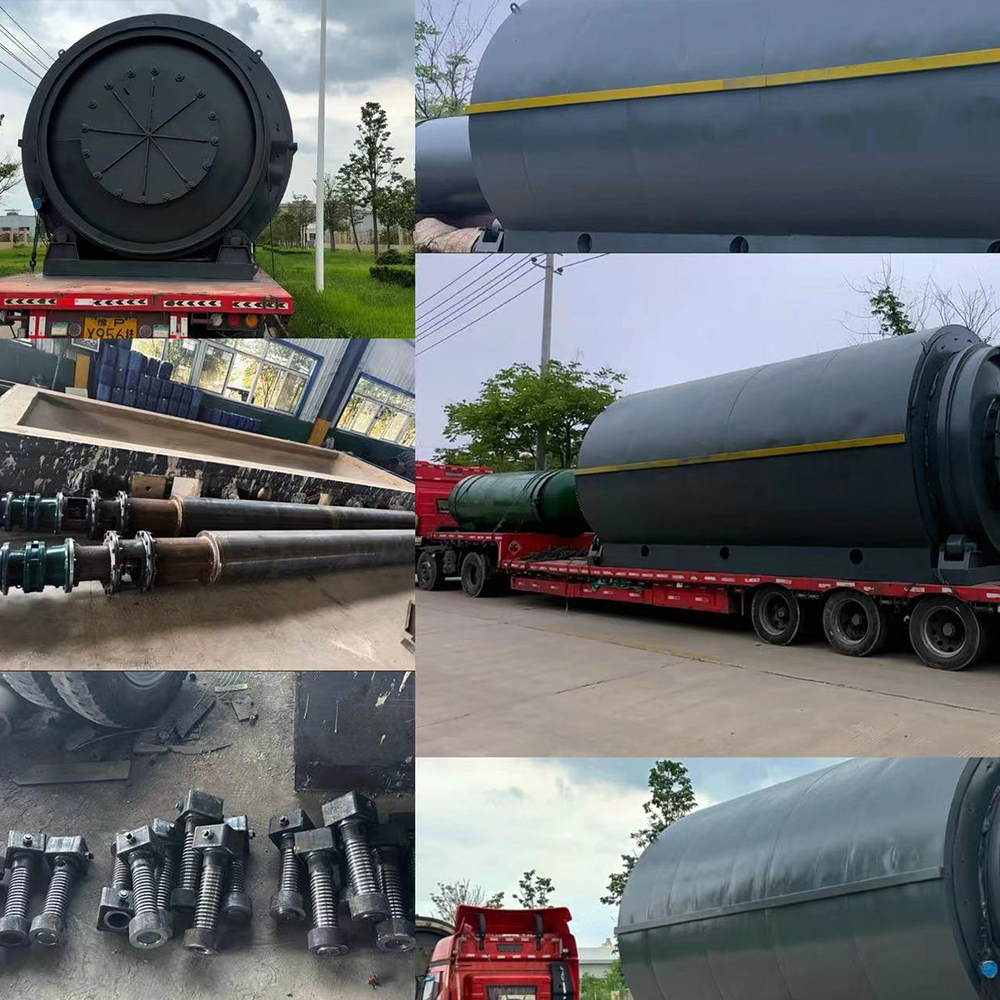
Thermal cracking serves as the fundamental mechanism that transforms complex hydrocarbon chains into lighter, more valuable products within pyrolysis machine plants. This process involves applying controlled heat to break molecular bonds, creating a cascade of chemical reactions that convert waste materials into useful outputs like fuel oil, carbon black, and combustible gases. The stability of output in pyrolysis operations depends entirely on how effectively thermal cracking is managed and controlled throughout the processing cycle.
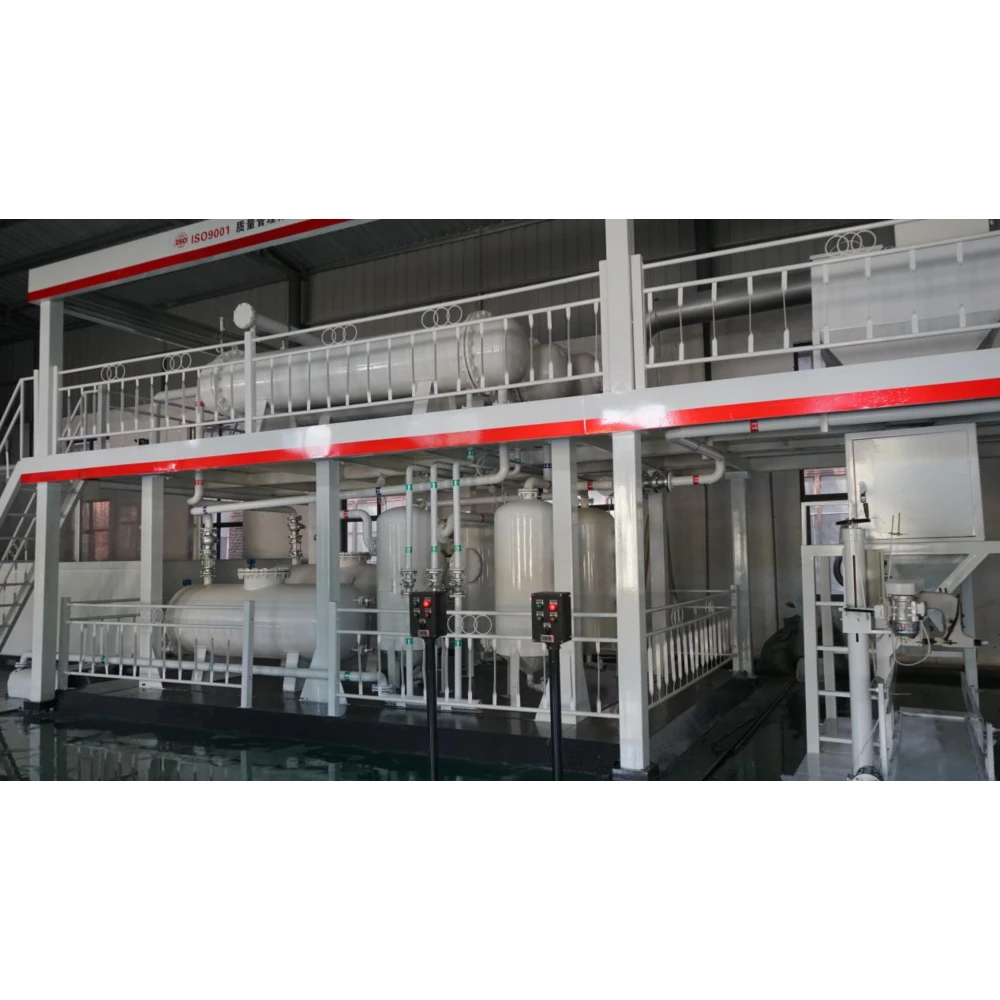
Understanding the relationship between thermal cracking and output stability requires examining the precise temperature control, residence time management, and feedstock preparation that characterize successful pyrolysis operations. When thermal cracking occurs under optimal conditions, it produces consistent product yields and quality specifications that meet industrial standards. The molecular transformation process creates predictable output streams that enable plant operators to maintain steady production rates and product consistency over extended operational periods.
The Molecular Foundation of Thermal Cracking in Pyrolysis Systems
Breaking Down Complex Hydrocarbon Structures
Thermal cracking initiates the decomposition of long-chain hydrocarbons found in waste materials such as used tires, plastic waste, and oil sludge. The process applies temperatures ranging from 400°C to 500°C to weaken carbon-carbon bonds within these complex molecules. This controlled thermal stress causes larger molecules to fragment into smaller, more manageable compounds that can be easily separated and refined into valuable end products.
The molecular breakdown follows predictable pathways that depend on temperature profiles and heating rates within the pyrolysis reactor. When thermal cracking proceeds at steady temperatures, it creates consistent molecular fragmentation patterns that translate directly into stable output compositions. This molecular consistency forms the foundation for reliable product yields and quality specifications that industrial customers require for their operations.
Creating Predictable Chemical Reaction Pathways
Thermal cracking establishes repeatable chemical pathways that convert feedstock materials into desired products through controlled molecular reorganization. The process follows thermodynamic principles that govern bond breaking and formation under specific temperature and pressure conditions. These predictable reaction mechanisms enable plant operators to anticipate product distributions and adjust operating parameters to maintain consistent output characteristics.
The chemical pathways activated by thermal cracking create intermediate compounds that further decompose into final products through secondary reactions. This cascade effect multiplies the importance of maintaining precise thermal conditions throughout the pyrolysis process. When thermal cracking operates within optimal parameters, it generates intermediate compounds that consistently convert into the desired end products, ensuring stable output streams from the pyrolysis plant.
Temperature Control Mechanisms for Output Stabilization
Maintaining Optimal Thermal Cracking Zones
Effective temperature control creates distinct thermal cracking zones within the pyrolysis reactor where different molecular transformations occur at predetermined rates. These zones must maintain specific temperature ranges to ensure that thermal cracking proceeds according to design specifications. The primary cracking zone typically operates at temperatures that maximize the conversion of feedstock into desired products while minimizing unwanted side reactions that could destabilize output quality.
Temperature uniformity across the reactor chamber prevents localized hot spots or cold zones that could disrupt thermal cracking patterns and create output variations. Advanced pyrolysis systems incorporate multiple heating elements and temperature monitoring points to maintain consistent thermal conditions throughout the processing volume. This comprehensive temperature control ensures that thermal cracking occurs uniformly across all feedstock materials, producing stable output compositions that meet quality standards.
Managing Heat Transfer for Consistent Thermal Cracking
Heat transfer efficiency directly impacts the stability of thermal cracking reactions and subsequent output quality in pyrolysis operations. Optimal heat transfer ensures that all feedstock materials experience the same thermal history, creating uniform cracking conditions that produce consistent product yields. The heat transfer system must deliver precise thermal energy to maintain the molecular activation energies required for stable thermal cracking throughout the processing cycle.
Controlled heat transfer rates prevent thermal shock that could cause irregular cracking patterns and output fluctuations. The gradual application of thermal energy allows molecular bonds to break in a controlled sequence, maintaining the orderly progression of thermal cracking reactions. This measured approach to heat application creates stable operating conditions that translate into predictable output characteristics and consistent product quality from batch to batch.
Residence Time Optimization for Stable Product Formation
Balancing Reaction Completion and Product Quality
Residence time control determines how long feedstock materials remain exposed to thermal cracking conditions within the pyrolysis reactor. Optimal residence times ensure complete molecular decomposition while preventing over-cracking that could reduce product quality or create unwanted byproducts. The balance between sufficient reaction time and excessive thermal exposure directly affects output stability and product yield consistency.
Thermal cracking reactions require adequate time to reach completion, but extended exposure to high temperatures can cause secondary reactions that alter product distributions. Precise residence time management maintains thermal cracking within the optimal reaction window where desired products form at maximum rates. This controlled exposure period creates predictable conversion rates that enable stable output production over extended operational periods.
Coordinating Flow Rates with Thermal Cracking Kinetics
Feedstock flow rates must align with thermal cracking kinetics to maintain consistent product formation throughout the pyrolysis process. Proper flow control ensures that all materials receive adequate thermal treatment while preventing reactor overloading that could compromise cracking efficiency. The coordination between material throughput and thermal cracking rates creates stable processing conditions that produce uniform output quality.
Flow rate optimization maintains the proper material-to-energy ratio required for effective thermal cracking throughout the reactor volume. When flow rates match the capacity of thermal cracking systems, the process operates at peak efficiency with minimal output variations. This operational harmony between material flow and thermal processing creates the stable conditions necessary for consistent product yields and quality specifications that meet industrial requirements.
Process Integration for Enhanced Output Stability
Coordinating Thermal Cracking with Product Separation
Effective integration of thermal cracking with downstream separation systems ensures that products formed during pyrolysis maintain their quality and stability throughout the recovery process. The separation system must operate in synchronization with thermal cracking rates to prevent product degradation or contamination that could affect output stability. Proper coordination between these process stages maintains product integrity from formation through final collection.
Product separation timing must align with thermal cracking completion to capture products at their optimal quality state. Premature separation can result in incomplete conversion, while delayed separation may allow secondary reactions that alter product characteristics. The integration of thermal cracking with separation systems creates a seamless process flow that preserves product stability and maintains consistent output quality throughout plant operations.
Monitoring and Control Systems for Thermal Cracking Optimization
Advanced monitoring systems track thermal cracking progress and adjust operating parameters in real-time to maintain stable output conditions. These systems monitor temperature profiles, pressure conditions, and product formation rates to ensure that thermal cracking proceeds according to design specifications. Real-time adjustments prevent process deviations that could compromise output stability or product quality.
Control systems integrate thermal cracking data with overall plant operations to optimize performance and maintain consistent output characteristics. Automated controls respond to process variations by adjusting heating rates, residence times, and separation parameters to keep thermal cracking within optimal operating ranges. This integrated approach to process control ensures that thermal cracking contributes to stable, high-quality output production throughout extended operational campaigns.
Industrial Applications and Performance Benefits
Waste-to-Energy Conversion Efficiency
Thermal cracking enables efficient conversion of various waste materials into valuable energy products through controlled molecular decomposition processes. The technology transforms waste tires, plastics, and oil sludge into fuel oils, gases, and solid carbon products that serve industrial energy needs. This conversion efficiency depends on maintaining optimal thermal cracking conditions that maximize product yields while ensuring output stability across different feedstock types.
The energy conversion process relies on thermal cracking to break down complex waste molecules into simpler compounds that can be easily refined and utilized. Consistent thermal cracking performance ensures that energy conversion rates remain stable regardless of feedstock variations or operational changes. This reliability makes pyrolysis plants valuable assets for industrial waste management and energy production applications.
Economic Benefits of Stable Output Production
Stable output production through optimized thermal cracking creates significant economic advantages for pyrolysis plant operations. Consistent product quality and yields enable reliable revenue streams and reduce operational uncertainties that affect profitability. The predictable output characteristics facilitated by effective thermal cracking allow plant operators to establish long-term supply contracts with industrial customers who require consistent product specifications.
Economic performance improves when thermal cracking maintains steady conversion rates and product quality standards throughout extended operational periods. Reduced output variations minimize product reprocessing costs and eliminate quality-related customer issues that can affect business relationships. The financial benefits of stable thermal cracking performance extend throughout the entire value chain, from feedstock procurement through final product delivery.
FAQ
What temperature range is optimal for thermal cracking in pyrolysis plants?
Optimal thermal cracking temperatures typically range from 400°C to 500°C, depending on the specific feedstock materials and desired product outputs. This temperature range provides sufficient energy to break molecular bonds while avoiding excessive cracking that could reduce product quality. Maintaining consistent temperatures within this range ensures stable thermal cracking performance and predictable output characteristics throughout plant operations.
How does thermal cracking affect the quality of pyrolysis products?
Thermal cracking directly determines product quality by controlling the molecular structure and composition of output streams from pyrolysis operations. Proper thermal cracking creates products with consistent chemical properties, appropriate molecular weight distributions, and minimal impurities. When thermal cracking operates under optimal conditions, it produces high-quality fuel oils, clean gases, and valuable carbon products that meet industrial specifications and customer requirements.
Can thermal cracking efficiency be improved in existing pyrolysis plants?
Thermal cracking efficiency can be enhanced through improved temperature control systems, optimized reactor design, and better heat transfer mechanisms. Upgrading monitoring systems and implementing advanced process controls can improve thermal cracking performance and output stability. These improvements often result in higher product yields, better quality consistency, and reduced operational costs while maintaining or enhancing overall plant performance.
What factors can disrupt thermal cracking stability in pyrolysis operations?
Temperature fluctuations, inconsistent feedstock quality, improper residence times, and inadequate heat transfer can all disrupt thermal cracking stability. Equipment malfunctions, contaminated feedstock, and suboptimal operating parameters can cause variations in thermal cracking performance that affect output quality and consistency. Regular maintenance, quality control procedures, and proper operational training help prevent these disruptions and maintain stable thermal cracking performance throughout plant operations.


 Hot News