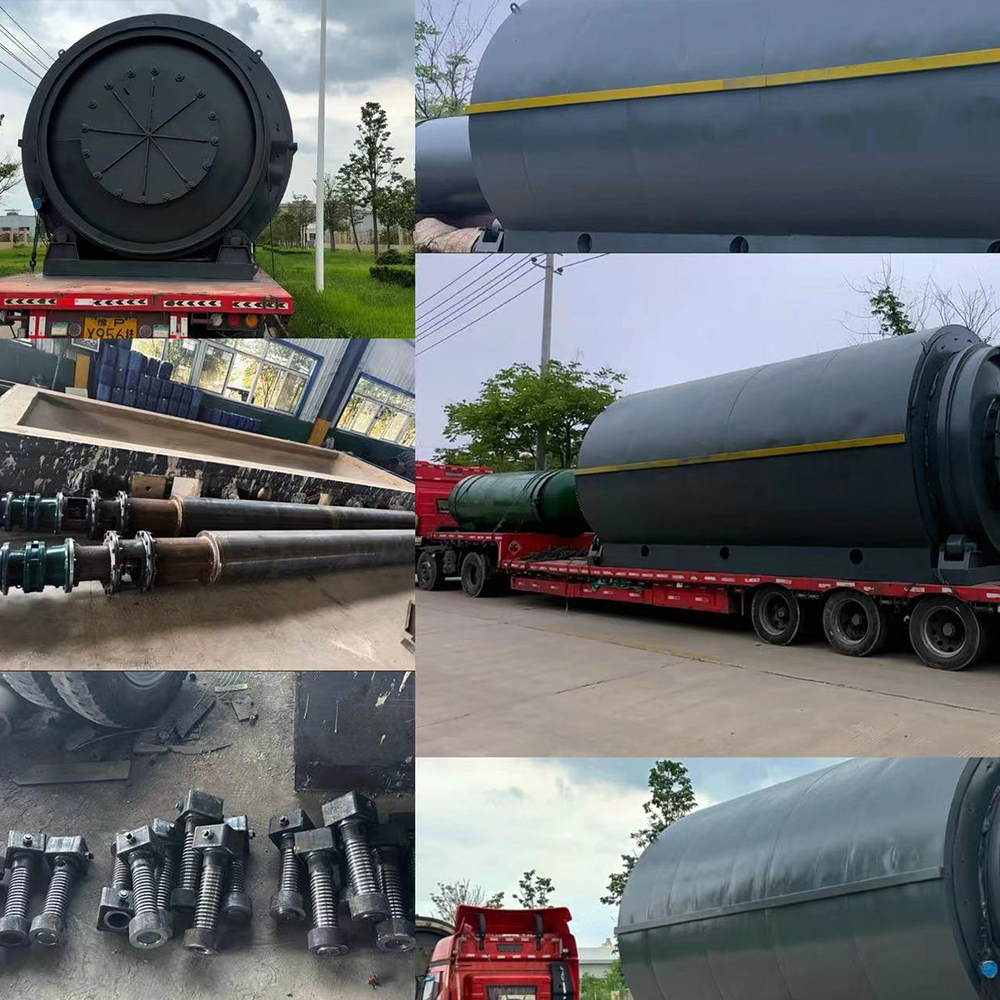
Modern tire disposal streams contain numerous contaminants that pose significant challenges for recycling operations. A pyrolysis machine represents one of the most effective solutions for processing contaminated tire waste, transforming complex waste streams into valuable end products through controlled thermal decomposition. Understanding how these sophisticated systems handle various contaminants is crucial for industries seeking sustainable waste management solutions and resource recovery opportunities.
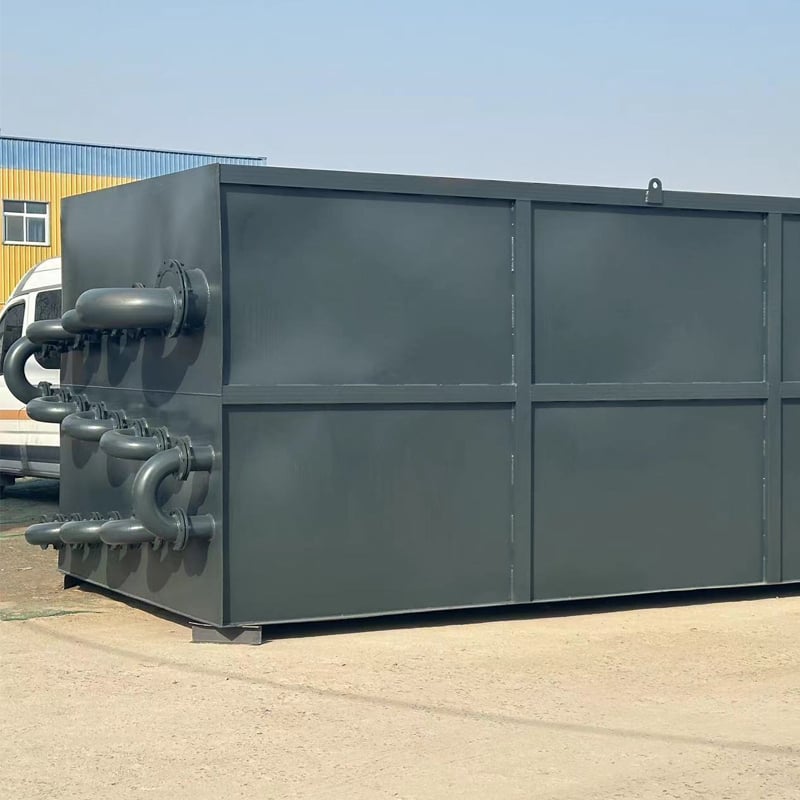
The complexity of tire waste streams requires advanced processing capabilities that can accommodate multiple contaminant types simultaneously. Metal components, textile fibers, and chemical residues present unique processing challenges that traditional recycling methods often cannot address effectively. A well-designed pyrolysis machine incorporates multiple contamination management strategies, ensuring consistent output quality while maximizing resource recovery from heterogeneous input materials.
Understanding Tire Waste Composition and Contaminant Types
Primary Contaminants in Tire Disposal Streams
Tire disposal streams typically contain steel belting, textile reinforcement materials, and various chemical compounds that accumulated during tire manufacturing and use. These contaminants require specific handling protocols to prevent equipment damage and ensure product quality. Steel components represent the most significant physical contaminants, comprising approximately fifteen to twenty percent of tire weight in passenger vehicle tires and up to thirty percent in commercial truck tires.
Textile materials including polyester, nylon, and rayon fibers create processing challenges due to their different thermal decomposition characteristics compared to rubber compounds. Chemical contaminants such as road salt residues, petroleum products, and brake dust accumulate on tire surfaces throughout their service life. A modern pyrolysis machine must accommodate these diverse contaminant types while maintaining operational efficiency and product quality standards.
Secondary Contamination Sources
Beyond primary tire components, disposal streams often contain external contaminants introduced during collection, transportation, and storage processes. Soil particles, vegetation matter, and other debris can significantly impact processing efficiency if not properly addressed. Water contamination from outdoor storage represents another critical factor that affects thermal processing parameters and energy requirements.
Industrial tire disposal streams may contain specialized contaminants such as metal particles from mining operations or chemical residues from specific applications. Understanding these contamination patterns enables operators to optimize their pyrolysis machine configuration and processing parameters for maximum efficiency and output quality. Proper contamination assessment protocols ensure consistent processing results across varying input material conditions.
Physical Contamination Management Systems
Steel Separation and Recovery Mechanisms
Effective steel separation represents a crucial component of tire pyrolysis operations, as metal contaminants can damage processing equipment and reduce product quality. Most advanced pyrolysis machine designs incorporate magnetic separation systems that remove ferrous metals before and after the thermal processing stage. Pre-processing magnetic separators capture loose steel components and wire fragments, preventing damage to feeding mechanisms and reactor components.
Post-processing steel recovery systems extract remaining metal components from the char residue, enabling complete material recovery and preventing contamination of carbon black products. These systems typically achieve steel recovery rates exceeding ninety-five percent, ensuring minimal material loss while protecting downstream equipment. The recovered steel maintains its metallurgical properties and can be sold directly to steel recycling operations, creating additional revenue streams for processing facilities.
Particle Size Control and Debris Removal
Maintaining consistent particle size distribution throughout the processing stream requires sophisticated screening and sizing equipment integrated with the primary pyrolysis machine. Oversized materials and irregular debris can disrupt thermal processing uniformity, leading to incomplete decomposition and reduced product quality. Multi-stage screening systems ensure optimal material sizing while removing non-processable contaminants.
Specialized debris removal systems utilize air classification and density separation techniques to eliminate lightweight contaminants such as paper labels, plastic tags, and organic matter. These systems operate continuously during material preparation, maintaining consistent feed quality and preventing contamination of the thermal processing environment. Proper particle size control also improves heat transfer efficiency, reducing energy consumption and processing time requirements.
Chemical Contamination Treatment Approaches
Volatile Compound Management
Chemical contaminants in tire waste streams require specialized treatment approaches to prevent environmental emissions and ensure regulatory compliance. A sophisticated pyrolysis machine incorporates multi-stage gas treatment systems that capture and process volatile organic compounds released during thermal decomposition. These systems typically include condensation, scrubbing, and thermal oxidation components that ensure complete contaminant destruction.
Advanced emission control systems monitor gas composition continuously, adjusting treatment parameters to maintain optimal removal efficiency across varying contamination levels. Catalytic treatment stages can convert harmful compounds into less toxic substances, while activated carbon adsorption systems capture trace contaminants that might otherwise escape to the atmosphere. These comprehensive treatment approaches ensure environmental compliance while maximizing resource recovery from contaminated input streams.
Heavy Metal and Inorganic Contamination Control
Heavy metals and inorganic contaminants require specific management protocols to prevent accumulation in end products and maintain quality specifications. Lead compounds from wheel weights, zinc from tire manufacturing processes, and cadmium from various sources can concentrate in char products if not properly managed. Advanced pyrolysis systems incorporate temperature control and residence time optimization to minimize heavy metal incorporation into valuable end products.
Specialized washing and treatment systems can reduce inorganic contamination levels in recovered materials, ensuring compliance with quality specifications for various end-use applications. Regular monitoring and testing protocols verify contamination levels throughout the processing stream, enabling operators to adjust treatment parameters as needed. These quality control measures ensure consistent product specifications while maximizing the value of recovered materials.
Thermal Processing Parameter Optimization
Temperature Profile Management for Contaminated Feeds
Processing contaminated tire waste streams requires careful optimization of thermal parameters to ensure complete decomposition while minimizing equipment stress and energy consumption. Different contaminant types respond to varying temperature profiles, necessitating flexible control systems that can adjust processing conditions based on feed composition analysis. A well-designed pyrolysis machine incorporates multiple heating zones with independent temperature control, enabling optimal processing of heterogeneous input materials.
Temperature ramping strategies must account for the thermal decomposition characteristics of various contaminants while maintaining rubber processing efficiency. Slower heating rates may be necessary for heavily contaminated feeds to ensure complete volatile removal and prevent thermal shock to equipment components. Advanced control systems monitor multiple temperature points throughout the reactor, automatically adjusting heating profiles to maintain optimal processing conditions regardless of contamination variations.
Residence Time and Heat Transfer Considerations
Contaminated tire feeds often require extended residence times to ensure complete thermal processing and contaminant removal. The presence of metal components can create heat transfer variations that affect processing uniformity, necessitating careful reactor design and material handling strategies. Proper mixing and agitation systems ensure consistent heat distribution throughout the material bed, preventing hot spots and incomplete processing zones.
Heat transfer enhancement techniques such as improved reactor geometry, optimized material flow patterns, and enhanced heating element design can compensate for the thermal effects of contamination. These design improvements enable consistent processing performance while maintaining energy efficiency standards. Regular monitoring of processing parameters ensures optimal performance across varying contamination levels and feed compositions.
Product Quality Assurance and Contamination Testing
End Product Monitoring and Quality Control
Maintaining consistent product quality when processing contaminated tire streams requires comprehensive testing and quality assurance protocols. Each major product stream including pyrolysis oil, carbon black, and steel requires specific testing procedures to verify contamination levels and ensure compliance with customer specifications. Advanced analytical equipment enables rapid testing of key quality parameters, allowing for real-time process adjustments when necessary.
Quality control laboratories typically monitor parameters such as ash content, sulfur levels, heavy metal concentrations, and volatile matter content across all product streams. These testing protocols ensure that contamination removal systems perform effectively and that end products meet required specifications. Regular calibration and validation of testing equipment maintain measurement accuracy and reliability throughout processing operations.
Contamination Traceability and Process Documentation
Effective contamination management requires detailed documentation of input material characteristics, processing parameters, and output quality measurements. Comprehensive record-keeping systems enable operators to identify contamination sources, track processing efficiency, and optimize system performance over time. Digital data collection systems can automatically record critical parameters, reducing manual documentation requirements while improving data accuracy and accessibility.
Traceability systems enable rapid identification of processing issues related to specific contamination types or sources, facilitating targeted corrective actions. Historical data analysis reveals contamination trends and processing optimization opportunities, supporting continuous improvement initiatives. These documentation systems also support regulatory compliance requirements and customer quality assurance programs.
Economic Considerations and Contamination Impact
Processing Cost Analysis for Contaminated Streams
The economic viability of processing contaminated tire streams depends on balancing additional processing costs against recovered material values. Contamination removal systems require capital investment and ongoing operational expenses that must be offset by improved product quality and recovery rates. A comprehensive economic analysis considers equipment costs, energy consumption, labor requirements, and maintenance expenses associated with contamination management systems.
Revenue optimization strategies focus on maximizing the value of recovered materials while minimizing processing costs through efficient contamination removal. Steel recovery systems often provide immediate economic benefits due to the high value of recovered metal components. Carbon black quality improvements resulting from effective contamination removal can significantly increase product value, particularly for applications requiring high-purity materials.
Market Applications and Quality Requirements
Different end-use applications have varying contamination tolerance levels that directly impact product pricing and market accessibility. High-value applications such as new tire manufacturing or specialty carbon black products require extremely low contamination levels, while industrial applications may accept higher contamination levels at reduced pricing. Understanding these market requirements enables operators to optimize their contamination removal systems for specific product applications and pricing strategies.
Market diversification strategies can improve economic performance by developing multiple product grades with different quality specifications and contamination tolerance levels. This approach maximizes material utilization while accommodating varying customer requirements and market conditions. Regular market analysis ensures that processing parameters align with current demand patterns and quality specifications across different application segments.
FAQ
What types of contaminants commonly affect tire pyrolysis operations
Tire pyrolysis operations encounter various contaminants including steel belting and wire components, textile reinforcement materials, chemical residues from tire manufacturing, road salt accumulation, petroleum products, brake dust, soil particles, vegetation matter, and water contamination from storage conditions. Each contaminant type requires specific handling and removal strategies to maintain processing efficiency and product quality.
How do contamination levels affect pyrolysis machine performance and efficiency
High contamination levels can reduce processing efficiency by interfering with heat transfer, increasing energy consumption, extending processing times, and potentially damaging equipment components. Effective contamination management systems maintain consistent performance by removing problematic materials before and during processing, enabling optimal thermal conditions and protecting equipment integrity throughout operations.
What quality control measures ensure consistent product specifications from contaminated tire feeds
Quality control measures include comprehensive input material analysis, real-time monitoring of processing parameters, continuous product testing throughout production cycles, advanced analytical equipment for rapid quality verification, detailed documentation systems for traceability, and regular calibration of testing equipment. These measures ensure consistent product quality regardless of input contamination variations.
How cost-effective is processing heavily contaminated tire waste compared to clean tire feeds
Processing heavily contaminated tire waste typically involves higher operational costs due to additional contamination removal requirements, extended processing times, and more intensive quality control measures. However, the economic viability depends on factors such as feed material costs, recovered material values, processing efficiency optimization, and market demand for different product quality grades. Proper system design and operation can maintain profitability even with contaminated feeds.


 Hot News