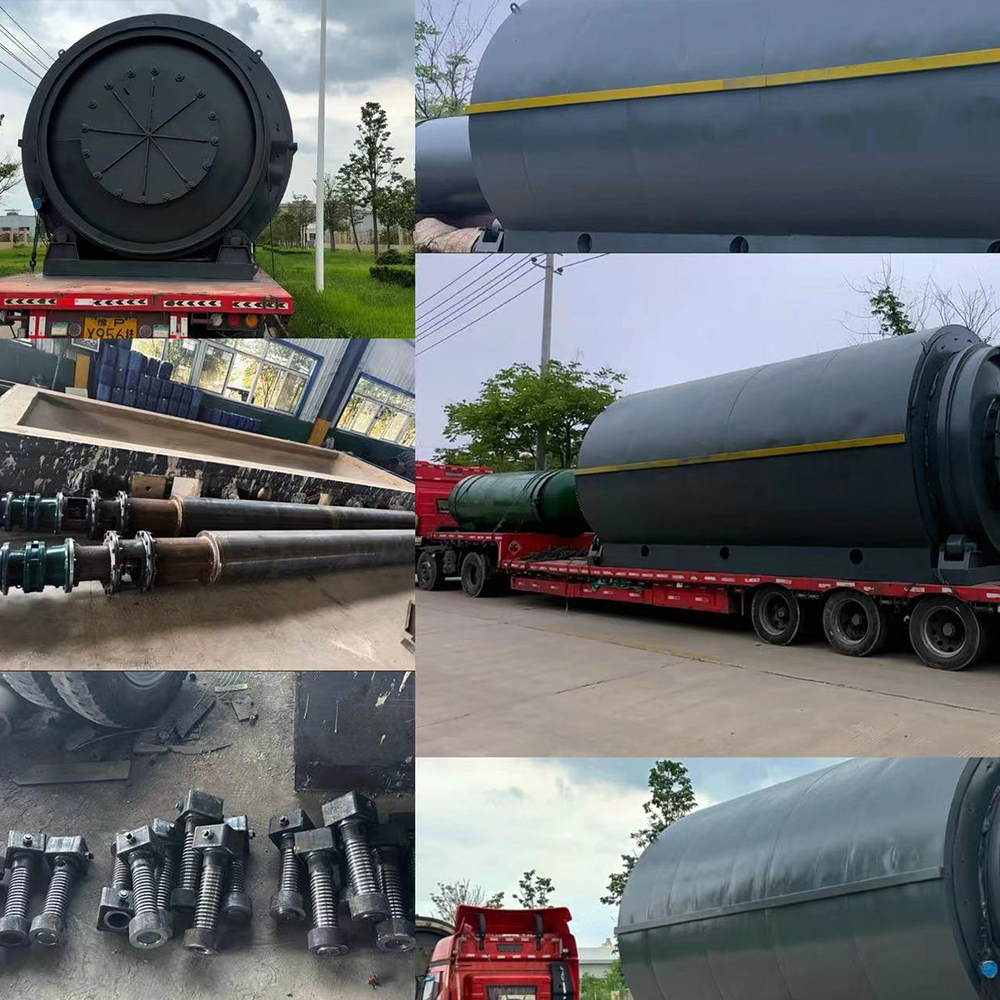
Industrial waste management has reached a critical juncture where traditional disposal methods are no longer sustainable or economically viable. The mounting pressure from environmental regulations, coupled with the escalating costs of landfilling, has prompted industrial operators to seek innovative alternatives for tire disposal. Among the emerging technologies, pyrolysis reactors have gained significant traction as a superior solution that transforms waste tires into valuable resources while addressing environmental concerns comprehensively.
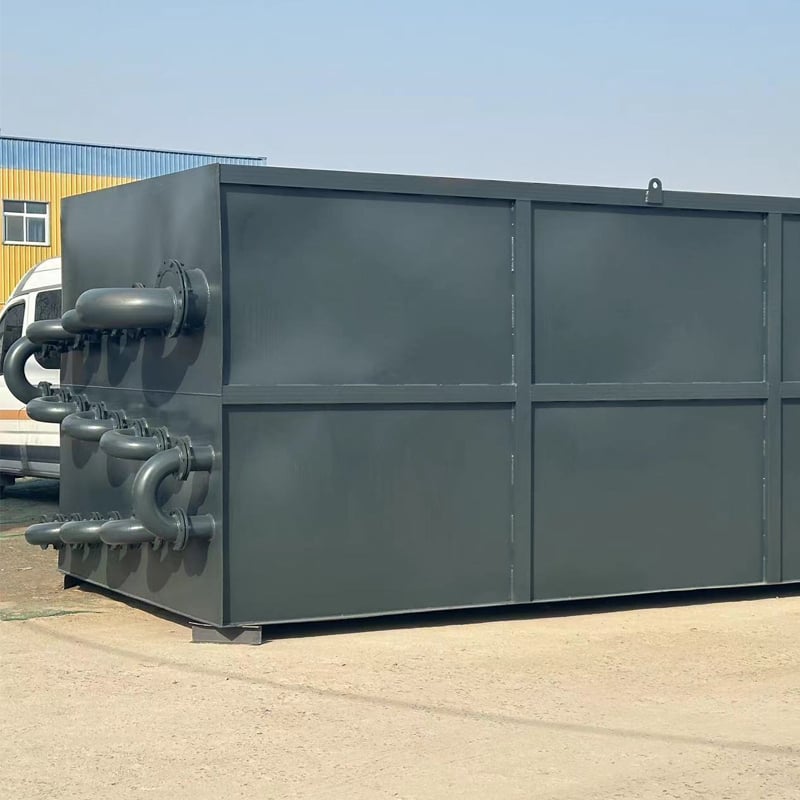
Environmental Impact and Regulatory Compliance
Landfill Limitations and Environmental Hazards
Traditional tire disposal through landfilling presents numerous environmental challenges that have become increasingly problematic for industrial operators. Whole tires in landfills create void spaces that compromise structural integrity, leading to settlement issues and potential methane gas accumulation. The non-biodegradable nature of rubber compounds means these materials persist in landfills for decades, contributing to long-term environmental degradation. Additionally, tire stockpiles pose fire risks that can burn for months, releasing toxic compounds into the atmosphere and groundwater systems.
Regulatory frameworks across multiple jurisdictions have implemented stringent restrictions on tire landfilling, with many regions completely banning whole tire disposal in municipal landfills. These regulations force industrial operators to seek alternative disposal methods or face substantial penalties and compliance issues. The environmental liability associated with landfilling operations extends far beyond initial disposal costs, creating ongoing financial obligations that can impact operational sustainability.
Pyrolysis Technology Environmental Benefits
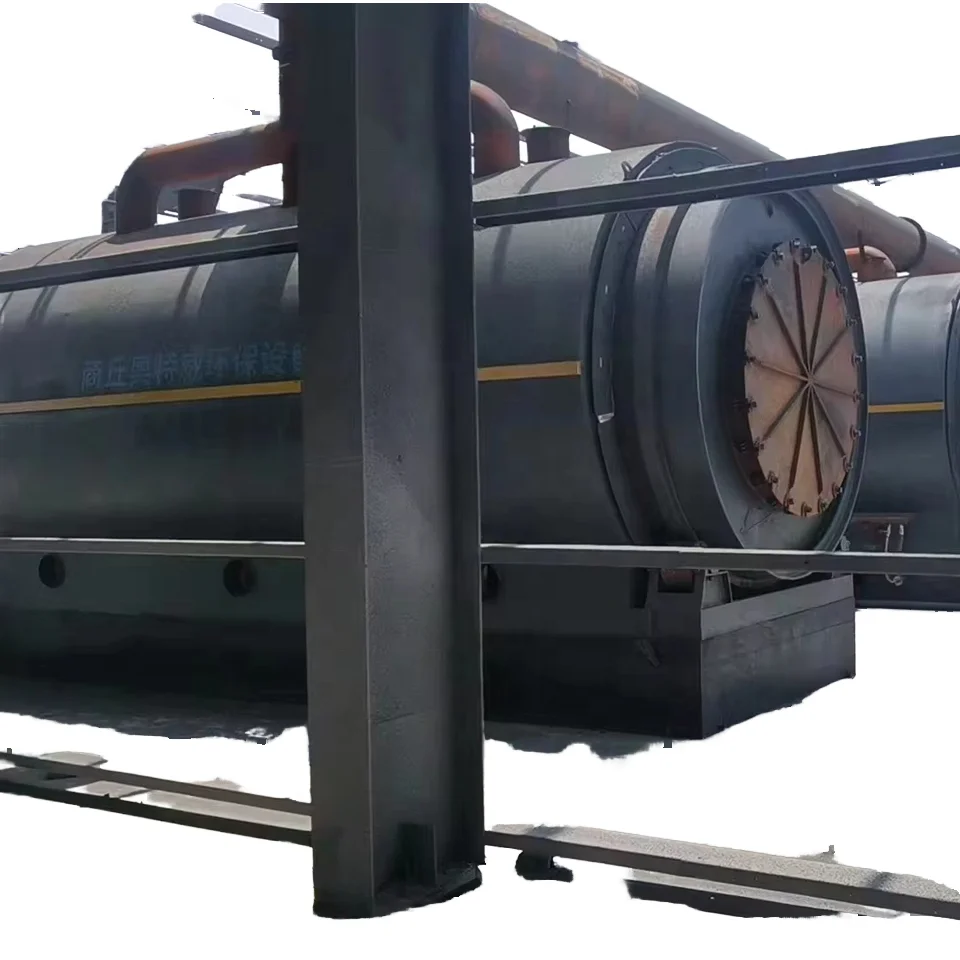
Pyrolysis reactors offer a dramatically different environmental profile compared to traditional landfilling approaches. The thermal decomposition process occurs in an oxygen-controlled environment, preventing the formation of harmful dioxins and furans typically associated with incineration methods. This controlled processing environment ensures that tire materials are completely transformed into useful products without generating persistent organic pollutants or contributing to air quality degradation.
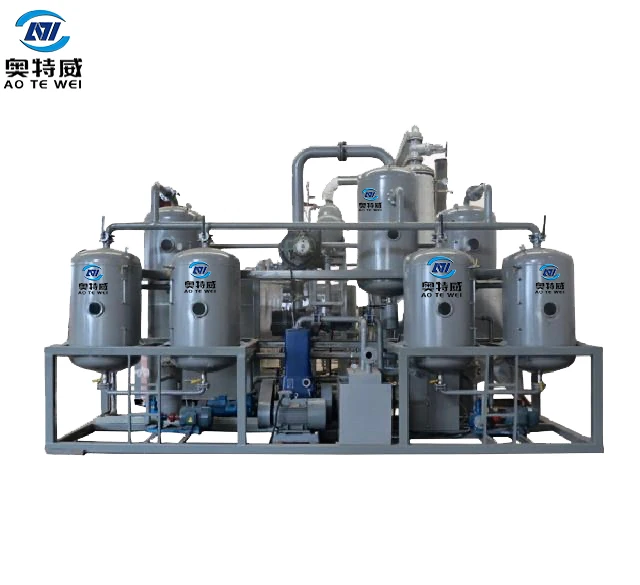
The closed-loop nature of modern pyrolysis reactors eliminates fugitive emissions and contains all process byproducts within the system. Advanced emission control systems integrated into these reactors ensure compliance with stringent environmental standards while maintaining operational efficiency. The technology effectively addresses the circular economy principles by converting waste materials into valuable resources, reducing the overall environmental footprint of tire disposal operations.
Economic Advantages and Resource Recovery
Cost Analysis of Disposal Methods
The economic landscape of tire disposal has shifted dramatically in favor of pyrolysis reactors when considering long-term operational costs and revenue generation potential. Traditional landfilling involves tipping fees, transportation costs, and ongoing environmental monitoring expenses that accumulate over time without generating any return on investment. These costs continue to escalate as landfill capacity decreases and regulatory requirements become more stringent, creating an unsustainable economic model for industrial operators.
Pyrolysis reactors transform the economic equation by converting disposal costs into revenue streams through the production of marketable commodities. The initial capital investment in pyrolysis technology is typically recovered within 2-3 years through the sale of recovered products and avoided disposal fees. This economic advantage becomes more pronounced as energy prices increase and the demand for sustainable fuel alternatives grows in industrial markets.
Revenue Generation Through Product Recovery
The product portfolio generated by pyrolysis reactors creates multiple revenue streams that significantly enhance the economic viability of tire processing operations. Pyrolytic oil, the primary liquid product, serves as an excellent fuel substitute for industrial boilers, furnaces, and power generation systems. This high-calorific-value fuel oil commands competitive market prices and provides industrial operators with either direct revenue or significant cost savings when used in their own operations.
Carbon black recovery represents another substantial revenue opportunity, as this material serves as a valuable reinforcing agent in rubber production and other industrial applications. The steel wire recovered during the pyrolysis process maintains its metallurgical properties and commands scrap metal prices in recycling markets. Syngas production provides additional energy value that can be utilized for process heating or power generation, further enhancing the overall economic efficiency of the operation.
Operational Efficiency and Technology Advantages
Process Control and Automation
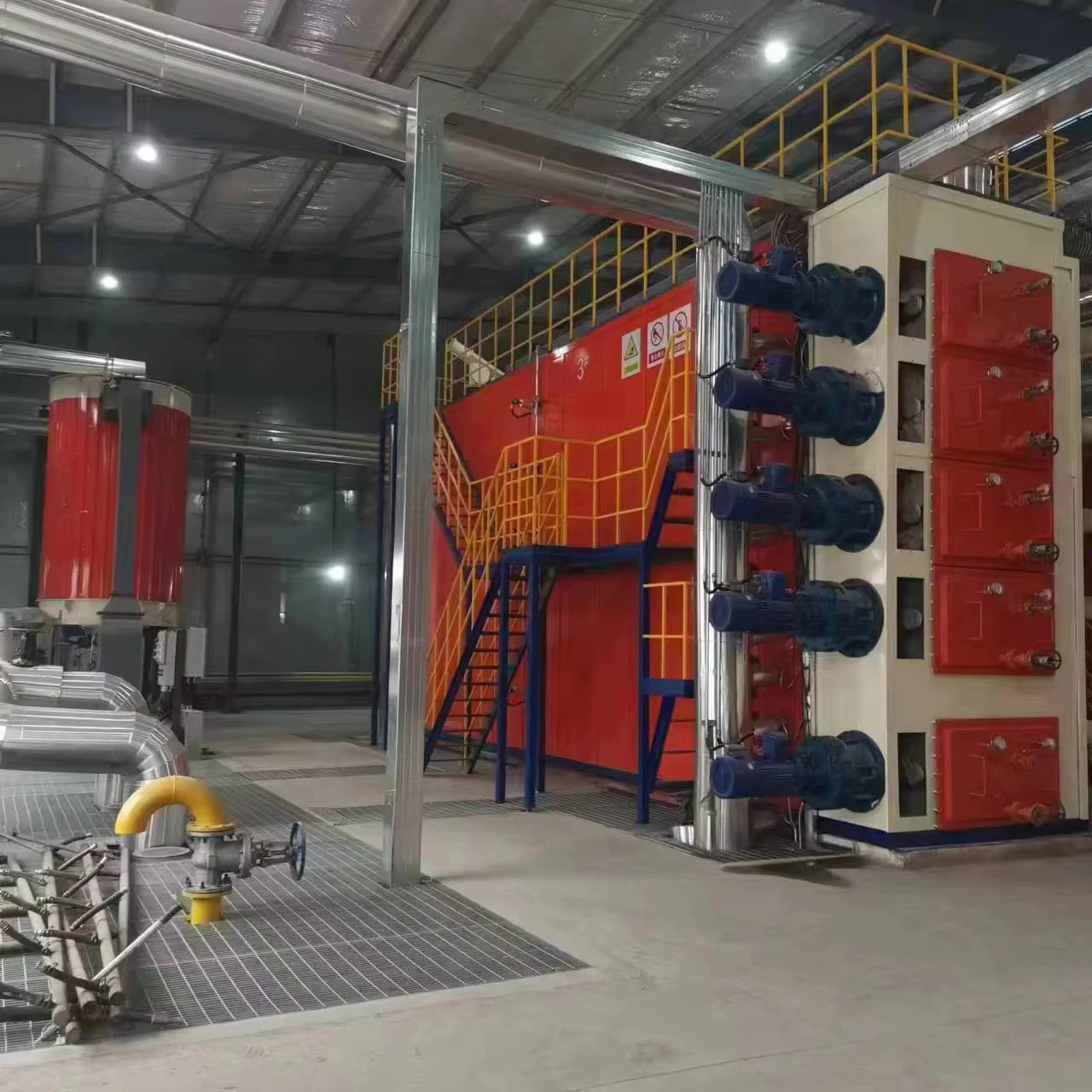
Modern pyrolysis reactors incorporate advanced process control systems that enable precise temperature management, residence time optimization, and automated feed handling capabilities. These technological improvements significantly reduce labor requirements while maintaining consistent product quality and maximizing resource recovery efficiency. The automated systems monitor critical process parameters continuously, making real-time adjustments to optimize performance and prevent operational disruptions.
The continuous operation capability of industrial-scale pyrolysis reactors provides substantial advantages over batch processing systems traditionally used in waste management. This operational model enables higher throughput capacity, reduced downtime, and improved economies of scale that make large-volume tire processing economically attractive. Integration with existing industrial infrastructure is typically straightforward, allowing operators to incorporate pyrolysis technology into their existing waste management workflows efficiently.
Scalability and Flexibility
Pyrolysis reactors offer exceptional scalability that allows industrial operators to match processing capacity with their specific waste generation patterns and market opportunities. Modular system designs enable capacity expansion through the addition of parallel processing units, providing flexibility to accommodate changing business requirements without significant infrastructure modifications. This scalability advantage is particularly valuable for growing operations or facilities with variable waste generation patterns.
The technology demonstrates remarkable flexibility in feedstock processing, accommodating various tire sizes, compositions, and contamination levels that would be problematic for traditional disposal methods. Advanced pyrolysis reactors can process passenger vehicle tires, commercial truck tires, and specialized industrial tires within the same system, maximizing operational efficiency and reducing the complexity of waste segregation requirements.
Market Demand and Future Sustainability
Growing Demand for Sustainable Solutions
The industrial market demonstrates increasing preference for sustainable waste management solutions that align with corporate environmental responsibility objectives and stakeholder expectations. Pyrolysis reactors enable companies to demonstrate tangible environmental stewardship while generating positive economic returns, creating a compelling business case for technology adoption. This alignment between environmental objectives and financial performance has accelerated the adoption of pyrolysis technology across multiple industrial sectors.
Consumer awareness and regulatory pressure continue to drive demand for products manufactured using sustainable processes and recycled materials. Industries utilizing recovered materials from pyrolysis reactors benefit from enhanced sustainability credentials that support marketing initiatives and regulatory compliance objectives. The circular economy principles embodied by pyrolysis technology resonate strongly with modern business practices and long-term sustainability planning.
Technology Evolution and Innovation
Continuous technological advancement in pyrolysis reactor design has resulted in improved efficiency, reduced operating costs, and enhanced product quality that makes the technology increasingly attractive for industrial applications. Research and development efforts focus on optimizing catalyst systems, improving heat transfer efficiency, and developing advanced product separation techniques that maximize resource recovery rates.
Innovation in reactor materials and construction methods has significantly improved system reliability and reduced maintenance requirements, addressing previous concerns about operational complexity and downtime. Modern pyrolysis reactors incorporate predictive maintenance systems and remote monitoring capabilities that minimize unexpected shutdowns and optimize maintenance scheduling. These technological improvements continue to enhance the competitive advantages of pyrolysis reactors compared to traditional disposal methods.
Implementation Considerations and Best Practices
Site Selection and Infrastructure Requirements
Successful implementation of pyrolysis reactors requires careful consideration of site-specific factors including zoning compliance, utility availability, and transportation logistics for both feedstock delivery and product distribution. Industrial sites with existing waste processing infrastructure often provide optimal conditions for pyrolysis reactor installation, leveraging existing utilities and regulatory approvals. The relatively compact footprint of modern pyrolysis reactors compared to landfill operations enables installation in urban industrial areas where land availability is limited.
Proximity to tire generation sources and product markets significantly influences the economic viability of pyrolysis operations, making location analysis a critical component of project development. Transportation costs for both feedstock and products can represent a substantial portion of operational expenses, emphasizing the importance of strategic site selection. Integration with existing industrial complexes that can utilize recovered products directly provides additional economic advantages and reduces transportation requirements.
Regulatory Compliance and Permitting
The regulatory landscape for pyrolysis reactors has evolved to become more favorable as authorities recognize the environmental benefits and resource recovery advantages of the technology. Permitting processes typically focus on air emissions control, waste handling procedures, and product quality standards rather than the complex long-term monitoring requirements associated with landfill operations. This streamlined regulatory approach reduces both compliance costs and implementation timelines for industrial operators.
Working with experienced technology providers who understand regulatory requirements and can provide comprehensive support during the permitting process significantly reduces implementation risks and accelerates project development. Many pyrolysis reactor manufacturers offer turnkey solutions that include regulatory compliance support, operator training, and ongoing technical assistance to ensure successful project implementation and long-term operational success.
FAQ
What are the main products recovered from tire pyrolysis reactors
Tire pyrolysis reactors typically recover four main products: pyrolytic oil (35-45% by weight), carbon black (30-35%), steel wire (10-15%), and syngas (15-20%). The pyrolytic oil serves as an industrial fuel with heating value comparable to diesel fuel. Carbon black can be used in rubber manufacturing or as a reinforcing agent. Steel wire maintains its metallurgical properties for scrap metal recycling. Syngas provides additional energy for process heating or power generation, making pyrolysis reactors highly efficient resource recovery systems.
How do pyrolysis reactors compare to incineration for tire disposal
Pyrolysis reactors operate in oxygen-starved environments that prevent the formation of harmful dioxins and furans commonly produced during incineration processes. While incineration destroys tire materials completely, pyrolysis reactors recover valuable products that generate revenue streams. The controlled thermal decomposition in pyrolysis reactors produces cleaner emissions and eliminates the need for expensive flue gas treatment systems required in incineration facilities. Additionally, pyrolysis reactors provide better energy efficiency by capturing and utilizing process heat for continuous operation.
What maintenance requirements do industrial pyrolysis reactors have
Modern pyrolysis reactors require routine maintenance including periodic cleaning of heat exchange surfaces, inspection of sealing systems, and replacement of wear components such as conveyor parts and feeding mechanisms. Typical maintenance intervals range from monthly inspections to annual major overhauls depending on operating conditions and throughput levels. Advanced monitoring systems provide predictive maintenance capabilities that minimize unexpected downtime. Most manufacturers provide comprehensive maintenance support including spare parts availability, technical training, and remote diagnostic services to ensure optimal system performance.
How long does it take to recover the investment in pyrolysis reactor technology
Investment recovery periods for pyrolysis reactors typically range from 2-4 years depending on feedstock availability, product market conditions, and operational scale. Higher capacity systems generally achieve faster payback periods due to improved economies of scale and reduced unit operating costs. Revenue from product sales, avoided disposal fees, and potential government incentives for sustainable waste management contribute to accelerated investment recovery. The economic performance continues to improve as energy prices increase and environmental regulations make traditional disposal methods more expensive.



 Hot News