Understanding Modern Waste-to-Oil Conversion Technologies
In an era where sustainable waste management and renewable energy solutions are paramount, pyrolysis equipment stands at the forefront of innovative recycling technology. This advanced machinery transforms various waste materials into valuable oil products through a sophisticated thermal decomposition process. The growing environmental concerns and the need for efficient waste management systems have led to significant advancements in pyrolysis equipment design and capabilities.
Modern pyrolysis equipment incorporates cutting-edge features that maximize conversion efficiency while minimizing environmental impact. These systems process materials ranging from plastic waste and rubber tires to biomass, converting them into useful oil products that can serve as alternative fuel sources. The technology's ability to handle multiple waste streams while producing valuable end products has made it increasingly attractive to both waste management facilities and energy production companies.
Core Components of Advanced Pyrolysis Systems
Reactor Chamber Design and Functionality
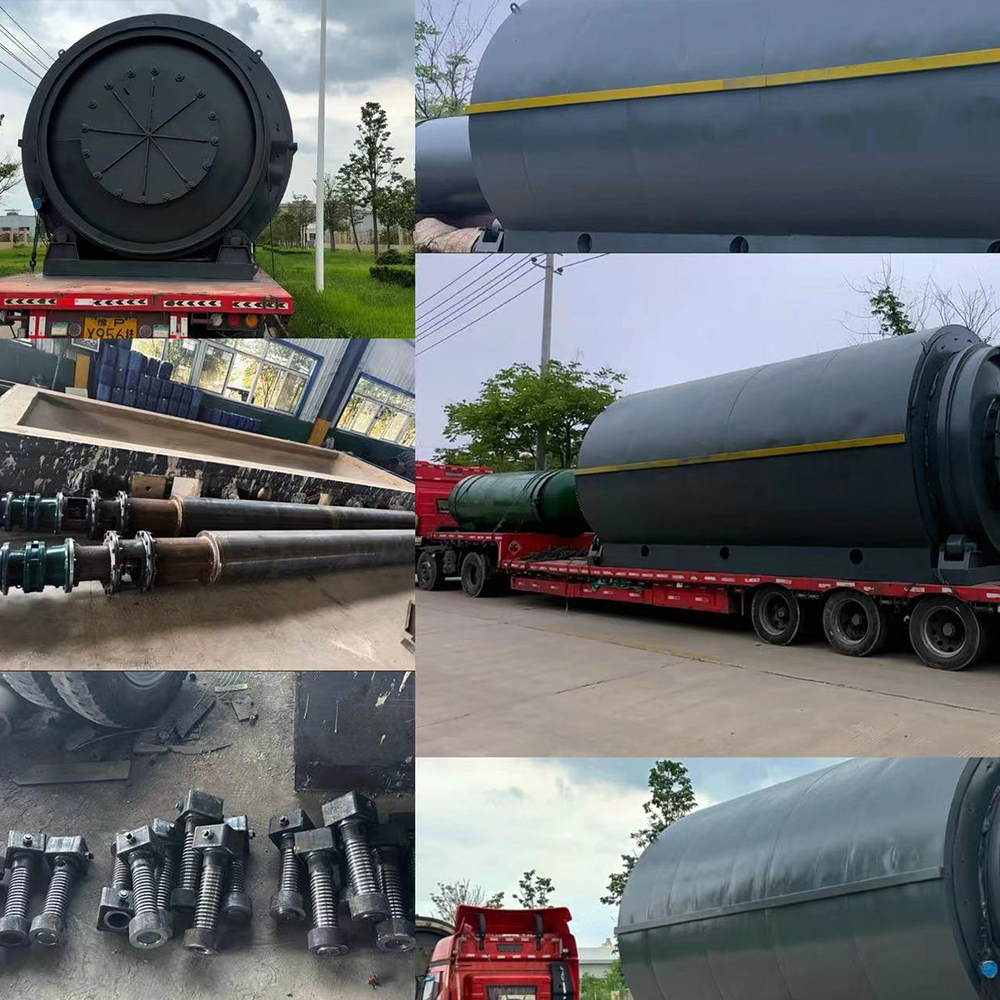
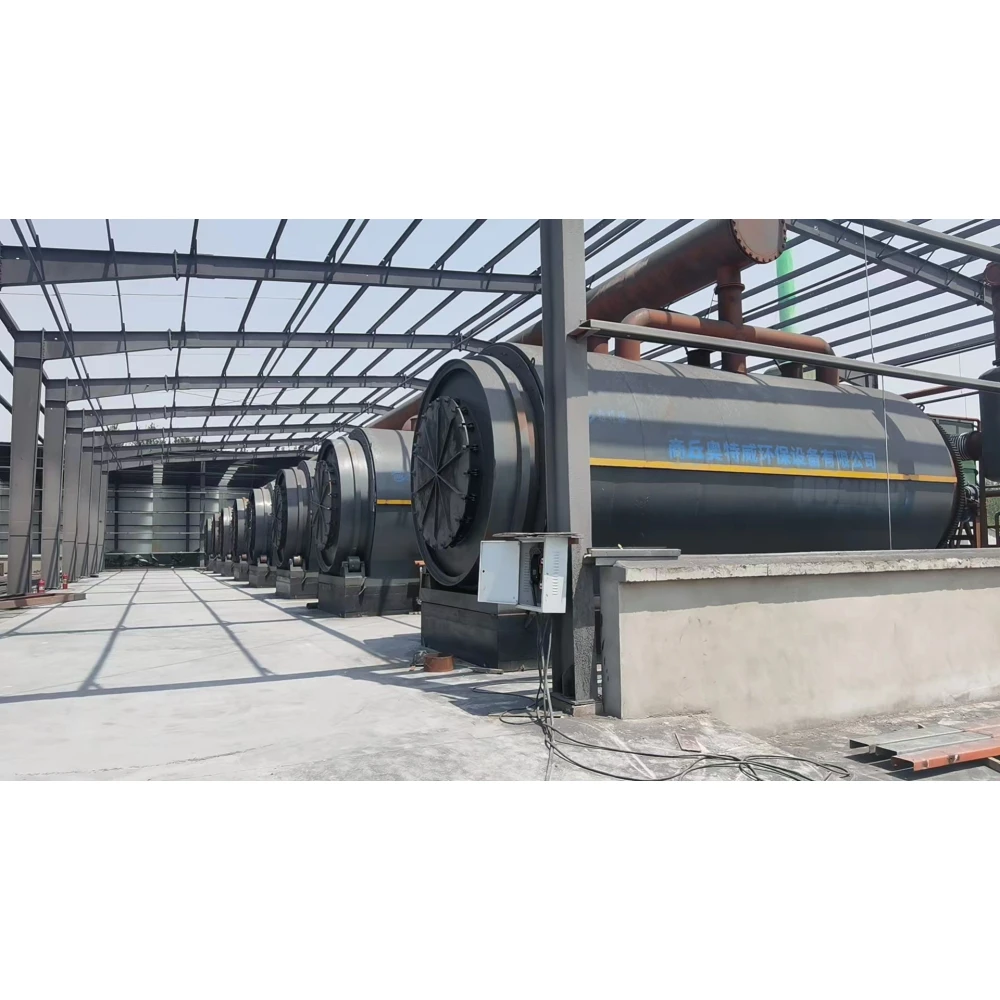
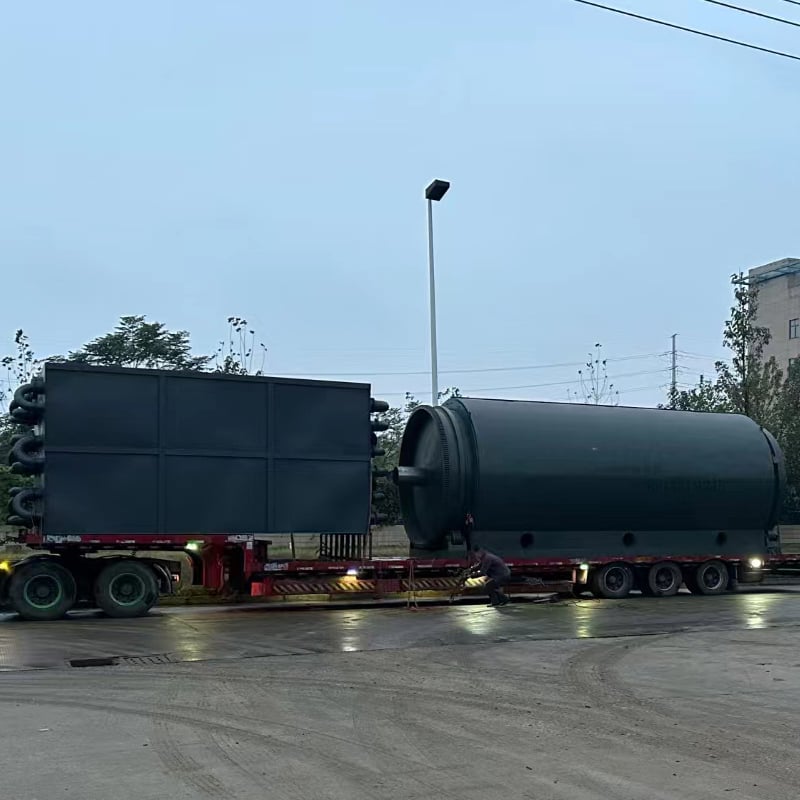
The reactor chamber forms the heart of pyrolysis equipment, where the thermal decomposition process occurs under controlled conditions. Modern reactors feature precision temperature control systems and specialized materials that ensure optimal heat distribution. The chamber design incorporates advanced insulation materials and strategic heating zones that maintain consistent temperature profiles throughout the conversion process.
Advanced monitoring systems within the reactor chamber provide real-time data on temperature, pressure, and reaction progress. This level of control ensures maximum yield and product quality while minimizing energy consumption. The latest pyrolysis equipment includes automated feeding mechanisms that maintain steady material flow, preventing process disruptions and ensuring continuous operation.
Condensation and Collection Systems
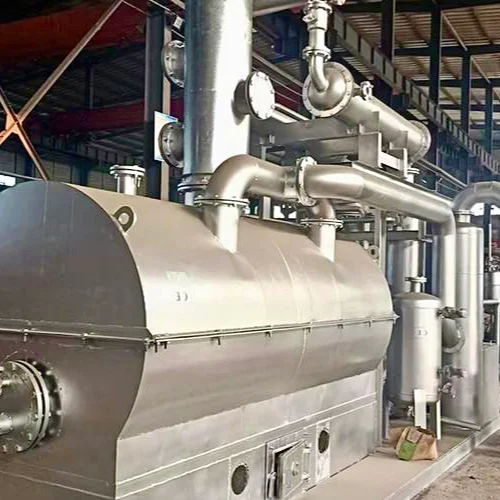
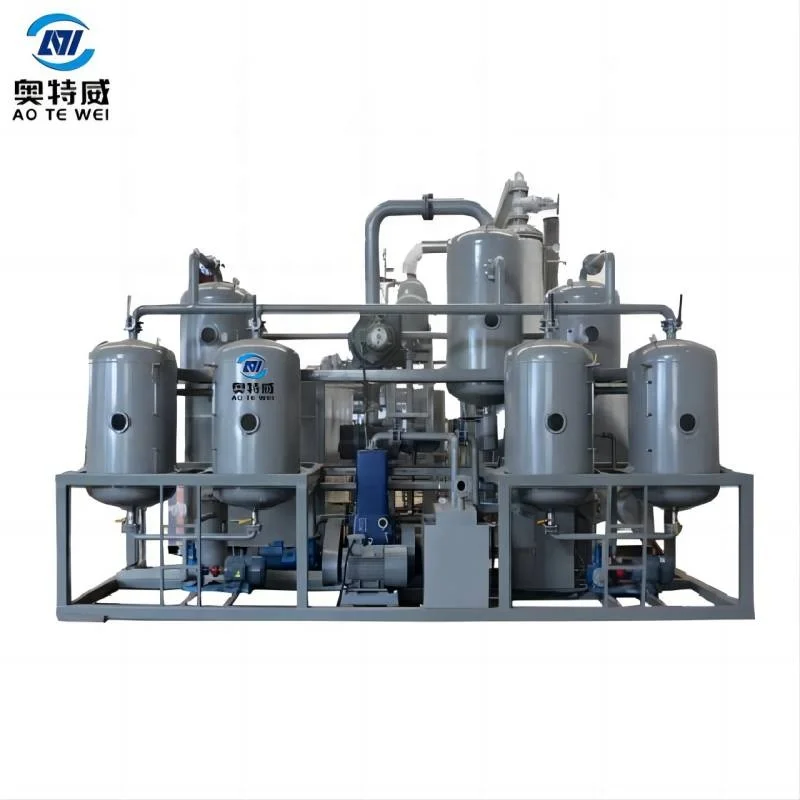
State-of-the-art condensation units in pyrolysis equipment efficiently capture and cool the gaseous products, converting them into liquid oil. These systems employ multiple stages of cooling and separation to maximize oil recovery and quality. Advanced heat exchangers and condensers utilize energy-efficient designs that reduce operating costs while improving product yield.
The collection systems incorporate sophisticated filtration and separation technologies that ensure high-quality output products. Modern pyrolysis equipment features automated collection mechanisms that minimize human intervention and maintain consistent product quality. These systems also include safety features that prevent product contamination and ensure worker safety.
Optimization and Efficiency Enhancements
Advanced Control Systems and Automation
Modern pyrolysis equipment incorporates sophisticated control systems that optimize every aspect of the conversion process. These systems utilize artificial intelligence and machine learning algorithms to adjust operating parameters in real-time, maximizing efficiency and product quality. The automation features reduce human error while increasing operational safety and consistency.
The integration of smart sensors and monitoring devices provides comprehensive data analysis capabilities. This allows operators to identify potential issues before they become problems and maintain peak performance levels. Advanced control systems also enable remote monitoring and operation, reducing operational costs while improving facility management.
Energy Recovery and Utilization
Leading pyrolysis equipment designs incorporate innovative energy recovery systems that capture and utilize waste heat from the process. These systems significantly improve overall energy efficiency and reduce operating costs. The recovered energy can be used to preheat feedstock materials or support other facility operations, creating a more sustainable operation.
Modern systems also feature integrated power generation capabilities, converting excess process gases into electricity. This self-sustaining approach reduces dependency on external power sources and improves the economic viability of waste-to-oil operations. The latest equipment designs prioritize energy efficiency at every stage of the conversion process.
Environmental Impact and Safety Features
Emission Control Technologies
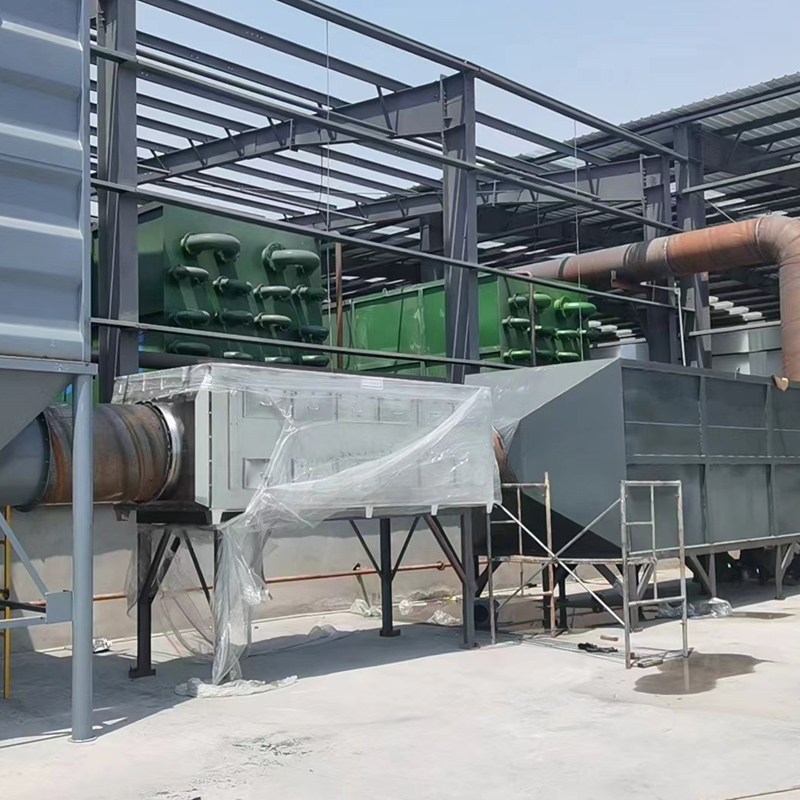
Contemporary pyrolysis equipment incorporates advanced emission control systems that ensure compliance with environmental regulations. These systems effectively capture and treat process gases, minimizing environmental impact while maintaining high operational efficiency. Multi-stage filtration and scrubbing technologies remove potentially harmful compounds before any gases are released.
The latest equipment designs include continuous emissions monitoring systems that provide real-time data on environmental performance. This allows operators to maintain optimal conditions and demonstrate regulatory compliance. Advanced catalytic systems further reduce emissions while improving process efficiency.
Safety Integration and Risk Management
Modern pyrolysis equipment features comprehensive safety systems that protect both operators and the environment. These include emergency shutdown mechanisms, pressure relief systems, and redundant control features that prevent dangerous operating conditions. Advanced fire suppression systems and explosion prevention measures ensure safe operation under all conditions.
The integration of safety interlocks and automated response systems provides multiple layers of protection against potential hazards. Regular maintenance scheduling and predictive diagnostics help prevent equipment failures and maintain safe operating conditions. These safety features make modern pyrolysis equipment both reliable and secure.
Frequently Asked Questions
What types of waste materials can pyrolysis equipment process?
Modern pyrolysis equipment can process a wide range of materials including plastic waste, rubber tires, biomass, and agricultural residues. The equipment can be optimized for specific waste streams to maximize conversion efficiency and product quality. Different feedstock materials may require specific operating conditions and pre-processing steps.
How long does the waste-to-oil conversion process take?
The conversion process typically takes between 2-4 hours, depending on the type and volume of waste material being processed. Advanced pyrolysis equipment can maintain continuous operation, processing materials 24/7 with proper maintenance and feeding systems. The exact processing time may vary based on specific operating parameters and desired end products.
What maintenance requirements does pyrolysis equipment have?
Pyrolysis equipment requires regular maintenance to ensure optimal performance and longevity. This includes routine inspection of reactor components, cleaning of condensation systems, and calibration of control instruments. Modern equipment features predictive maintenance capabilities and easy-access designs that simplify maintenance procedures while minimizing downtime.



 Hot News