Understanding Modern Pyrolysis Technology for Optimal Oil Production
The quest for efficient waste-to-energy conversion has placed pyrolysis reactor technology at the forefront of sustainable industrial solutions. As environmental concerns grow and energy demands increase, the ability to transform waste materials into valuable oil products has become increasingly critical. Modern pyrolysis reactors represent a remarkable advancement in thermal decomposition technology, offering various designs and configurations to maximize oil yield while minimizing environmental impact.
The efficiency of a pyrolysis reactor in producing oil depends on multiple factors, including reactor design, operating temperature, feedstock type, and residence time. Understanding these elements is crucial for industries seeking to optimize their waste conversion processes and achieve superior oil yields.
Core Reactor Designs in Modern Pyrolysis
Rotary Kiln Pyrolysis Reactors
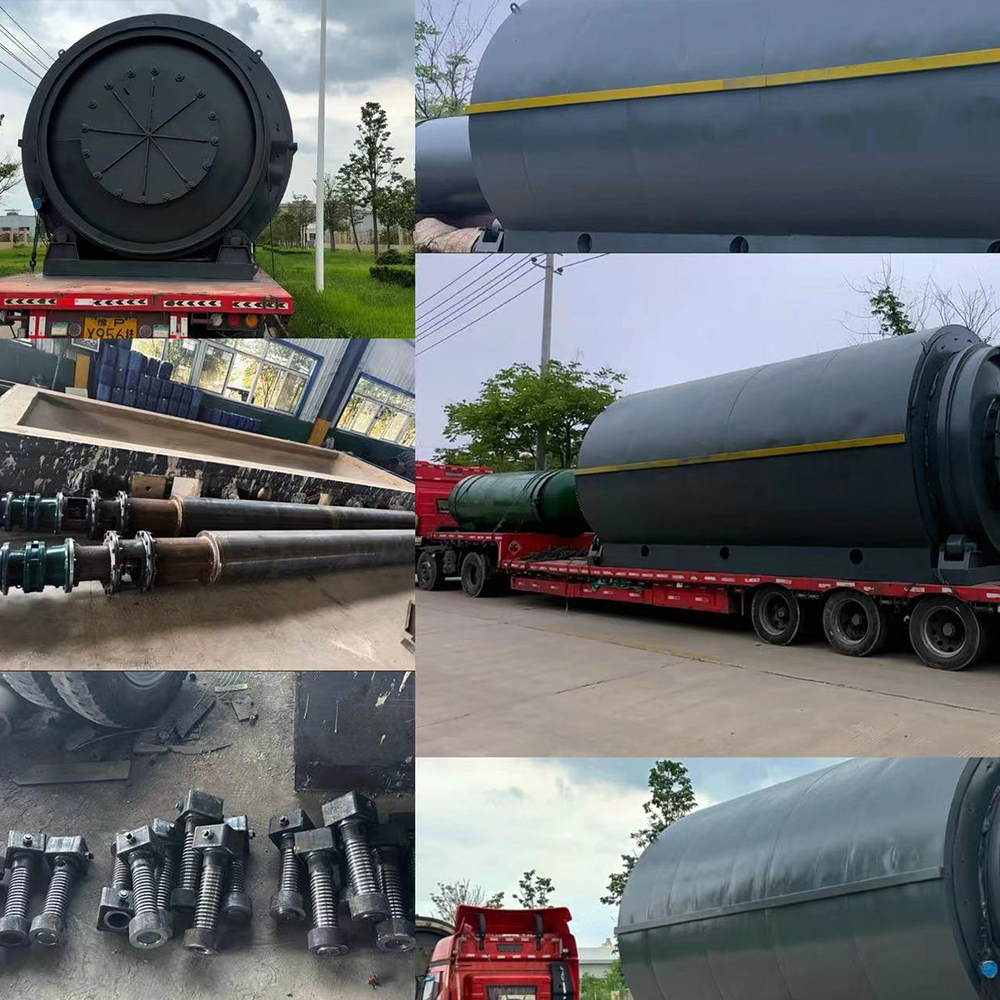
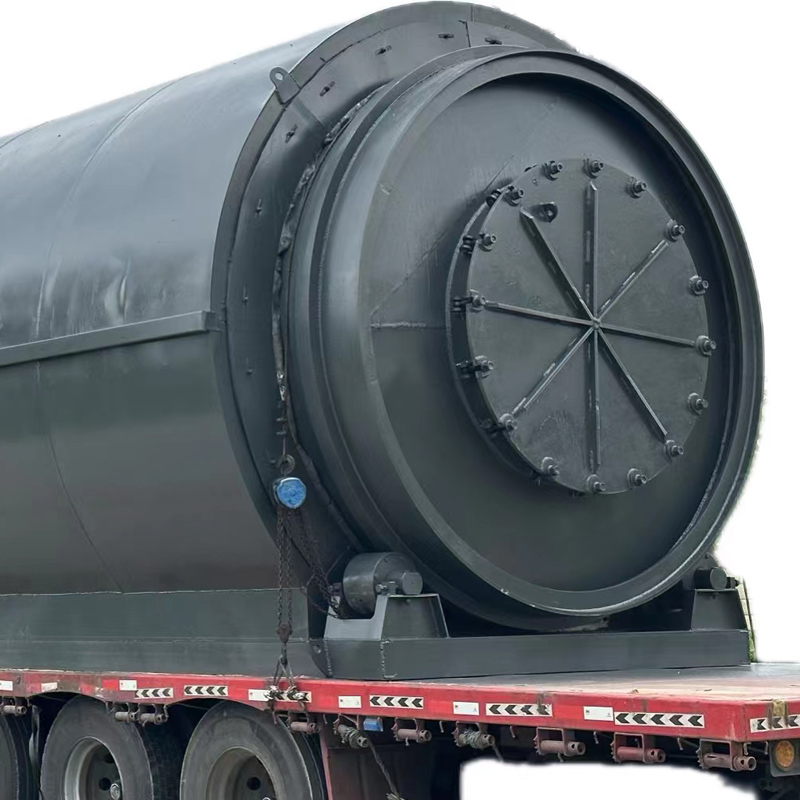
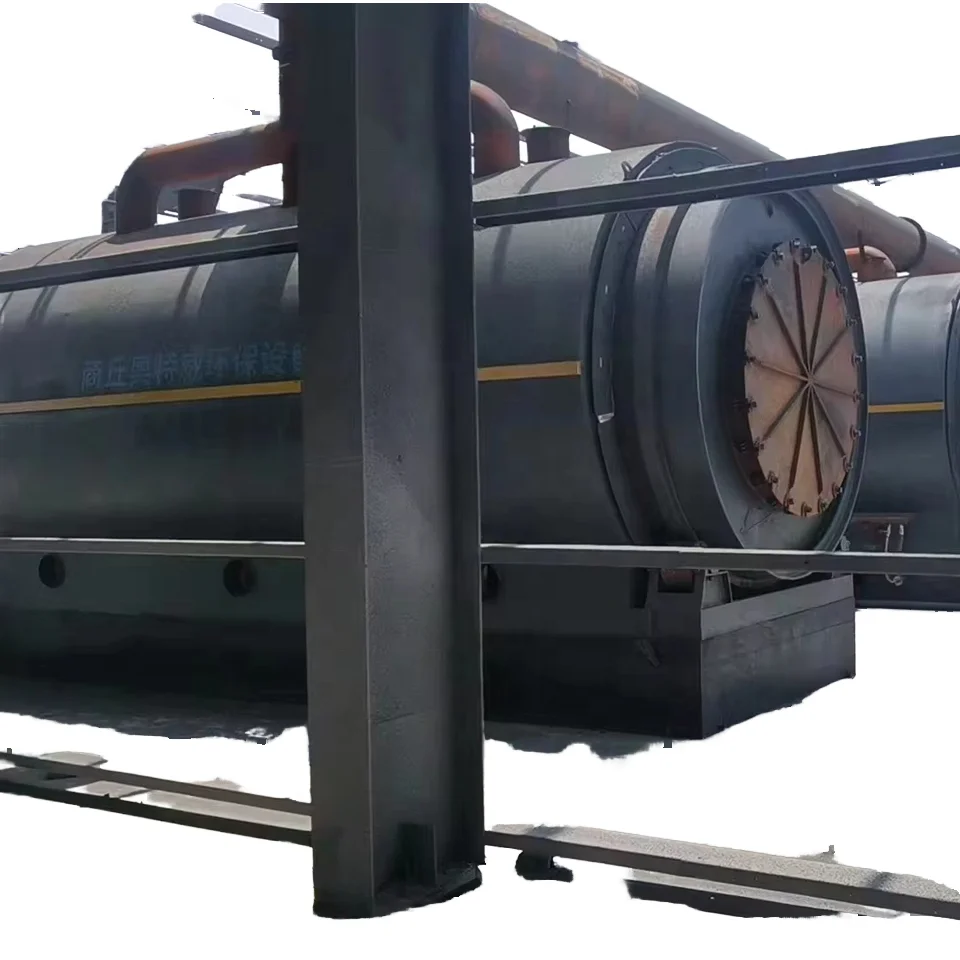
Rotary kiln pyrolysis reactors have established themselves as reliable workhorses in the industry. These systems feature a rotating cylindrical chamber that enables uniform heat distribution and excellent mixing of feedstock materials. The continuous rotation ensures that all material receives consistent exposure to heat, resulting in more predictable oil yields.
The design allows for handling various feedstock sizes and types, making it particularly versatile for industrial applications. Temperature control in rotary kiln systems is precise, typically operating between 400-600°C for optimal oil production. The mechanical movement also prevents material agglomeration, a common challenge in static reactor designs.
Fluidized Bed Pyrolysis Systems
Fluidized bed pyrolysis reactor technology represents a significant advancement in thermal processing efficiency. These systems utilize a bed of inert material, typically sand or alumina, which is fluidized by hot gases. The resulting turbulent mixing creates excellent heat transfer conditions, leading to rapid and uniform heating of feedstock materials.
The superior heat transfer characteristics of fluidized bed reactors often result in higher oil yields compared to conventional systems. Operating temperatures can be maintained with exceptional precision, and the system's ability to process various feedstock particles makes it highly adaptable to different waste streams.
Performance Factors Affecting Oil Yield
Temperature Control and Distribution
The success of any pyrolysis reactor in producing high oil yields heavily depends on temperature management. Optimal temperature ranges typically fall between 450-550°C for maximum oil production, though this varies based on feedstock type. Advanced pyrolysis reactor systems incorporate sophisticated temperature monitoring and control mechanisms to maintain ideal conditions throughout the process.
Temperature uniformity across the reactor volume is particularly crucial. Hotspots or cold zones can lead to inconsistent product quality and reduced oil yields. Modern reactor designs incorporate multiple temperature sensors and controlled heating zones to ensure uniform heat distribution.
Residence Time Optimization
Residence time - the duration feedstock spends in the reactor - significantly impacts oil yield quality and quantity. Different reactor designs offer varying levels of control over this critical parameter. Fixed-bed reactors typically have longer residence times, while fluidized bed systems allow for shorter, more precisely controlled exposure periods.
The optimal residence time varies depending on feedstock characteristics and desired product specifications. Advanced pyrolysis reactor systems allow operators to adjust residence time through various mechanisms, including feed rate control and reactor geometry modifications.
Advanced Features for Enhanced Performance
Catalytic Integration Systems
Modern pyrolysis reactors often incorporate catalytic systems to enhance oil yield and quality. These catalysts can significantly improve the conversion efficiency and selectivity of the pyrolysis process. The integration of catalytic elements requires careful reactor design to ensure optimal contact between feedstock and catalyst materials.
The selection of appropriate catalysts depends on feedstock composition and desired product specifications. Advanced reactor designs feature removable catalyst beds or injection systems, allowing for flexible operation and easy maintenance.
Automated Control Systems
The implementation of sophisticated control systems has revolutionized pyrolysis reactor operation. Modern units feature comprehensive automation that monitors and adjusts critical parameters in real-time. This level of control ensures consistent performance and maximizes oil yield while minimizing operator intervention.
Advanced monitoring systems track multiple parameters simultaneously, including temperature profiles, pressure levels, and product composition. This data-driven approach enables continuous process optimization and rapid response to any deviations from optimal conditions.
Frequently Asked Questions
What are the typical oil yields from different pyrolysis reactor types?
Oil yields vary significantly depending on the reactor design and feedstock type. Fluidized bed reactors typically achieve yields of 40-75% for plastic waste, while rotary kiln systems generally produce 35-65% oil yield. These figures can be further improved through optimization of operating conditions and catalytic enhancement.
How does feedstock preparation affect pyrolysis reactor performance?
Proper feedstock preparation is crucial for optimal reactor performance. Size reduction, moisture control, and contaminant removal significantly impact oil yield and quality. Most high-performance pyrolysis reactors require feedstock particles below 50mm and moisture content less than 15% for optimal operation.
What maintenance requirements should be considered for different reactor types?
Maintenance needs vary by reactor design. Fluidized bed systems typically require regular inspection of the distribution plate and replacement of bed material. Rotary kiln reactors need periodic checking of seals and drive mechanisms. All systems require regular cleaning to prevent tar buildup and monitoring of catalytic systems when present.


 Hot News