Premium Reconditioned Used Engine Oil - Cost-Effective and Environmentally Sustainable Lubrication Solutions

Get a Free Quote

Our representative will contact you soon.
Email
WhatsApp / Mobile
Name
Company Name
Message
0/1000

used engine oil

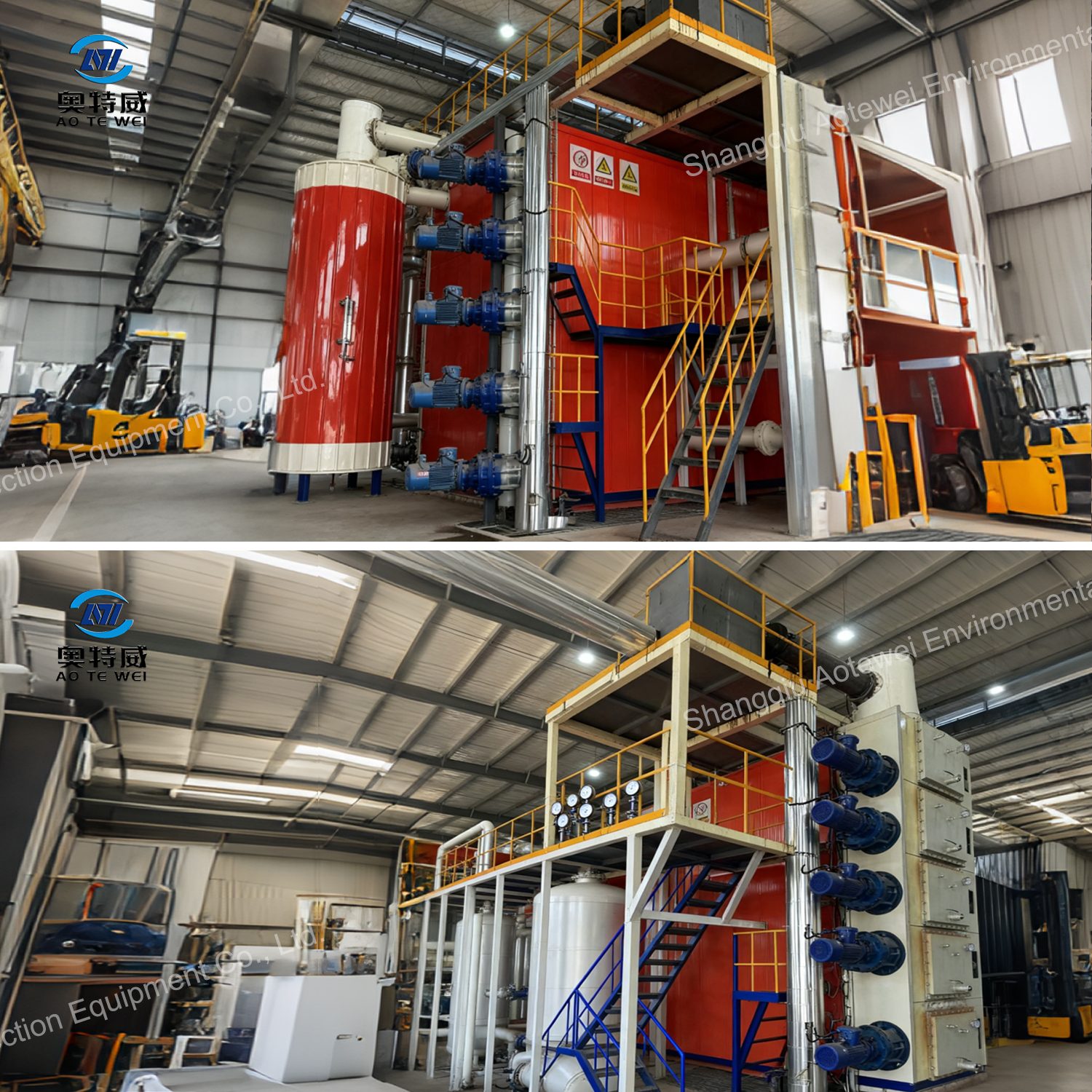
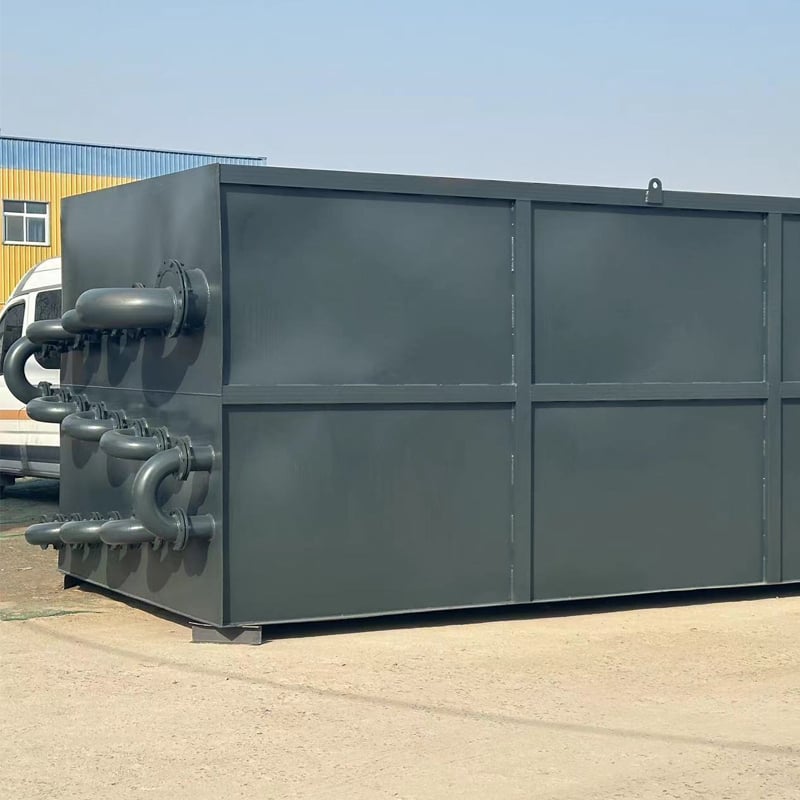
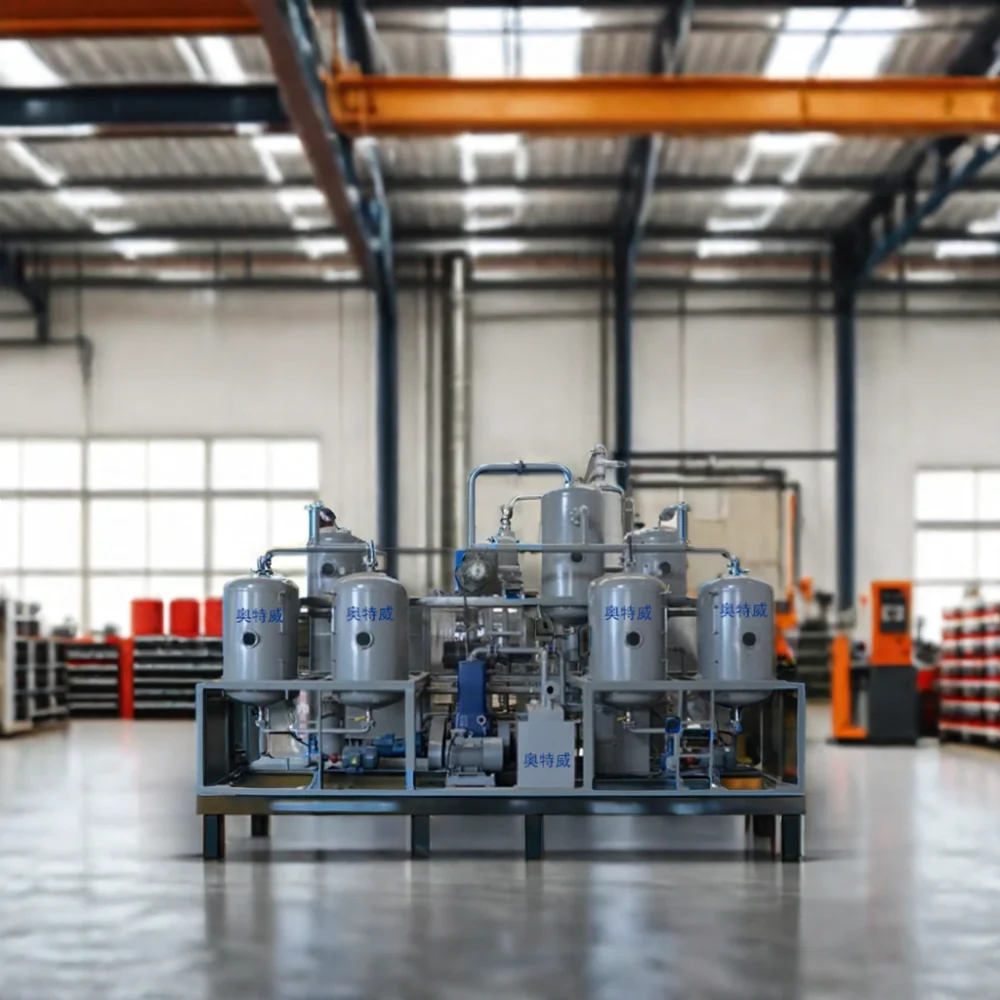
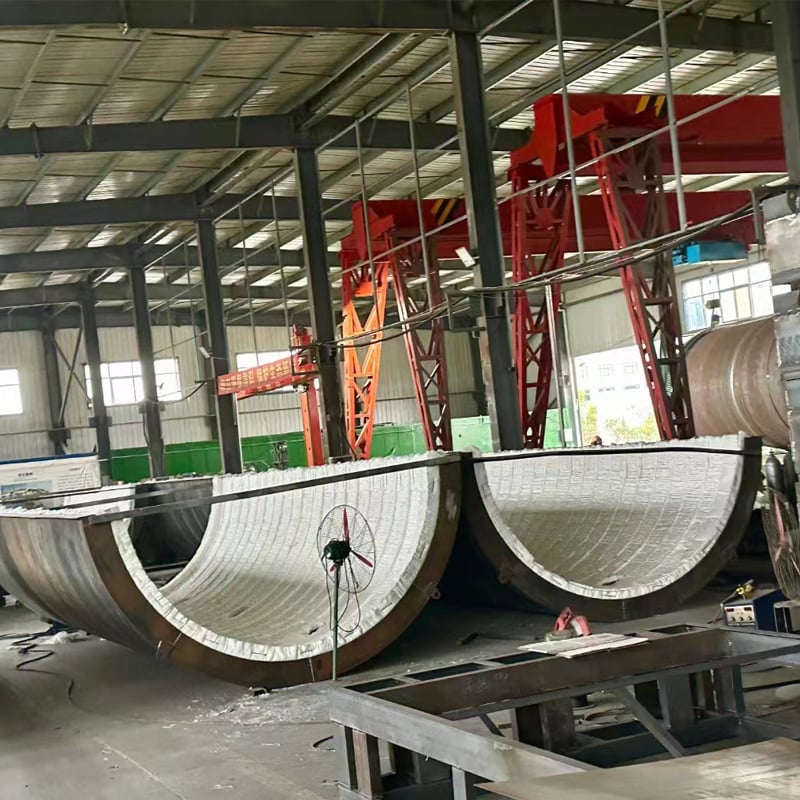
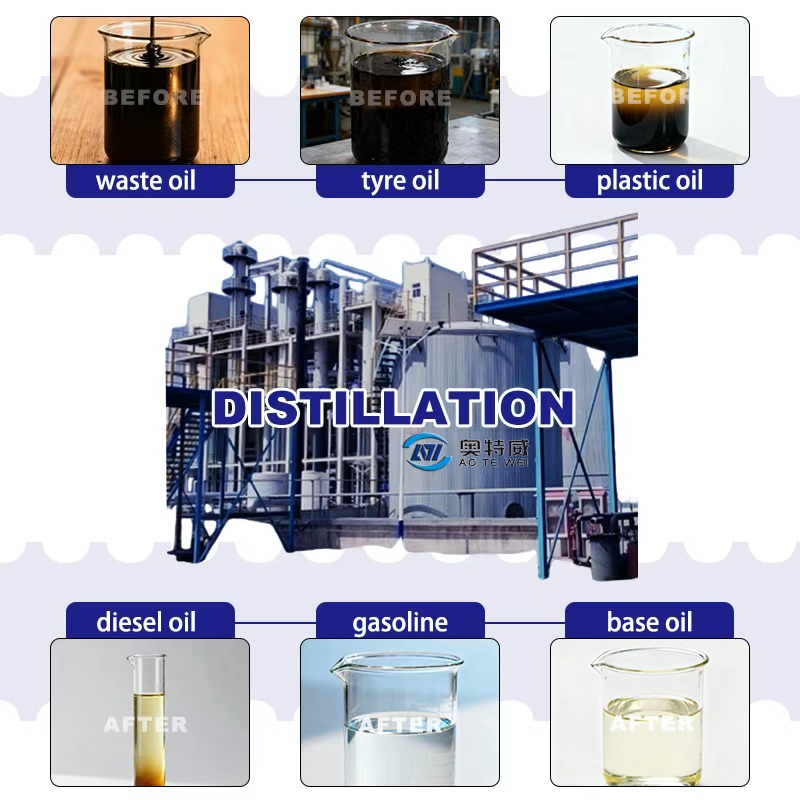
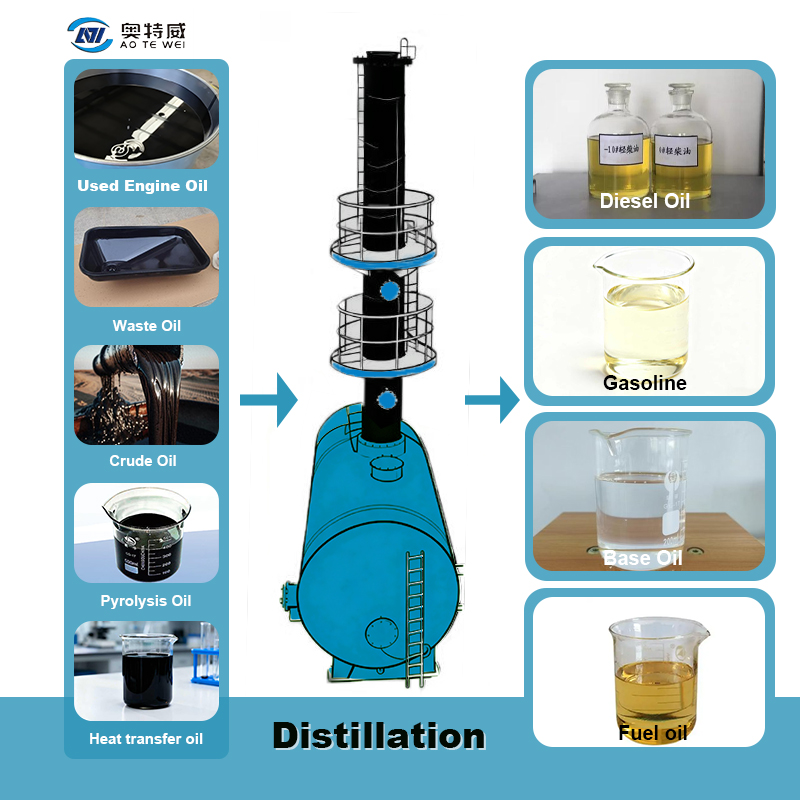
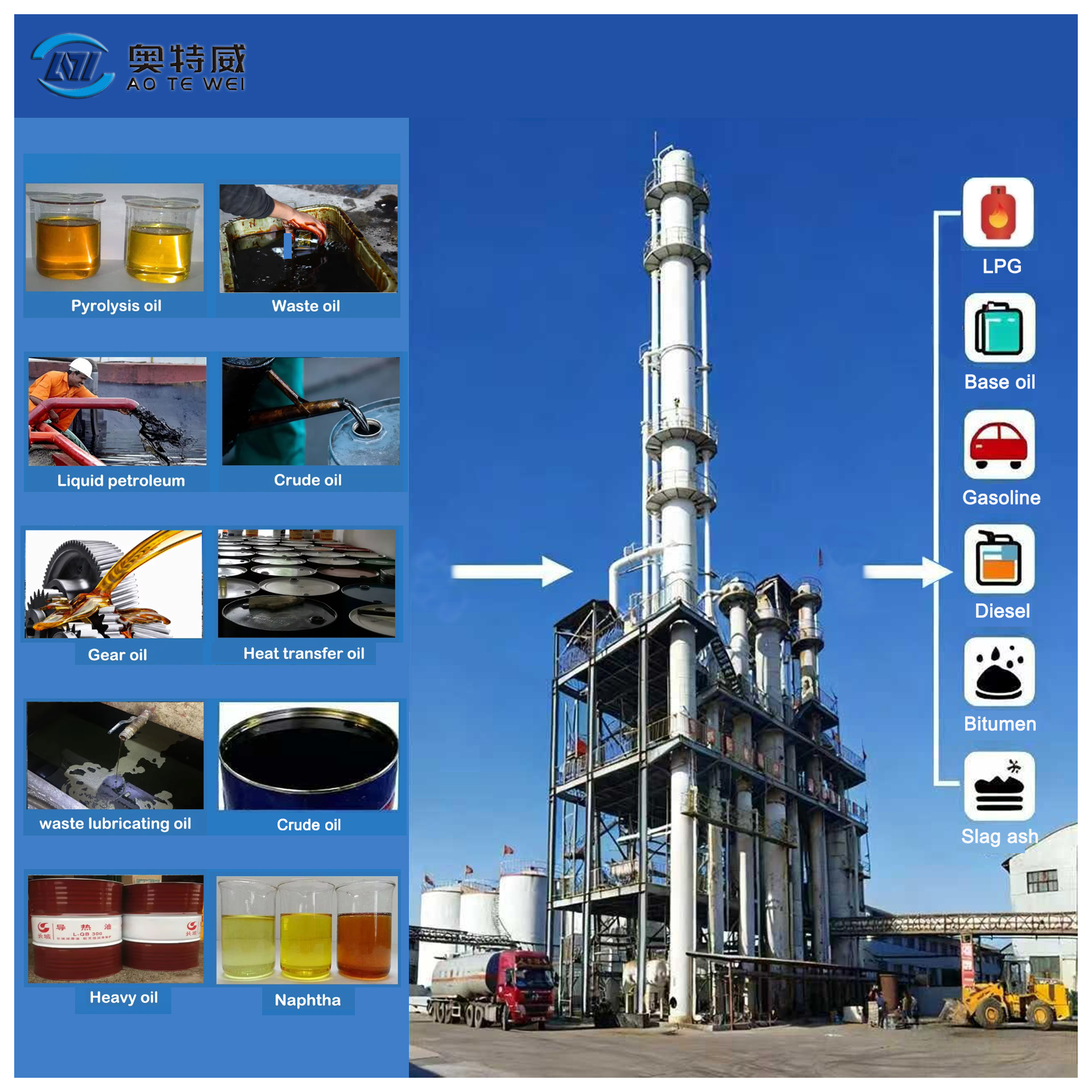
Used engine oil represents a valuable resource that has completed its primary lubrication cycle within combustion engines but retains significant utility through proper reconditioning and reprocessing. This lubricant has served its initial purpose by reducing friction between moving mechanical components, absorbing heat, preventing corrosion, and keeping engine parts clean during operation. After collection from vehicles, machinery, and industrial equipment, used engine oil undergoes specialized treatment processes that restore many of its beneficial properties. The main functions of reconditioned used engine oil include providing adequate lubrication to reduce wear on metal surfaces, maintaining proper viscosity across varying temperature ranges, and delivering protective additives that prevent oxidation and deposit formation. Technological features of properly processed used engine oil involve advanced filtration systems that remove contaminants such as metal particles, combustion byproducts, and moisture. Modern reconditioning facilities employ vacuum distillation, hydrotreatment, and chemical extraction methods to eliminate impurities while preserving the base oil structure. These processes ensure that reclaimed oil meets specific quality standards suitable for various applications. The applications for used engine oil span multiple sectors including industrial machinery lubrication, metalworking operations, hydraulic systems, and as a base stock for manufacturing new lubricants. Some grades find use in marine engines, agricultural equipment, and construction machinery where performance requirements align with the properties of reconditioned oil. Environmental considerations make used engine oil an important component of circular economy initiatives, as proper collection and reprocessing prevent soil and water contamination while reducing dependency on virgin petroleum resources. The reconditioning industry has developed sophisticated analytical methods to assess oil quality, ensuring that processed material delivers reliable performance. Quality control measures include viscosity testing, contamination analysis, and additive package verification to guarantee consistency across batches.

New Products

Choosing reconditioned used engine oil delivers substantial cost savings compared to purchasing virgin lubricants, making it an economically attractive option for businesses operating large vehicle fleets or industrial facilities with extensive machinery. Companies can reduce their lubrication expenses by thirty to fifty percent while maintaining adequate equipment protection when they select properly processed oil that meets their operational specifications. This financial benefit becomes particularly significant for organizations managing tight operational budgets or seeking to improve profit margins without compromising equipment reliability. Environmental responsibility represents another major advantage, as reprocessing oil conserves natural resources and reduces the energy consumption associated with refining crude petroleum into base stocks. Every gallon of reconditioned oil saves approximately forty-two gallons of crude oil that would otherwise be extracted and refined, contributing to reduced carbon emissions and environmental impact. Organizations committed to sustainability goals find that incorporating reclaimed lubricants into their maintenance programs demonstrates tangible environmental stewardship while achieving measurable reductions in their carbon footprint. The performance characteristics of professionally reconditioned used engine oil closely match those of virgin products when properly processed, providing reliable lubrication that protects against wear, corrosion, and thermal breakdown. Modern reconditioning technologies remove harmful contaminants while preserving beneficial additives and base oil integrity, resulting in a product that performs its essential functions effectively. Equipment operators experience consistent protection across normal operating conditions, with properly selected reconditioned oil delivering adequate film strength, appropriate viscosity, and sufficient thermal stability. Supply availability offers another practical benefit, as the continuous collection and processing of used lubricants creates a stable supply chain less vulnerable to crude oil price volatility or geopolitical disruptions affecting petroleum markets. Businesses can establish reliable procurement relationships with reconditioning facilities, ensuring consistent access to lubricants regardless of market fluctuations. Quality assurance protocols implemented by reputable processors guarantee that each batch meets published specifications, giving purchasers confidence in product consistency. Regulatory compliance becomes simpler when organizations partner with certified reconditioning operations that maintain proper environmental permits and follow established standards for collection, processing, and distribution. Many jurisdictions offer incentives or preferential treatment for businesses that incorporate recycled materials into their operations, potentially providing additional financial or regulatory advantages.

Latest News

Company Updates Factory Audit Video | On-site Shooting of Aotewei Environmental Protection Equipment, Transparently Showing Manufacturing Strength

08

Apr

Company Updates Factory Audit Video | On-site Shooting of Aotewei Environmental Protection Equipment, Transparently Showing Manufacturing Strength

To further improve supply chain transparency and optimize the factory audit experience for domestic and overseas customers, Shangqiu Aotewei Environmental Protection Equipment Co., Ltd. has recently completed a comprehensive update of its factory aud...
View More

Get a Free Quote

Our representative will contact you soon.
Email
WhatsApp / Mobile
Name
Company Name
Message
0/1000

used engine oil

Exceptional Cost Efficiency Without Performance Compromise

Exceptional Cost Efficiency Without Performance Compromise

Financial considerations drive many operational decisions, and reconditioned used engine oil delivers remarkable economic advantages that directly impact organizational profitability. The fundamental cost difference between virgin and properly processed reclaimed lubricants stems from the reduced energy and raw material inputs required for reconditioning compared to refining crude petroleum. While virgin oil production demands extensive drilling, transportation, refining, and additive blending operations, reconditioning facilities start with material that already possesses the basic molecular structure needed for lubrication. This efficiency translates into purchase prices that typically run thirty to fifty percent below equivalent virgin products, creating immediate savings that accumulate substantially across annual lubrication budgets. For organizations operating commercial vehicle fleets, construction equipment, manufacturing facilities, or agricultural operations, these savings can represent tens of thousands of dollars annually. The economic benefit extends beyond simple purchase price reductions, as reconditioned oil often performs comparably to virgin products across typical duty cycles, eliminating concerns about increased equipment wear or shortened service intervals that might offset initial savings. Modern processing technologies have advanced to the point where properly reconditioned lubricants meet industry specifications for viscosity, thermal stability, and protective characteristics, ensuring that cost savings do not come at the expense of equipment protection. Procurement departments appreciate the budget predictability that comes from establishing relationships with reconditioning suppliers, as these providers often offer more stable pricing than virgin oil markets subject to crude petroleum volatility. The transparent cost structure of reconditioned products allows financial planners to forecast lubrication expenses with greater accuracy, improving overall budget management. Organizations can redirect savings toward other operational priorities, equipment upgrades, or competitive pricing strategies while maintaining adequate lubrication standards. The return on investment becomes particularly compelling when considering the combined effects of reduced purchase costs, maintained equipment reliability, and simplified waste management, as organizations using reconditioned oil contribute to a circular system that eliminates disposal challenges associated with used lubricants.
Proven Environmental Stewardship and Sustainability Impact

Proven Environmental Stewardship and Sustainability Impact

Environmental consciousness has evolved from optional consideration to essential business practice, and incorporating reconditioned used engine oil into lubrication programs delivers measurable sustainability benefits that support corporate responsibility objectives. The environmental case for oil reconditioning begins with resource conservation, as reprocessing existing lubricants requires dramatically less energy than refining virgin products from crude petroleum. Studies demonstrate that producing one gallon of reconditioned base oil consumes approximately one-third the energy needed to refine an equivalent quantity from crude, resulting in proportional reductions in greenhouse gas emissions and carbon footprint. This energy efficiency stems from starting with material that already possesses the fundamental hydrocarbon structure required for lubrication, requiring only contaminant removal and additive replenishment rather than complete molecular restructuring. Organizations committed to reducing their environmental impact find that substituting reconditioned oil for virgin products provides quantifiable progress toward sustainability targets, with each gallon used representing tangible resource preservation. Beyond energy conservation, proper oil reconditioning prevents environmental contamination by capturing and reprocessing material that might otherwise be improperly disposed of in ways that threaten soil and water quality. Used lubricants contain metals, combustion residues, and degraded additives that pose environmental hazards when released into ecosystems, making collection and reprocessing essential environmental protection measures. Companies participating in oil reconditioning systems contribute to closing the material loop, supporting circular economy principles that minimize waste generation and maximize resource utilization. The sustainability narrative resonates with environmentally conscious customers, business partners, and stakeholders who increasingly evaluate organizations based on their environmental practices. Demonstrating commitment to recycled content procurement enhances corporate reputation and may provide competitive advantages in markets where sustainability credentials influence purchasing decisions. Regulatory trends increasingly favor circular economy practices, with some jurisdictions implementing mandates or incentives for recycled content utilization, making early adoption of reconditioned lubricants a strategic positioning choice that anticipates future requirements. The cumulative environmental benefit multiplies across supply chains as more organizations adopt reconditioned oil, creating systemic reductions in petroleum extraction, refining emissions, and waste generation that contribute to broader environmental protection goals.
Reliable Performance Through Advanced Processing Technology

Reliable Performance Through Advanced Processing Technology

Performance concerns naturally arise when considering alternatives to virgin products, but modern reconditioning technology has eliminated historical quality gaps, delivering used engine oil that meets rigorous specifications and provides dependable equipment protection. The reconditioning process employs sophisticated separation and purification technologies that systematically remove contaminants while preserving the valuable base oil and beneficial additive components. Initial filtration stages eliminate particulate matter including metal wear particles, dirt, and combustion residues that accumulated during the oil's first service life. These physical contaminants represent the most obvious impurities but constitute only part of the reconditioning challenge. Advanced processing facilities employ vacuum distillation to separate lighter and heavier molecular fractions, removing fuel dilution and isolating the optimal viscosity range for the intended application. This thermal separation occurs under controlled conditions that prevent thermal degradation while achieving precise molecular fractionation. Chemical treatment stages follow, using proprietary processes to neutralize acidic combustion products, remove oxidation compounds, and eliminate water contamination that could compromise lubrication performance or promote corrosion. Some facilities incorporate hydrotreatment, exposing the oil to hydrogen under pressure and elevated temperature in the presence of catalysts, which breaks down contaminant molecules and restores the base oil's chemical stability. This advanced processing produces reconditioned oil with virgin-like molecular characteristics, eliminating concerns about degraded performance. Quality control represents the final assurance layer, with reputable processors conducting comprehensive testing on every batch to verify compliance with published specifications. Laboratory analysis measures viscosity across temperature ranges, quantifies remaining contaminant levels, assesses oxidation stability, and verifies appropriate additive concentrations. This analytical rigor ensures consistency between batches and confirms that the finished product will perform reliably in its intended application. Equipment operators can confidently specify reconditioned oil knowing that proper product selection matched to their operational requirements will deliver adequate lubrication, wear protection, and service life comparable to virgin alternatives. The performance reliability of reconditioned lubricants makes them suitable for diverse applications including transportation fleets, industrial machinery, agricultural equipment, and marine engines, with appropriate grade selection ensuring compatibility with manufacturer recommendations and operational conditions.

Get a Free Quote

Our representative will contact you soon.
Email
WhatsApp / Mobile
Name
Company Name
Message
0/1000
Newsletter
Please Leave A Message With Us