Professional Hydraulic Oil Disposal Systems - Efficient Recycling and Environmental Solutions

Get a Free Quote

Our representative will contact you soon.
Email
WhatsApp / Mobile
Name
Company Name
Message
0/1000

hydraulic oil disposal

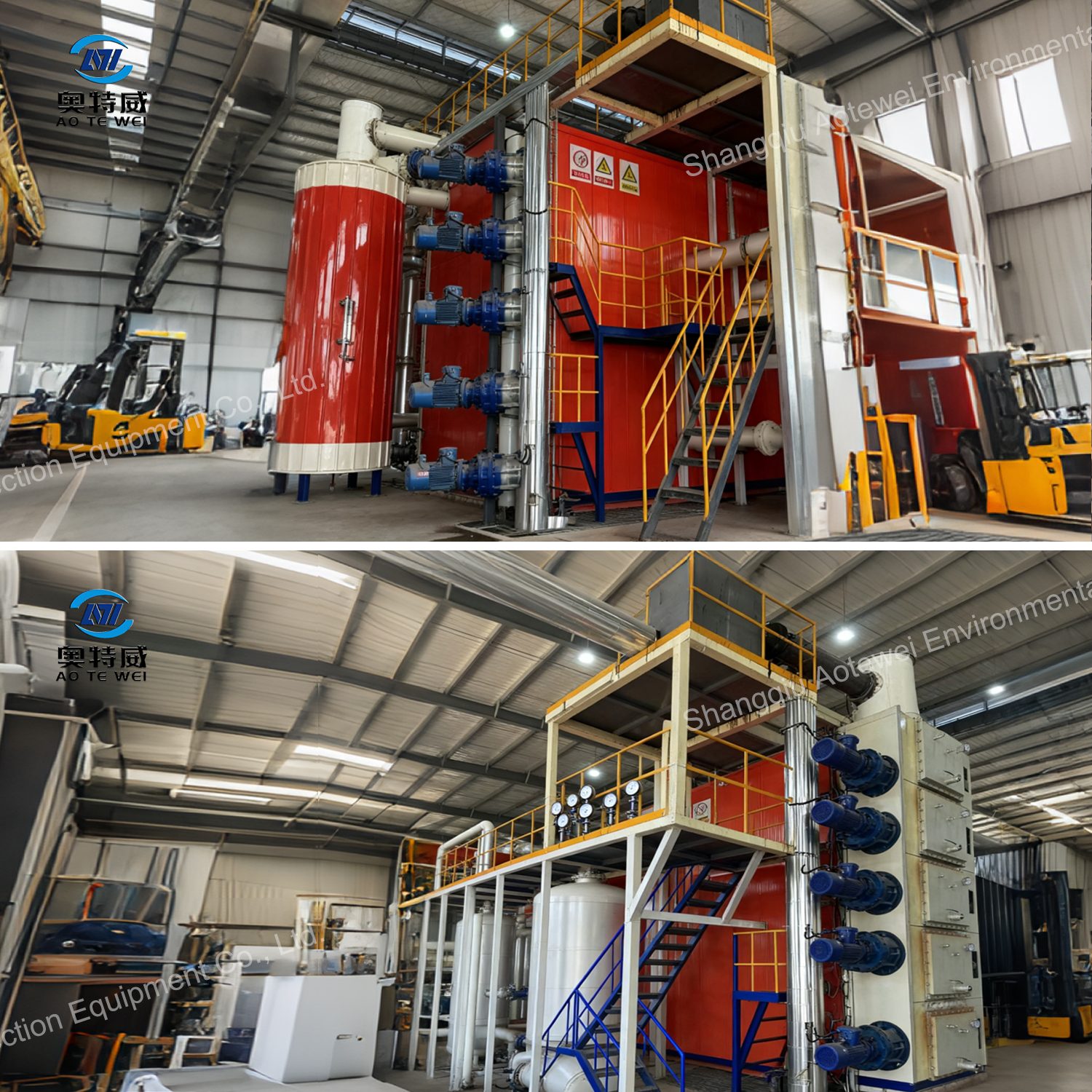
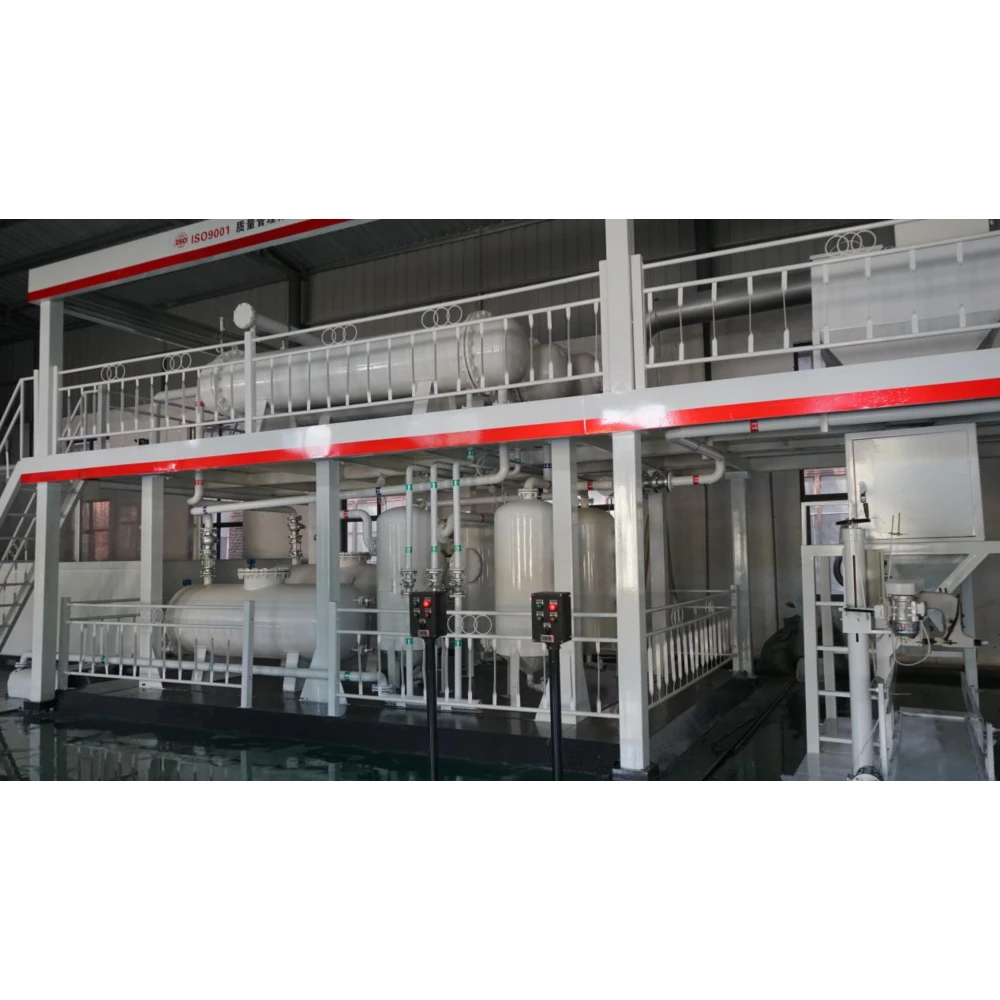
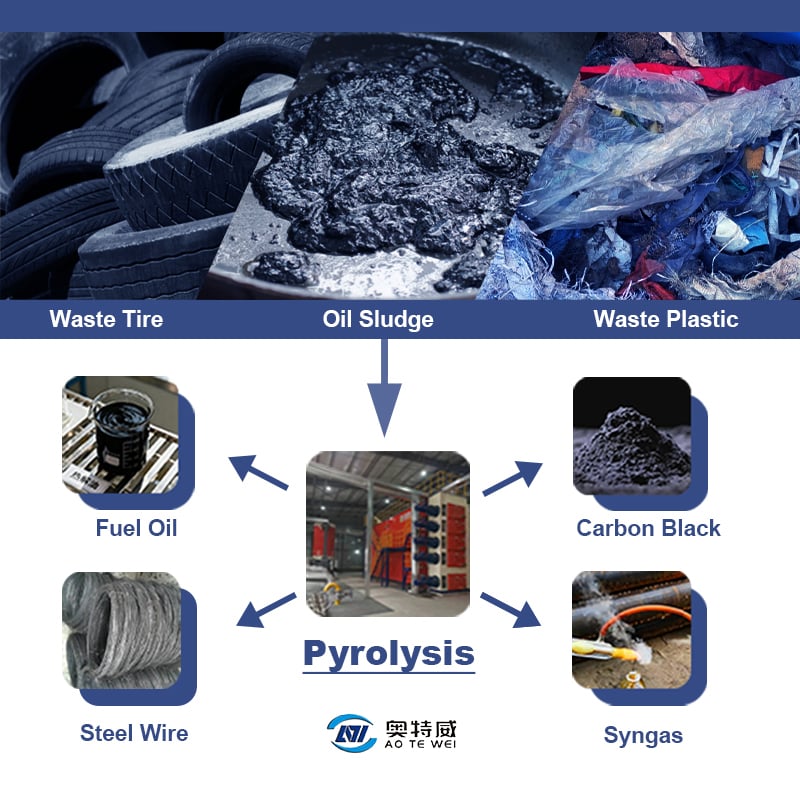
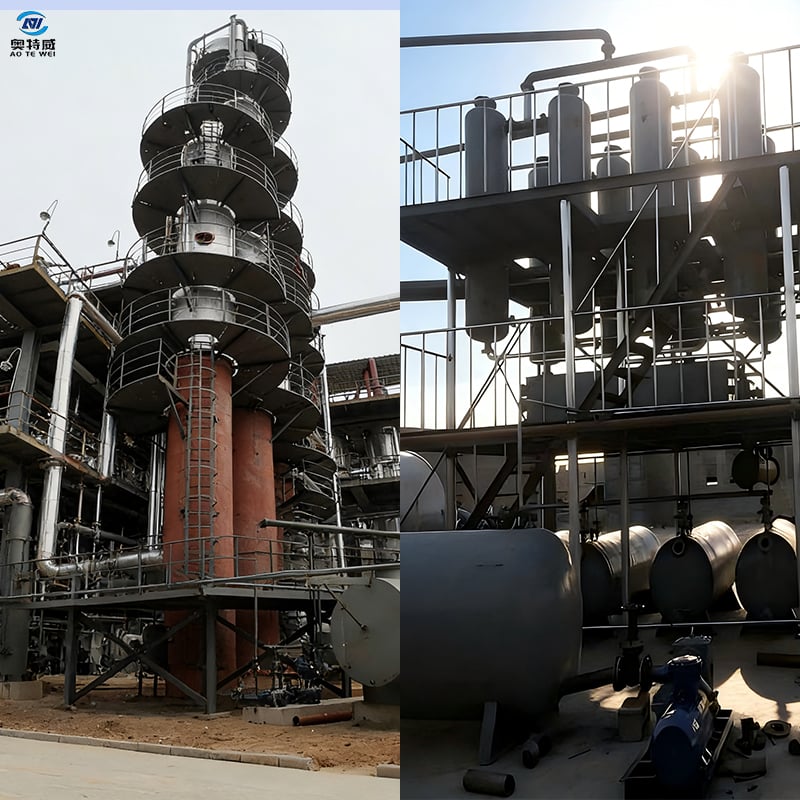
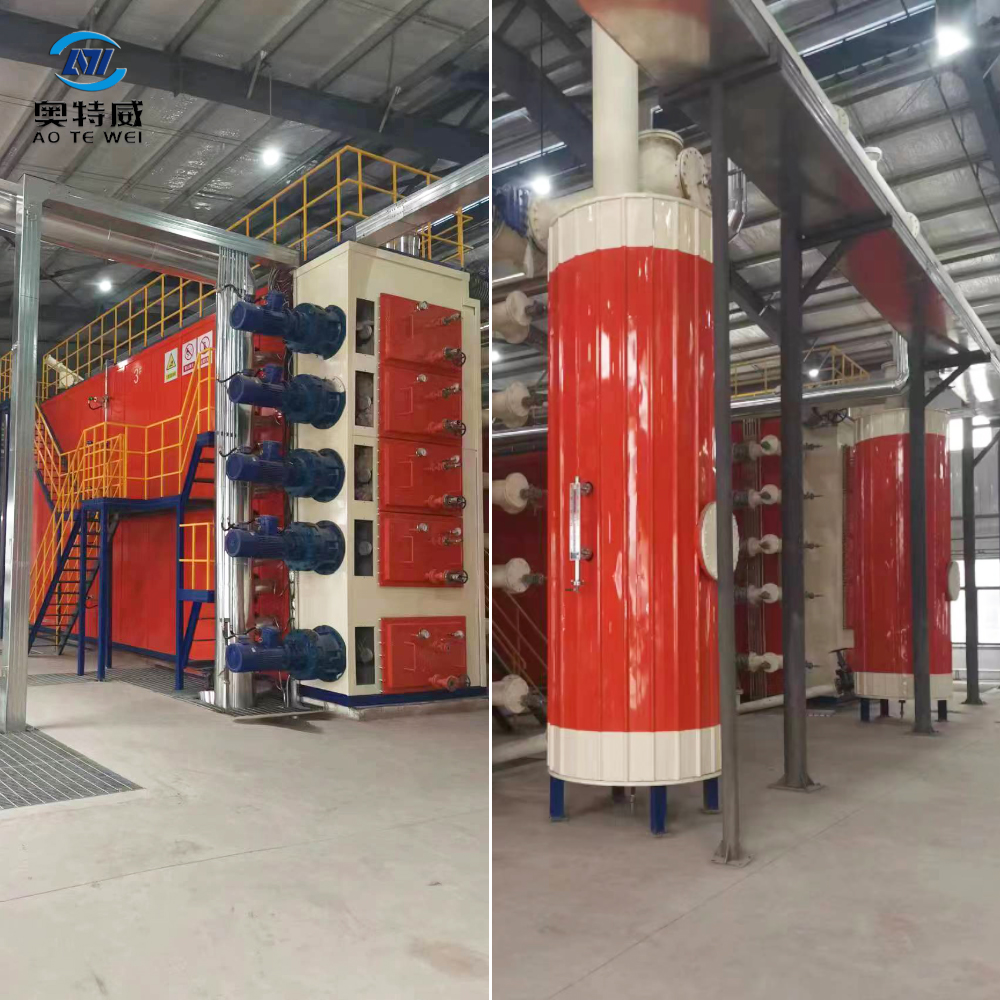
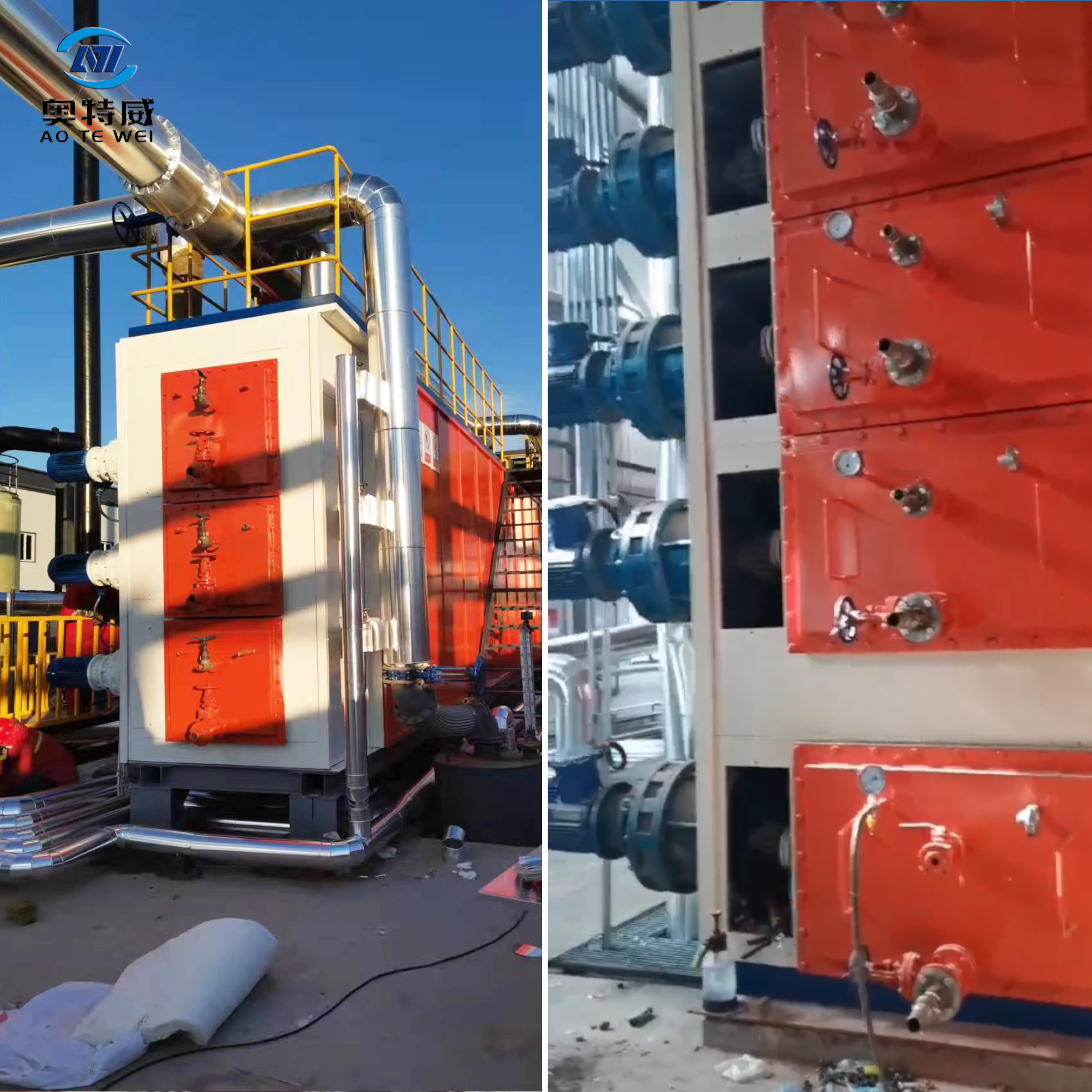
Hydraulic oil disposal represents a critical process in industrial maintenance and environmental management, designed to safely handle, recycle, and eliminate used hydraulic fluids that have reached the end of their operational lifecycle. This sophisticated system addresses one of the most pressing concerns facing manufacturing facilities, construction sites, automotive workshops, and heavy machinery operations worldwide. The primary functions of hydraulic oil disposal encompass the collection, filtration, purification, and proper elimination of contaminated hydraulic fluids while recovering valuable base oils and additives whenever possible. Modern hydraulic oil disposal systems employ advanced separation technologies including centrifugation, vacuum dehydration, and multi-stage filtration to remove water, particulates, oxidation byproducts, and chemical contaminants from used oils. The technological features of contemporary hydraulic oil disposal equipment include automated monitoring systems that analyze fluid condition, programmable logic controllers for precise operation management, stainless steel construction for durability, and integrated safety mechanisms to prevent environmental contamination. These systems can process various hydraulic fluid types including mineral oils, synthetic formulations, and biodegradable alternatives. Applications span numerous industries where hydraulic systems power equipment and machinery. Manufacturing plants utilize hydraulic oil disposal to maintain production equipment, construction companies employ these systems for heavy machinery maintenance, agricultural operations depend on them for farm equipment servicing, and transportation sectors require them for vehicle hydraulic system maintenance. The environmental significance cannot be overstated, as improper disposal of hydraulic oil poses serious risks to soil, groundwater, and ecosystems. Professional hydraulic oil disposal prevents pollution while supporting circular economy principles through oil reclamation and regeneration. Industrial facilities implementing proper hydraulic oil disposal demonstrate environmental responsibility, comply with stringent regulations, and often realize cost savings through oil reconditioning rather than purchasing new fluids. The technology continues evolving with innovations in filtration media, energy efficiency, and automation capabilities that enhance processing capacity while reducing operational complexity.

New Products

Implementing professional hydraulic oil disposal delivers substantial practical benefits that directly impact your operational efficiency and financial performance. First and foremost, you protect your equipment investment by ensuring that only clean, properly maintained hydraulic fluids circulate through your machinery systems. When you commit to regular hydraulic oil disposal and recycling, you prevent the accumulation of harmful contaminants that accelerate component wear, cause seal degradation, and trigger premature system failures. This proactive approach extends equipment lifespan significantly, reducing capital expenditure on replacement machinery and minimizing unexpected downtime that disrupts production schedules. Your maintenance costs decrease dramatically because clean hydraulic systems require fewer repairs, experience less component failure, and operate with greater reliability. The financial advantages become immediately apparent when you calculate the savings from reconditioning used oil versus purchasing new hydraulic fluid continuously. Quality hydraulic oil disposal systems can restore used fluids to specifications that meet or exceed original performance standards, allowing you to reuse the same oil multiple times before final disposal becomes necessary. This recycling capability reduces your hydraulic fluid purchasing budget by up to seventy percent in many operations. Environmental compliance represents another crucial advantage that protects your business from regulatory penalties and reputational damage. Proper hydraulic oil disposal ensures you meet all federal, state, and local environmental regulations governing hazardous waste management. You avoid costly fines, legal complications, and the negative publicity associated with environmental violations. Beyond compliance, implementing responsible hydraulic oil disposal demonstrates corporate environmental stewardship that enhances your brand reputation among customers, partners, and communities. Modern consumers and business clients increasingly prefer working with environmentally conscious companies. Your operational safety improves substantially with professional hydraulic oil disposal systems. These technologies eliminate the risks associated with storing large quantities of contaminated fluids, reduce fire hazards from degraded oils, and protect workers from exposure to potentially harmful chemical compounds. The automated nature of modern hydraulic oil disposal equipment minimizes human handling, further reducing workplace injury risks. You also gain valuable operational insights through the fluid analysis capabilities integrated into advanced disposal systems. These diagnostic features identify developing equipment problems before catastrophic failures occur, enabling predictive maintenance strategies that optimize resource allocation. The convenience factor cannot be overlooked, as turnkey hydraulic oil disposal solutions handle the entire process from collection through final disposition, freeing your maintenance personnel to focus on core responsibilities rather than waste management logistics.

Tips And Tricks

Company Updates Factory Audit Video | On-site Shooting of Aotewei Environmental Protection Equipment, Transparently Showing Manufacturing Strength

08

Apr

Company Updates Factory Audit Video | On-site Shooting of Aotewei Environmental Protection Equipment, Transparently Showing Manufacturing Strength

To further improve supply chain transparency and optimize the factory audit experience for domestic and overseas customers, Shangqiu Aotewei Environmental Protection Equipment Co., Ltd. has recently completed a comprehensive update of its factory aud...
View More

Get a Free Quote

Our representative will contact you soon.
Email
WhatsApp / Mobile
Name
Company Name
Message
0/1000

hydraulic oil disposal

Advanced Contamination Removal Technology

Advanced Contamination Removal Technology

The cornerstone of effective hydraulic oil disposal lies in sophisticated contamination removal technology that addresses the multiple degradation factors affecting hydraulic fluids during operational use. Modern hydraulic oil disposal systems employ multi-stage purification processes specifically engineered to eliminate water contamination, particulate matter, oxidation products, chemical additives breakdown, and thermal degradation compounds that accumulate over time. The water removal component utilizes vacuum dehydration technology operating at precise temperature and pressure parameters to extract both dissolved and emulsified water without damaging base oil molecular structures. This process proves essential because even small amounts of water contamination accelerate hydraulic system corrosion, promote bacterial growth, and compromise lubrication effectiveness. The particulate filtration stages incorporate progressively finer filter media ranging from coarse pre-filters capturing large debris to ultra-fine membranes removing submicron particles that cause abrasive wear on precision hydraulic components. Advanced hydraulic oil disposal equipment features bypass filtration systems that continuously process portions of the fluid inventory while machinery remains operational, providing ongoing contamination control without production interruptions. Chemical separation technologies within hydraulic oil disposal systems address the complex mixture of degradation byproducts including acidic compounds from oxidation, varnish precursors, and depleted additive packages. Centrifugal separation leverages density differences to remove insoluble contaminants, while specialized adsorbent materials chemically bond with soluble impurities. The integration of real-time fluid monitoring sensors enables hydraulic oil disposal systems to automatically adjust processing parameters based on actual contamination levels, ensuring optimal purification without over-processing. This intelligent operation maximizes oil recovery rates while maintaining energy efficiency. The technological sophistication extends to automated backwashing systems that clean filter elements without manual intervention, proportional temperature control that prevents thermal stress, and multi-path flow configurations that accommodate various viscosity grades. For operations managing diverse equipment fleets, advanced hydraulic oil disposal technology provides the versatility to process different hydraulic fluid formulations including conventional petroleum-based oils, synthetic esters, polyalphaolefins, and environmentally friendly biodegradable fluids. This adaptability proves invaluable for facilities transitioning between fluid types or maintaining mixed equipment populations. The contamination removal efficiency achieved by professional hydraulic oil disposal technology often restores used fluids to cleanliness levels exceeding new oil specifications, delivering performance benefits that justify the processing investment through extended fluid service life and enhanced equipment reliability.
Environmental Protection and Regulatory Compliance

Environmental Protection and Regulatory Compliance

Environmental protection stands as a paramount concern driving the adoption of professional hydraulic oil disposal systems, particularly as regulatory frameworks worldwide intensify scrutiny of industrial waste management practices. Improper handling of used hydraulic oil creates severe environmental hazards because these petroleum-based fluids contain toxic heavy metals, carcinogenic polycyclic aromatic hydrocarbons, and persistent organic pollutants that contaminate soil and groundwater when released into ecosystems. A single gallon of improperly disposed hydraulic oil can pollute one million gallons of drinking water, illustrating the catastrophic environmental impact of negligent disposal practices. Professional hydraulic oil disposal systems provide comprehensive solutions that prevent environmental contamination through closed-loop processing, secure containment, and certified disposal pathways for residual waste streams that cannot be recovered. The regulatory compliance dimension addresses the complex web of environmental legislation governing hazardous waste management, including the Resource Conservation and Recovery Act in the United States, the European Waste Framework Directive, and numerous jurisdiction-specific regulations that impose strict requirements on industrial fluid disposal. Non-compliance carries severe consequences including substantial monetary penalties often exceeding hundreds of thousands of dollars, potential criminal liability for responsible parties, mandatory remediation costs for environmental damage, and operating license revocations that can shut down facilities entirely. Implementing certified hydraulic oil disposal procedures demonstrates due diligence that protects organizations from these regulatory risks while documenting compliance through chain-of-custody records, disposal certificates, and processing reports that satisfy audit requirements. The environmental benefits extend beyond pollution prevention to encompass resource conservation through oil reclamation that reduces demand for virgin petroleum refining. Each gallon of hydraulic oil successfully reconditioned through professional disposal systems conserves the energy equivalent required to produce new lubricants, reduces greenhouse gas emissions associated with petroleum extraction and refining, and decreases the overall environmental footprint of industrial operations. Many jurisdictions now offer tax incentives, permit expediting, and other benefits for companies implementing sustainable hydraulic oil disposal practices, creating additional financial motivation beyond compliance obligations. The corporate social responsibility advantages prove increasingly valuable as stakeholders including investors, customers, employees, and communities evaluate organizations based on environmental performance metrics. Companies with robust hydraulic oil disposal programs enhance their sustainability profiles, improve ESG ratings that influence investment decisions, and strengthen competitive positioning in markets where environmental credentials influence purchasing decisions. The transparency enabled by professional hydraulic oil disposal systems allows organizations to accurately quantify and report their waste reduction achievements, supporting sustainability communications with verifiable data rather than unsubstantiated claims.
Cost Efficiency Through Oil Reconditioning

Cost Efficiency Through Oil Reconditioning

The economic advantages of professional hydraulic oil disposal become most apparent through oil reconditioning capabilities that transform used fluids from disposal liabilities into valuable operational assets. Traditional approaches treating hydraulic oil as a single-use consumable create ongoing procurement expenses that significantly impact operational budgets, particularly for facilities operating extensive hydraulic equipment fleets consuming thousands of gallons annually. Advanced hydraulic oil disposal systems fundamentally change this economic equation by enabling multiple reconditioning cycles that extend fluid service life by factors of five to ten compared to conventional drain-and-replace maintenance practices. The cost savings manifest through multiple mechanisms starting with direct reduction in new oil purchases as reconditioned fluids meeting original equipment manufacturer specifications substitute for virgin products. Industrial operations implementing comprehensive hydraulic oil disposal programs typically reduce annual hydraulic fluid procurement costs by sixty to seventy-five percent once systems reach steady-state operation. These savings compound over time as avoided purchases accumulate year after year. The reconditioning process removes performance-degrading contaminants while preserving base oil integrity and replenishing depleted additives, producing fluids with physical and chemical properties matching or exceeding new oil standards at a fraction of replacement cost. Equipment longevity improvements generated by hydraulic oil disposal systems deliver substantial indirect economic benefits through reduced maintenance requirements and deferred capital expenditures. Machinery operating with consistently clean, properly conditioned hydraulic fluids experiences dramatically lower failure rates, requires fewer component replacements, and achieves significantly extended service intervals between major overhauls. The reliability improvements translate to higher equipment availability and productivity, enabling operations to maximize asset utilization without the production interruptions caused by hydraulic system failures. Financial modeling demonstrates that the total cost of ownership for hydraulic equipment decreases by twenty to forty percent when supported by professional oil disposal and reconditioning programs compared to conventional maintenance approaches. The payback period for investing in hydraulic oil disposal equipment typically ranges from twelve to thirty-six months depending on fluid consumption volumes, with larger operations achieving faster returns through economies of scale. Beyond direct cost savings, professional hydraulic oil disposal eliminates expenses associated with hazardous waste disposal including transportation fees, treatment facility charges, and administrative costs for compliance documentation. These avoided expenses often represent significant hidden costs in traditional disposal approaches. The predictability of maintenance budgets improves substantially with hydraulic oil disposal systems as fluid costs transition from variable expenses tied to equipment runtime and failure events to predictable amortized investments in reconditioning equipment. This financial predictability facilitates more accurate budgeting and reduces the risk of unexpected maintenance expenditures disrupting operational plans.

Get a Free Quote

Our representative will contact you soon.
Email
WhatsApp / Mobile
Name
Company Name
Message
0/1000
Newsletter
Please Leave A Message With Us