Waste Tire Disposal Solutions: Advanced Recycling Technology for Environmental Protection and Resource Recovery

Get a Free Quote

Our representative will contact you soon.
Email
WhatsApp / Mobile
Name
Company Name
Message
0/1000

waste tire disposal

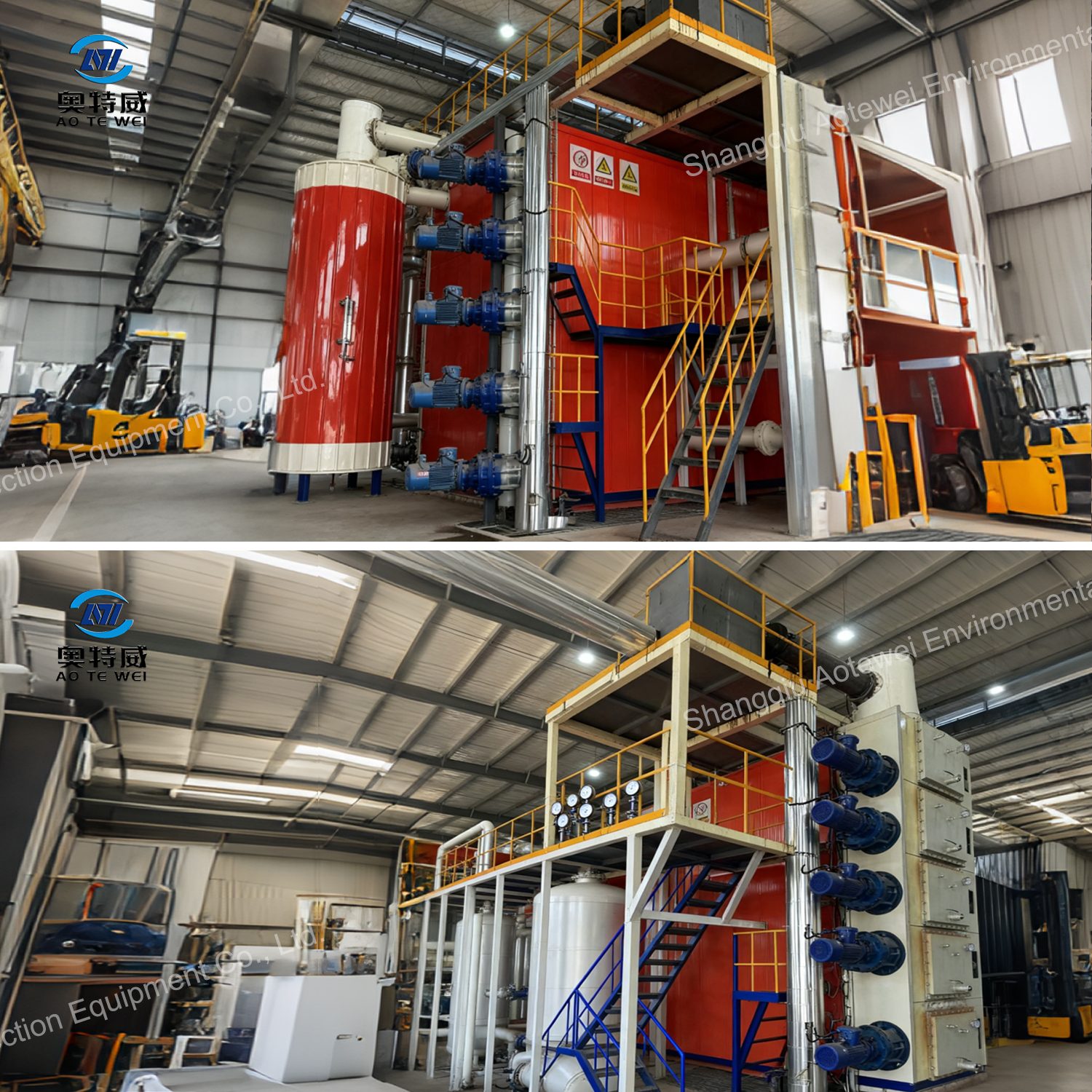
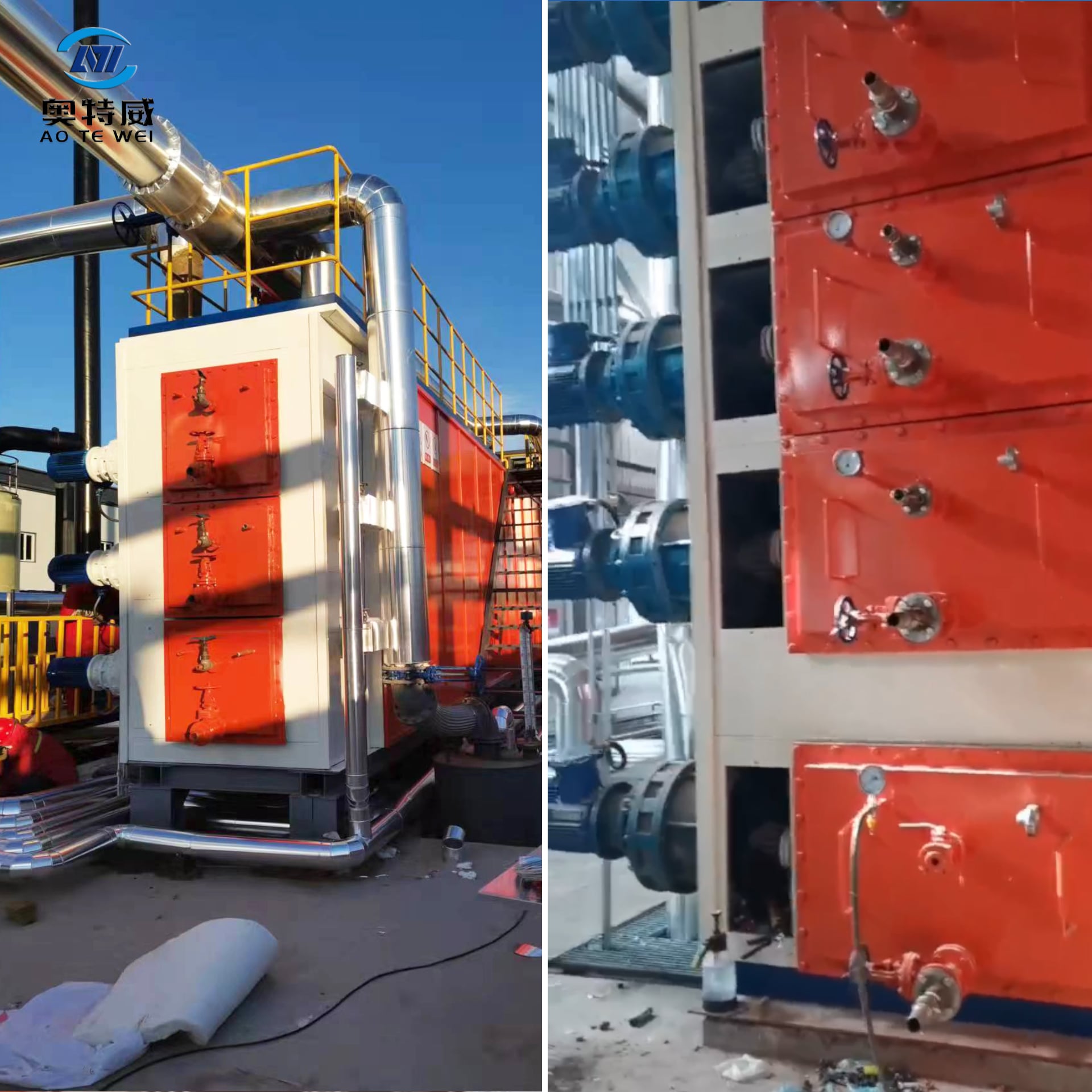
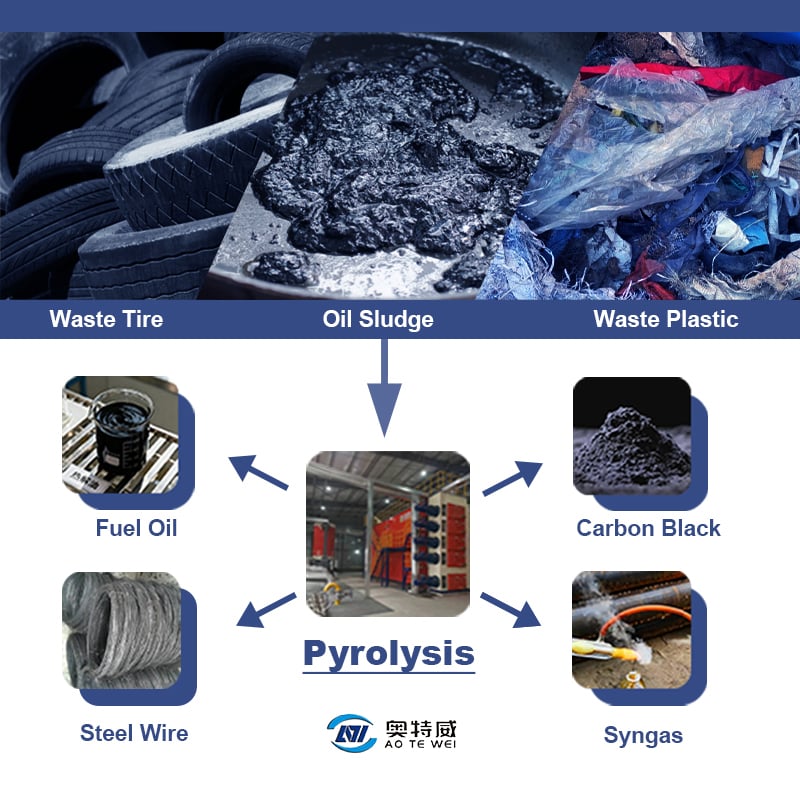
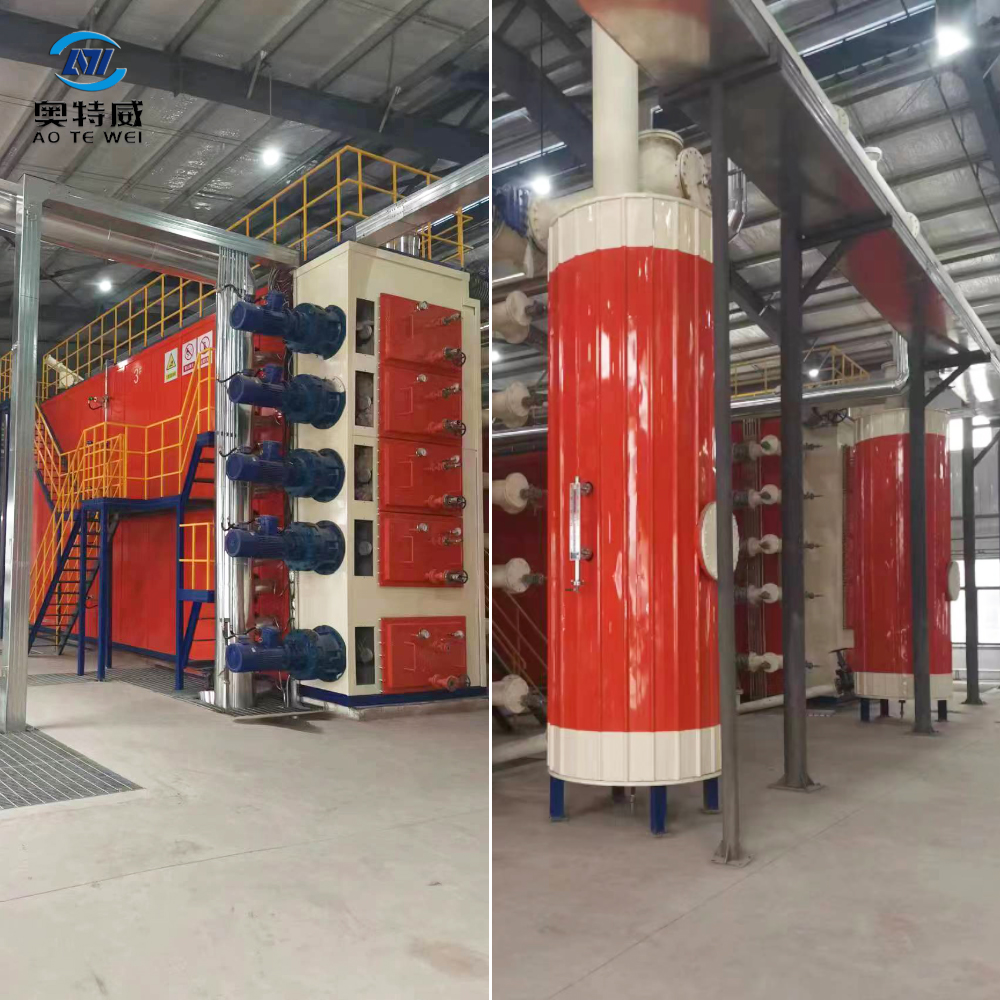
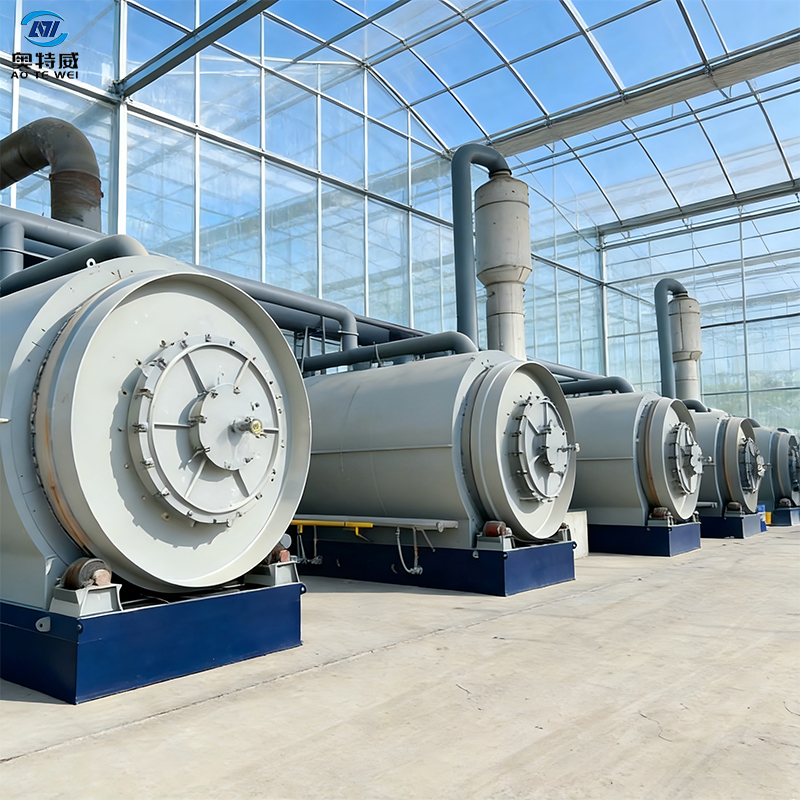
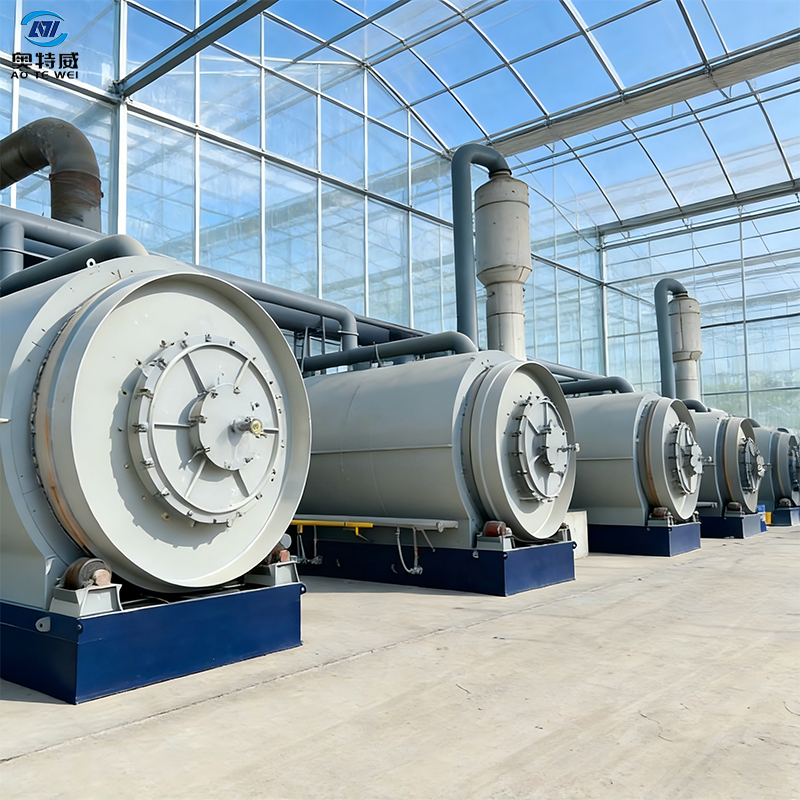
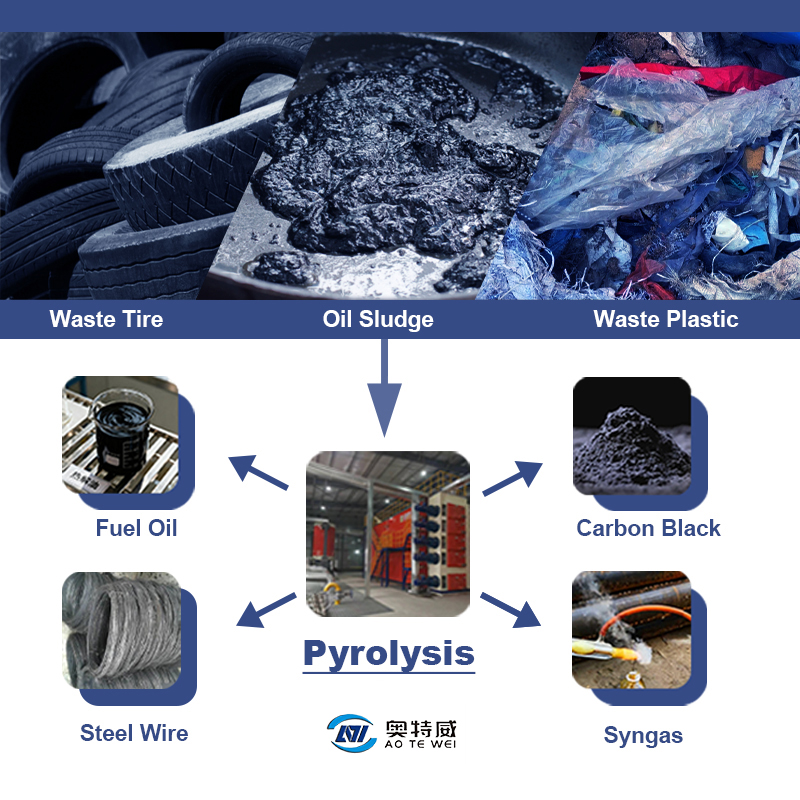
Waste tire disposal represents a critical environmental solution addressing one of the modern world's most pressing recycling challenges. Every year, billions of used tires reach the end of their service life, creating massive disposal problems if not handled properly. Advanced waste tire disposal systems transform these discarded tires into valuable resources through sophisticated processing techniques. The main functions of waste tire disposal include collecting used tires from various sources, systematically processing them through mechanical and thermal treatment methods, and converting the rubber materials into reusable products. Modern waste tire disposal facilities employ cutting-edge technology to maximize material recovery while minimizing environmental impact. The technological features of contemporary waste tire disposal systems include automated sorting mechanisms that separate different tire components, precision cutting equipment that reduces tires into manageable pieces, and specialized grinding machinery that produces various rubber particle sizes. These systems incorporate dust collection units to maintain air quality standards and magnetic separation devices to extract steel wire reinforcements embedded within tire structures. Advanced waste tire disposal operations utilize pyrolysis technology, which thermally decomposes rubber in oxygen-free environments, yielding valuable byproducts including carbon black, steel wire, and fuel oil. The applications of waste tire disposal extend across multiple industries and sectors. Recycled rubber from waste tire disposal finds use in manufacturing playground surfaces, athletic tracks, road construction materials, and various molded rubber products. The steel wire recovered through waste tire disposal processes supplies raw material for metallurgical industries, while pyrolysis oil serves as alternative fuel or feedstock for chemical production. Municipal waste management programs increasingly rely on waste tire disposal infrastructure to prevent illegal dumping and reduce landfill burden. Environmental protection agencies worldwide recognize waste tire disposal as essential for preventing tire stockpile fires, eliminating mosquito breeding grounds, and conserving natural resources through material recovery and reuse.

New Product Recommendations

Implementing proper waste tire disposal delivers substantial environmental benefits that directly improve community health and ecosystem protection. When you invest in waste tire disposal solutions, you actively prevent toxic chemicals from leaching into groundwater supplies, protecting drinking water sources for entire communities. Traditional tire dumping creates fire hazards that release dangerous pollutants into the atmosphere, but systematic waste tire disposal eliminates these risks entirely. Your facility gains significant economic advantages through waste tire disposal operations. The recovered materials generate revenue streams that offset processing costs, creating profitable business opportunities. Steel wire extraction through waste tire disposal provides high-quality scrap metal that commands favorable market prices. The carbon black produced during advanced waste tire disposal processes serves as a valuable commodity for rubber manufacturing, paint production, and printing ink formulation. Businesses implementing waste tire disposal systems reduce their operational expenses by converting waste management costs into profit-generating activities. The energy recovery potential of waste tire disposal presents remarkable opportunities for reducing dependence on fossil fuels. Tires contain significant calorific value, and modern waste tire disposal technologies capture this energy through controlled combustion or pyrolysis processes. Your operation can generate electricity, produce steam for industrial applications, or create alternative fuels that power vehicles and machinery. This energy independence translates into predictable operating costs and insulation from volatile fuel price fluctuations. Regulatory compliance becomes straightforward when you adopt comprehensive waste tire disposal practices. Environmental regulations increasingly mandate proper tire handling, and failure to comply results in substantial fines and legal consequences. Your business demonstrates corporate responsibility through effective waste tire disposal, enhancing brand reputation and customer trust. Government incentives and subsidies often support waste tire disposal initiatives, providing financial assistance for equipment purchases and operational expenses. The space-saving benefits of waste tire disposal cannot be overlooked. Whole tires consume enormous storage volumes, but processed materials from waste tire disposal require minimal space. Your facility maximizes available property while maintaining cleaner, more organized operations. The versatility of waste tire disposal systems accommodates various tire sizes and types, from passenger car tires to massive off-road vehicle tires. This flexibility ensures your investment remains valuable regardless of changing waste stream compositions. Job creation represents another significant advantage of waste tire disposal operations, providing employment opportunities for equipment operators, maintenance technicians, and logistics personnel. Your community benefits economically while addressing environmental challenges through sustainable waste tire disposal practices.

Latest News

Company Updates Factory Audit Video | On-site Shooting of Aotewei Environmental Protection Equipment, Transparently Showing Manufacturing Strength

08

Apr

Company Updates Factory Audit Video | On-site Shooting of Aotewei Environmental Protection Equipment, Transparently Showing Manufacturing Strength

To further improve supply chain transparency and optimize the factory audit experience for domestic and overseas customers, Shangqiu Aotewei Environmental Protection Equipment Co., Ltd. has recently completed a comprehensive update of its factory aud...
View More

Get a Free Quote

Our representative will contact you soon.
Email
WhatsApp / Mobile
Name
Company Name
Message
0/1000

waste tire disposal

Revolutionary Pyrolysis Technology for Maximum Resource Recovery

Revolutionary Pyrolysis Technology for Maximum Resource Recovery

The most advanced waste tire disposal systems incorporate revolutionary pyrolysis technology that fundamentally transforms how we reclaim value from used tires. This sophisticated waste tire disposal method employs thermal decomposition in carefully controlled, oxygen-free environments, breaking down complex rubber polymers into their constituent components. The pyrolysis-based waste tire disposal process operates at temperatures between 400 and 700 degrees Celsius, where molecular bonds within the rubber structure separate without combustion. This waste tire disposal technique yields three primary product streams: high-quality carbon black, clean steel wire, and valuable pyrolysis oil. The carbon black recovered through this waste tire disposal method exhibits characteristics nearly identical to virgin carbon black, making it suitable for demanding industrial applications. Manufacturers incorporate this recycled carbon black into new tire production, reducing dependence on petroleum-based raw materials while maintaining product performance standards. The steel wire extracted during waste tire disposal operations emerges completely clean and ready for metallurgical processing, commanding premium prices in scrap markets. Perhaps most significantly, the pyrolysis oil generated through waste tire disposal contains energy density comparable to conventional diesel fuel, providing versatile applications as industrial heating fuel or chemical industry feedstock. Environmental advantages of pyrolysis-based waste tire disposal extend far beyond simple material recovery. This waste tire disposal approach generates zero toxic emissions when properly operated, as the closed-system design prevents release of harmful volatiles into the atmosphere. The waste tire disposal process produces no wastewater, eliminating concerns about aquatic ecosystem contamination. Energy efficiency characterizes this waste tire disposal technology, as the system generates sufficient thermal energy to sustain its own operation after initial startup, dramatically reducing external energy requirements. Economic benefits multiply throughout the waste tire disposal value chain, as each recovered product stream generates revenue while simultaneously eliminating disposal costs. The modular design of contemporary pyrolysis waste tire disposal equipment allows operations to scale production capacity according to available tire feedstock and market demand. Automated control systems within modern waste tire disposal facilities ensure consistent product quality while minimizing labor requirements, maximizing profitability for operators who implement this advanced waste tire disposal solution.
Mechanical Processing Excellence for Diverse End Products

Mechanical Processing Excellence for Diverse End Products

Mechanical processing represents the cornerstone of versatile waste tire disposal operations, offering unmatched flexibility in producing materials for countless applications. This waste tire disposal approach utilizes sequential size reduction equipment to transform whole tires into precisely sized rubber particles, chips, and powder. The mechanical waste tire disposal process begins with primary shredding, where powerful cutting mechanisms reduce tires into strips approximately two to four inches wide. This initial waste tire disposal stage removes the bulk volume while preparing material for subsequent processing. Secondary granulation equipment in the waste tire disposal system further reduces particle size to specifications ranging from coarse chips to fine crumb rubber. The most sophisticated waste tire disposal facilities incorporate cryogenic grinding technology, which freezes rubber to temperatures below negative 80 degrees Celsius, making the material brittle and enabling ultra-fine powder production. This specialized waste tire disposal technique produces rubber powder with particle sizes as small as 30 mesh, opening applications in asphalt modification, molded products, and advanced manufacturing. Throughout the mechanical waste tire disposal process, integrated magnetic separators continuously extract steel belts and bead wires, while air classification systems remove textile fibers, ensuring purified rubber output. The rubber materials produced through mechanical waste tire disposal find immediate application across construction, manufacturing, and consumer product industries. Civil engineering projects incorporate crumb rubber from waste tire disposal operations into asphalt concrete, creating rubberized roadways that exhibit superior durability, reduced traffic noise, and improved skid resistance compared to conventional pavement. Athletic surface manufacturers utilize waste tire disposal products to create shock-absorbent playing fields, running tracks, and playground safety surfacing that protects children from injury. Molding companies blend waste tire disposal rubber into automotive parts, industrial matting, railroad crossing pads, and countless other products that benefit from rubber's unique properties. The economic efficiency of mechanical waste tire disposal stems from relatively low capital investment requirements and straightforward operational procedures that minimize technical expertise needs. Processing capacity of mechanical waste tire disposal systems ranges from small operations handling several tons daily to industrial-scale facilities processing hundreds of tons. This scalability makes waste tire disposal accessible to businesses of all sizes, from local recycling centers to regional processing hubs serving multiple states or provinces.
Comprehensive Environmental Protection and Compliance Benefits

Comprehensive Environmental Protection and Compliance Benefits

Modern waste tire disposal systems deliver comprehensive environmental protection that extends far beyond simple waste reduction, addressing multiple ecological concerns simultaneously. The environmental crisis of waste tire accumulation has plagued communities worldwide for decades, with abandoned tire piles creating serious public health hazards and ecosystem damage. Effective waste tire disposal eliminates these stockpiles, preventing mosquito-borne disease transmission that occurs when water collects inside discarded tires. Disease-carrying mosquitoes breed prolifically in tire-contained water, and proper waste tire disposal removes these breeding sites entirely, protecting public health in surrounding communities. Fire prevention represents another critical environmental benefit of systematic waste tire disposal. Tire fires burn at extraordinarily high temperatures, producing thick black smoke laden with toxic compounds including heavy metals, dioxins, and volatile organic compounds that contaminate air quality for miles around the fire site. These tire fire pollutants cause respiratory problems, increase cancer risks, and damage vegetation over wide areas. Professional waste tire disposal prevents such catastrophic events by processing tires in controlled environments with appropriate safety measures and emission controls. The soil and water protection aspects of waste tire disposal prove equally important for ecosystem health. When tires decompose in landfills or illegal dumps, they leach toxic chemicals including zinc, lead, and polyaromatic hydrocarbons into surrounding soil and groundwater. These contaminants persist for decades, rendering water supplies unsafe and damaging soil fertility. Proper waste tire disposal channels these materials into controlled processing where potential pollutants are captured, neutralized, or converted into stable, non-toxic forms. Resource conservation through waste tire disposal significantly reduces environmental impact associated with virgin material extraction and processing. Each ton of recycled rubber from waste tire disposal operations displaces demand for newly manufactured rubber, conserving petroleum resources and reducing energy consumption. The steel recovered through waste tire disposal similarly reduces iron ore mining requirements and associated environmental disruption. Regulatory compliance advantages of structured waste tire disposal programs protect businesses from legal liability and financial penalties. Environmental agencies worldwide have implemented stringent regulations governing tire handling, storage, and processing. Companies that establish robust waste tire disposal protocols demonstrate due diligence in environmental stewardship, avoiding violations that result in substantial fines. Many jurisdictions offer grants, tax incentives, and preferential permitting for businesses implementing approved waste tire disposal systems, recognizing the public benefit these operations provide. Corporate social responsibility profiles strengthen considerably when organizations invest in legitimate waste tire disposal infrastructure, enhancing brand reputation and customer loyalty.

Get a Free Quote

Our representative will contact you soon.
Email
WhatsApp / Mobile
Name
Company Name
Message
0/1000
Newsletter
Please Leave A Message With Us