إعادة تدوير البلاستيك كيميائيًا
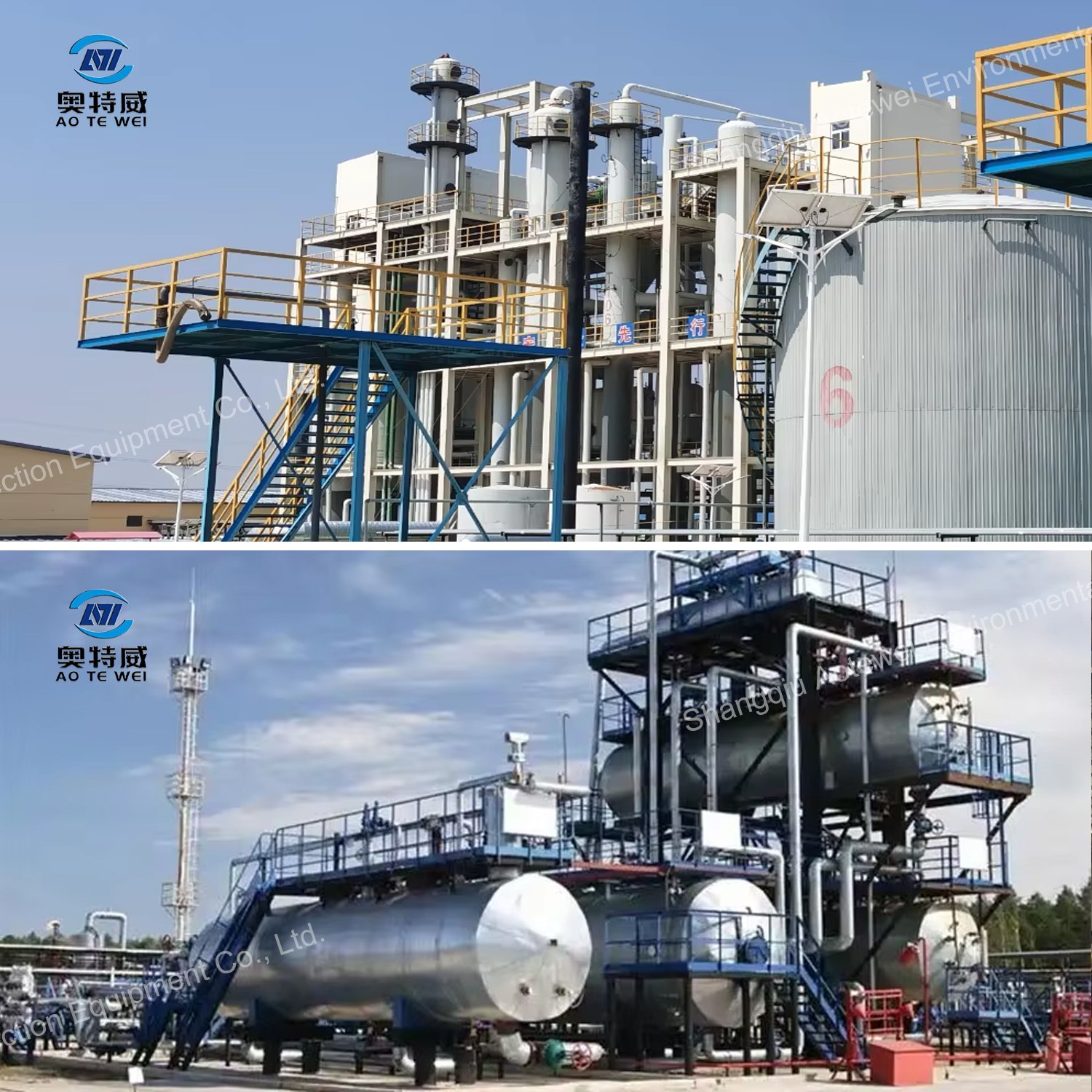
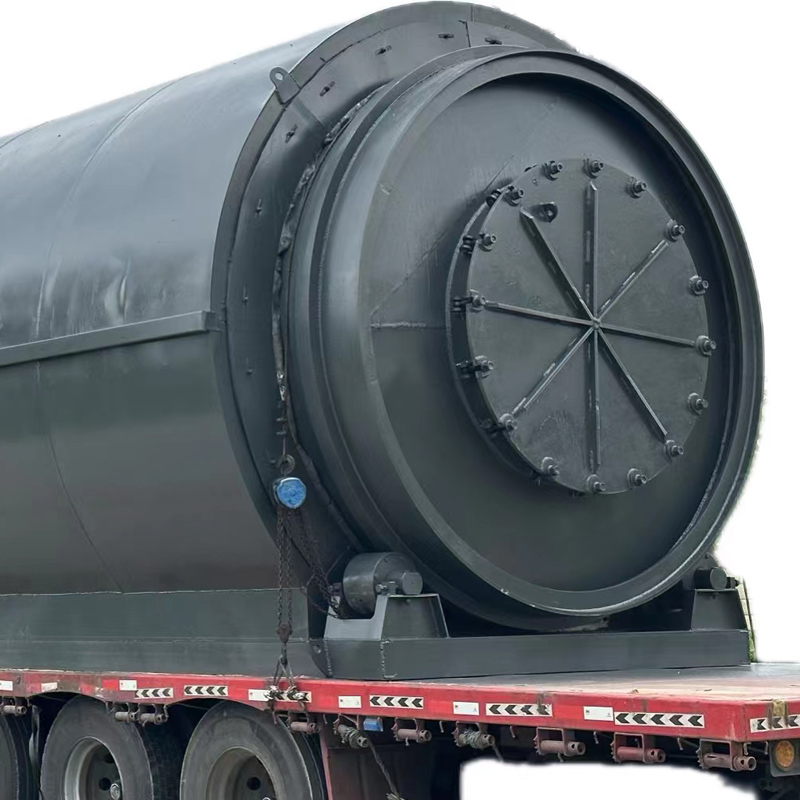
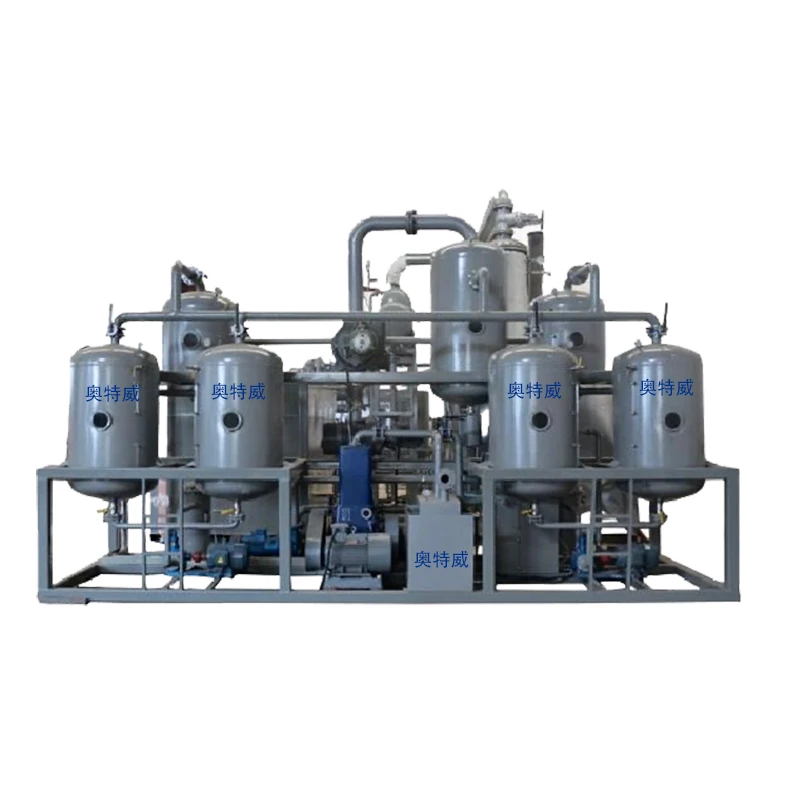
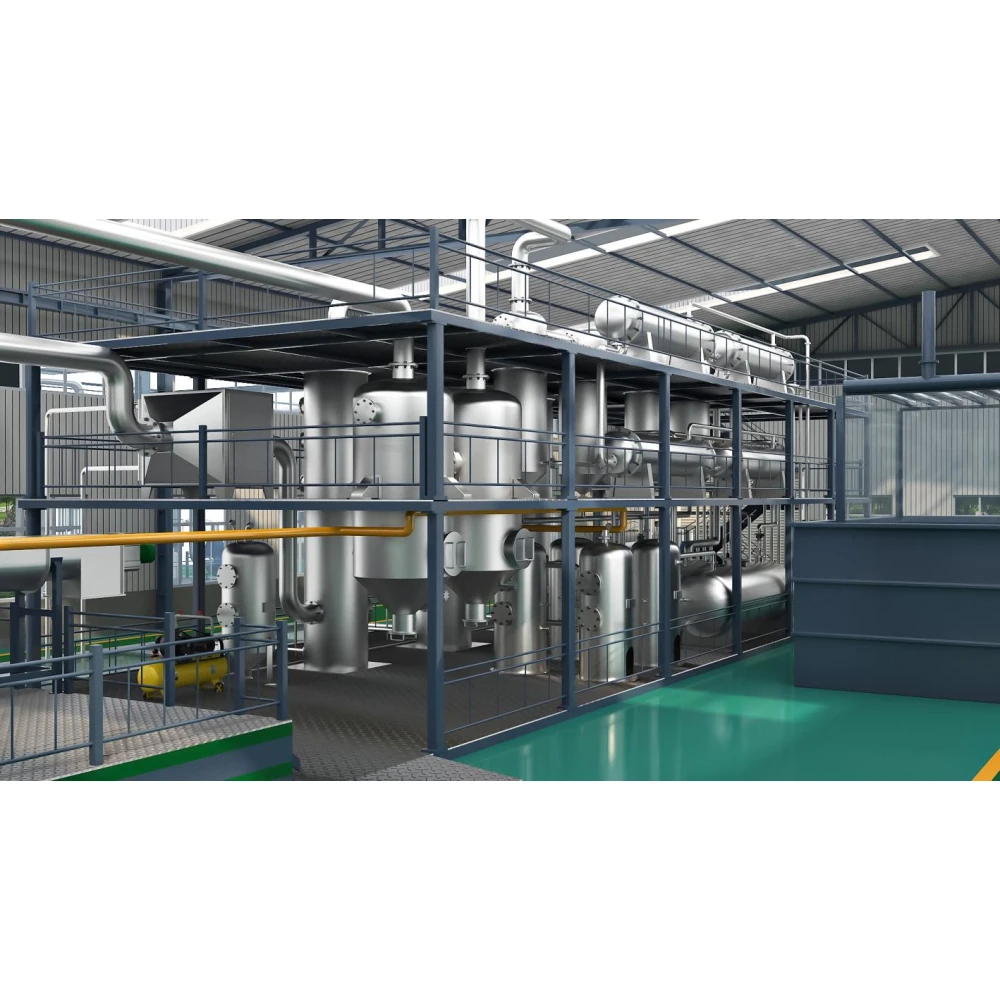
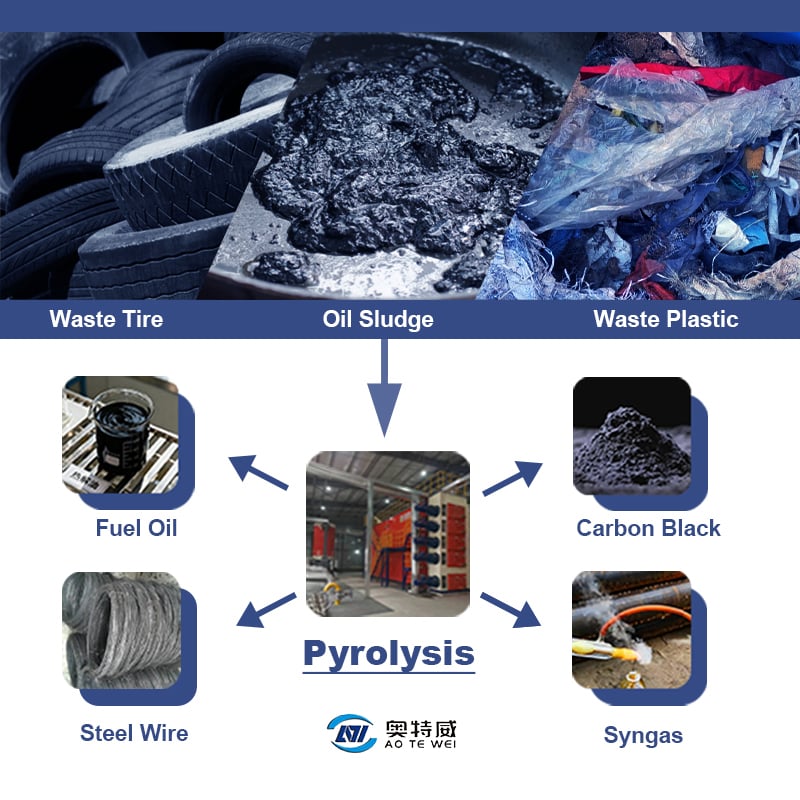
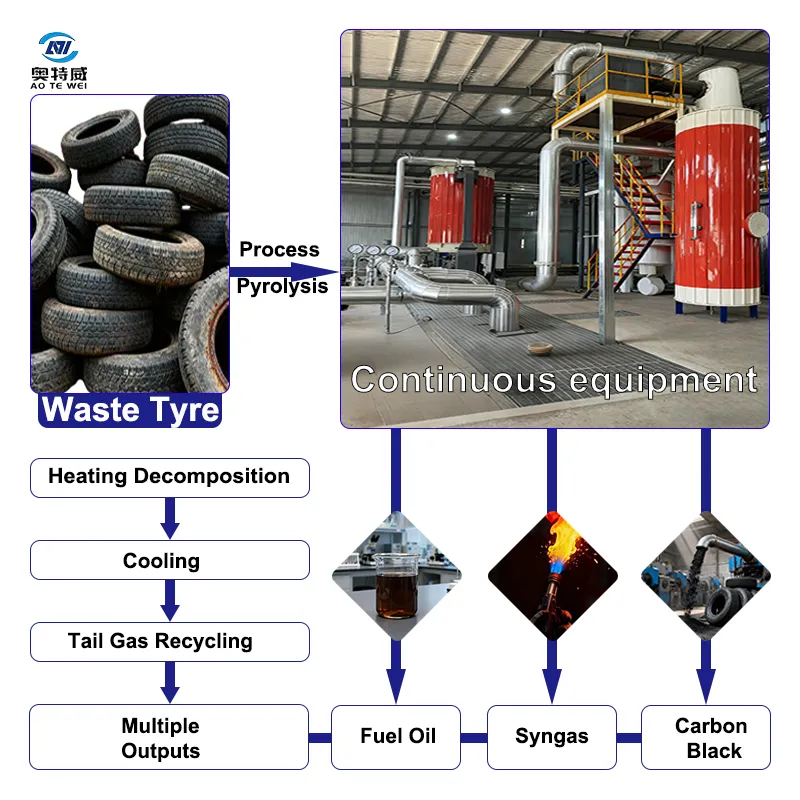
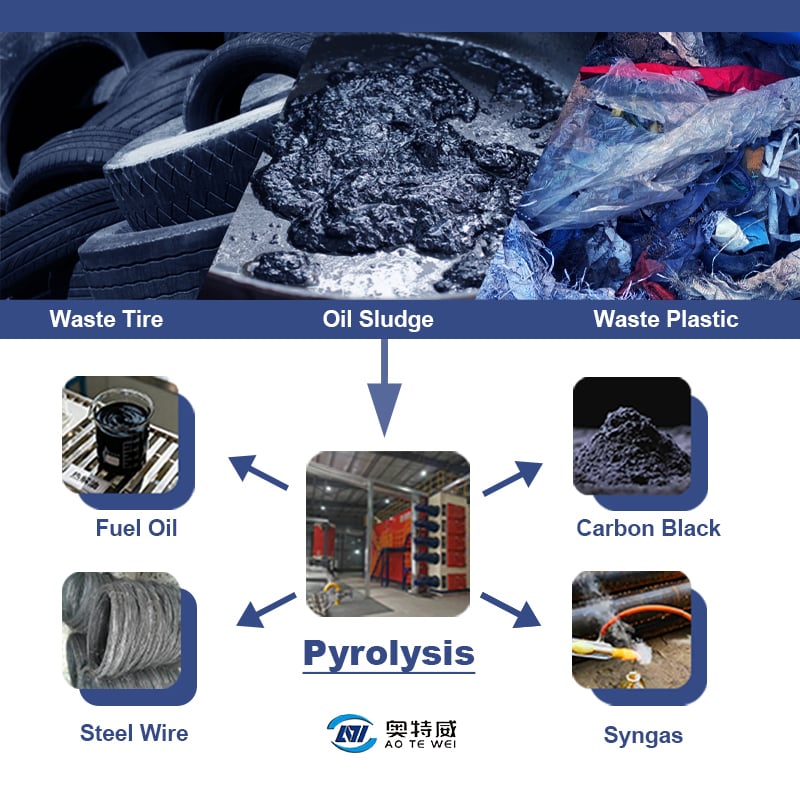
إعادة التدوير الكيميائي للبلاستيك تُعَدُّ نهجاً ثورياً لمواجهة تحديات النفايات البلاستيكية عالمياً. وتتمثّل هذه العملية المبتكرة في تفكيك المواد البلاستيكية على المستوى الجزيئي، وإعادتها إلى وحداتها الكيميائية الأصلية أو إنتاج مواد أولية جديدة. وعلى عكس إعادة التدوير الميكانيكي التي تؤدي إلى تدهور جودة البلاستيك عبر دورات المعالجة المتكررة، فإن إعادة التدوير الكيميائي للبلاستيك تحافظ على سلامة المادة وتتيح إمكانية إعادة التدوير بشكل غير محدود. ومن أبرز وظائفها: التحلل التبلمري، حيث تُفصَّل البوليمرات إلى وحداتها المونومرية، والانشطار، الذي يحوّل السلاسل الطويلة من الهيدروكربونات إلى جزيئات أقصر وأكثر فائدة. وتستخدم هذه العمليات تقنيات متقدمة مثل الانحلال الحراري، والتحوّل الغازي، والتحليل المائي لتحقيق التحوّل على المستوى الجزيئي. وتعمل عملية إعادة التدوير الكيميائي للبلاستيك عبر تسخين النفايات البلاستيكية في بيئات خاضعة للرقابة، سواءً بوجود عوامل حفازة أو بدونها، لكسر الروابط الكيميائية وإعادة توليد مواد ذات جودة مماثلة للمواد الأولية النقية. ومن السمات التقنية لهذه العملية: التحكم الدقيق في درجة الحرارة، وتصميم المفاعلات الخاص، وأنظمة الفصل المتطورة، والتي تتعامل مع تدفقات بلاستيكية ملوثة أو مختلطة لا يمكن معالجتها عبر إعادة التدوير الميكانيكي. وتشمل مجالات التطبيق قطاعات صناعية متعددة، منها تصنيع السيارات، وإنتاج العبوات، وصناعة المنسوجات، وتصنيع السلع الاستهلاكية. وبذلك، تمكن إعادة التدوير الكيميائي للبلاستيك الشركات من إنتاج مواد ذات جودة أولية نقية مع الحدّ من الاعتماد على استخراج الوقود الأحفوري، ما يجعلها عنصراً جوهرياً لتحقيق أهداف الاستدامة واقتصاد الدورة المغلقة في بيئات التصنيع الحديثة.