Chemical Recycling of Plastics: Advanced Solutions for Sustainable Waste Transformation

Get a Free Quote

Our representative will contact you soon.
Email
WhatsApp / Mobile
Name
Company Name
Message
0/1000

chemical recycling of plastics

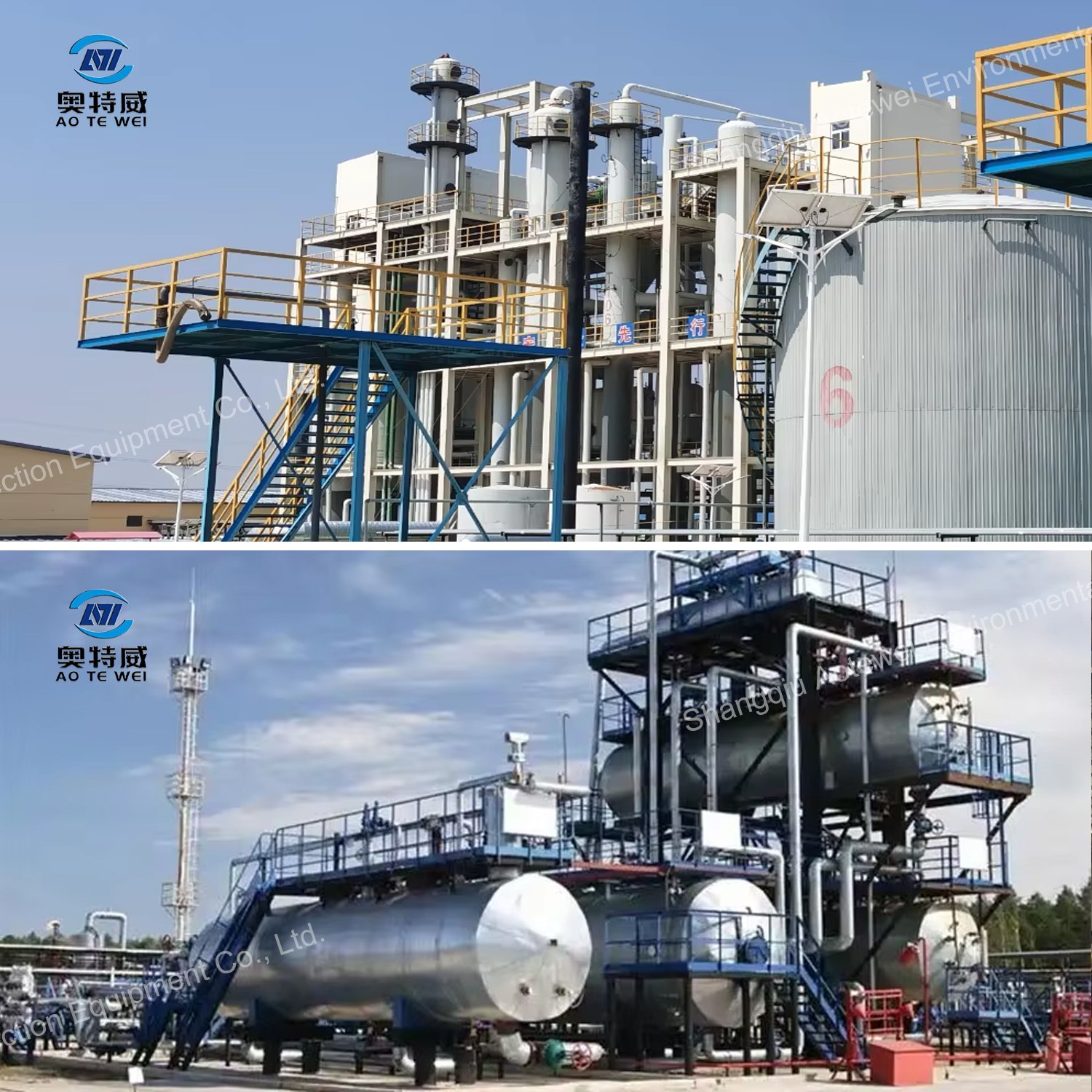
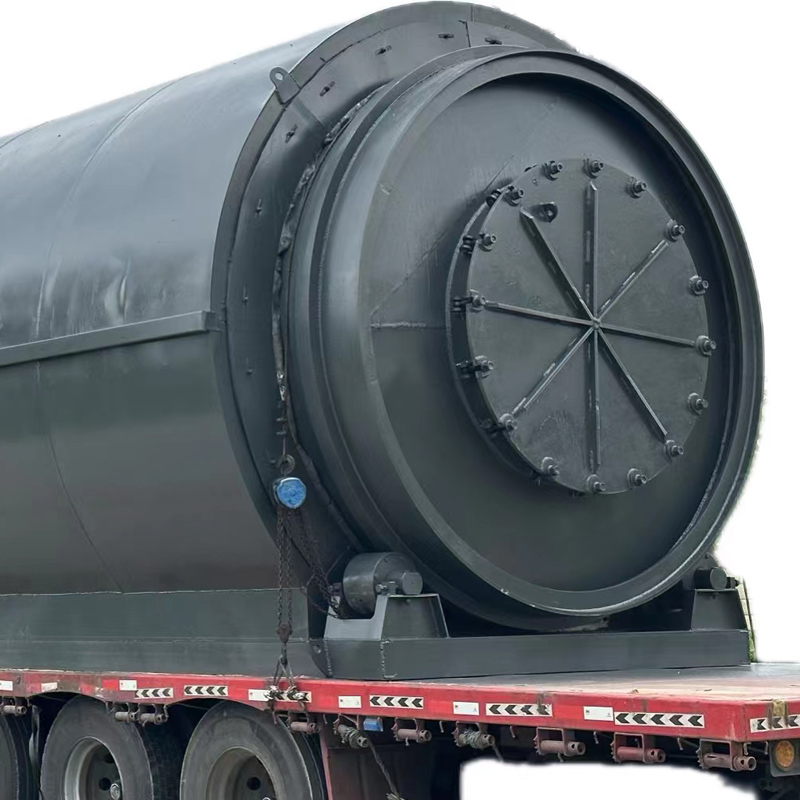
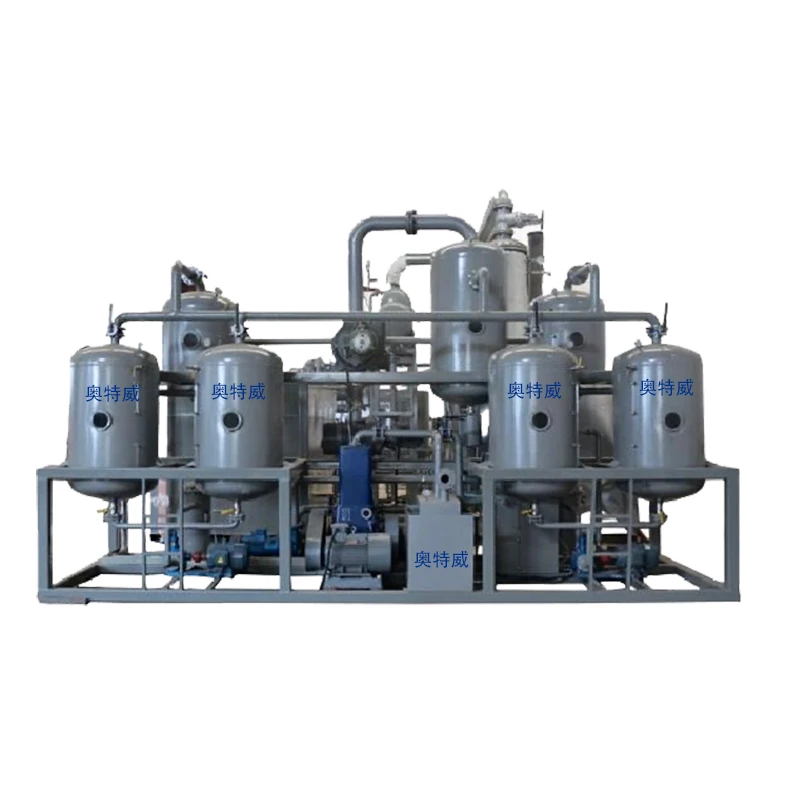
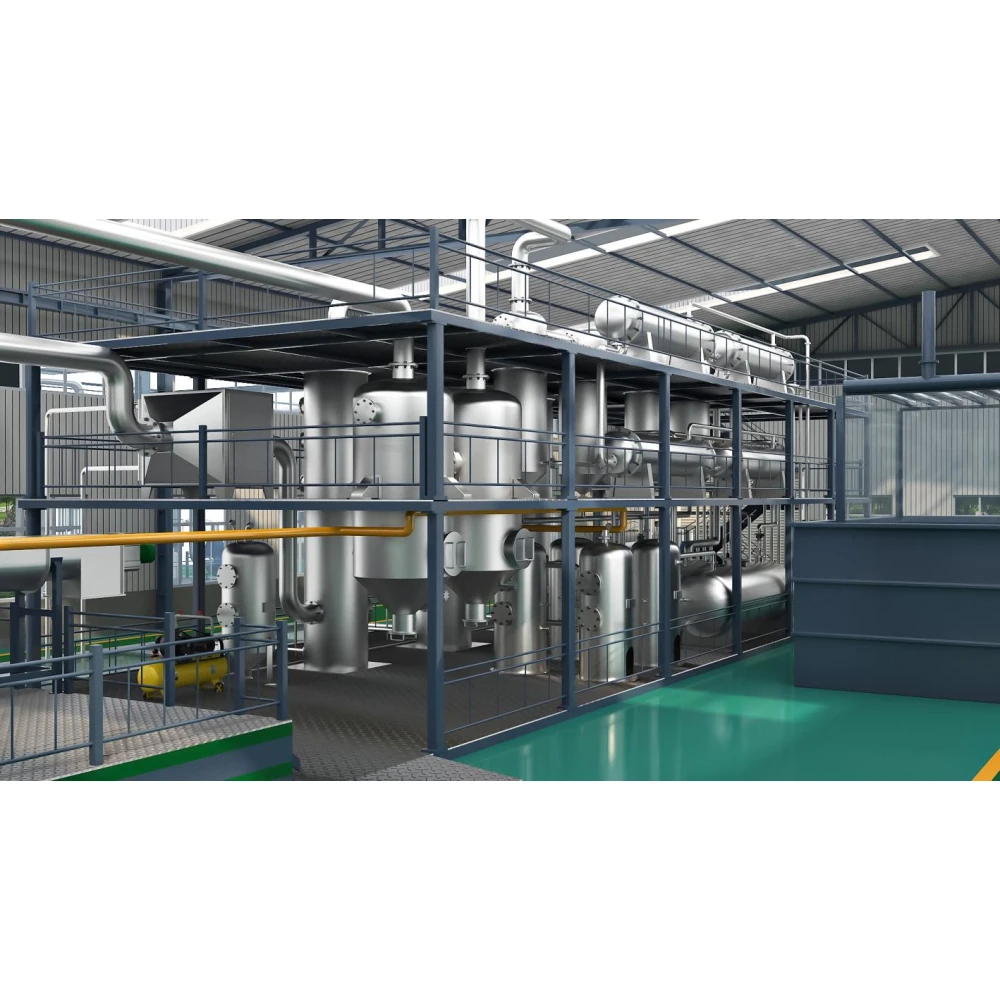
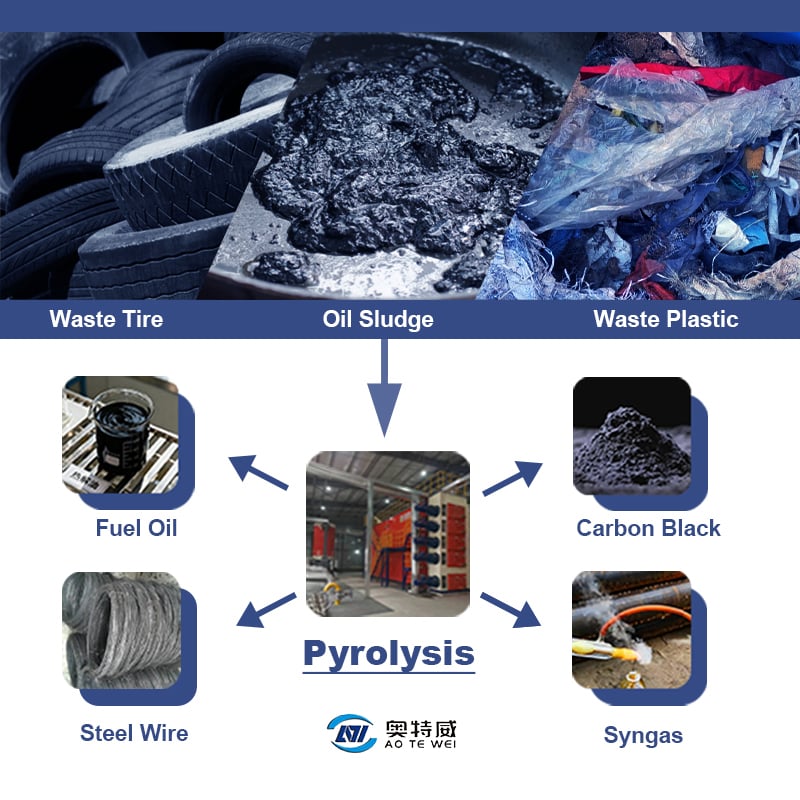
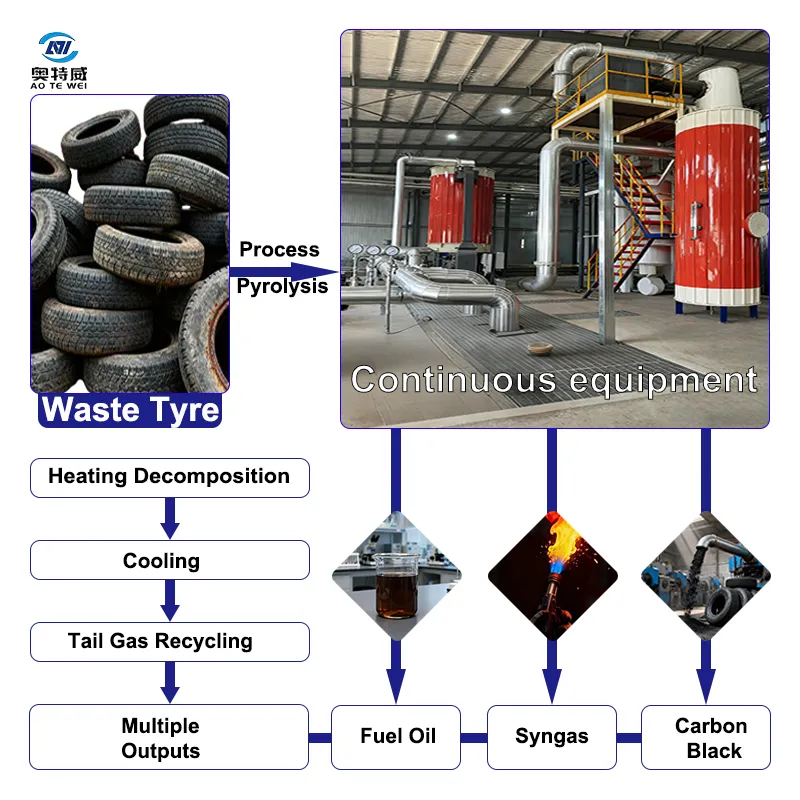
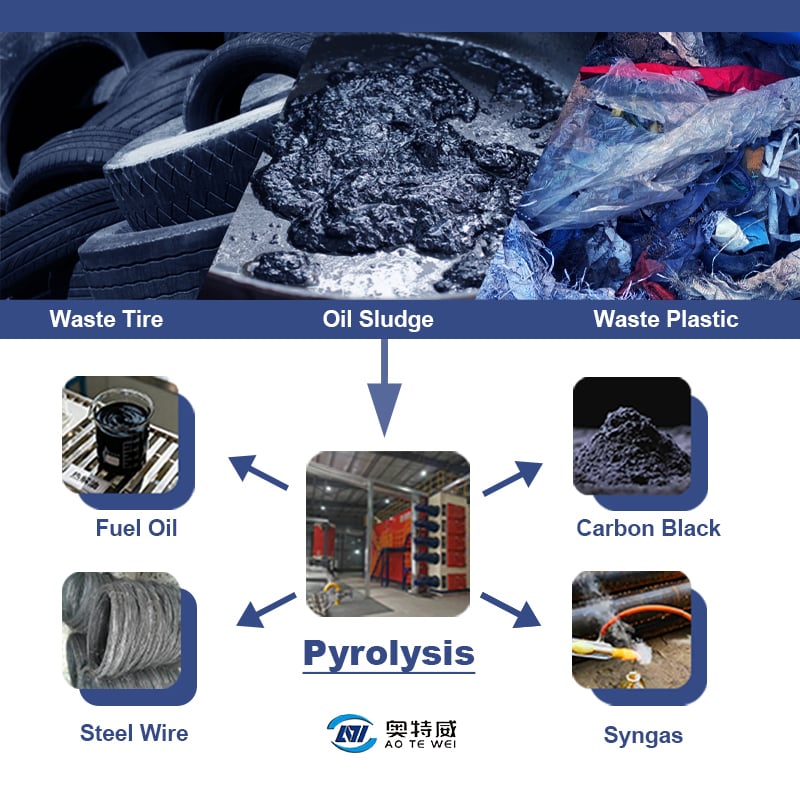
Chemical recycling of plastics represents an innovative approach to managing plastic waste through molecular transformation processes. Unlike traditional mechanical recycling that simply melts and reshapes plastic materials, chemical recycling of plastics breaks down polymer chains into their fundamental building blocks or converts them into valuable chemical feedstocks. This advanced technology addresses the growing environmental crisis of plastic accumulation while creating opportunities for circular economy implementation. The main function of chemical recycling of plastics involves converting post-consumer and post-industrial plastic waste into raw materials that can produce new plastics or other valuable products. Through various technological processes including pyrolysis, gasification, depolymerization, and solvolysis, chemical recycling of plastics transforms waste that would otherwise end up in landfills or oceans into resources. The technological features of chemical recycling of plastics include its ability to process contaminated or mixed plastic waste that mechanical recycling cannot handle effectively. This method can treat multilayer packaging, colored plastics, and materials degraded through previous use cycles. Chemical recycling of plastics employs high temperatures, catalysts, or solvents to break molecular bonds, creating monomers, oligomers, or syngas that serve as feedstock for manufacturing. Applications of chemical recycling of plastics span multiple industries. The petrochemical sector uses outputs to create virgin-quality polymers. Fuel production facilities convert plastic waste into synthetic fuels. The packaging industry benefits from food-grade materials produced through chemical recycling of plastics. Automotive, construction, and electronics sectors incorporate these recycled materials into their products. This technology bridges the gap between waste management and resource recovery, offering solutions for plastics that have reached the end of their mechanical recycling life. As global plastic production continues to increase, chemical recycling of plastics provides a complementary solution to mechanical methods, helping industries move toward sustainability goals while reducing dependence on fossil fuel-based raw materials.

New Product Releases

Chemical recycling of plastics delivers numerous practical benefits that make it an attractive solution for businesses and communities seeking sustainable waste management options. First, this technology processes plastics that traditional methods cannot handle. You can now recycle contaminated plastics, mixed plastic waste, and complex packaging materials that previously had no recycling pathway. This capability means less waste goes to landfills and incinerators, directly reducing your environmental footprint and waste disposal costs. Chemical recycling of plastics produces materials with quality comparable to virgin plastics. Your products maintain the same performance standards, appearance, and safety certifications as those made from new materials. This quality advantage matters especially for applications requiring high purity, such as food packaging or medical supplies. You no longer face the quality degradation that occurs with repeated mechanical recycling cycles. The process creates genuine circularity for plastics. Chemical recycling of plastics allows materials to cycle through the system multiple times without quality loss. You can transform old products back into raw materials repeatedly, building a truly circular supply chain. This reduces your need for petroleum-based feedstocks, lowering costs and improving supply chain security against oil price fluctuations. Energy recovery represents another significant benefit. Chemical recycling of plastics converts waste into fuels and energy carriers, providing alternatives to fossil fuels. You can power operations with energy derived from plastic waste, creating closed-loop systems within industrial facilities. This dual benefit of waste reduction and energy generation improves operational efficiency and sustainability metrics. The technology supports compliance with increasingly strict environmental regulations. Governments worldwide implement extended producer responsibility laws and recycled content mandates. Chemical recycling of plastics helps you meet these requirements while demonstrating environmental leadership to customers and stakeholders. You gain competitive advantages through sustainability credentials and reduced regulatory risks. Economic opportunities emerge through chemical recycling of plastics. You can establish new revenue streams by converting waste into valuable products. Companies reduce raw material procurement costs while potentially selling recycled outputs. Local job creation follows facility development, supporting community economies. The scalability of chemical recycling of plastics accommodates operations from small regional facilities to large industrial complexes. You can start with capacity matching local waste streams and expand as volumes grow. This flexibility makes the technology accessible for various organizational sizes and investment capabilities, democratizing access to advanced recycling solutions.

Tips And Tricks

Company Updates Factory Audit Video | On-site Shooting of Aotewei Environmental Protection Equipment, Transparently Showing Manufacturing Strength

08

Apr

Company Updates Factory Audit Video | On-site Shooting of Aotewei Environmental Protection Equipment, Transparently Showing Manufacturing Strength

To further improve supply chain transparency and optimize the factory audit experience for domestic and overseas customers, Shangqiu Aotewei Environmental Protection Equipment Co., Ltd. has recently completed a comprehensive update of its factory aud...
View More

Get a Free Quote

Our representative will contact you soon.
Email
WhatsApp / Mobile
Name
Company Name
Message
0/1000

chemical recycling of plastics

Superior Waste Processing Capabilities That Transform Previously Unrecyclable Materials

Superior Waste Processing Capabilities That Transform Previously Unrecyclable Materials

Chemical recycling of plastics stands out for its remarkable ability to process waste materials that conventional recycling systems reject. This technological advantage addresses one of the most pressing challenges in waste management: what to do with contaminated, mixed, or degraded plastics. Traditional mechanical recycling requires clean, sorted, single-polymer streams to function effectively. When plastics contain food residues, labels, adhesives, or multiple polymer types laminated together, mechanical systems fail. Chemical recycling of plastics overcomes these limitations through molecular-level processing that separates contaminants and breaks down complex structures. Consider multilayer food packaging, which combines different plastics with aluminum layers to preserve freshness. These materials protect products effectively but create recycling nightmares. Chemical recycling of plastics dissolves or decomposes these complex assemblies, recovering valuable materials from each layer. You gain the ability to recycle products that previously had no end-of-life solution except disposal. The technology processes colored plastics without quality concerns. Mechanical recycling of colored plastics produces dark, low-value outputs because colors mix during melting. Chemical recycling of plastics strips away colorants during molecular breakdown, yielding clear base materials. You can create any color in the final product, maintaining market value and application versatility. Degraded plastics from long-term use or environmental exposure regain value through chemical recycling of plastics. Materials that have become brittle, discolored, or weakened through oxidation get restored to molecular building blocks. This capability extends the resource value of plastics beyond their functional lifetime, recovering materials from products used for years or decades. The implications for waste reduction are substantial. Municipalities currently send millions of tons of mixed plastics to landfills because sorting costs exceed material values. Chemical recycling of plastics makes these waste streams economically viable. You can establish collection systems for materials previously considered trash, dramatically increasing recycling rates. Industries generating complex plastic waste benefit particularly from chemical recycling of plastics. Automotive manufacturers produce bumpers, dashboards, and interior components combining multiple materials. Electronics companies create devices with plastic housings containing additives and composite structures. Construction projects generate mixed plastic debris. Chemical recycling of plastics provides these sectors with responsible disposal solutions, supporting corporate sustainability commitments and circular economy goals.
Production of Virgin-Quality Materials Enabling Unlimited Recycling Cycles

Production of Virgin-Quality Materials Enabling Unlimited Recycling Cycles

The quality of materials produced through chemical recycling of plastics represents a transformative advantage over mechanical recycling methods. When you mechanically recycle plastics, heat and physical stress during melting degrade polymer chains. Each recycling cycle shortens these chains, reducing material strength, clarity, and performance. After several cycles, mechanically recycled plastics become unsuitable for demanding applications, ultimately requiring disposal or downcycling into low-value products. Chemical recycling of plastics eliminates this degradation problem by returning materials to their molecular origins. The process breaks polymers completely down into monomers or converts them into chemical feedstocks. These building blocks match the quality of those derived from petroleum. When manufacturers use these materials to create new plastics, the products exhibit properties identical to virgin materials. You cannot distinguish between plastics made from chemically recycled waste and those from fossil fuels through performance testing. This quality equivalence opens applications previously closed to recycled content. Food packaging regulations demand materials meeting strict purity and safety standards. Many jurisdictions prohibit mechanically recycled content in direct food contact applications due to contamination concerns. Chemical recycling of plastics produces materials that pass food safety certifications because the molecular breakdown eliminates contaminants and the reconstruction creates pure polymers. You can manufacture food containers, bottles, and films from 100 percent chemically recycled content, meeting both sustainability goals and regulatory requirements. Medical applications similarly benefit from chemical recycling of plastics. Healthcare products require materials with consistent properties, biocompatibility, and sterility assurance. Chemically recycled plastics meet these demanding specifications, enabling sustainable medical device manufacturing without compromising patient safety. You contribute to healthcare sustainability while maintaining the quality standards that protect lives. The concept of infinite recyclability becomes reality through chemical recycling of plastics. Materials cycle through use, collection, chemical breakdown, and remanufacturing indefinitely without quality loss. You establish truly circular material flows where today's products become tomorrow's resources at equivalent value. This contrasts sharply with mechanical recycling's downward spiral of decreasing quality and value. Economic implications favor chemical recycling of plastics for quality-conscious manufacturers. Virgin-quality recycled materials command premium prices compared to mechanically recycled alternatives. You can position products as sustainable without accepting performance compromises or limiting applications. Brand owners maintain product integrity while achieving recycled content goals, satisfying both environmental objectives and consumer expectations for quality.
Significant Environmental and Economic Benefits Through Resource Recovery and Energy Generation

Significant Environmental and Economic Benefits Through Resource Recovery and Energy Generation

Chemical recycling of plastics delivers compelling environmental advantages that extend beyond simple waste diversion. The technology fundamentally changes how we view plastic waste, transforming it from an environmental liability into a resource asset. By recovering materials and energy from plastics that would otherwise pollute ecosystems, chemical recycling of plastics addresses multiple environmental challenges simultaneously while creating economic value. Carbon footprint reduction represents a primary environmental benefit. Producing plastics from petroleum requires extracting, transporting, and processing fossil fuels, releasing substantial greenhouse gases. Chemical recycling of plastics reduces these emissions by substituting recycled feedstocks for virgin materials. You lower the carbon intensity of plastic production while reducing the waste requiring disposal. Life cycle assessments consistently show chemical recycling of plastics produces fewer emissions than manufacturing from crude oil, particularly when waste transportation distances remain reasonable. Ocean plastic pollution, one of the most visible environmental crises, finds partial solutions through chemical recycling of plastics. Coastal collection programs gather marine debris that chemical processes can convert into valuable materials. You help remove plastics from ecosystems while creating economic incentives for cleanup activities. This closes the loop between pollution and production, making environmental restoration financially sustainable. Landfill space preservation matters for communities facing capacity constraints. Plastics occupy landfill volume for centuries without decomposing. Chemical recycling of plastics diverts these persistent materials from disposal sites, extending landfill lifetimes and reducing the need for new disposal facilities. You decrease land use for waste management while recovering resource value. Energy generation through chemical recycling of plastics provides additional environmental and economic returns. Processes like pyrolysis produce synthetic fuels usable in existing infrastructure. You convert waste into energy carriers, displacing fossil fuel consumption. Industrial facilities can achieve energy self-sufficiency using plastic waste as feedstock, simultaneously solving waste problems and reducing energy costs. This dual benefit improves operational economics while lowering environmental impact. Resource security emerges as a strategic advantage. Chemical recycling of plastics reduces dependence on petroleum imports and volatile oil markets. You establish domestic material sources from waste streams, improving supply chain resilience. Countries and regions develop circular economies less vulnerable to global commodity price fluctuations and supply disruptions. Economic development follows chemical recycling of plastics infrastructure investment. Facilities create skilled jobs in engineering, operations, and maintenance. Local waste collection and sorting operations expand employment opportunities. Communities benefit from tax revenues and reduced waste management costs. You contribute to regional economic development while advancing environmental goals. The technology supports corporate sustainability reporting and environmental, social, and governance commitments. Chemical recycling of plastics provides measurable metrics for waste diversion, carbon reduction, and circular economy implementation. You demonstrate environmental leadership to stakeholders, customers, and investors, enhancing corporate reputation and potentially accessing sustainability-linked financing with favorable terms.

Get a Free Quote

Our representative will contact you soon.
Email
WhatsApp / Mobile
Name
Company Name
Message
0/1000
Newsletter
Please Leave A Message With Us