crude petroleum distillation
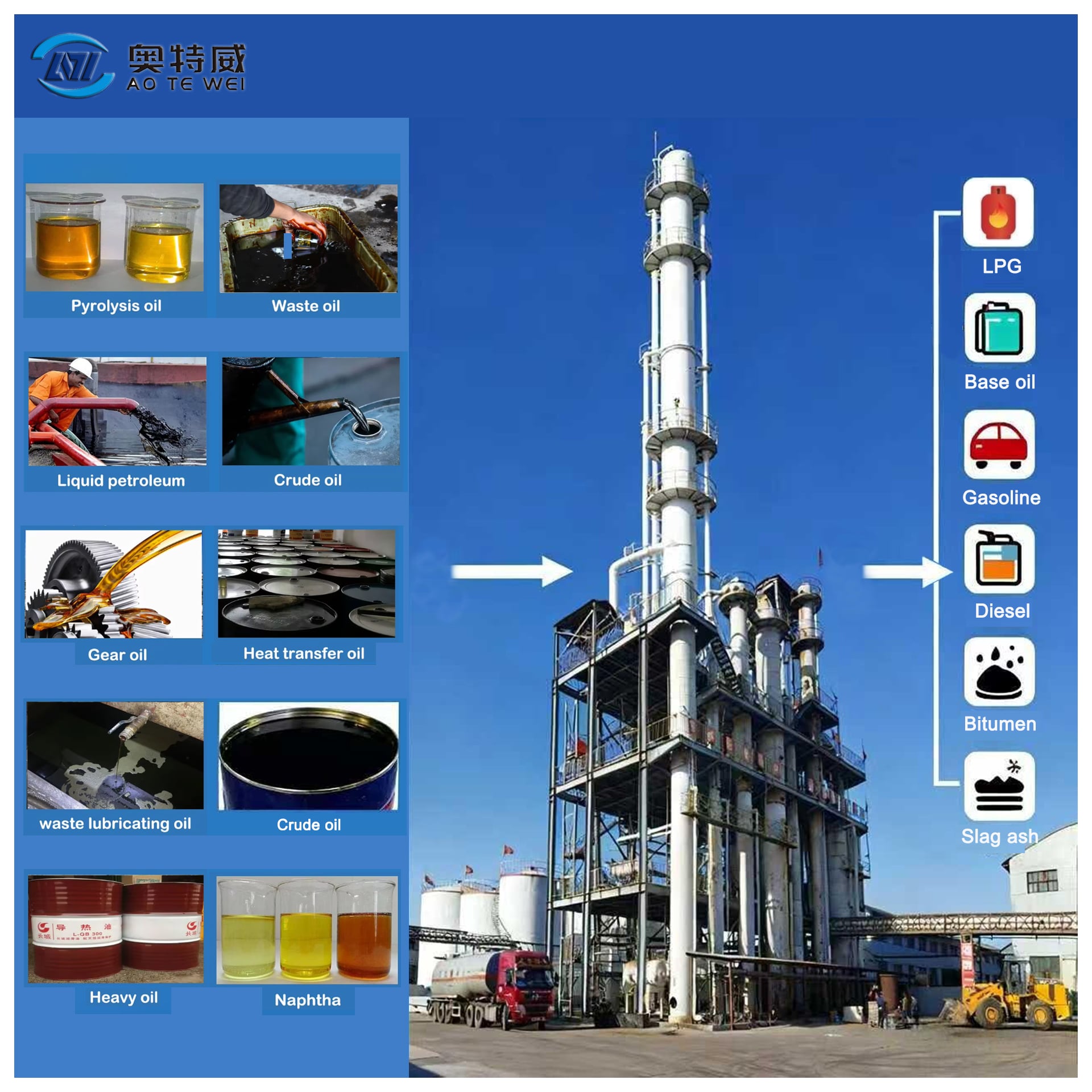
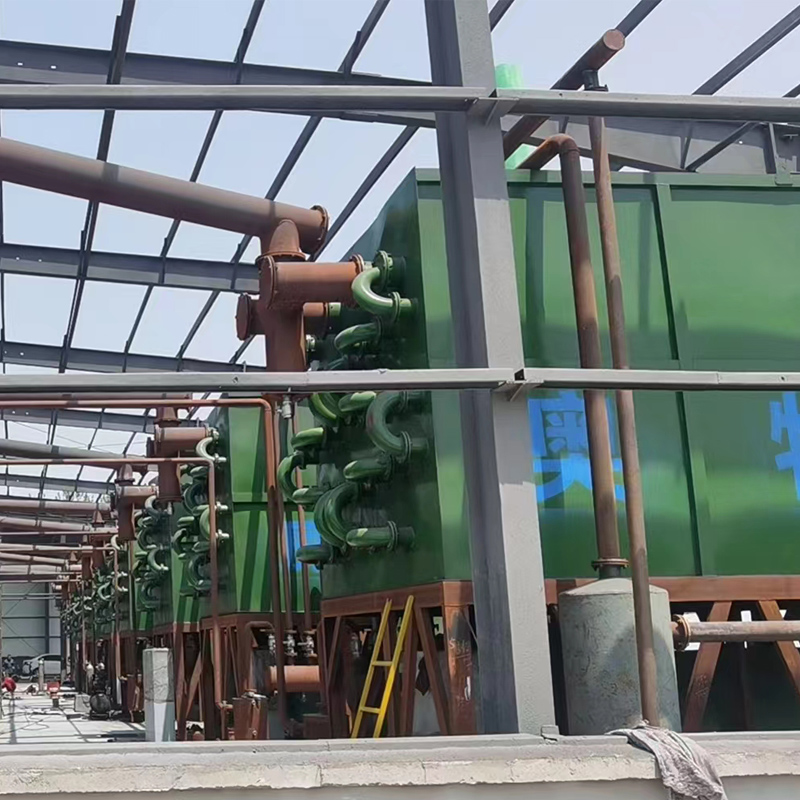
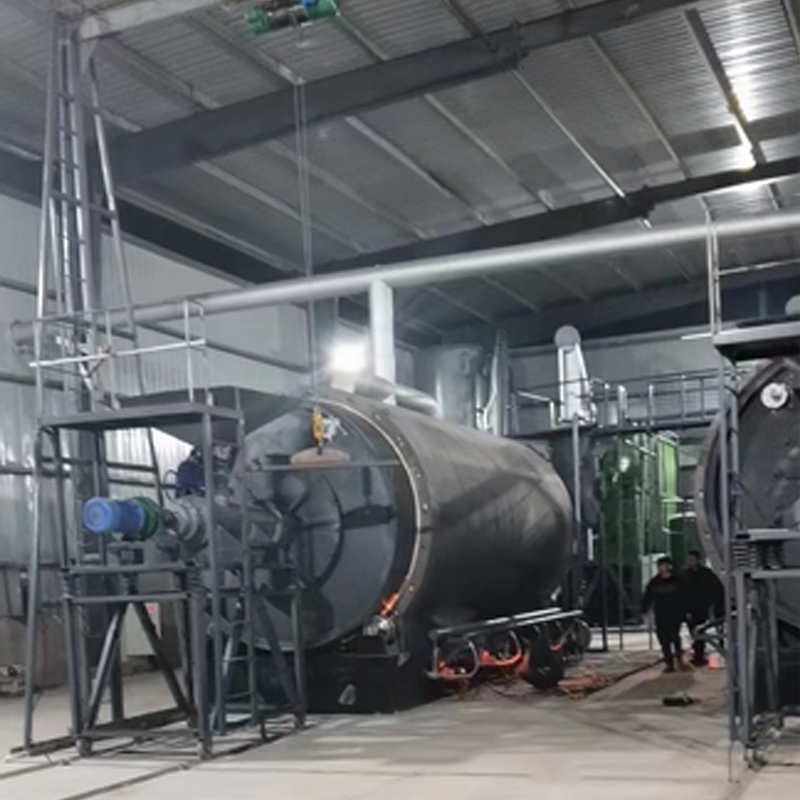
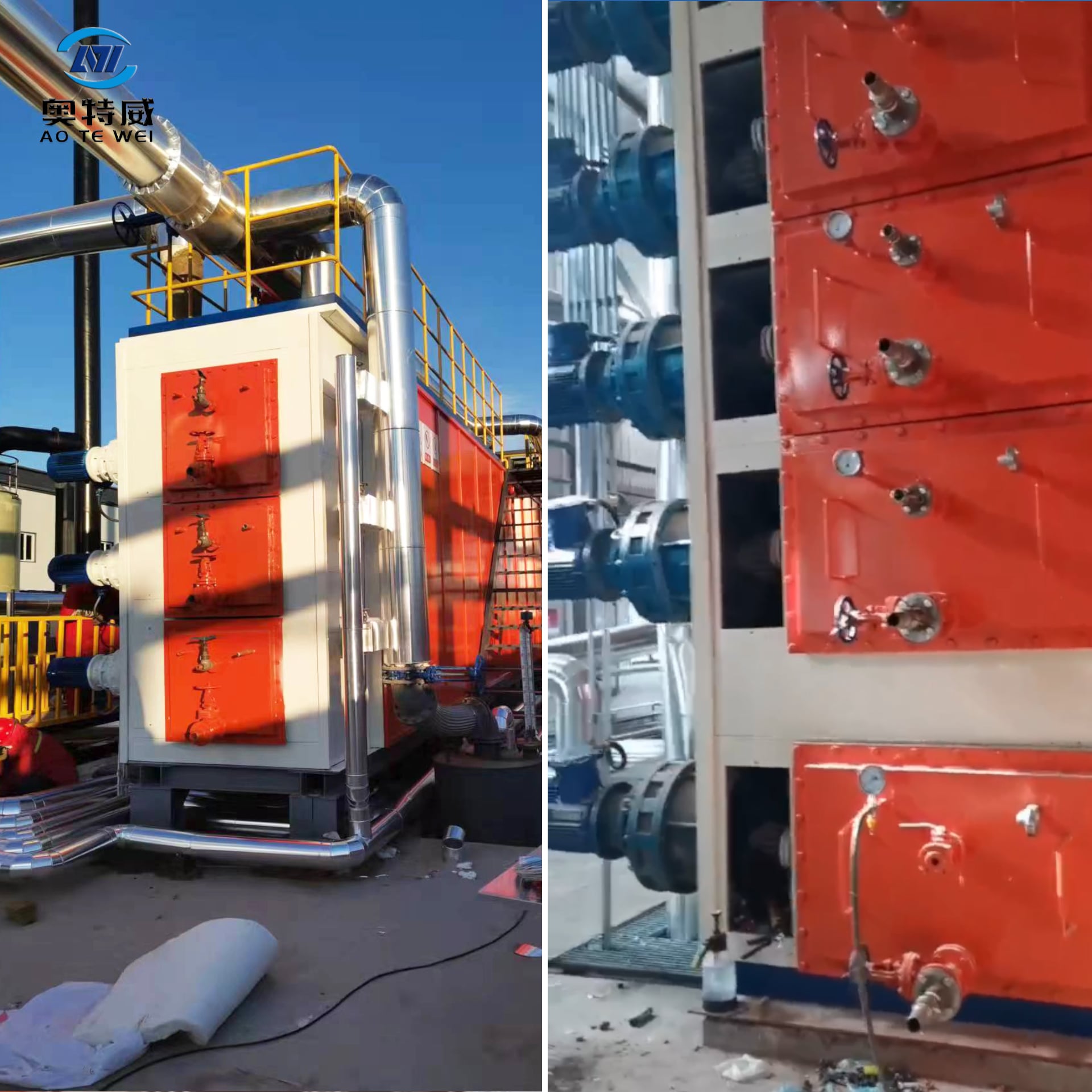
Crude petroleum distillation is a fundamental refining process that separates raw crude oil into distinct valuable products based on molecular weight and boiling points. This essential industrial operation transforms unrefined petroleum into usable components including gasoline, diesel, kerosene, and fuel oil through systematic heating and fractional separation.
The crude petroleum distillation process begins by heating crude oil to approximately 350-400 degrees Celsius, converting most hydrocarbons into vapor form. These vapors enter a fractionating column where temperature gradually decreases from bottom to top. Heavier molecules condense at lower levels, while lighter molecules rise higher before condensing at cooler zones, creating distinct product layers.
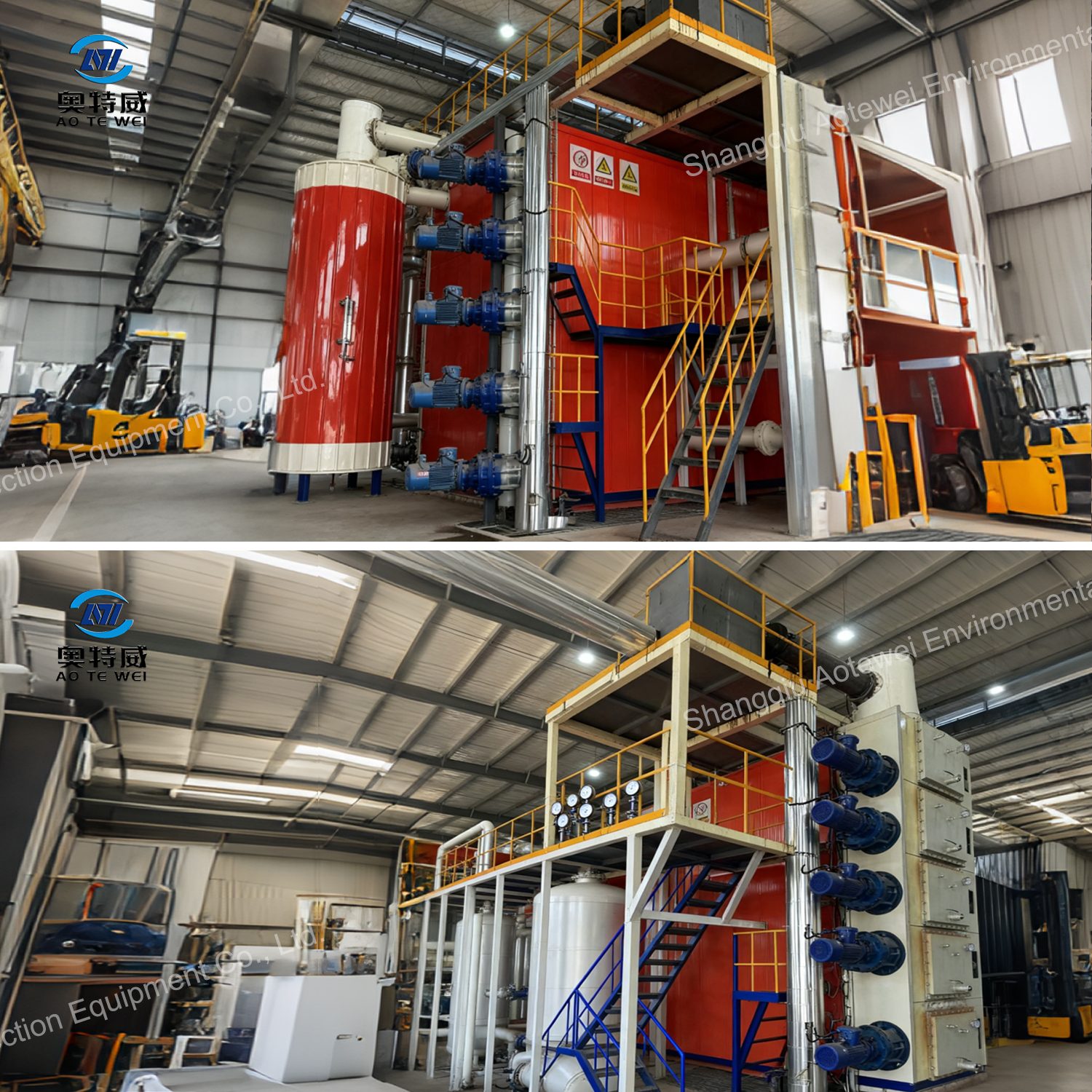
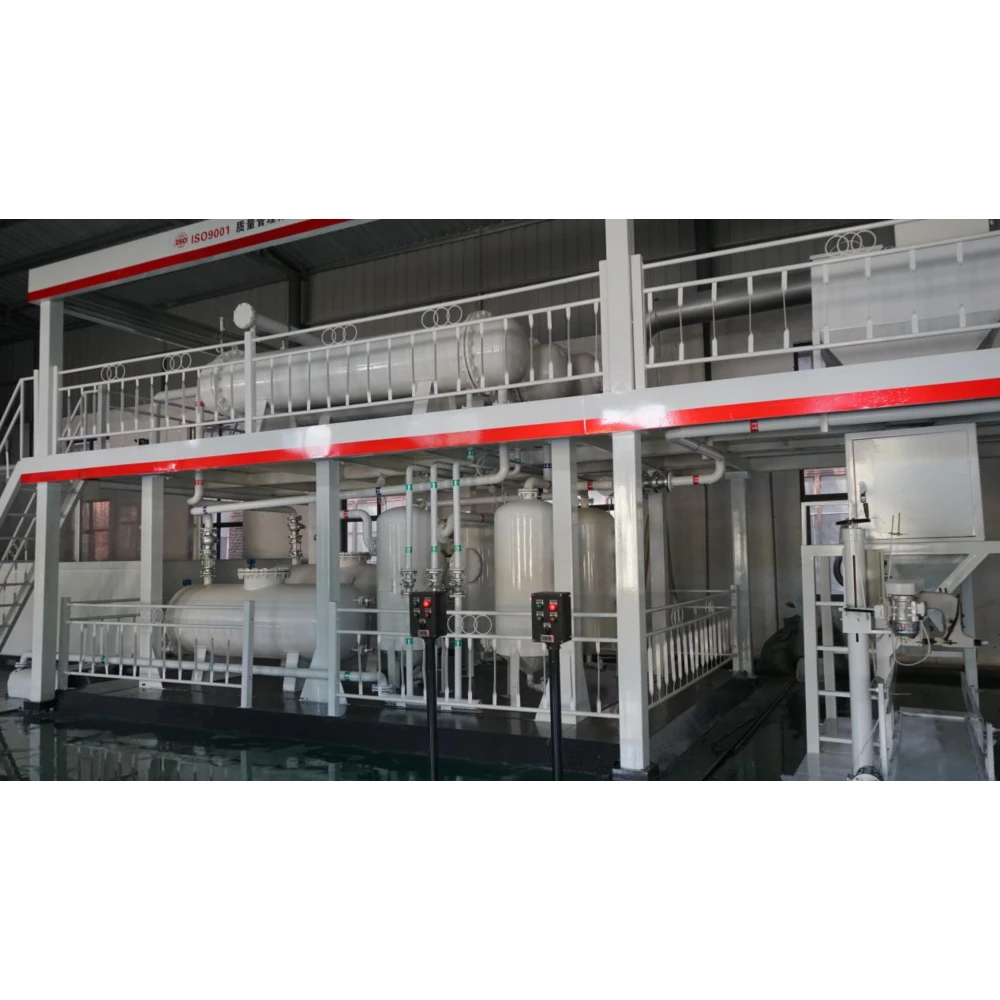
Technologically, crude petroleum distillation employs advanced fractionating columns with multiple trays or packing materials that maximize contact between vapor and liquid phases. Modern crude petroleum distillation systems incorporate automated temperature and pressure controls, ensuring optimal separation efficiency and product quality consistency. Real-time monitoring systems track distillation parameters, enabling operators to maintain precise conditions throughout the process.
Applications of crude petroleum distillation extend across numerous industries, including transportation fuel production, heating oil manufacturing, and petrochemical feedstock preparation. Refineries worldwide depend on crude petroleum distillation to meet global energy demands and supply essential products for consumers. The process remains the cornerstone of petroleum refining, converting raw crude oil into commercially valuable products that power modern economies and industries globally.