إعادة تدوير المواد الكيميائية البلاستيكية
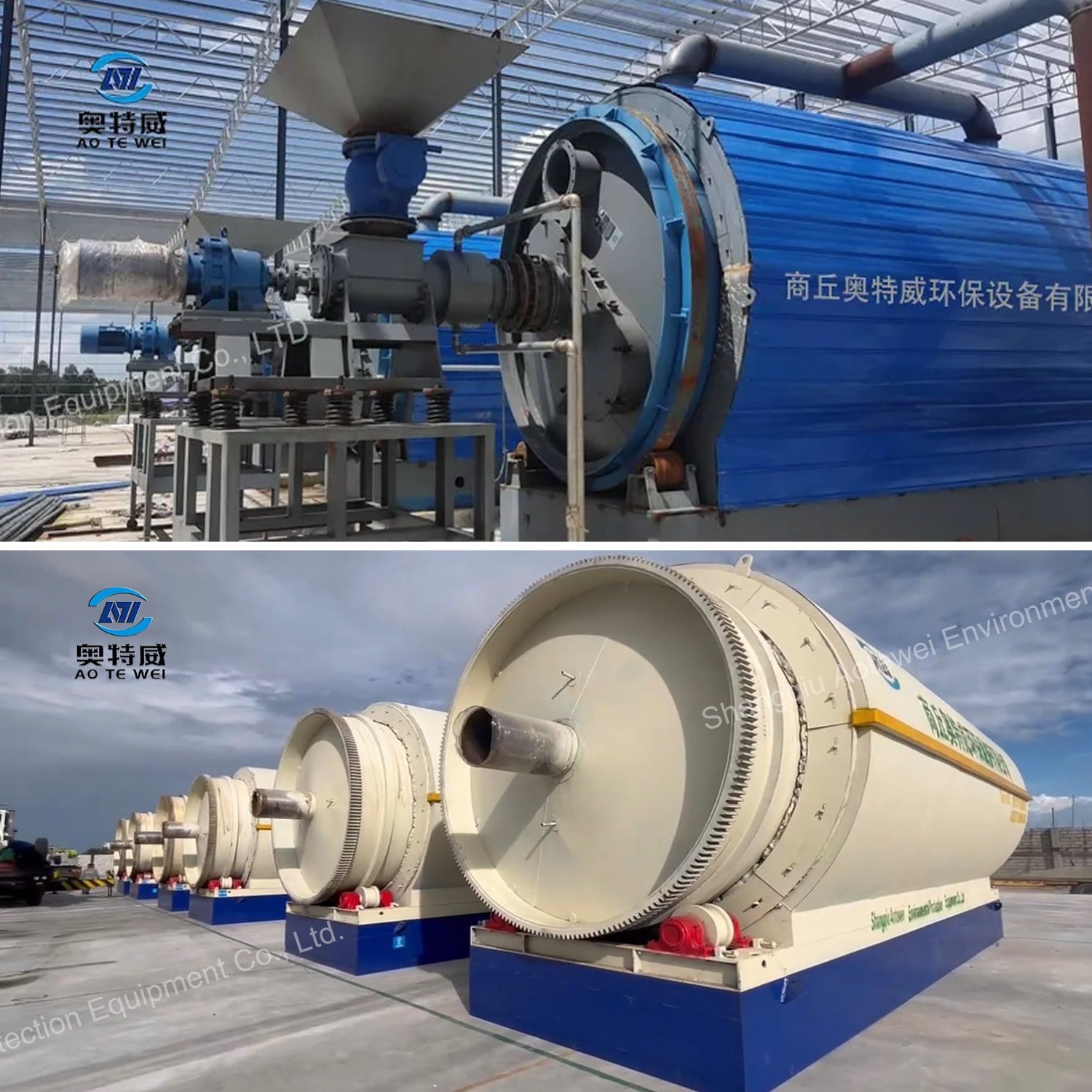
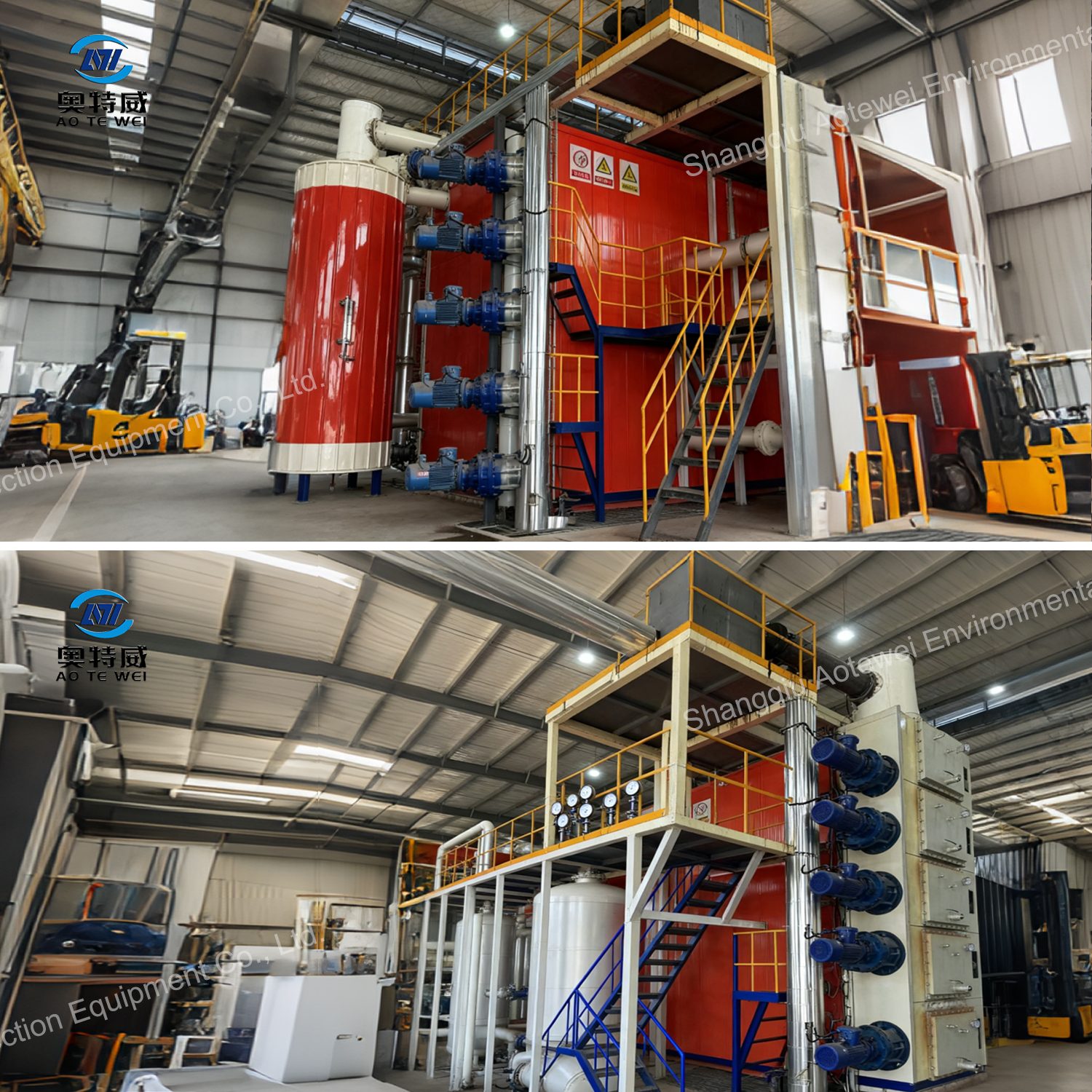
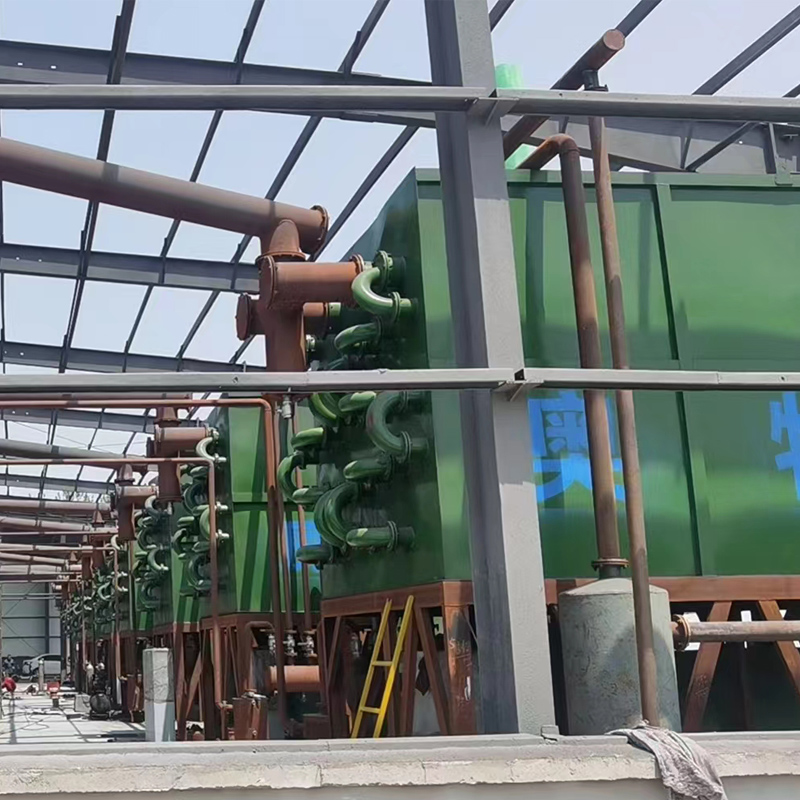
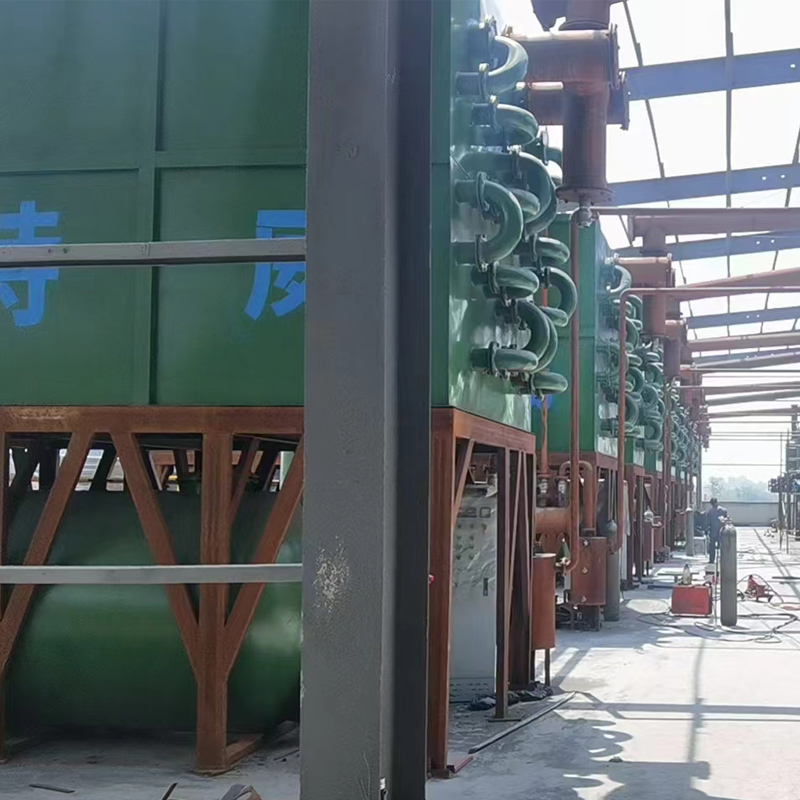
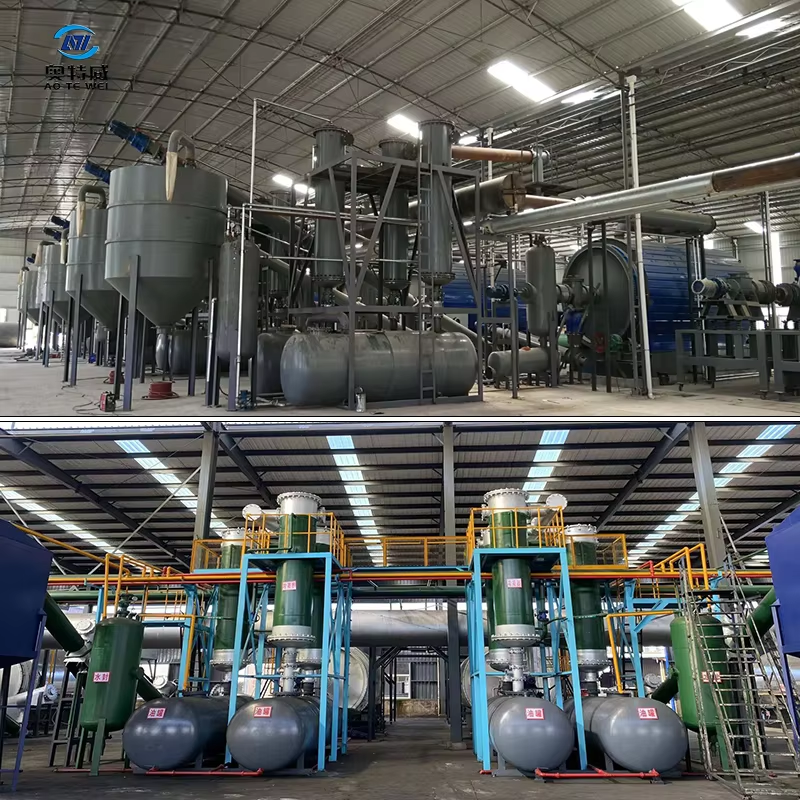
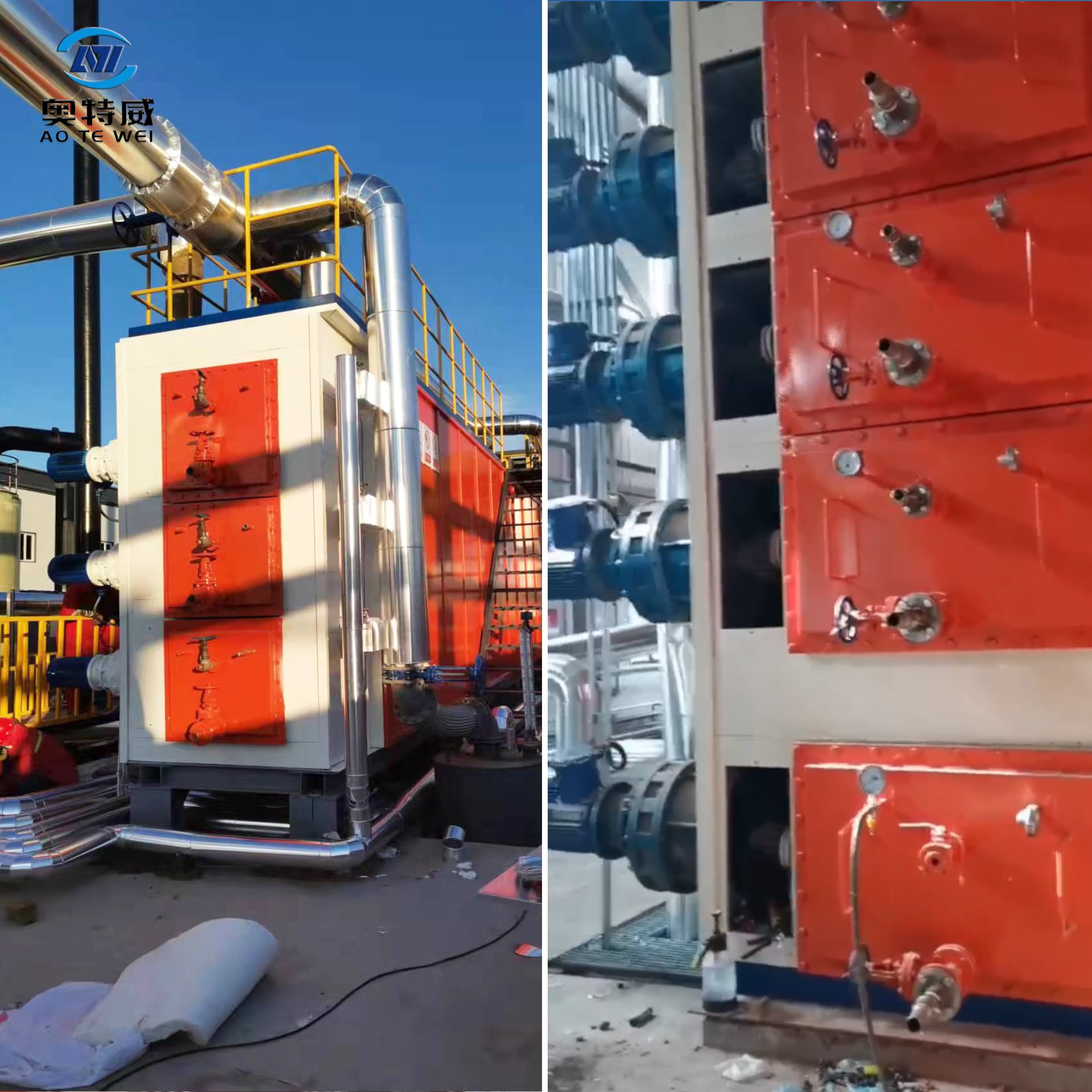
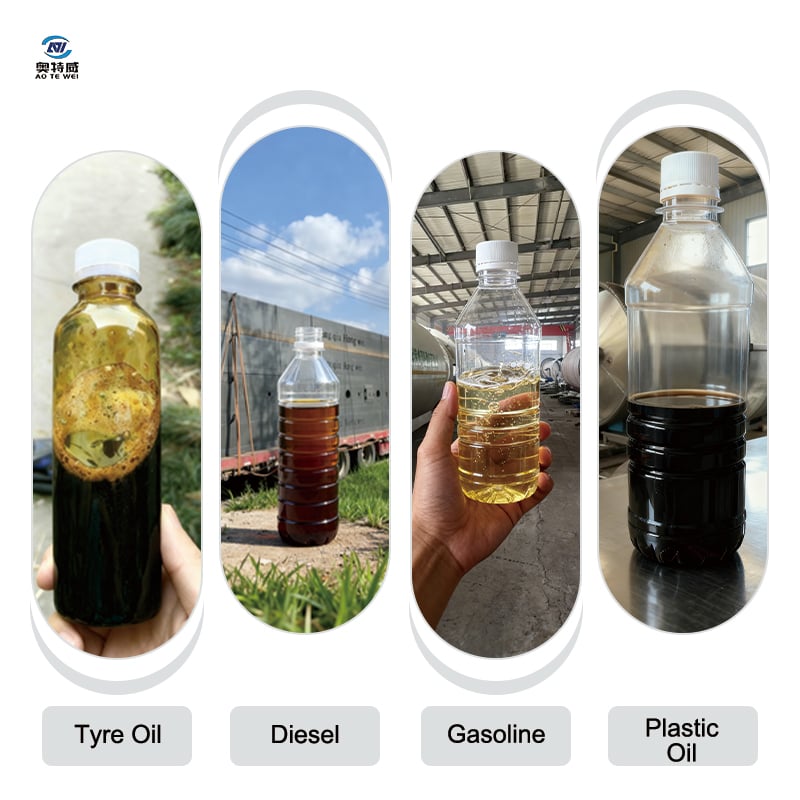
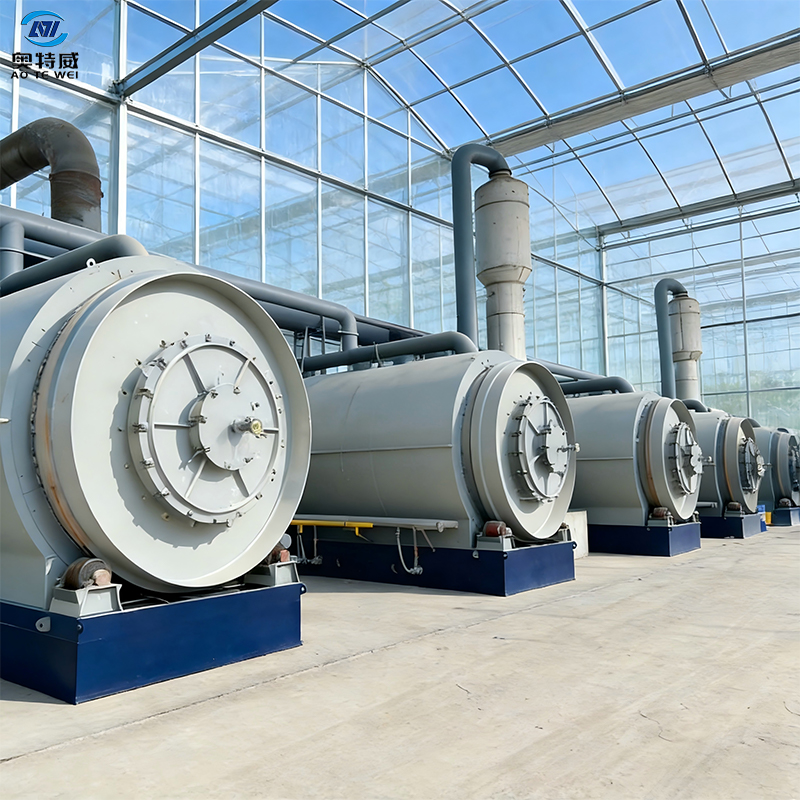
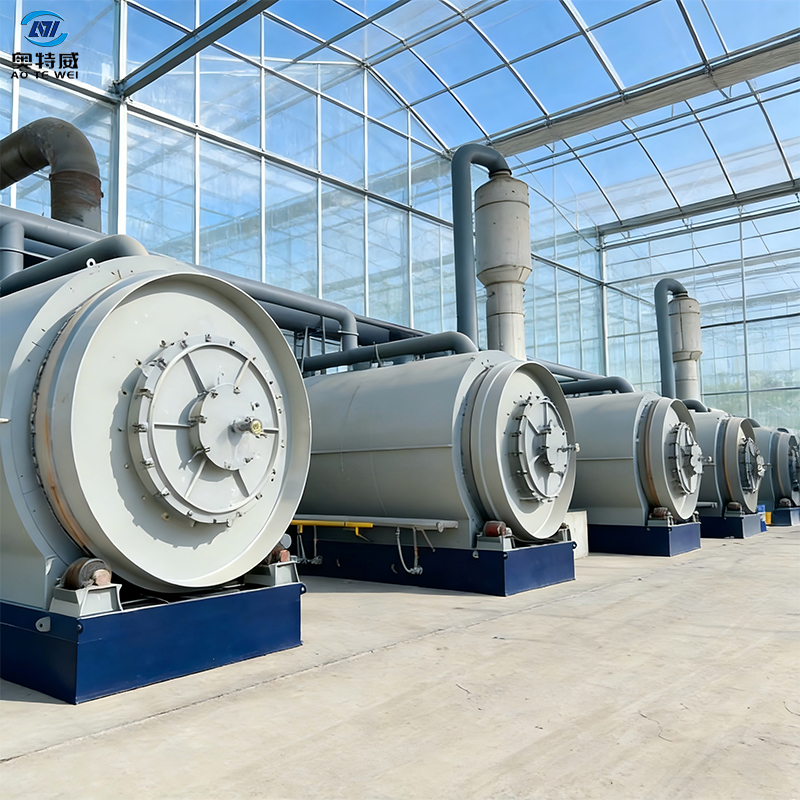
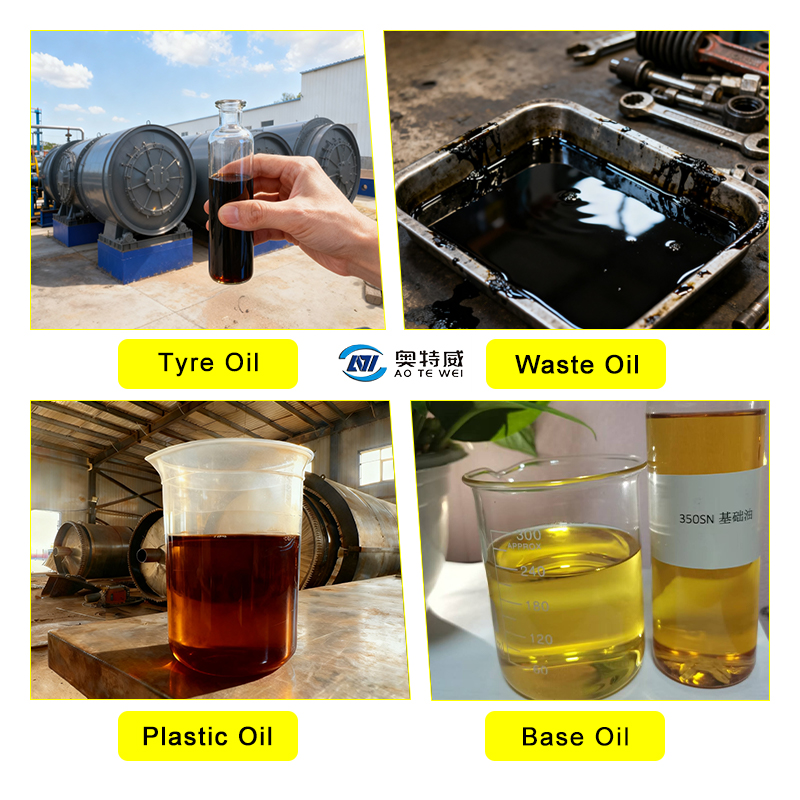
إعادة التدوير الكيميائي للبلاستيك تُعَدُّ حلاً بيئيًّا متقدِّمًا يحوِّل مواد البلاستيك المستعملة إلى مدخلات كيميائية ذات قيمة عبر عمليات تحويل على المستوى الجزيئي. وتتمثَّل هذه الطريقة المبتكرة في تفكيك نفايات البلاستيك إلى مكوناتها الكيميائية الأساسية، ما يمكِّن المصانع من إنتاج بلاستيك جديد ومنتجات أخرى دون الاعتماد الحصري على الموارد البترولية الأولية. وتتمثَّل الوظيفة الرئيسية لإعادة التدوير الكيميائي للبلاستيك في تحليل بوليمرات البلاستيك باستخدام طرق تقنية متنوِّعة، منها الانحلال الحراري والتحوُّل الغازي والتفكيك المتعدد. وتُحوِّل هذه العمليات الجزيئات المعقدة للبلاستيك مجددًا إلى هيدروكربونات وبواكر أبسط تُستخدَم كوحدات بناء لدورات إنتاج جديدة. وعلى عكس إعادة التدوير الميكانيكي التي تؤدِّي إلى تدنِّي جودة المادة مع تكرار دورات التدوير، فإن إعادة التدوير الكيميائي للبلاستيك تحافظ على سلامة المادة ومعايير أدائها. ومن أبرز السمات التقنية لهذه العملية أنظمة المعالجة الحرارية المتقدِّمة، وتكنولوجيا الفصل المتطوِّرة، وآليات ضبط الجودة التي تضمن ثبات معايير النواتج. وتجري هذه العملية عند درجات حرارة وضغوط مضبوطة، مع الاستعانة بالمحفِّزات لتسهيل التفاعلات الكيميائية بكفاءة عالية. كما تتضمَّن مرافق إعادة التدوير الكيميائي الحديثة لأنواع البلاستيك أنظمة رصد فورية وبروتوكولات أوتوماتيكية لضمان الجودة. وتشمل مجالات التطبيق قطاعات صناعية متعددة، بدءًا من تصنيع المركبات وصولًا إلى إنتاج السلع الاستهلاكية. وتدعم هذه التقنية إنتاج بلاستيك صالح للتغليف الغذائي، وبوليمرات هندسية، وكيمياويات متخصصة. وباتت الصناعات تعتمد إعادة التدوير الكيميائي للبلاستيك بشكل متزايد لتحقيق التزاماتها المتعلقة بالاستدامة، مع الحفاظ في الوقت نفسه على متطلبات الأداء المادي. وتُعَدُّ هذه التكنولوجيا حلاًّا جوهريًّا لمشكلة إدارة نفايات البلاستيك، كما تخلق موارد ثانوية ذات قيمة لعمليات التصنيع.