Advanced Plastic Chemical Recycling Solutions - Transform Waste Into High-Quality Resources

Get a Free Quote

Our representative will contact you soon.
Email
WhatsApp / Mobile
Name
Company Name
Message
0/1000

plastic chemical recycling

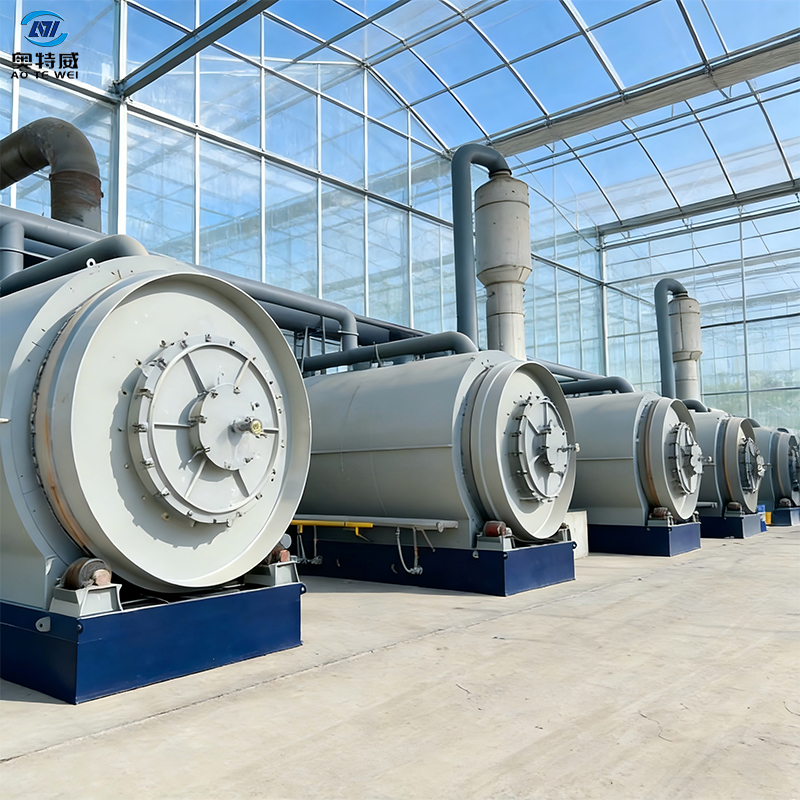
Plastic chemical recycling represents a groundbreaking approach to addressing the mounting global plastic waste crisis. Unlike traditional mechanical recycling methods that physically process plastics, plastic chemical recycling employs advanced chemical processes to break down polymer chains into their fundamental molecular components. This innovative technology transforms used plastics back into their original chemical building blocks, enabling the creation of virgin-quality materials that can be used repeatedly without degradation. The main function of plastic chemical recycling is to convert plastic waste that would otherwise end up in landfills or incinerators into valuable raw materials. Through processes such as pyrolysis, gasification, depolymerization, and solvolysis, this technology can handle mixed plastic streams, contaminated materials, and multi-layer packaging that conventional recycling cannot process effectively. The technological features of plastic chemical recycling include its ability to work with diverse plastic types simultaneously, its capacity to remove contaminants and additives during processing, and its production of high-purity feedstock suitable for manufacturing new products. Applications of plastic chemical recycling span numerous industries and sectors. The recovered chemicals serve as feedstock for producing new plastics for packaging, automotive components, construction materials, and consumer goods. Chemical companies utilize these recycled materials to manufacture fuels, solvents, and other petrochemical products. The technology particularly excels in handling problematic waste streams such as flexible films, medical plastics, electronic waste casings, and composite materials. As environmental regulations tighten and circular economy principles gain traction, plastic chemical recycling has emerged as a critical solution for closing the loop on plastic consumption. It complements mechanical recycling by addressing materials that cannot be processed through conventional methods, thereby significantly increasing overall recycling rates and reducing dependence on fossil-based virgin plastics.

Popular Products

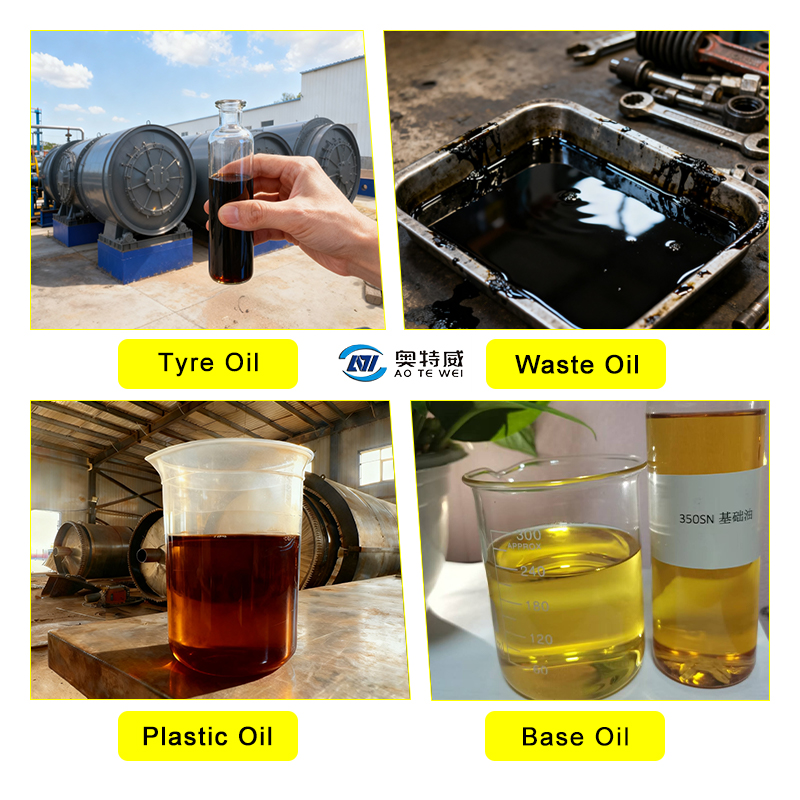
Plastic chemical recycling delivers numerous practical benefits that make it an attractive solution for businesses, municipalities, and environmental organizations seeking sustainable waste management strategies. First and foremost, this technology accepts a much wider range of plastic materials compared to traditional recycling. While conventional methods typically handle only clean, sorted plastics like PET bottles and HDPE containers, plastic chemical recycling processes mixed plastic waste, contaminated materials, colored plastics, and complex multi-layer packaging without requiring extensive pre-sorting. This versatility dramatically reduces operational costs associated with waste separation and cleaning. Another significant advantage is the production of virgin-quality output materials. Mechanical recycling typically degrades plastic quality with each processing cycle, limiting the number of times material can be recycled. In contrast, plastic chemical recycling breaks polymers down to molecular level, eliminating impurities and restoring material properties to original specifications. This means the resulting products perform identically to those made from new fossil-fuel-derived plastics, allowing manufacturers to use recycled content without compromising product quality or safety standards. The economic benefits extend beyond material quality. Facilities employing plastic chemical recycling can generate multiple revenue streams by producing various chemical products from a single waste input. Depending on market conditions and facility configuration, operators can optimize output between fuels, chemical feedstocks, waxes, or specialty chemicals, maximizing profitability. This flexibility provides business resilience against market fluctuations. Environmental advantages are equally compelling. Plastic chemical recycling diverts substantial volumes of waste from landfills and incinerators, reducing greenhouse gas emissions associated with both disposal methods and virgin plastic production. Studies indicate that using chemically recycled materials instead of virgin plastics can reduce carbon emissions by up to seventy percent. The technology also conserves petroleum resources, as each ton of plastic waste processed eliminates the need for approximately one point five tons of crude oil in new plastic production. For companies facing increasing regulatory pressure and consumer demands for sustainability, plastic chemical recycling provides a credible path to meeting circular economy commitments. Brands can incorporate genuinely recycled content into products while maintaining performance standards, supporting corporate sustainability goals and enhancing market reputation. The scalability of plastic chemical recycling technology means it can be deployed at various scales, from large industrial facilities processing thousands of tons daily to smaller regional operations serving local communities. This adaptability makes the solution accessible to diverse stakeholders regardless of geographic location or operational capacity.

Latest News

Company Updates Factory Audit Video | On-site Shooting of Aotewei Environmental Protection Equipment, Transparently Showing Manufacturing Strength

08

Apr

Company Updates Factory Audit Video | On-site Shooting of Aotewei Environmental Protection Equipment, Transparently Showing Manufacturing Strength

To further improve supply chain transparency and optimize the factory audit experience for domestic and overseas customers, Shangqiu Aotewei Environmental Protection Equipment Co., Ltd. has recently completed a comprehensive update of its factory aud...
View More

Get a Free Quote

Our representative will contact you soon.
Email
WhatsApp / Mobile
Name
Company Name
Message
0/1000

plastic chemical recycling

Processing Flexibility for Previously Unrecyclable Materials

Processing Flexibility for Previously Unrecyclable Materials

One of the most transformative aspects of plastic chemical recycling is its remarkable ability to process plastic waste streams that have historically been considered non-recyclable through conventional mechanical methods. This capability represents a paradigm shift in waste management and resource recovery. Traditional recycling systems face significant limitations when dealing with contaminated plastics, mixed plastic types, multi-layer packaging, and materials containing additives or colorants. These challenging waste streams typically constitute more than half of all plastic waste generated, meaning the majority of plastic products have had no viable recycling pathway until now. Plastic chemical recycling overcomes these barriers through molecular-level processing that renders such complications irrelevant. The technology employs thermal, catalytic, or solvent-based processes that break chemical bonds within polymer chains, reducing plastics to monomers, oligomers, or other basic chemical compounds. During this transformation, contaminants such as food residues, paper labels, adhesives, and incompatible plastic types are separated or converted into harmless byproducts. This means post-consumer packaging from restaurants, hospitals, and households can be processed without the extensive washing and sorting that mechanical recycling demands. The implications for waste management are profound. Municipalities and waste management companies can significantly increase their recycling rates by directing previously landfill-bound materials to plastic chemical recycling facilities. Flexible films, snack wrappers, yogurt containers, toothpaste tubes, and countless other everyday items that consumers have been told not to place in recycling bins can now be recovered. This expansion of recyclable materials helps close the gap between what consumers expect to be recyclable and what actually gets recycled, reducing contamination in mechanical recycling streams while building public confidence in recycling systems. For manufacturers, this processing flexibility solves the challenge of managing complex production scrap and defective products. Multi-material assemblies, contaminated manufacturing waste, and off-specification items that previously represented pure cost burdens can now be converted into valuable feedstock. This transformation of liability into asset improves manufacturing economics while supporting corporate sustainability commitments. The technology is particularly valuable for industries producing inherently complex products such as automotive components with embedded electronics, medical devices with sterility requirements, and consumer electronics with mixed material construction.
Superior Output Quality Enabling Infinite Recyclability

Superior Output Quality Enabling Infinite Recyclability

Plastic chemical recycling distinguishes itself through its production of exceptionally high-quality output materials that match or exceed the specifications of virgin plastics produced from fossil fuels. This characteristic addresses one of the fundamental limitations of mechanical recycling and represents a crucial advancement toward genuine circular economy for plastics. Mechanical recycling processes plastic waste by melting, shredding, and reforming materials, but this physical manipulation progressively damages polymer chains with each recycling cycle. The resulting material degradation manifests as reduced mechanical strength, compromised clarity, diminished heat resistance, and altered processing characteristics. Consequently, mechanically recycled plastics typically get downcycled into lower-value applications, and most materials can only withstand two or three recycling cycles before becoming unusable. This limitation means mechanical recycling merely delays rather than prevents plastic waste accumulation. Plastic chemical recycling fundamentally eliminates this degradation problem by returning plastics to their chemical building blocks. Whether through pyrolysis that converts polymers into oils and gases, depolymerization that recovers original monomers, or gasification that produces synthesis gas, these processes reset material properties to baseline conditions. The chemical compounds recovered can then be purified to extremely high specifications and repolymerized into plastics with identical performance characteristics to virgin materials. Laboratory testing and real-world applications have demonstrated that plastics produced from chemically recycled feedstock perform indistinguishably from conventional plastics in demanding applications. This quality equivalence has enormous practical implications. Manufacturers can use chemically recycled content in applications where mechanical recycled content is unsuitable, including food contact packaging, medical devices, children's products, and safety-critical automotive components. Regulatory agencies in numerous jurisdictions have approved chemically recycled plastics for these sensitive applications because the purification processes eliminate concerns about contaminants and degraded properties. The ability to maintain quality across unlimited recycling cycles creates true circularity. The same plastic molecules can theoretically be recycled indefinitely, cycling repeatedly through use, collection, chemical recycling, and remanufacturing without accumulating in the environment or requiring continuous input of virgin fossil resources. This infinite recyclability potential transforms plastics from a linear consumption problem into a sustainable material system where resources are continuously circulated rather than extracted, used once, and discarded.
Comprehensive Environmental and Economic Value Creation

Comprehensive Environmental and Economic Value Creation

Plastic chemical recycling generates substantial environmental benefits while simultaneously creating economic value, positioning it as a solution that aligns ecological responsibility with business viability. This dual value proposition is essential for achieving the scale of implementation necessary to meaningfully address global plastic waste challenges. From an environmental perspective, plastic chemical recycling delivers multiple interconnected benefits that compound to create significant positive impact. The most direct environmental advantage is waste diversion from landfills and incinerators. Every ton of plastic processed through chemical recycling represents material that avoids burial in landfills where it would persist for centuries, or combustion in waste-to-energy facilities that generates greenhouse gas emissions. Studies conducted by independent research organizations have quantified that plastic chemical recycling reduces carbon dioxide emissions by approximately two to three tons for every ton of plastic processed compared to landfill disposal and virgin plastic production. Beyond waste diversion, plastic chemical recycling substantially reduces demand for fossil fuel extraction and refining. Plastics are predominantly manufactured from petrochemical feedstocks derived from crude oil and natural gas. By supplying chemically recycled feedstock to replace virgin materials, the technology decreases petroleum consumption, reducing environmental damage associated with extraction activities including habitat disruption, water contamination, and drilling-related emissions. Additionally, the energy requirements for chemically recycling existing plastic are typically lower than producing virgin plastic from crude oil, further reducing the carbon footprint of plastic products. The economic value creation mechanisms are equally compelling. Plastic chemical recycling facilities generate revenue through multiple channels including tipping fees for accepting waste plastic, sales of chemical products to manufacturers, and increasingly through carbon credits or renewable energy certificates in jurisdictions with appropriate policy frameworks. The market for chemically recycled materials is expanding rapidly as major brands commit to incorporating recycled content in their products. Consumer goods companies, automotive manufacturers, and packaging producers are actively seeking recycled feedstock to meet corporate sustainability targets and respond to consumer preferences for environmentally responsible products. This growing demand creates favorable market conditions for chemical recycling operators. Investment in plastic chemical recycling infrastructure also stimulates economic development through job creation in engineering, operations, maintenance, and support services. Facilities typically employ skilled workers in relatively high-wage positions, contributing to local economic vitality. Furthermore, by establishing domestic recycling capacity, regions reduce dependence on imported virgin materials and waste export, improving resource security and trade balances. The convergence of environmental necessity and economic opportunity makes plastic chemical recycling an increasingly attractive investment for both private capital and public funding programs focused on sustainable infrastructure development.

Get a Free Quote

Our representative will contact you soon.
Email
WhatsApp / Mobile
Name
Company Name
Message
0/1000
Newsletter
Please Leave A Message With Us