Polyethylene Pyrolysis Technology Solutions

Get a Free Quote

Our representative will contact you soon.
Email
WhatsApp / Mobile
Name
Company Name
Message
0/1000

polyethylene pyrolysis

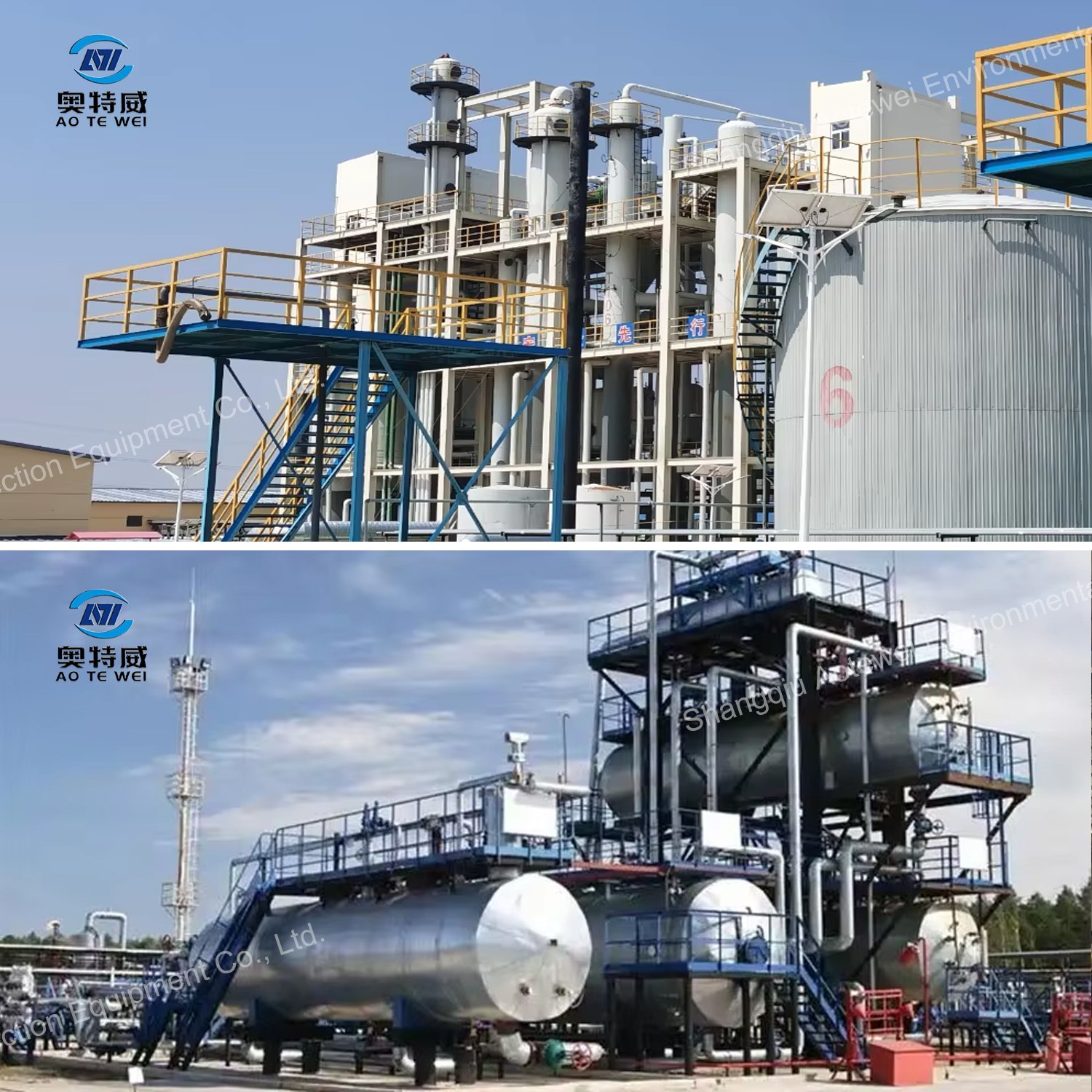
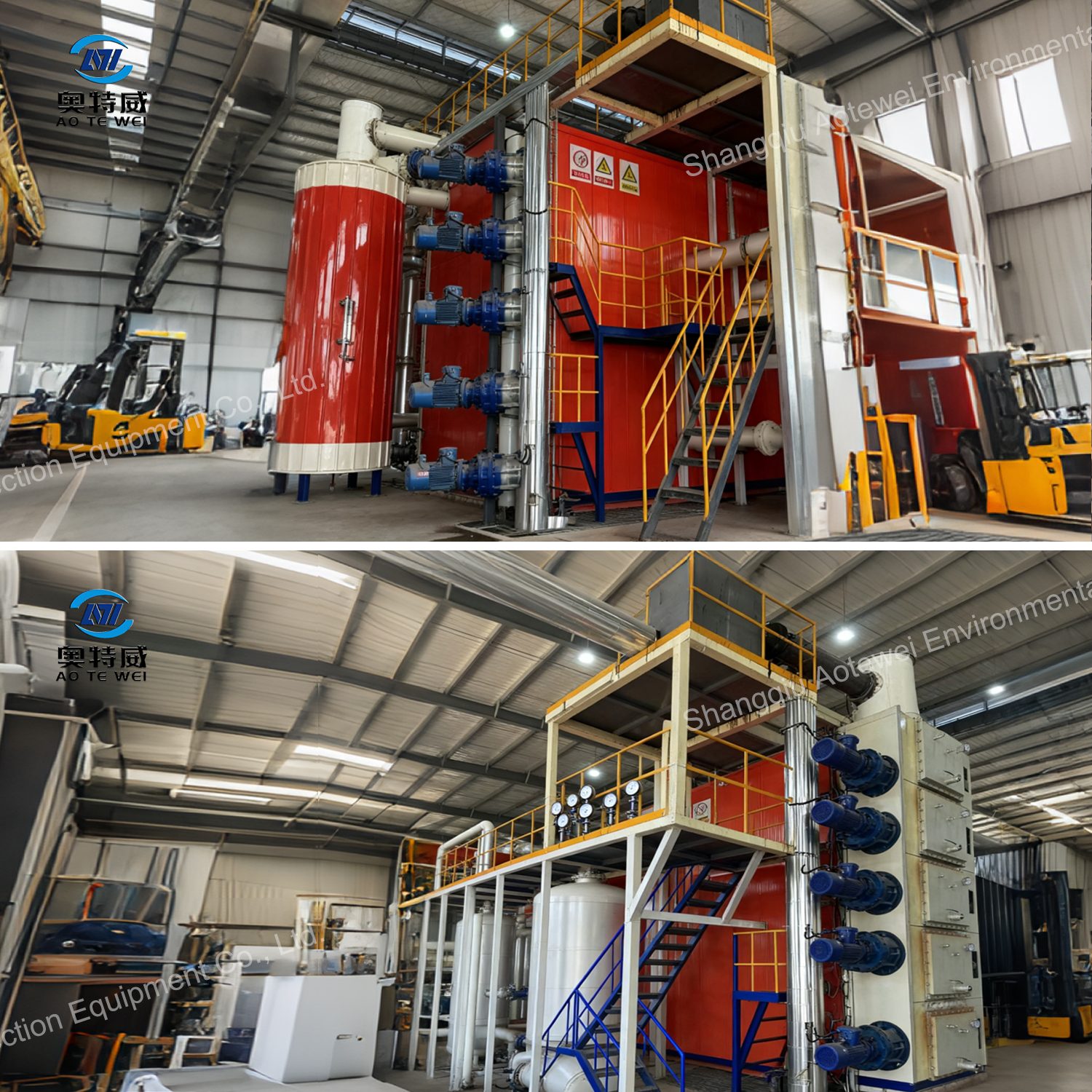
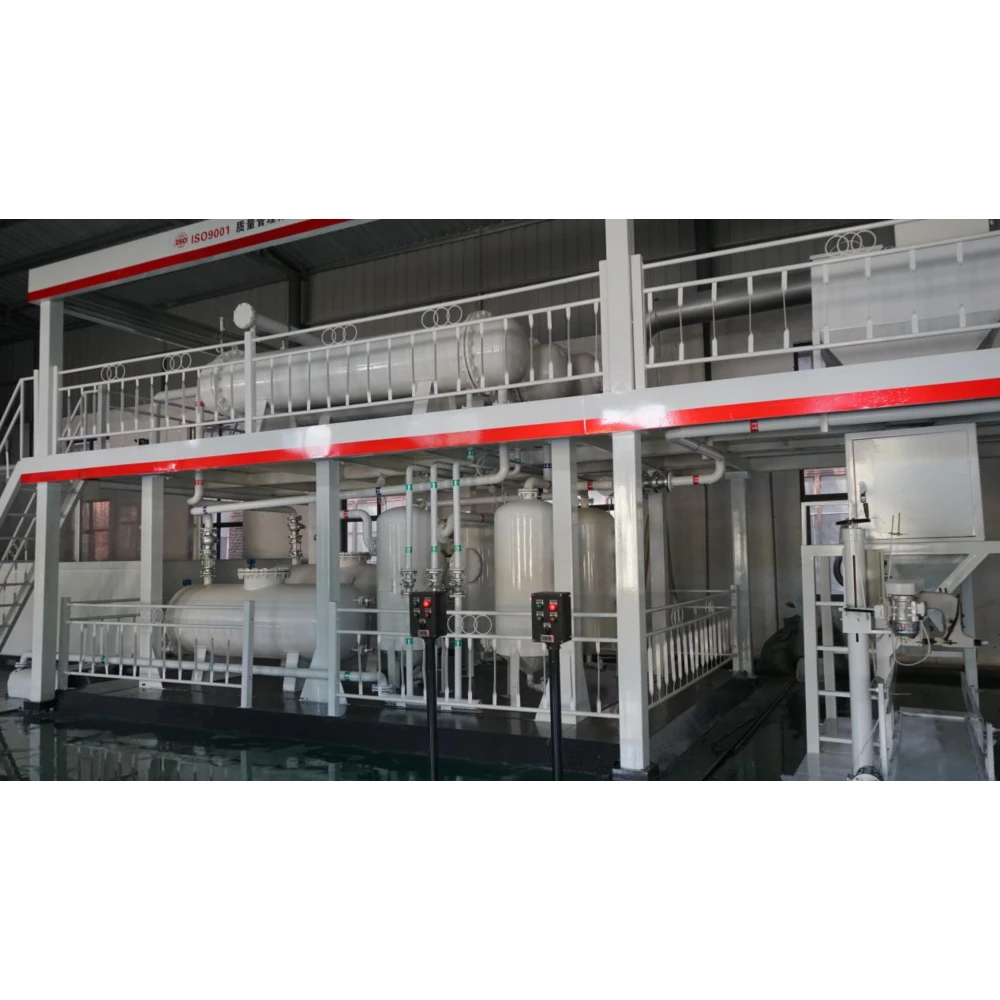
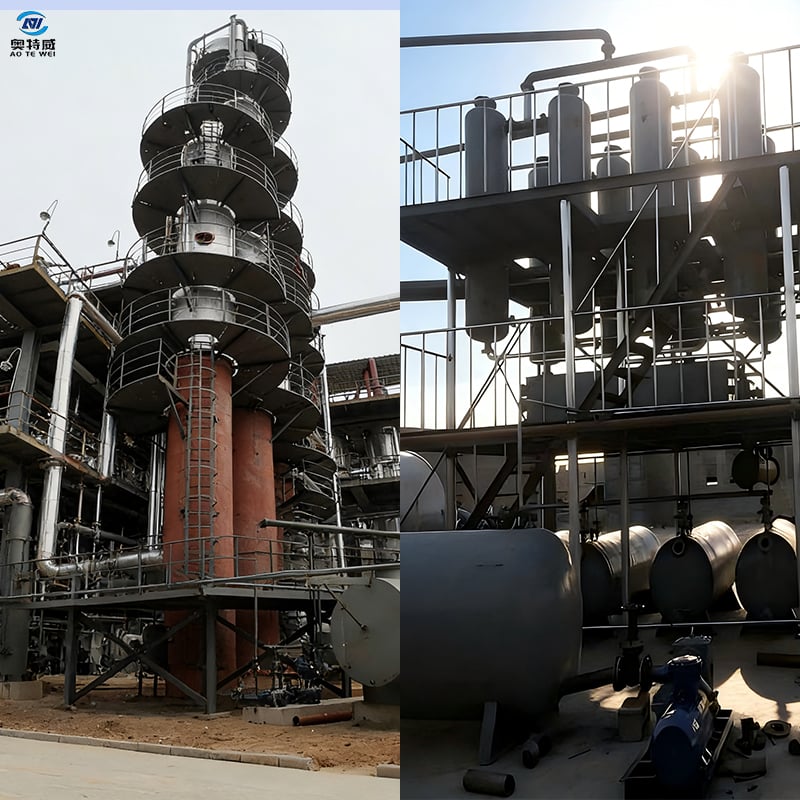
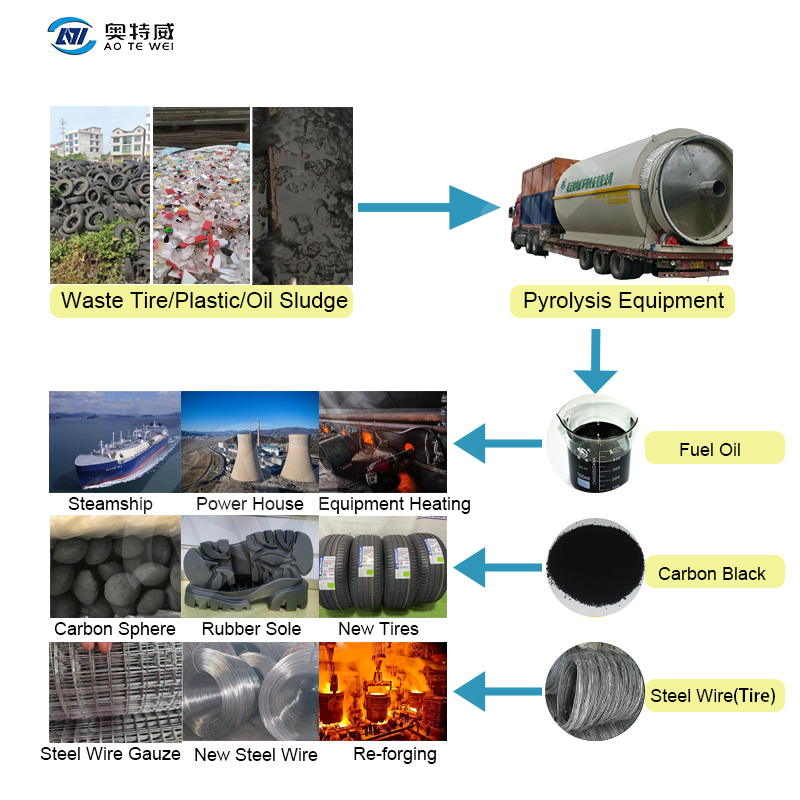
Polyethylene pyrolysis is an advanced thermal decomposition process that converts waste polyethylene materials into valuable hydrocarbon products. This innovative technology breaks down long-chain polymer molecules at high temperatures in an oxygen-free environment, transforming plastic waste into usable fuels and chemical feedstocks. The polyethylene pyrolysis process operates through controlled heating, typically between 400-900°C, which causes polymer chains to fragment into smaller molecules including oils, gases, and waxes. The main function of polyethylene pyrolysis involves recovering energy and resources from discarded plastics that would otherwise accumulate in landfills. Technological features include advanced temperature control systems, specialized reactors, and sophisticated separation equipment that maximize product quality and yield. Modern polyethylene pyrolysis installations incorporate real-time monitoring and automated systems to ensure optimal operation and consistent output. The process produces pyrolysis oil, which serves as fuel for industrial applications and chemical production. Applications span across energy generation, chemical manufacturing, and fuel production sectors. Polyethylene pyrolysis technology enables companies to address waste management challenges while generating profitable revenue streams. The efficiency of polyethylene pyrolysis makes it particularly attractive for organizations managing significant plastic waste volumes. This technology represents a circular economy solution that transforms environmental problems into economic opportunities while reducing dependency on virgin petroleum resources.

Popular Products

Polyethylene pyrolysis delivers substantial practical benefits that make it an excellent investment for waste management and energy production. The process directly converts problematic plastic waste into marketable fuel products, eliminating disposal costs while generating revenue simultaneously. Operational benefits include reduced landfill dependency, decreased environmental contamination, and improved corporate sustainability profiles. Polyethylene pyrolysis operates with minimal emissions when properly equipped with advanced filtration systems, supporting environmental compliance requirements. The technology creates high-value output products including synthetic crude oil, diesel-range fuels, and chemical precursors that command strong market prices. Customers benefit from polyethylene pyrolysis through recovered energy that powers industrial facilities or supplies external markets for additional income. The process handles mixed plastic waste streams effectively, reducing sorting requirements and operational complexity. Investment in polyethylene pyrolysis infrastructure provides long-term economic stability as plastic waste volumes continue rising globally. Decision-useful context shows polyethylene pyrolysis projects typically achieve profitability within 5-8 years through fuel sales and avoided disposal expenses. The technology suits diverse applications from small-scale waste management operations to large industrial refineries. Polyethylene pyrolysis offers scalability options that accommodate growing waste volumes without proportional cost increases. Regulatory advantages emerge as polyethylene pyrolysis helps organizations meet strict waste reduction mandates and environmental legislation. The recovered products from polyethylene pyrolysis substitute for petroleum-based materials, reducing raw material procurement costs for chemical manufacturers. Companies implementing polyethylene pyrolysis gain competitive advantages through sustainable practices that appeal to environmentally conscious customers and investors.

Practical Tips

How does rubber recycling contribute to eco-friendly industrial development goals?

01

Sep

How does rubber recycling contribute to eco-friendly industrial development goals?

Rubber recycling has emerged as a critical pillar in achieving eco-friendly industrial development goals across manufacturing, construction, and transportation sectors. As global industries face mounting pressure to reduce environmental impact and ad...
View More
What factors influence performance of a pyrolysis reactor in industrial applications?

01

Sep

What factors influence performance of a pyrolysis reactor in industrial applications?

The performance of a pyrolysis reactor directly determines the efficiency, profitability, and sustainability of waste processing and renewable energy operations. Understanding the critical factors that influence pyrolysis reactor output is essential ...
View More
How does a distillation plant improve separation efficiency in oil processing?

03

Sep

How does a distillation plant improve separation efficiency in oil processing?

A distillation plant represents one of the most critical components in modern oil processing operations, fundamentally transforming crude oil into valuable refined products through precise separation. The efficiency of a distillation plant directly i...
View More
How does a continuous pyrolysis plant support uninterrupted industrial production?

03

Sep

How does a continuous pyrolysis plant support uninterrupted industrial production?

Industrial manufacturers face significant operational challenges when production must halt for maintenance or equipment downtime. A continuous pyrolysis plant eliminates these disruptions by maintaining consistent, uninterrupted output throughout the...
View More

Get a Free Quote

Our representative will contact you soon.
Email
WhatsApp / Mobile
Name
Company Name
Message
0/1000

polyethylene pyrolysis

Advanced Thermal Conversion Technology

Advanced Thermal Conversion Technology

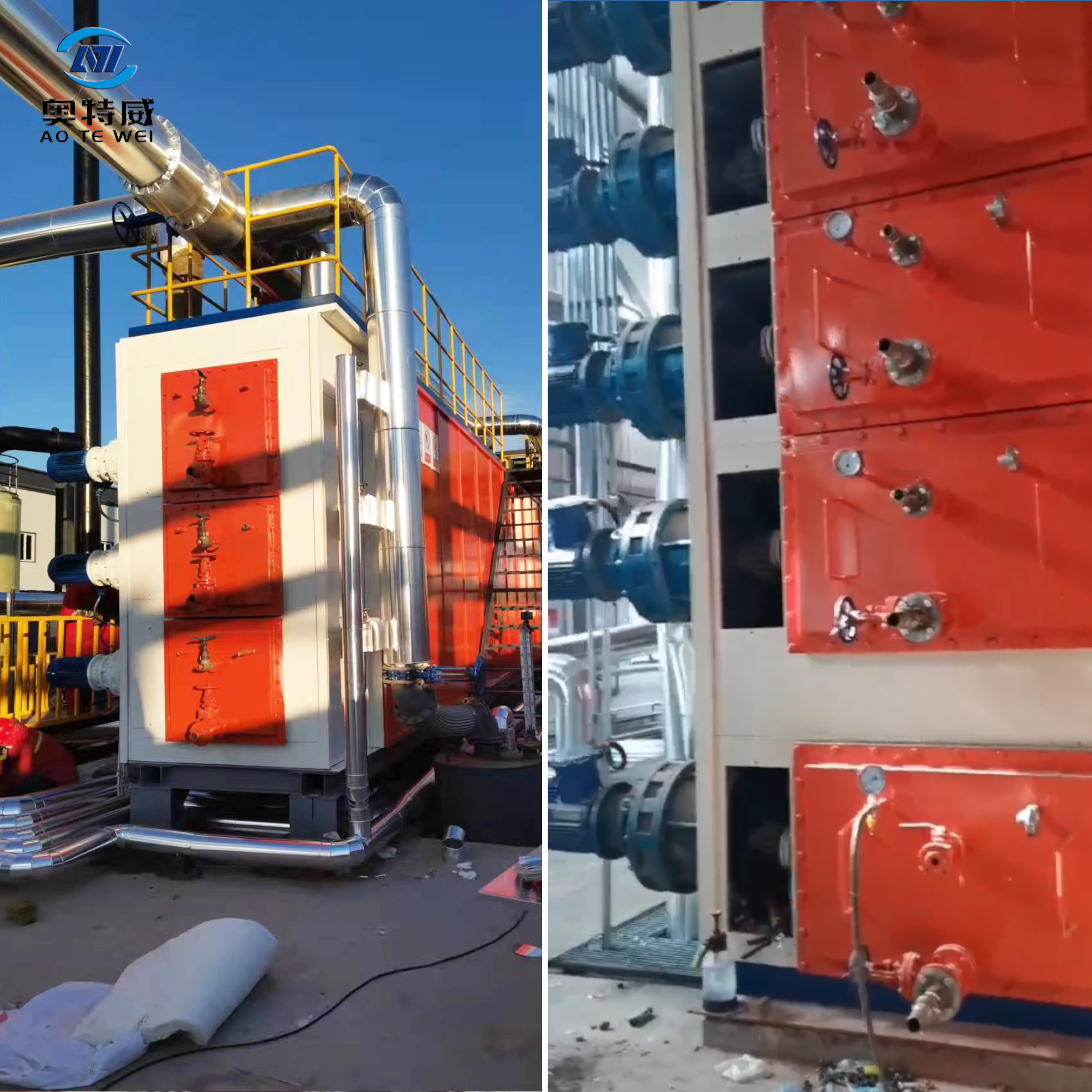
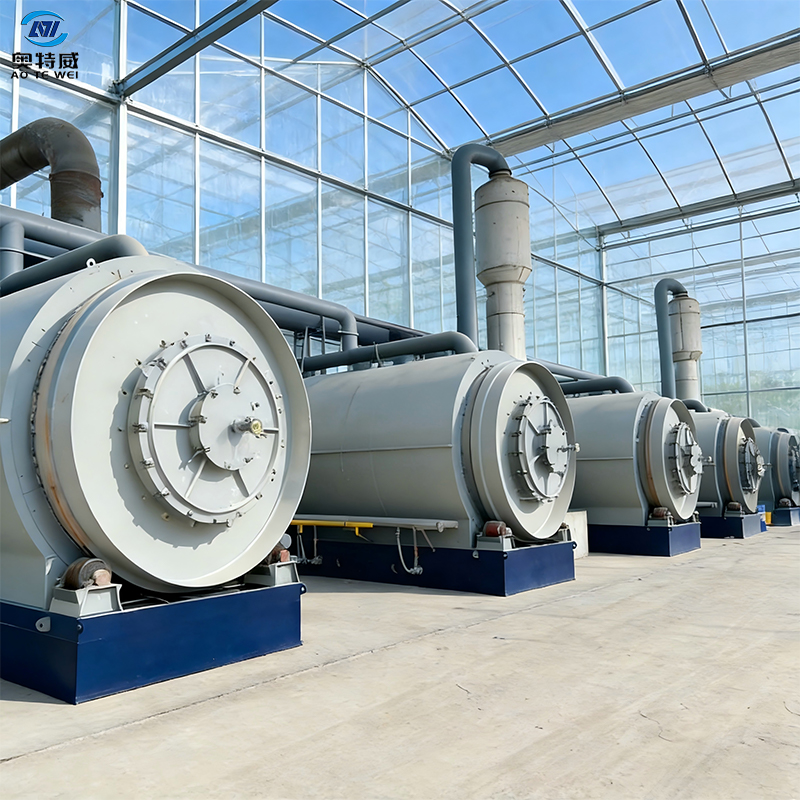
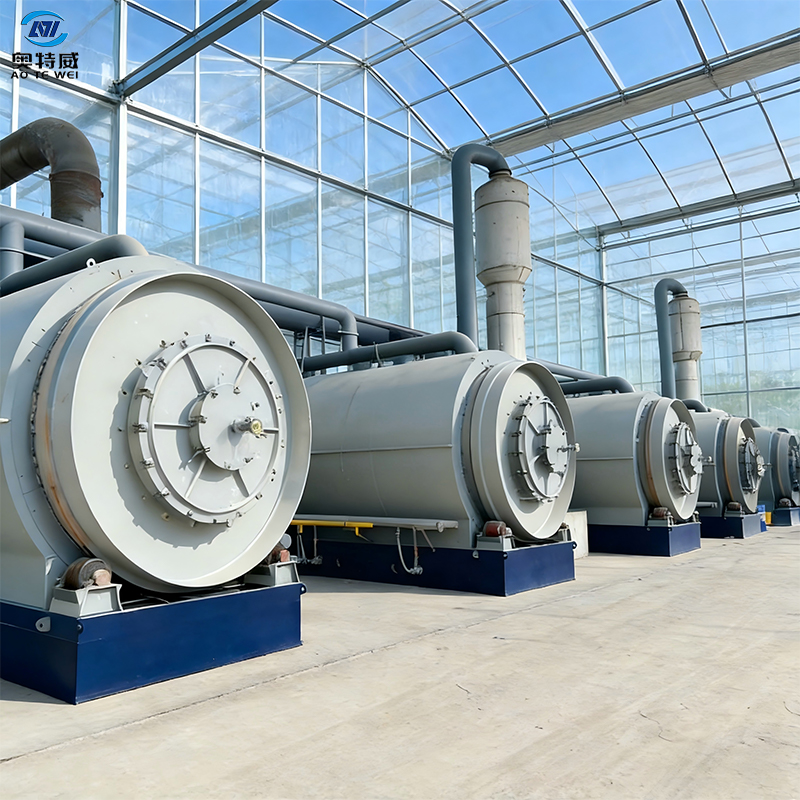
Polyethylene pyrolysis employs cutting-edge thermal decomposition technology that achieves superior conversion efficiency compared to traditional waste management methods. The process operates in specially engineered reactors where polyethylene undergoes controlled heating at precisely regulated temperatures to maximize product yield and quality. Advanced polyethylene pyrolysis systems incorporate state-of-the-art temperature sensors, automated heating controls, and sophisticated monitoring equipment ensuring consistent performance. The technology features multiple reactor designs including fixed-bed, fluidized-bed, and rotary kiln configurations, each optimized for specific feedstock characteristics. Polyethylene pyrolysis technology includes integrated cooling and condensation systems that efficiently capture valuable vapors before conversion to liquid products. The advanced design minimizes energy waste through heat recovery mechanisms that capture excess thermal energy for process heating. This technological sophistication means polyethylene pyrolysis operators achieve higher conversion rates, typically 75-90% depending on feedstock quality and operating parameters. Investment in premium polyethylene pyrolysis systems delivers superior returns through increased product output and reduced operational losses compared to basic installations.
Valuable Fuel and Chemical Production

Valuable Fuel and Chemical Production

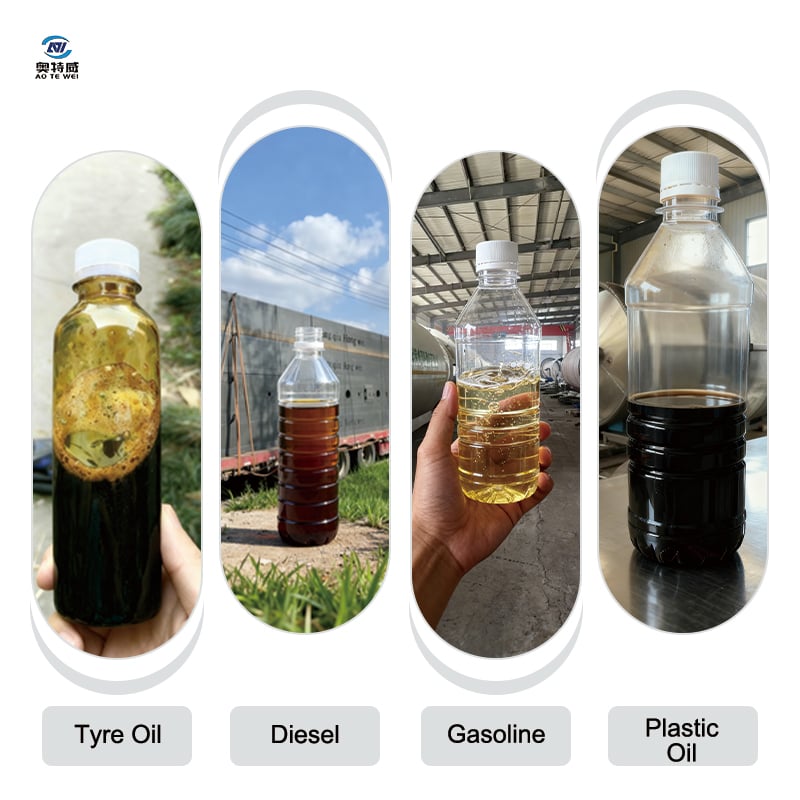
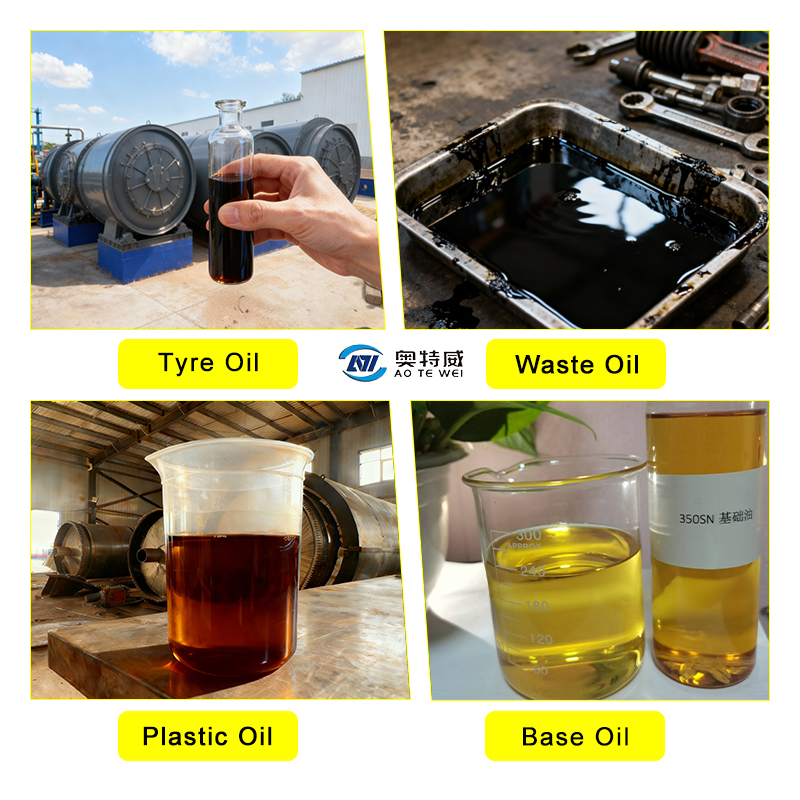
Polyethylene pyrolysis transforms waste materials into premium products commanding strong market value and diverse applications. The process produces pyrolysis oil that serves as direct fuel or feedstock for chemical refineries, offering multiple revenue streams from single processing batches. Polyethylene pyrolysis output includes light hydrocarbons suitable for gasoline blending, middle distillates comparable to diesel fuel, and heavy fractions for heating applications. The quality of products generated through polyethylene pyrolysis rivals conventional petroleum-derived materials, enabling seamless integration into existing refining and manufacturing processes. Customers benefit from polyethylene pyrolysis production through saleable products that generate immediate revenue and support long-term business sustainability. The chemical composition of pyethylene pyrolysis products allows processing into specialty chemicals, lubricants, and industrial solvents with premium pricing. Market demand for sustainable fuels creates exceptional opportunities for polyethylene pyrolysis operators positioned to supply eco-conscious industries. The commercial viability of polyethylene pyrolysis projects depends directly on product quality and market access, both achievable through proper technology implementation and strategic marketing.
Environmental and Economic Sustainability

Environmental and Economic Sustainability

Polyethylene pyrolysis addresses critical environmental challenges while delivering compelling economic returns for implementing organizations. The process prevents enormous quantities of plastic waste from accumulating in landfills and marine environments where degradation requires centuries. Polyethylene pyrolysis simultaneously reduces carbon emissions by substituting sustainable fuels for petroleum products extracted through energy-intensive drilling operations. Implementation of polyethylene pyrolysis infrastructure demonstrates corporate commitment to circular economy principles, enhancing brand reputation and stakeholder relationships. The economic advantage of polyethylene pyrolysis emerges through avoided disposal fees, recovered energy sales, and reduced virgin material procurement requirements. Companies investing in polyethylene pyrolysis projects achieve measurable environmental certifications while improving financial performance and operational efficiency. Long-term sustainability of polyethylene pyrolysis operations depends on consistent plastic waste availability and maintained market demand for recovered products. Organizations adopting polyethylene pyrolysis positioning establish leadership in sustainability practices while securing competitive advantages through resource recovery and cost reduction.

Get a Free Quote

Our representative will contact you soon.
Email
WhatsApp / Mobile
Name
Company Name
Message
0/1000
Newsletter
Please Leave A Message With Us