Scalable Technology with Flexible Implementation Options
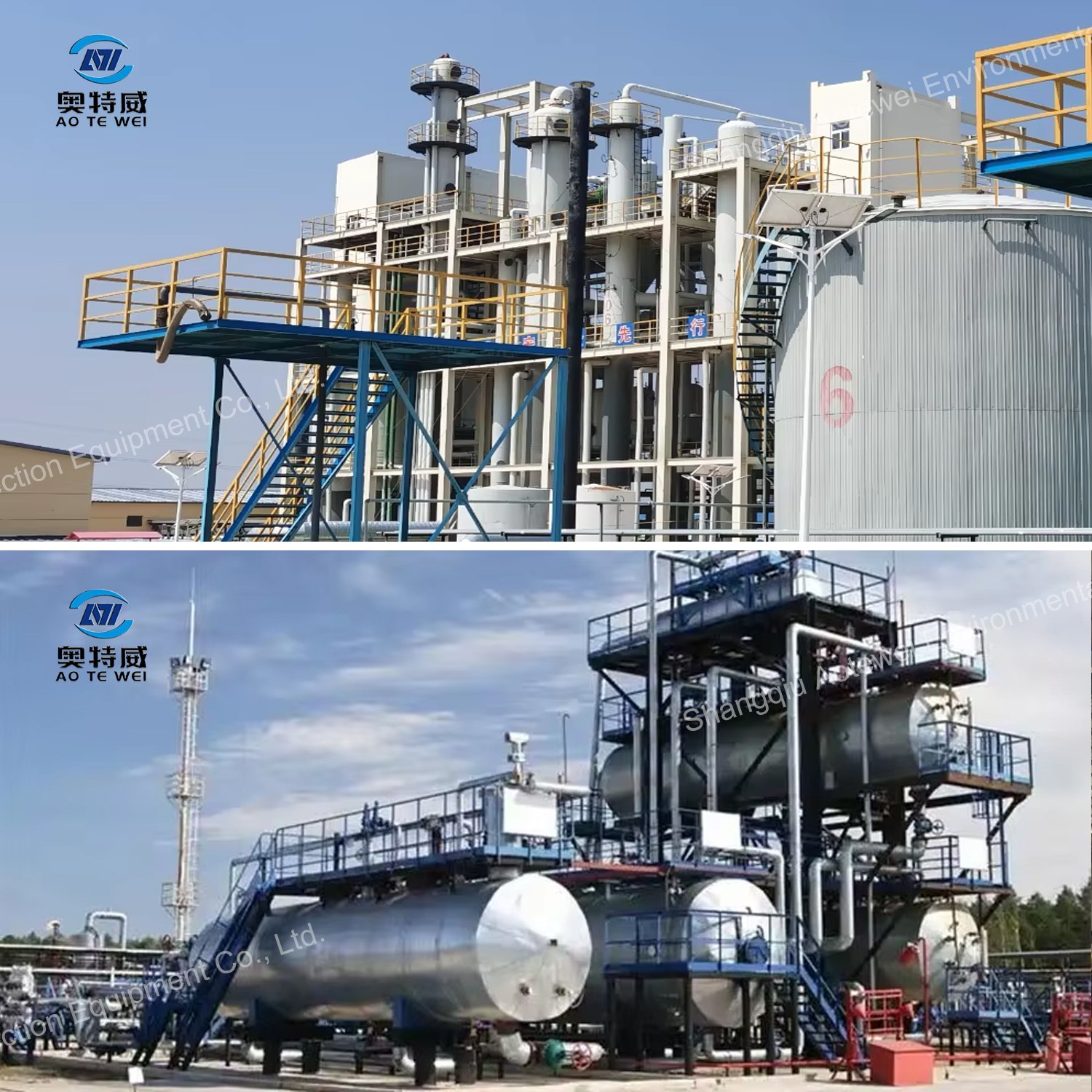
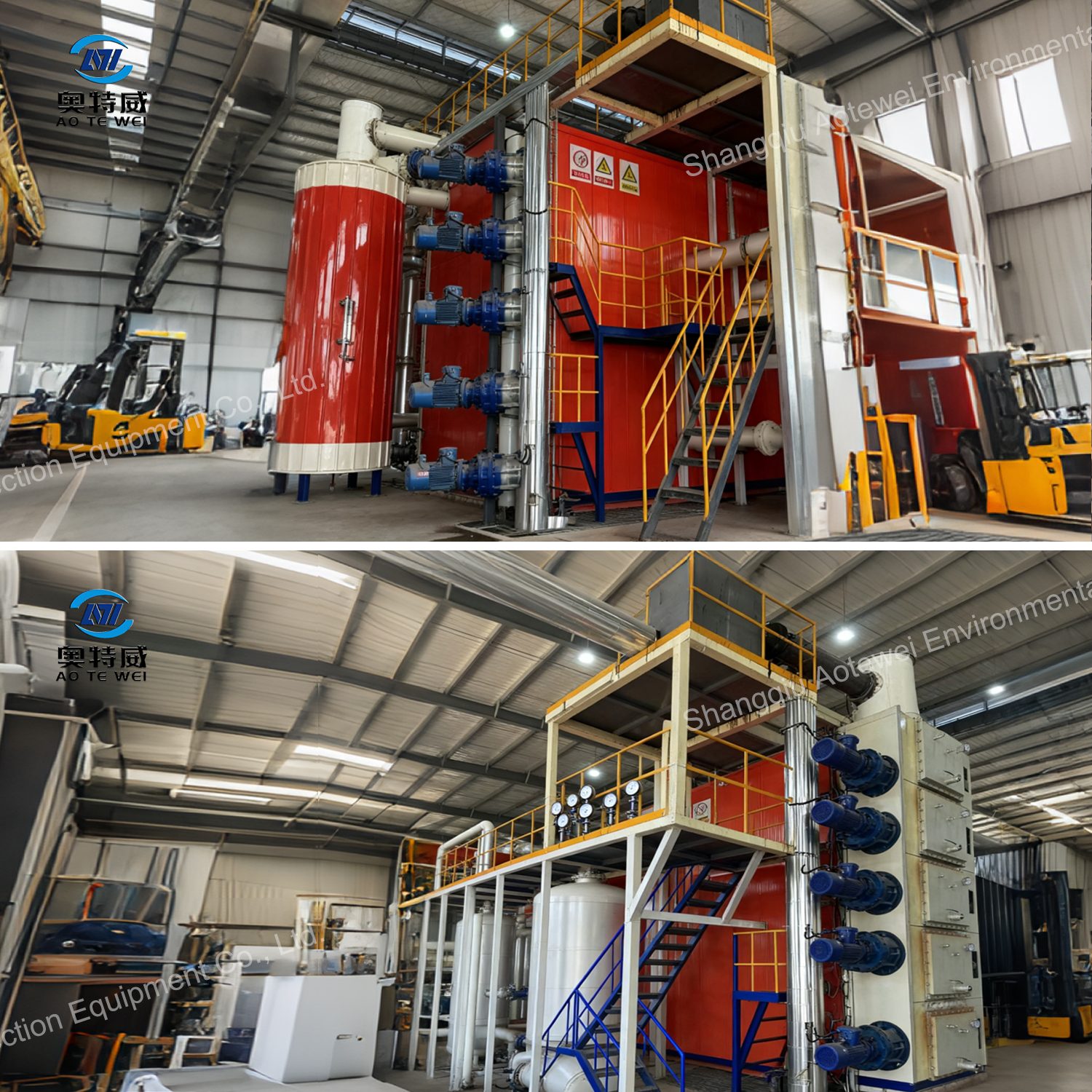
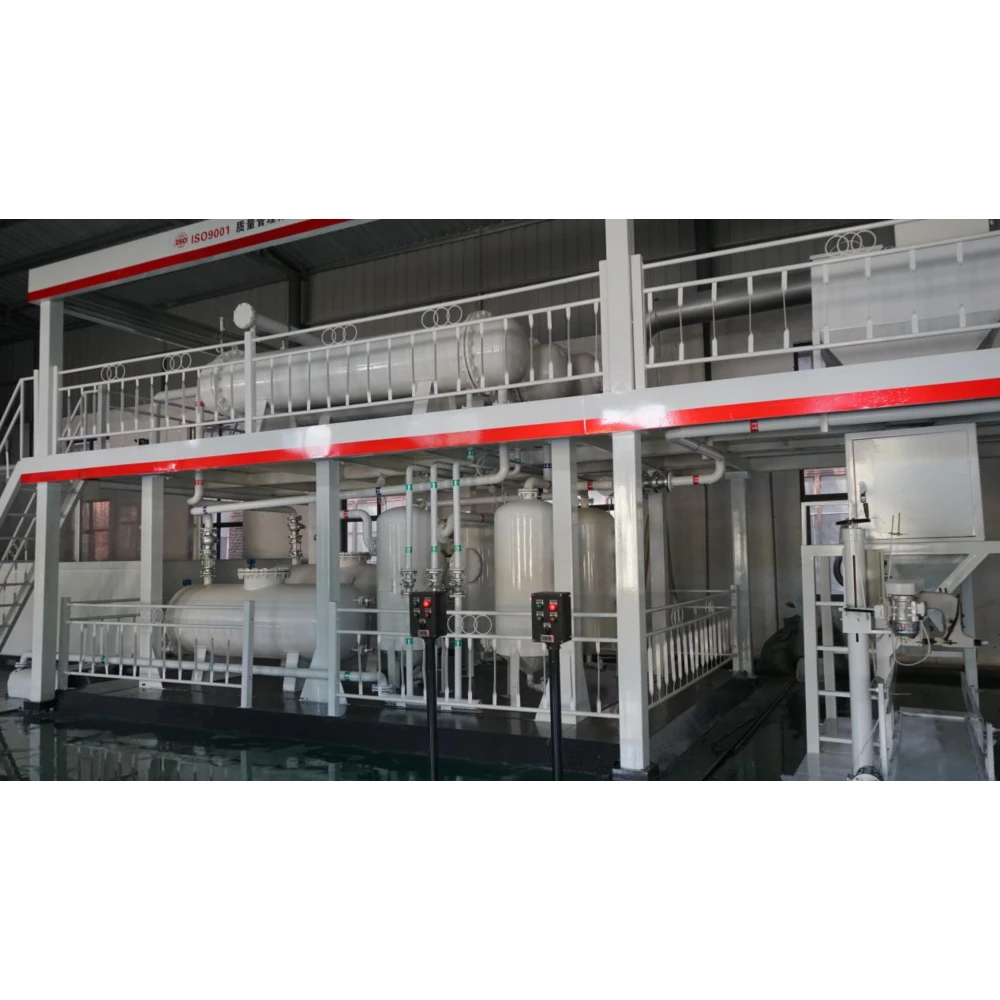
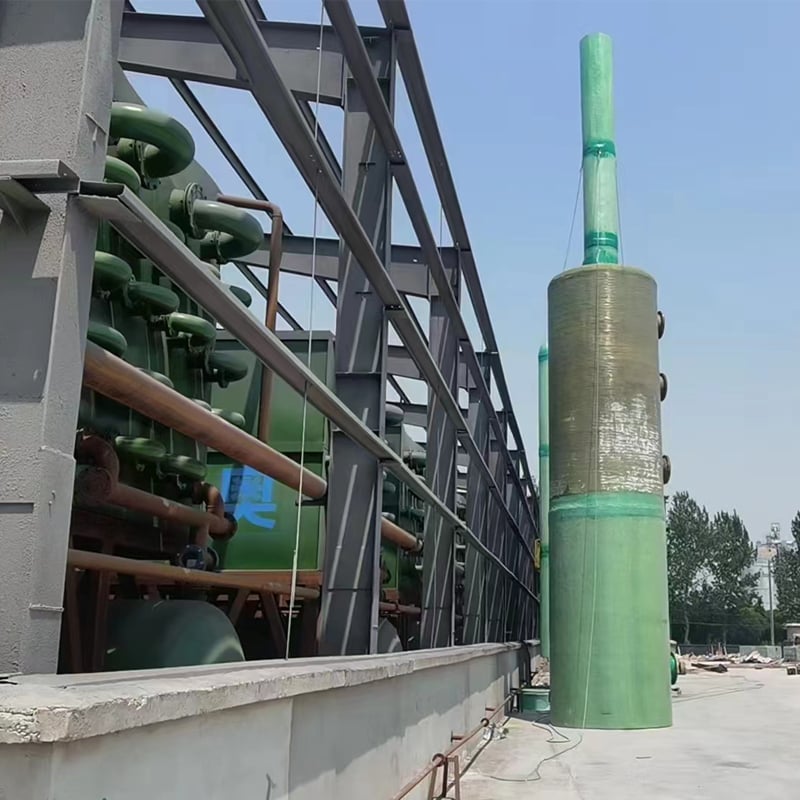
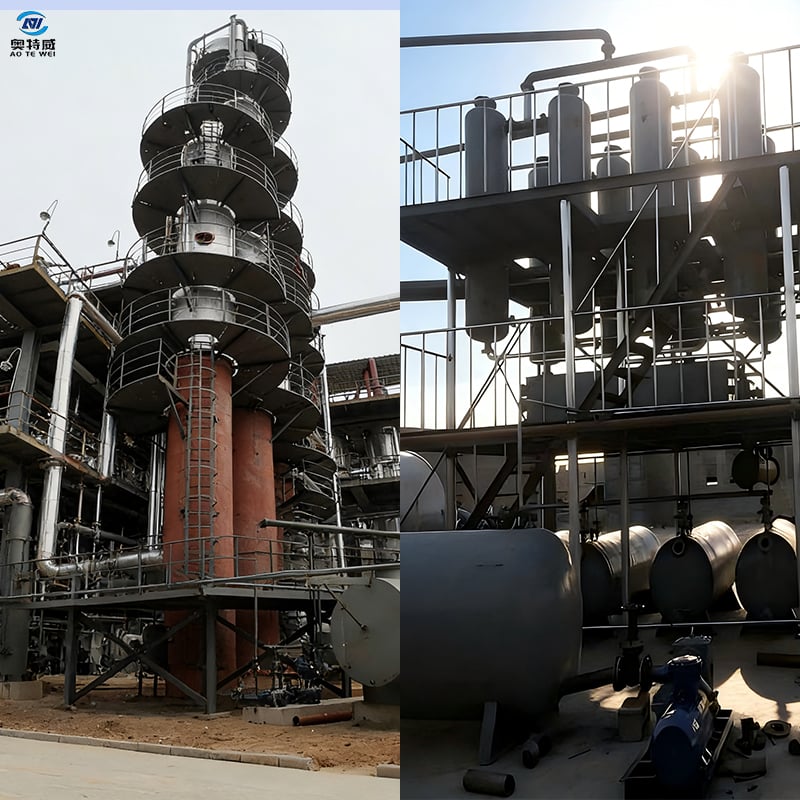
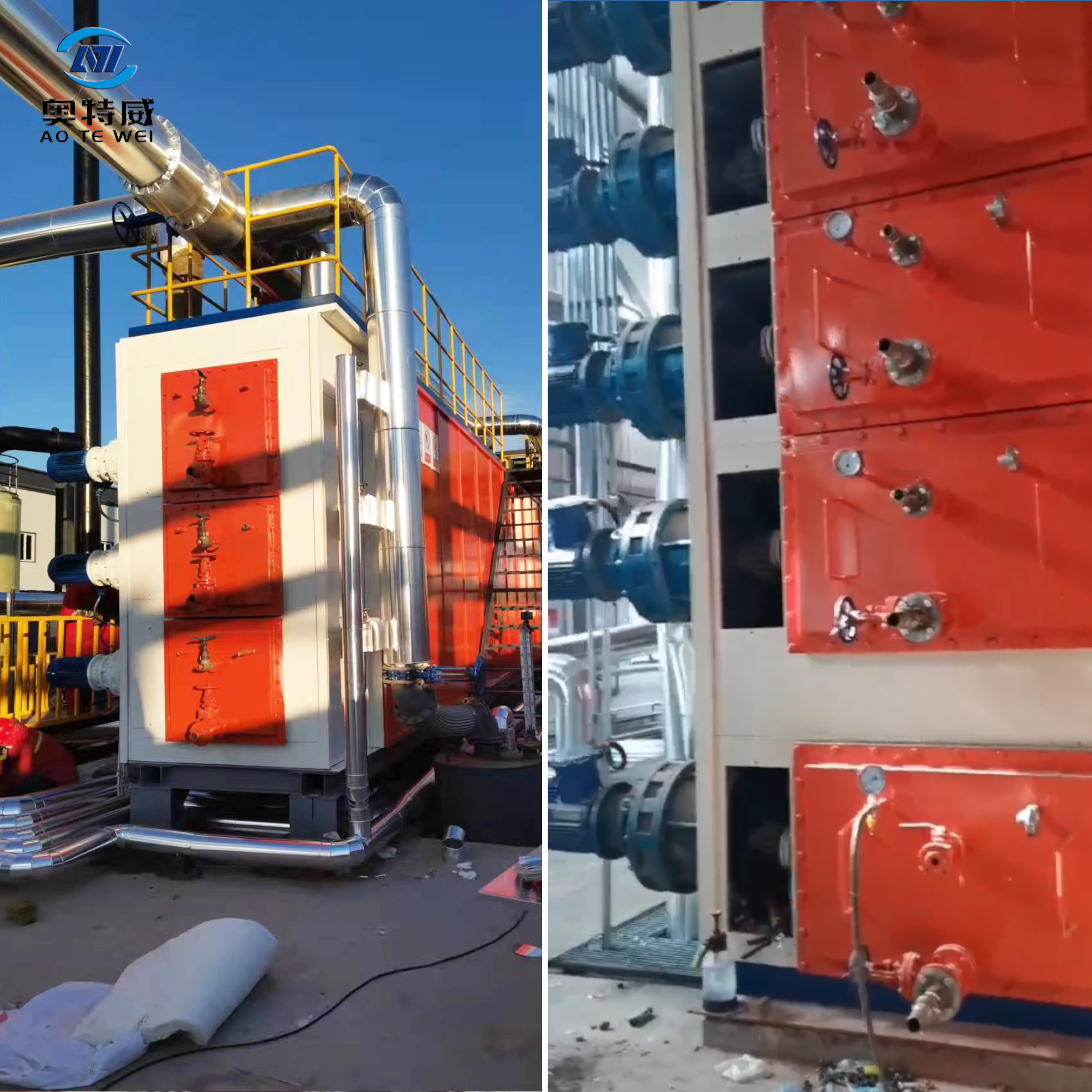
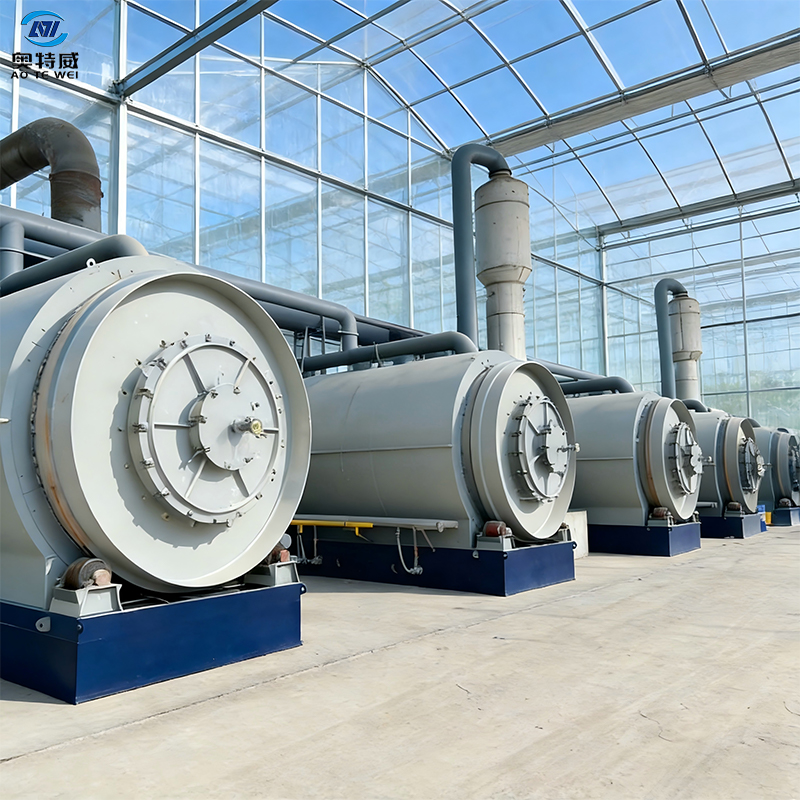
The scalability and operational flexibility of polyethylene pyrolysis technology make it accessible to diverse organizations regardless of size, location, or specific waste management needs. System designs range from compact modular units processing one to five tons of material daily, suitable for small municipalities or industrial facilities, up to large-scale continuous operations handling 50 tons or more per day for regional waste management authorities or major recycling enterprises. This range of capacity options means you can match system size precisely to your waste generation rates and available capital investment, avoiding the inefficiency of oversized equipment or the limitations of undersized capacity. Modular designs offer particular advantages for phased implementation strategies. Organizations can begin with a single processing unit, establish operational experience, develop markets for the output products, and then expand capacity by adding additional modules as waste volumes grow or as business success justifies further investment. This incremental approach reduces financial risk while building expertise and proving the technology's viability within your specific context. The modules operate independently, providing redundancy that maintains production even if one unit requires maintenance, ensuring consistent waste processing capability and reliable product output for customers. Feedstock flexibility enhances practical value significantly. While optimized for polyethylene materials, modern pyrolysis systems successfully process mixed plastic streams containing polypropylene and other polymer types, reducing the need for extensive sorting and preprocessing. This tolerance for contamination and mixed materials lowers operational complexity and accepts real-world waste streams that contain labels, adhesives, and minor contaminants. The ability to process materials rejected by conventional mechanical recycling expands your potential feedstock sources and maximizes waste diversion rates. Geographic flexibility allows installation in various locations including industrial parks, waste management facilities, manufacturing complexes, and even remote areas with limited infrastructure. The systems operate independently of municipal utilities once commissioned, generating their own process heat and requiring only electrical power for motors and controls. This independence suits off-grid applications and locations where natural gas or other fuel supplies prove unreliable or expensive. Transportation costs for waste materials and finished products factor significantly into project economics, so the ability to site facilities near waste sources or product markets optimizes logistics and profitability. Technology providers offer comprehensive support including site assessment, system design customization, installation supervision, operator training, and ongoing technical assistance. This turnkey approach simplifies adoption for organizations lacking specialized engineering expertise while ensuring optimal performance from day one. Automation features reduce labor requirements to primarily oversight functions, with systems running continuously for extended periods between scheduled maintenance intervals. Remote monitoring capabilities allow technical experts to track performance parameters, diagnose issues, and optimize operations without on-site visits, particularly valuable for facilities in distant locations or organizations operating multiple installations across geographic regions.