
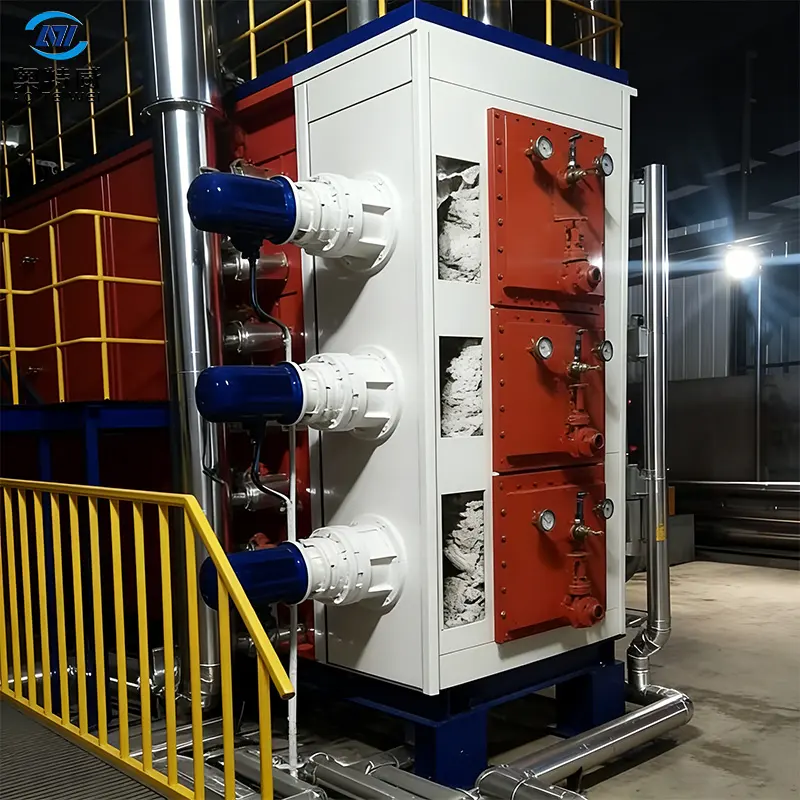
A pyrolysis plant can absolutely support environmentally friendly recycling business models, and in many industrial contexts it already does. As regulatory pressure on waste management intensifies and circular economy principles gain wider adoption, operators are actively evaluating whether a pyrolysis plant delivers genuine environmental value alongside commercial returns. The answer depends on how the plant is configured, operated, and integrated into a broader waste-to-resource strategy.
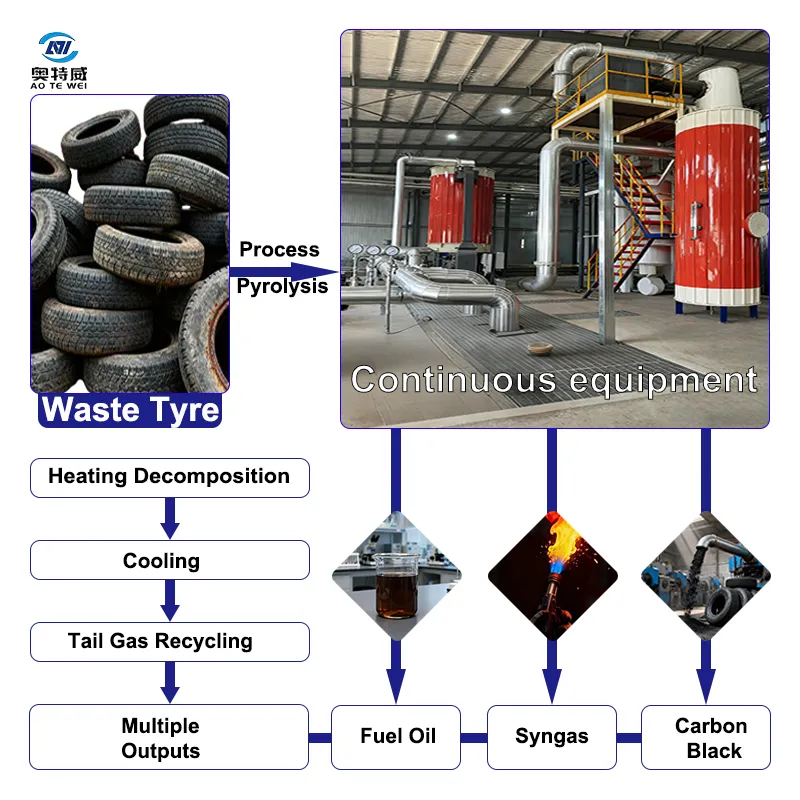
The core function of a pyrolysis plant is thermochemical decomposition — breaking down organic waste materials such as plastic, rubber, and used tyres in the absence of oxygen. This process converts solid waste into pyrolysis oil, combustible gas, and carbon black. Each output from a pyrolysis plant carries commercial value, which is exactly what makes this technology attractive for building a sustainable recycling business. Understanding how each component of a pyrolysis plant contributes to environmental and economic outcomes is essential before committing to this model.
How a Pyrolysis Plant Enables Circular Economy Value
Waste Diversion at Industrial Scale
One of the most direct environmental contributions of a pyrolysis plant is its capacity to divert significant volumes of waste from landfills and open-burn sites. A single pyrolysis plant processing 15 to 50 tonnes per day removes substantial quantities of plastic and rubber from the waste stream. Without a pyrolysis plant, much of this material would decompose slowly in landfills or release toxic emissions through uncontrolled burning. By converting this waste into usable outputs, a pyrolysis plant effectively closes a loop in the material lifecycle.
A continuous pyrolysis plant, in particular, offers higher throughput and more consistent processing compared to batch systems. This makes it better suited to commercial-scale recycling operations where waste volumes are large and steady. The higher efficiency of a continuous pyrolysis plant also reduces energy consumption per tonne processed, which further strengthens the environmental credentials of the operation.
Recovered Outputs as Marketable Resources
The pyrolysis oil produced by a pyrolysis plant can substitute for conventional fuel oil in industrial burners, generators, and heating systems. Carbon black recovered from a pyrolysis plant is used as a reinforcing agent in rubber products or as a combustion fuel. The combustible gas generated during pyrolysis is typically recycled back into the pyrolysis plant itself, reducing external energy input. These recovered outputs mean a pyrolysis plant does not simply process waste — it actively generates value-added resources that feed back into industrial supply chains.
Business Model Alignment With Environmental Standards
Meeting Compliance and Certification Requirements
For a recycling business to operate sustainably, its core infrastructure must align with environmental regulations. A properly certified pyrolysis plant, such as those holding CE certification, demonstrates compliance with recognized safety and emissions standards. Operating a certified pyrolysis plant is not only a legal requirement in many jurisdictions but also a market differentiator when approaching industrial clients who require documented environmental compliance from their supply chain partners. Businesses that invest in a compliant pyrolysis plant position themselves ahead of tightening regulatory requirements.
Emission control systems integrated into a modern pyrolysis plant — including flue gas scrubbers, condenser systems, and closed-loop gas handling — reduce atmospheric pollutants during operation. A pyrolysis plant designed with these systems in place allows operators to demonstrate measurable environmental performance, which is increasingly required for permit renewals, public procurement, and ESG-aligned investment partnerships.
Revenue Diversification Through a Pyrolysis Plant
A sustainable recycling business model needs multiple revenue streams to remain resilient. A pyrolysis plant supports this through the parallel sale of pyrolysis oil, carbon black, and steel wire recovered from tyre feedstock. Some operators also generate income by charging tipping or gate fees for accepting waste materials. When a pyrolysis plant is positioned as a waste treatment facility, this gate fee model creates an additional income layer on top of product sales. The financial structure of a pyrolysis plant operation therefore supports long-term viability without relying on a single commodity market.
Practical Conditions for Environmental Business Success
Feedstock Quality and Consistency
The environmental and economic performance of a pyrolysis plant depends heavily on feedstock quality. A pyrolysis plant fed with well-sorted, contamination-controlled plastic or tyre waste will produce higher-quality pyrolysis oil and cleaner carbon black. Inconsistent or contaminated feedstock reduces output quality, increases maintenance requirements on the pyrolysis plant, and can compromise emission control performance. Businesses building a recycling model around a pyrolysis plant must invest in upstream feedstock sorting and preparation to maximize plant performance.
A fully automatic pyrolysis plant reduces reliance on manual intervention during feeding and discharge cycles, which improves both safety and operational consistency. Automation in a pyrolysis plant also enables better temperature and pressure control, which directly influences pyrolysis oil yield and quality. For a recycling business aiming to meet environmental targets, an automated pyrolysis plant delivers more predictable and auditable outcomes.
Scale and Capacity Planning
Choosing the right pyrolysis plant capacity is a critical decision for any recycling business. A pyrolysis plant undersized relative to available feedstock volume will limit revenue potential and may create waste accumulation problems. A pyrolysis plant oversized for actual waste supply will run inefficiently and increase operational costs. Matching pyrolysis plant capacity to verified waste supply volumes ensures the operation stays financially viable and environmentally effective. Capacity planning should also account for future feedstock availability as the recycling business grows.
FAQ
What types of waste can a pyrolysis plant process?
A pyrolysis plant is designed to process plastic waste, waste tyres, rubber, and certain types of biomass. The specific feedstock compatibility depends on the pyrolysis plant design and reactor configuration. Most commercial pyrolysis plant models are optimized for plastic or tyre feedstock due to their high oil yield potential.
Is a pyrolysis plant suitable for small recycling businesses?
A pyrolysis plant is available in a range of capacities, from smaller batch units to large continuous systems. Smaller recycling businesses may start with a lower-capacity pyrolysis plant and scale up as feedstock supply and market demand grow. The key is ensuring that even a smaller pyrolysis plant meets local environmental and safety certification requirements.
How does a pyrolysis plant reduce carbon emissions compared to landfill?
A pyrolysis plant prevents the slow methane release associated with organic waste decomposing in landfills. By converting waste into usable fuel and materials, a pyrolysis plant replaces virgin fossil fuel consumption and reduces the need for energy-intensive primary material production. The net emissions benefit of a pyrolysis plant depends on operational efficiency and how the recovered outputs are used downstream.