
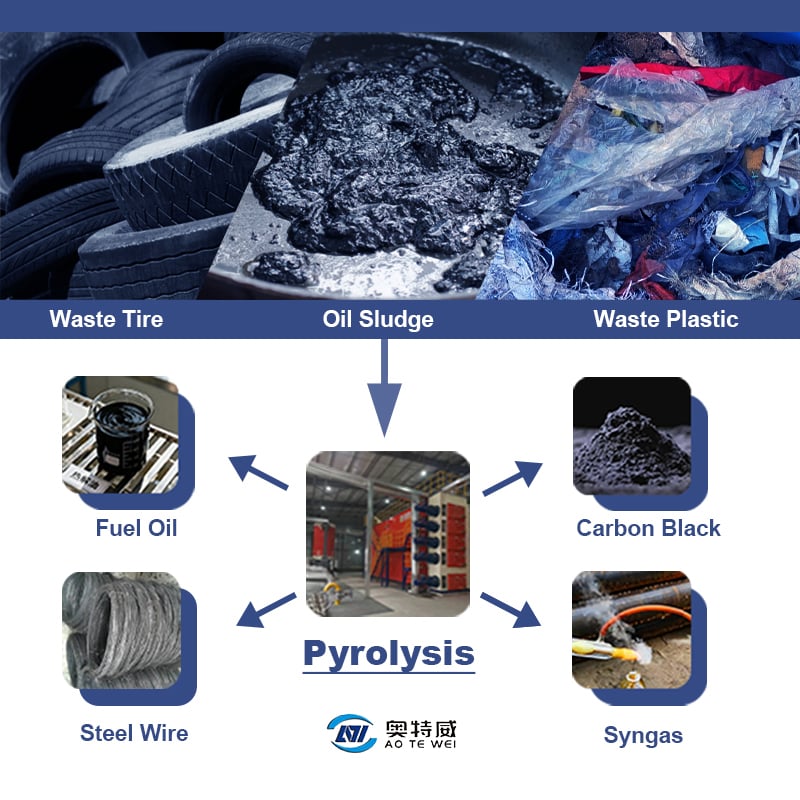
A distillation plant is at the heart of many industrial refining operations, converting used engine oil, pyrolysis oil, and other feedstocks into valuable diesel fuel. Understanding what drives productivity in a distillation plant is essential for operators who want consistent output, lower operational costs, and a longer service life for their equipment. When productivity drops, it rarely has a single cause — it is the result of multiple interacting factors across the processing system.
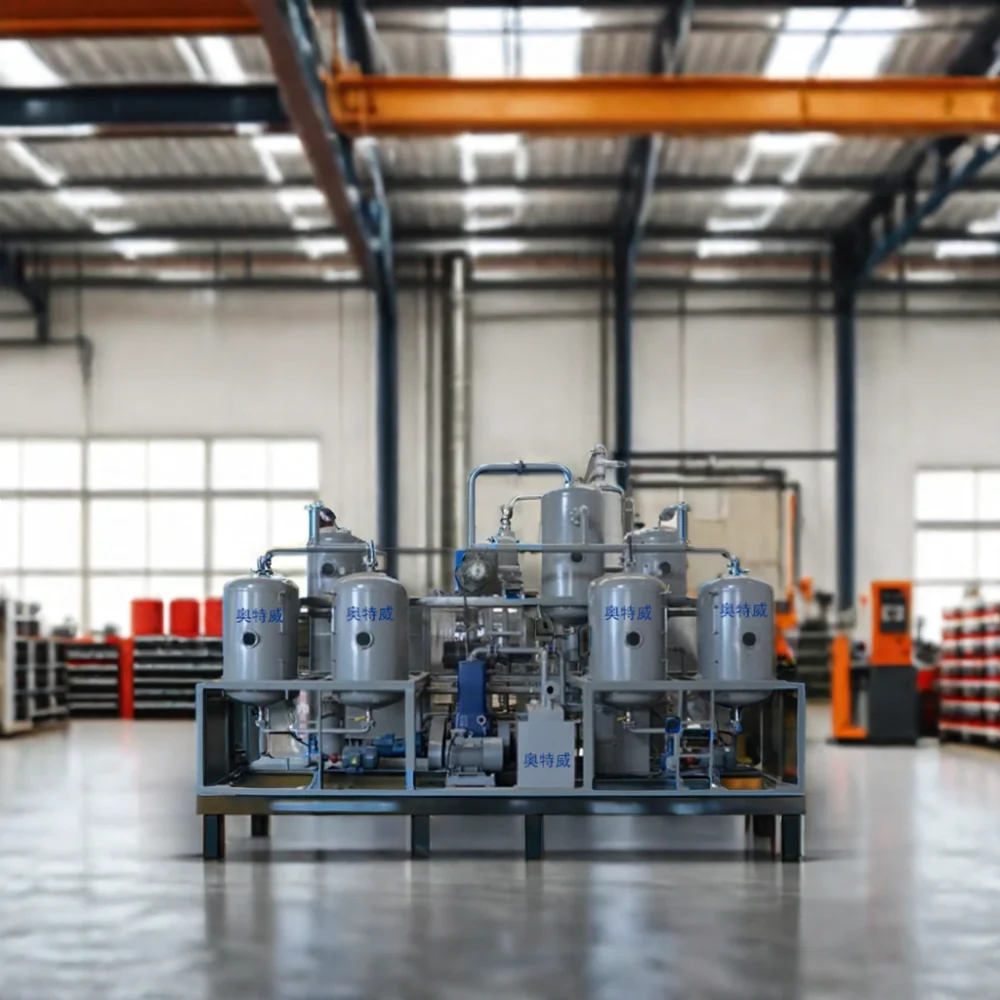
Every distillation plant operates within a specific set of process conditions, equipment parameters, and operational practices. When these elements are properly aligned, the distillation plant delivers stable throughput, high-quality product separation, and minimal downtime. When any one element falls out of alignment, productivity suffers — sometimes significantly. This article breaks down the core factors that determine how efficiently a distillation plant processing system performs and what operators can do to maintain peak performance.
Feedstock Quality and Its Role in Distillation Plant Output
How Feed Composition Shapes Distillation Plant Performance
One of the most direct factors affecting a distillation plant is the quality and consistency of the feedstock entering the system. In a distillation plant processing used engine oil or pyrolysis oil, variations in feed composition — such as water content, sediment levels, metal contaminants, and viscosity — can significantly disrupt separation efficiency. A distillation plant designed for a specific feed specification will underperform when the actual feed deviates from that specification. Inconsistent feedstock forces the distillation plant to operate outside its optimal temperature and pressure windows, reducing both throughput and product quality.
Pre-treatment of feed is therefore a critical upstream step for any distillation plant. Removing water, solids, and chlorine compounds before they enter the distillation plant protects the heat exchangers, reduces fouling in distillation columns, and keeps the separation process predictable. Operators who invest in proper feedstock conditioning report measurably higher productivity from their distillation plant over sustained operating periods.
Feed Rate Stability and Distillation Plant Throughput
Beyond composition, the stability of the feed rate into the distillation plant directly affects throughput consistency. A distillation plant performs best when the feed volume entering the system remains steady rather than fluctuating. Sudden surges or drops in feed rate force temperature gradients inside the distillation plant to shift, disrupting vapor-liquid equilibrium and reducing product cut accuracy. For continuous-operation distillation plant configurations, maintaining a controlled, steady feed rate is one of the simplest and most effective ways to protect productivity.
Equipment Condition and Thermal Efficiency in a Distillation Plant
Heat Transfer Efficiency and Its Impact on the Distillation Plant
Thermal efficiency is central to how well a distillation plant converts energy input into useful separation work. In a distillation plant, heat exchangers, furnaces, and reboilers are responsible for raising feed to the required vaporization temperatures. When these components suffer from fouling, scaling, or corrosion, the distillation plant requires more energy to achieve the same thermal output. This raises operating costs while simultaneously reducing the distillation plant's capacity to maintain the precise temperature profiles needed for clean product separation.
Regular inspection and cleaning of heat transfer surfaces is a non-negotiable maintenance practice for any distillation plant. Even a modest reduction in heat exchanger efficiency forces the distillation plant heating system to work harder, shortening equipment life and reducing overall productivity. Operators who schedule preventive thermal maintenance keep their distillation plant running closer to design capacity for longer periods.
Column Internals and Separation Quality in the Distillation Plant
The internal components of the distillation plant column — including trays, packing, and distributors — directly govern the quality of vapor-liquid contact during separation. A distillation plant column with worn, fouled, or damaged internals cannot achieve the same separation efficiency as one in good working condition. When column internals degrade, the distillation plant produces off-spec cuts, higher recycle rates, and increased energy consumption per unit of product. For a distillation plant processing oil-derived feedstocks, coking and tar deposition on column internals are common issues that require periodic shutdown cleaning to restore full distillation plant productivity.
Operational Parameters and Process Control in the Distillation Plant
Temperature and Pressure Control Across the Distillation Plant
Precise control of temperature and pressure is among the most influential operational factors in a distillation plant. The distillation plant relies on maintaining specific boiling point ranges at each separation stage to isolate target product fractions. If temperature control in the distillation plant is inconsistent — due to faulty instrumentation, manual errors, or unstable heating — the product fractions will overlap, reducing yield quality. Similarly, pressure deviations inside the distillation plant shift equilibrium conditions, causing the distillation plant to produce heavier or lighter cuts than intended. A distillation plant equipped with reliable automated process control systems maintains tighter parameter windows and consistently higher productivity than one operated with manual or reactive control methods.
Reflux Ratio and Energy Balance in the Distillation Plant
The reflux ratio — the proportion of condensed overhead liquid returned to the distillation plant column versus withdrawn as product — has a direct bearing on separation sharpness and energy consumption. Setting the reflux ratio too high in the distillation plant increases energy use without proportional gains in separation quality. Setting it too low causes the distillation plant to produce blended, off-specification product fractions. Finding and maintaining the optimal reflux ratio for the specific feedstock being processed is a key operational skill for distillation plant teams. An energy audit of the distillation plant, conducted periodically, helps identify whether the current reflux ratio is contributing to or detracting from overall distillation plant productivity.
FAQ
What is the most common reason a distillation plant loses productivity over time?
The most common reason a distillation plant loses productivity over time is equipment fouling — particularly in heat exchangers, column internals, and furnace tubes. As a distillation plant processes oil-based feedstocks, carbonaceous deposits, scaling, and corrosion gradually reduce thermal and separation efficiency. A distillation plant that does not follow a structured preventive maintenance schedule will experience progressive productivity decline that is difficult to reverse without major cleaning or component replacement.
How does feedstock variation affect a distillation plant processing system?
When feedstock composition changes significantly between batches, the distillation plant must adapt its temperature, pressure, and reflux settings to maintain target product cuts. A distillation plant that lacks adaptive process controls or trained operators will produce inconsistent output when feed varies. Pre-treating the feedstock before it enters the distillation plant is the most reliable way to reduce the impact of feed variation on processing system stability and product quality.
Can automation improve the productivity of a distillation plant?
Yes, automation significantly improves distillation plant productivity by enabling tighter, faster response to process deviations. An automated distillation plant can adjust temperature setpoints, reflux ratios, and feed rates in real time, reducing the window during which the distillation plant operates outside optimal conditions. For high-throughput continuous distillation plant operations, automation reduces human error, lowers energy waste, and improves product consistency — all of which contribute directly to higher distillation plant productivity.