
Rubber recycling has emerged as a critical pillar in achieving eco-friendly industrial development goals across manufacturing, construction, and transportation sectors. As global industries face mounting pressure to reduce environmental impact and adopt circular economy principles, rubber recycling represents one of the most practical and scalable solutions available today. The process transforms discarded rubber products—primarily end-of-life tires—into valuable secondary materials that fuel sustainable manufacturing while reducing landfill dependency and conserving natural resources. Understanding how rubber recycling contributes to industrial sustainability is essential for any organization committed to balancing profitability with environmental responsibility.
The industrial significance of rubber recycling extends far beyond waste management. When properly executed, rubber recycling creates a closed-loop resource system that delivers measurable environmental, economic, and operational benefits to industries worldwide. This article explores the multifaceted relationship between rubber recycling and sustainable industrial development, examining how advanced recycling technologies, market dynamics, and regulatory frameworks combine to support long-term ecological and business objectives.
Environmental Impact and Resource Conservation
Reducing Landfill Burden and Emissions
Landfill disposal of rubber waste creates substantial environmental challenges, including soil contamination, methane emissions, and long-term ecological degradation due to rubber's non-biodegradable nature. Industrial rubber recycling directly addresses this problem by diverting millions of tons of waste rubber from landfills annually, significantly reducing environmental pressure and associated remediation costs. When rubber recycling facilities process end-of-life tires and rubber products through modern equipment, they eliminate the need for disposal in already-saturated landfill sites. This shift toward rubber recycling not only preserves valuable landfill capacity but also reduces the greenhouse gas emissions tied to waste decomposition and transport, contributing measurably to carbon reduction targets in industrial development strategies.
Preserving Virgin Resource Extraction
Natural rubber production requires extensive land use, pesticide application, and deforestation in tropical regions, creating significant ecological strain. By prioritizing rubber recycling, industries reduce demand for virgin rubber harvesting, thereby protecting forests, reducing chemical inputs, and preserving biodiversity in rubber-producing ecosystems. Recycled rubber materials can replace virgin rubber in numerous industrial applications—from asphalt pavements to playground surfaces, athletic fields, and industrial components. This substitution through rubber recycling conserves approximately 1.3 gallons of oil per pound of recycled rubber processed, representing substantial energy savings and reduced extraction pressure on natural resources.
Economic Value and Industrial Competitiveness
Creating Secondary Material Markets
Rubber recycling generates commercially viable secondary materials that serve as cost-effective feedstock for multiple industries, establishing new revenue streams and market opportunities. Recycled rubber finds application in rubberized asphalt, playground surfaces, automotive components, industrial mats, and sound-dampening systems, creating stable demand across construction, manufacturing, and infrastructure sectors. The economics of rubber recycling have improved substantially as processing technology has advanced, making recycled rubber increasingly competitive against virgin alternatives on both cost and performance metrics. Industries that integrate recycled rubber into their supply chains through strategic rubber recycling initiatives often reduce material costs while simultaneously improving their sustainability credentials and market positioning.
Supporting Circular Economy Business Models
Modern industrial development increasingly embraces circular economy principles, where rubber recycling serves as a foundational mechanism for resource efficiency and waste valorization. Companies implementing comprehensive rubber recycling programs demonstrate commitment to sustainable operations, attracting environmentally conscious customers, investors, and business partners. This alignment with circular economy values creates competitive advantages in markets where sustainability performance influences purchasing decisions and brand reputation. Industrial organizations that embed rubber recycling into their product design and supply chain management often achieve operational cost reductions, improved regulatory compliance, and enhanced corporate sustainability metrics.
Technology Innovation and Industrial Scale-Up
Advanced Rubber Recycling Technologies
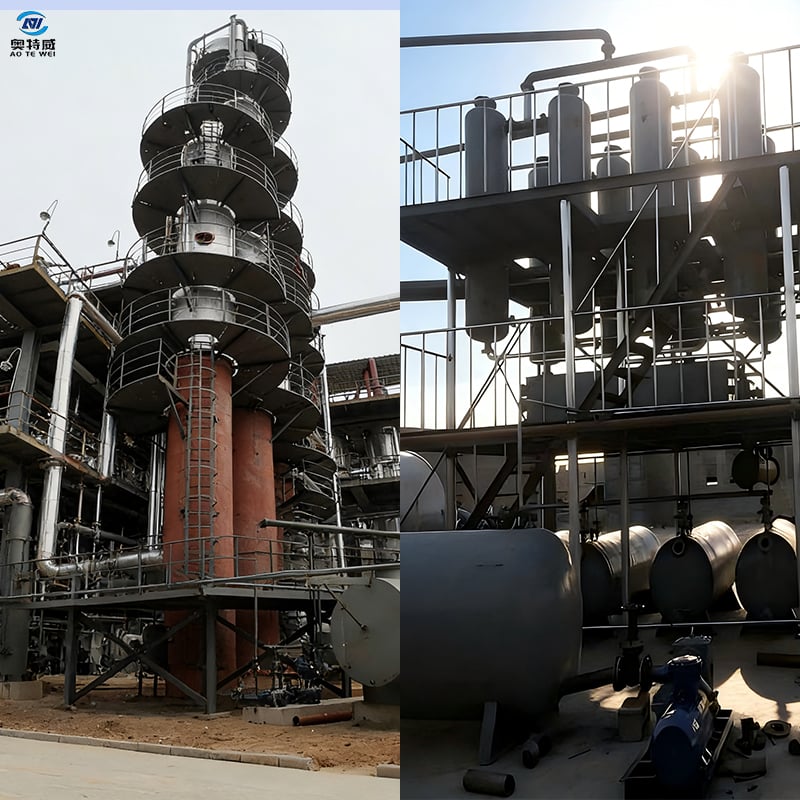
Modern rubber recycling technologies—including pyrolysis, devulcanization, and cryogenic grinding—enable industrial-scale transformation of waste rubber into high-quality materials suitable for demanding applications. These advanced rubber recycling methods allow processors to recover rubber materials with properties approaching virgin standards, significantly expanding market applicability and commercial viability. Industrial facilities utilizing these technologies can process hundreds of tons of rubber daily, creating economies of scale that enhance profitability while supporting environmental objectives. The continuous innovation in rubber recycling equipment and methodology ensures that industrial sectors can maintain compliance with evolving environmental standards while sustaining economic performance.
Integration with Industrial Infrastructure
Establishing rubber recycling capacity within industrial networks strengthens overall operational resilience and resource security. Industries that develop integrated rubber recycling systems reduce supply chain vulnerability by creating onsite or nearby processing capabilities that provide reliable material supply independent of global market fluctuations. This localized rubber recycling approach supports regional economic development while reducing transportation emissions associated with long-distance material sourcing. When industrial manufacturers establish rubber recycling partnerships with equipment providers, they gain access to optimized processing systems that maximize material recovery rates and throughput, directly contributing to sustainability goals and operational efficiency targets.
FAQ
How much landfill waste can rubber recycling prevent annually?
Industrial rubber recycling programs prevent approximately 300 to 400 million tons of rubber waste from entering landfills globally each year. The actual volume depends on regional collection infrastructure, processing capacity, and regulatory frameworks supporting rubber recycling initiatives. Countries with mature rubber recycling industries report diversion rates exceeding 85% of end-of-life tires, demonstrating the substantial landfill reduction potential when comprehensive rubber recycling systems operate effectively.
What industries benefit most from rubber recycling materials?
Construction, infrastructure, automotive, manufacturing, and sports facility industries derive significant value from rubber recycling-derived materials. Asphalt modification represents the largest application, followed by playground surfaces, industrial components, and automotive parts. These sectors benefit from cost advantages, improved material performance, and enhanced sustainability credentials when rubber recycling materials replace virgin alternatives in their operations.
Does rubber recycling reduce manufacturing costs?
Yes, rubber recycling often provides material cost advantages ranging from 10% to 40% compared to virgin rubber, depending on application, quality requirements, and regional market conditions. The cost savings vary based on processing technology used, scale of rubber recycling operations, and distance between processing facilities and end-users. Industries implementing rubber recycling in their supply chains typically achieve both cost reduction and improved sustainability performance simultaneously.