
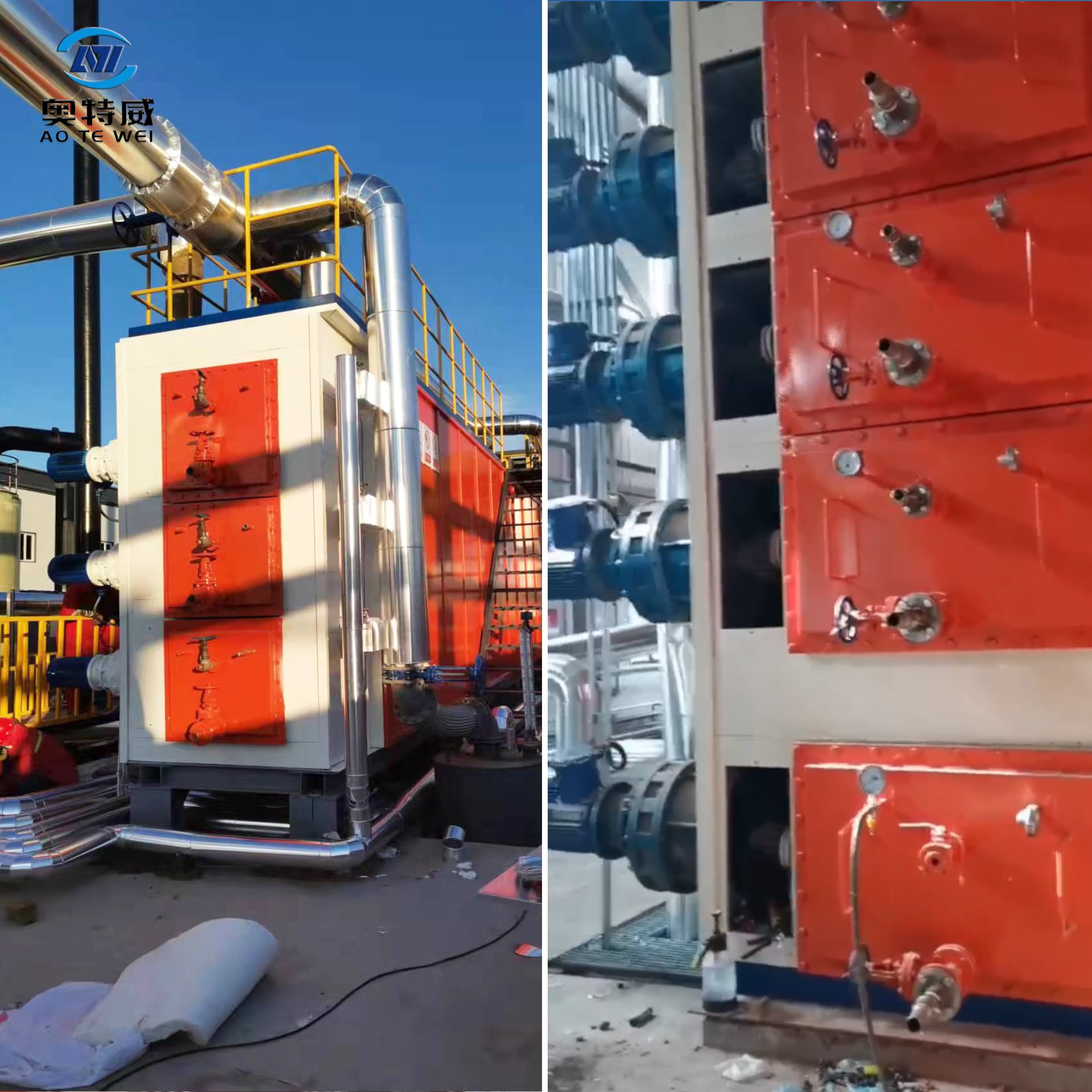
Oil distillation represents one of the most effective methods for restoring the quality and usability of recycled oil products in modern industrial operations. As environmental regulations tighten and resource costs rise, the ability to recycle used oil efficiently has become a critical concern for manufacturing facilities, automotive service centers, and industrial operators worldwide. Oil distillation transforms contaminated or degraded oil into a clean, reusable product that meets stringent industry standards and performance requirements. This process removes impurities, separates different hydrocarbon fractions, and restores oil to specifications suitable for reuse or further refining.
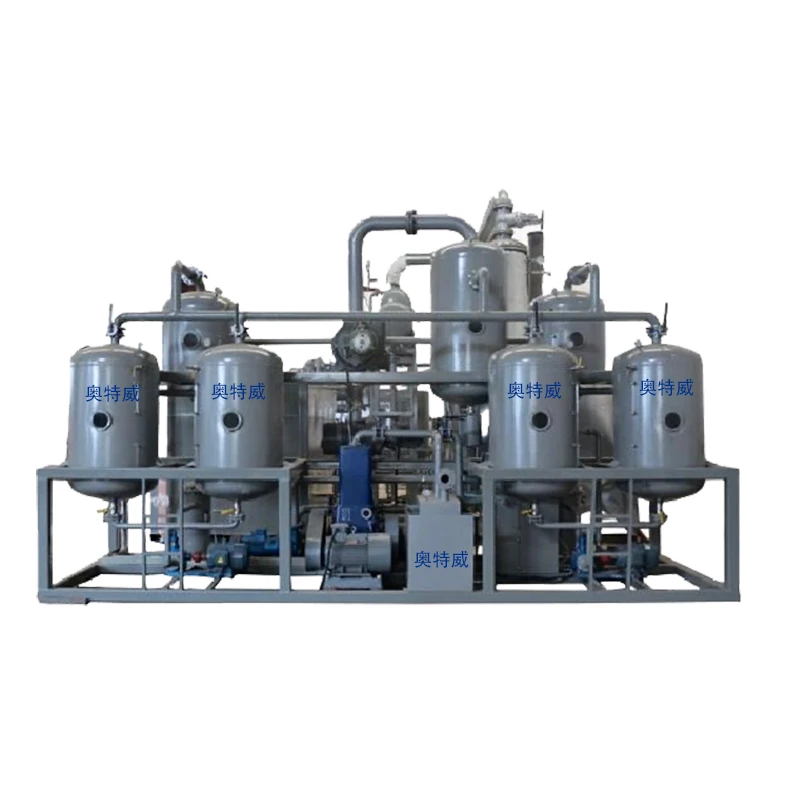
The recycled oil market depends heavily on oil distillation technology to deliver products that downstream users can trust and integrate into their operations. Without proper distillation, recycled oils remain contaminated with water, metals, acids, and other debris that compromise performance and create equipment damage risks. Understanding how oil distillation works and why it matters for recycled oil usability helps facility managers make informed investment decisions and optimize their sustainability initiatives.
The Core Mechanics of Oil Distillation
Separation Through Heat and Boiling Point Differences
Oil distillation operates on a fundamental principle: different hydrocarbon molecules boil at different temperatures. When crude or recycled oil is heated inside a distillation unit, lighter molecules vaporize first while heavier molecules remain liquid. These vapors rise through a fractionating column where temperature gradually decreases, causing each fraction to condense at its respective boiling point. This separation mechanism allows oil distillation to divide contaminated recycled oil into distinct usable fractions, each with predictable chemical and physical properties. The precision of oil distillation depends on maintaining exact temperature control throughout the column, ensuring that each fraction separates cleanly without mixing.
Removal of Contaminants and Impurities
During oil distillation, water, sludge, acids, and heavy metal particles accumulate at the bottom of the distillation vessel as residue. Lighter contaminants that vaporize alongside useful hydrocarbons are removed through condensation and separation stages. This multi-stage purification dramatically increases the quality of recycled oil compared to untreated waste oil. Oil distillation reduces acid number, removes particulate matter, and eliminates moisture that would otherwise degrade new equipment or compromise hydraulic systems. The result is recycled oil that approaches virgin oil performance metrics in many critical applications.
How Oil Distillation Improves Recycled Oil Usability
Restoring Performance Specifications
Recycled oil products processed through oil distillation can meet or exceed viscosity, flashpoint, and oxidation stability standards required by machinery manufacturers and industrial standards bodies. Original equipment manufacturers often specify performance thresholds that contaminated recycled oil cannot achieve without treatment. Oil distillation strips away degradation products that accumulate during previous service life, restoring the oil's ability to protect equipment and maintain optimal system performance. Operators using distilled recycled oil report fewer equipment failures, reduced maintenance intervals, and extended component life compared to operations using lower-grade recycled products. This performance recovery directly translates to lower operational costs and reduced downtime.
Enabling Reuse in Demanding Applications
Through oil distillation, recycled oil becomes suitable for critical applications that would otherwise require virgin oil purchases. Hydraulic systems, turbine oils, transformer oils, and specialized industrial lubricants can incorporate distilled recycled oil fractions when purity and performance standards are met. Oil distillation creates market value for what would otherwise be disposed waste, enabling circular economy models that reduce raw material extraction and associated environmental impact. Facilities that invest in oil distillation capabilities gain competitive advantages by reducing material costs while meeting increasingly stringent sustainability reporting requirements. The flexibility to reintroduce distilled oil into high-demand product streams creates significant economic and environmental benefits.
Consistency and Quality Control
Oil distillation processes, when operated with proper monitoring and controls, produce recycled oil with consistent batch-to-batch characteristics. This consistency allows manufacturers and end users to rely on predictable performance from distilled recycled oil products. Quality assurance testing verifies that each distilled batch meets target specifications before release for use or sale. Oil distillation systems equipped with real-time monitoring of column temperature, pressure, and vapor composition enable operators to adjust process parameters and maintain tight specification windows. This level of control is impossible to achieve through mechanical separation or settling alone, making oil distillation the only viable path to consistently usable recycled oil products.
Industrial Applications and Economic Impact
Automotive and Fleet Recycling Operations
Large fleet maintenance operations and automotive service networks generate substantial volumes of used engine oil daily. Oil distillation allows these facilities to recover significant value from this waste stream by converting it into sellable recycled base oil suitable for lubricant blending. Instead of paying disposal fees, operators can generate revenue or reduce procurement costs by using distilled oil internally. Oil distillation technology has enabled the emergence of dedicated waste oil recycling services that compete directly with virgin oil suppliers for share in industrial lubrication markets. This market transformation has created new business opportunities while reducing environmental burden from oil disposal.
Industrial Maintenance and Facility Management
Manufacturing facilities with hydraulic systems, compressors, and other oil-dependent equipment accumulate large quantities of spent oil that oil distillation can transform into usable products. In-house distillation capabilities allow these operators to maintain fluid independence, reduce supply chain vulnerability, and lower lifecycle costs for fluid management. Oil distillation technology scaled to facility requirements enables operators to recycle their own oil streams rather than depending entirely on external suppliers or disposal vendors. This vertical integration of recycling improves operational flexibility and environmental performance.
Economic Return on Distillation Investment
The business case for oil distillation investment centers on several financial factors including disposal cost avoidance, recycled oil sales value, and reduced virgin oil purchases. Depending on feedstock volume, local market conditions, and regulatory environment, facilities can recover distillation equipment costs within three to five years of operation. Oil distillation systems ranging from small-scale to industrial capacity exist to match operator requirements and capital budgets. As environmental regulations increase disposal costs and virgin oil prices fluctuate, the economic advantage of oil distillation continues to strengthen, making this technology increasingly attractive for operators seeking sustainable cost management.
FAQ
What temperature ranges are necessary for effective oil distillation?
Effective oil distillation typically operates between 150 and 400 degrees Celsius, with the exact range depending on the composition of the feedstock oil and the desired product fractions. Lighter hydrocarbon fractions vaporize at lower temperatures while heavier components require higher heat input. The distillation column maintains a temperature gradient that enables precise separation at each level. Operators must monitor temperature carefully throughout the oil distillation process to avoid thermal degradation of useful hydrocarbons or incomplete separation of contaminants.
How long does the oil distillation process typically take?
Oil distillation batch times vary based on equipment size and design, typically ranging from four to twelve hours per batch. Small-scale oil distillation units may complete cycles more quickly than large industrial systems that process thousands of liters per run. Continuous distillation systems operate constantly at lower throughput per unit time, while batch systems maximize product quality through careful residence time control. Operators balance throughput requirements against quality and energy consumption considerations when selecting distillation equipment and operating schedules.
Can oil distillation handle all types of recycled oil feedstock?
Oil distillation works best with relatively homogeneous feedstock such as engine oil or hydraulic fluid from similar machinery and operators. Highly contaminated or chemically mixed waste oil streams may require pre-treatment or produce lower recovery yields through oil distillation. The presence of polychlorinated biphenyls, heavy metals beyond certain thresholds, or synthetic additives can complicate distillation and reduce product value. Successful oil distillation programs typically begin with feedstock characterization and segregation to ensure only suitable materials enter the distillation process, maximizing product quality and recovery rates.