
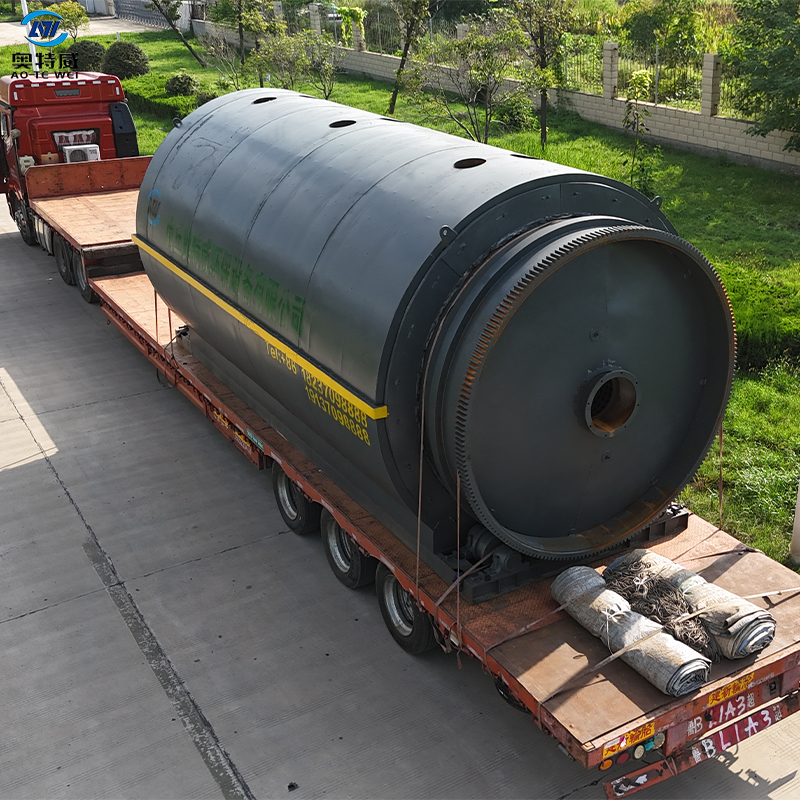
Rubber recycling represents one of the most effective strategies for transforming industrial waste into valuable manufacturing resources. As manufacturing industries face increasing pressure to reduce environmental footprints and optimize material costs, rubber recycling offers a practical solution that addresses both sustainability and economic efficiency. By recovering and reprocessing waste rubber from automotive, industrial, and consumer products, manufacturers can significantly reduce their dependency on virgin raw materials while creating new revenue streams from previously discarded materials.
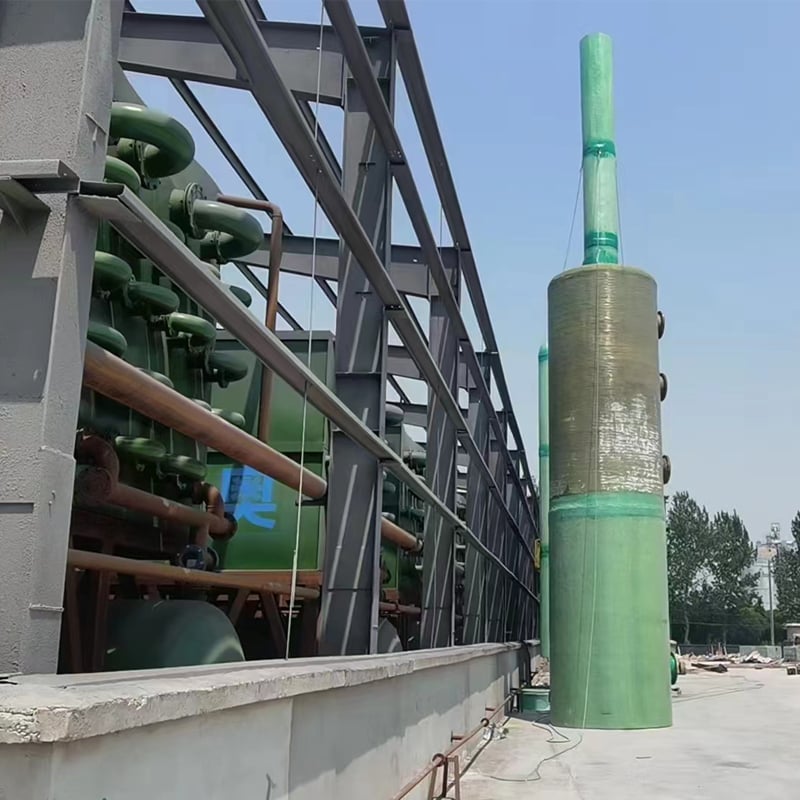
The rubber recycling process fundamentally changes how manufacturing industries view material waste. Instead of disposing of worn tires, conveyor belts, seals, and rubber components in landfills, industrial operations can now implement rubber recycling systems that extract maximum value from these materials. This shift toward rubber recycling not only reduces landfill burden but also creates a circular economy where discarded rubber becomes a feedstock for new manufacturing applications, from playground surfaces to automotive components and industrial machinery parts.
Understanding the Rubber Recycling Process
Mechanical Rubber Recycling Methods
Mechanical rubber recycling involves shredding and grinding waste rubber into smaller particles and powder, which can be directly reused in manufacturing applications. The rubber recycling equipment separates rubber from other materials like steel wire and textile fibers found in waste tires and industrial rubber products. This mechanical rubber recycling approach preserves the inherent properties of rubber while reducing processing costs, making it ideal for applications where slight material degradation is acceptable.
Advanced rubber recycling technologies now enable manufacturers to create granules of specific sizes and characteristics tailored to particular manufacturing needs. Fine rubber particles generated through rubber recycling can be blended with virgin rubber or other polymers to reduce raw material costs while maintaining performance standards. The rubber recycling equipment used in these facilities operates continuously, processing large volumes of waste rubber daily and delivering consistent quality materials to downstream manufacturing operations.
Thermal and Chemical Rubber Recycling Technologies
Beyond mechanical processing, thermal rubber recycling methods convert waste rubber into valuable fuel products and chemical components through controlled heating processes. Devulcanization and pyrolysis represent advanced rubber recycling techniques that break down rubber molecules and recover their base chemical components. These rubber recycling approaches enable the recovery of oil, gas, and carbon products from waste rubber, which can be used as energy sources or raw materials for manufacturing synthetic rubber and other industrial chemicals.
Chemical rubber recycling processes offer higher-value outputs compared to mechanical rubber recycling alone, particularly for applications requiring pristine material properties. Through rubber recycling using these advanced methods, manufacturers can produce secondary rubber compounds that nearly match virgin material performance characteristics. Industrial facilities employing comprehensive rubber recycling strategies often combine both mechanical and thermal approaches to maximize material recovery rates and optimize economic returns from their waste streams.
Material Reuse Applications and Manufacturing Benefits
Automotive and Industrial Component Manufacturing
The automotive industry represents one of the largest consumers of recycled materials from rubber recycling programs. Rubber recycling provides manufacturers with cost-effective rubber materials suitable for gaskets, seals, vibration dampeners, and protective components in vehicles and industrial machinery. By integrating rubber recycling materials into component manufacturing, automotive suppliers reduce production costs while simultaneously achieving sustainability certifications and meeting corporate environmental responsibility goals.
Heavy equipment manufacturers benefit significantly from rubber recycling initiatives by sourcing consistent, high-quality materials for conveyor systems, hydraulic seals, and vibration isolation components. Incorporating rubber recycling outputs into manufacturing specifications creates competitive advantages through lower material procurement costs and improved supply chain resilience. The standardization of rubber recycling processes enables manufacturers to reliably source secondary rubber materials that meet stringent performance and safety standards required across industrial applications.
Infrastructure and Consumer Product Applications
Rubber recycling materials transformed into engineered products serve critical roles in infrastructure development and consumer applications. Playground surfaces, sports tracks, and landscape materials manufactured from rubber recycling waste provide durable, safe, and environmentally responsible alternatives to virgin plastic and rubber products. Rubber recycling also supplies raw materials for sound barriers, anti-vibration mats, and acoustic panels used in transportation and construction projects.
Consumer product manufacturers increasingly incorporate rubber recycling materials into flooring products, shoe components, and protective equipment designed for industrial workplaces. The functional performance of materials derived from rubber recycling matches or exceeds many virgin alternatives while delivering significant cost savings and environmental benefits. By sourcing from rubber recycling facilities, manufacturers can strengthen their sustainability narratives and appeal to environmentally conscious customers and business partners.
Economic and Environmental Advantages of Rubber Recycling
Cost Reduction and Supply Chain Optimization
Implementing rubber recycling programs significantly reduces manufacturing material costs compared to relying exclusively on virgin rubber sourcing. Rubber recycling materials typically cost 20 to 40 percent less than virgin equivalents, enabling manufacturers to improve profit margins or offer more competitive pricing. The rubber recycling industry creates a localized supply chain that reduces transportation distances and supply chain vulnerabilities associated with virgin material sourcing from distant suppliers.
Manufacturing facilities that establish long-term partnerships with rubber recycling suppliers gain price stability and supply predictability, protecting against volatile commodity markets. Rubber recycling programs also create opportunities for vertical integration, where manufacturers develop in-house recycling capabilities to process their own waste streams and achieve maximum material utilization efficiency. The financial benefits of rubber recycling extend beyond material cost savings to include reduced waste disposal fees and potential revenue generation from surplus recycled materials.
Environmental Impact and Regulatory Compliance
Rubber recycling diverts millions of tons of waste from landfills annually, addressing a critical environmental challenge created by tire disposal and industrial rubber waste. By embracing rubber recycling, manufacturers significantly reduce their environmental footprint while contributing to circular economy principles that governments worldwide are increasingly mandating through legislation. Rubber recycling initiatives support compliance with extended producer responsibility regulations and corporate environmental standards that many jurisdictions now enforce.
The energy savings achieved through rubber recycling compared to virgin material production represent another substantial environmental advantage. Manufacturing products from rubber recycling materials requires considerably less energy than processing raw rubber compounds, resulting in reduced carbon emissions across the production lifecycle. Organizations demonstrating commitment to rubber recycling programs enhance their corporate reputation, attract environmentally conscious investors, and strengthen relationships with customers prioritizing sustainable supply chains.
FAQ
What types of rubber waste are suitable for rubber recycling?
Rubber recycling processes accept a wide range of waste materials including used automobile tires, conveyor belts, industrial seals, rubber hoses, flooring materials, and consumer rubber products. The rubber recycling industry has developed specialized equipment and techniques to process these diverse waste streams and separate rubber from contaminants like steel wire and textile fibers. Most modern rubber recycling facilities can process both whole tires and shredded rubber materials, providing flexibility for manufacturers with different waste disposal needs and volumes.
How does rubber recycling quality compare to virgin rubber materials?
The quality of rubber recycling outputs depends on the processing method and intended application, with mechanical rubber recycling producing materials suitable for non-demanding applications, while advanced rubber recycling techniques can create products matching virgin material properties. Rubber recycling materials blended with virgin rubber compounds often perform identically to pure virgin materials in many manufacturing applications. Manufacturers should consult with rubber recycling suppliers to confirm that specific recycled materials meet their technical requirements and performance standards for intended end-use applications.
How can manufacturers implement rubber recycling into their operations?
Manufacturers can begin implementing rubber recycling by auditing their waste streams to identify rubber-containing materials and then connecting with established rubber recycling suppliers capable of processing their specific waste types. Companies should evaluate their material specifications to determine which applications can tolerate rubber recycling inputs without performance degradation, potentially starting with non-critical components. Developing long-term relationships with rubber recycling partners enables manufacturers to create consistent waste collection systems, negotiate favorable pricing, and continuously optimize the economic and environmental benefits derived from rubber recycling integration.