
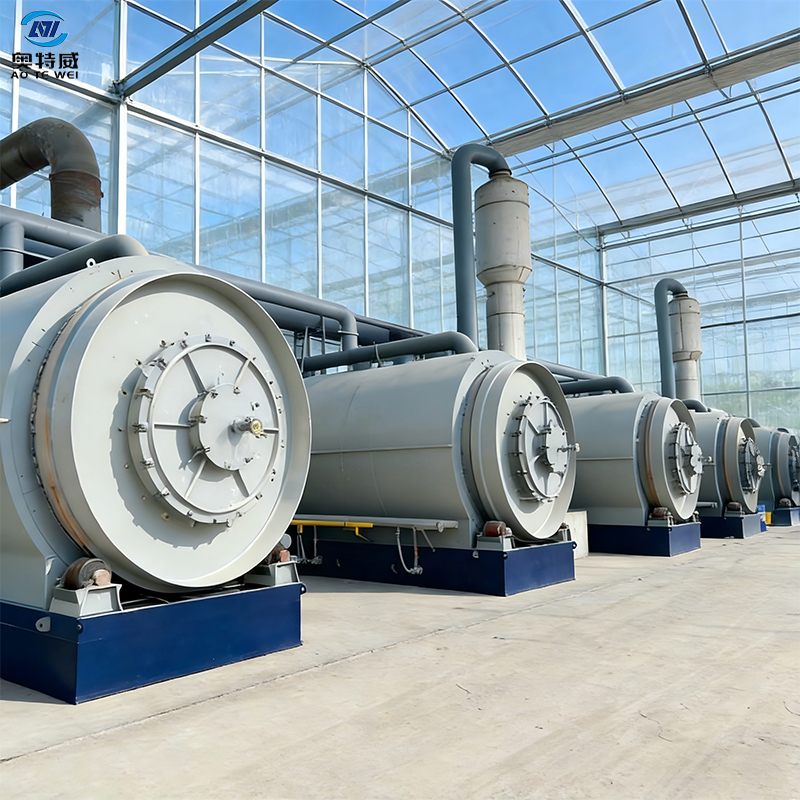
Industrial operations around the world generate enormous volumes of used lubricants, hydraulic fluids, and other petroleum-based waste every year. The question of whether oil recycling is important for sustainable industrial waste management is one that every facility manager, environmental compliance officer, and operations director should be asking seriously. The short answer is yes — and the reasons go far beyond regulatory compliance or cost savings alone.
Oil recycling sits at the intersection of environmental responsibility, operational efficiency, and long-term industrial sustainability. When waste oil is properly collected, processed, and reintroduced into productive use, it reduces the burden on landfills, prevents soil and water contamination, and conserves non-renewable petroleum resources. Understanding the full scope of why oil recycling matters within a broader industrial waste management strategy helps businesses make smarter, more responsible decisions about how they handle one of their most common and hazardous waste streams.
The Environmental Case for Oil Recycling in Industrial Settings
Preventing Contamination at the Source
Used industrial oil contains a complex mixture of degraded base oils, metal particles, oxidation byproducts, and chemical additives that have broken down during service. When this material is improperly disposed of — poured into drains, dumped on soil, or incinerated without controls — it creates lasting environmental damage. A single liter of waste oil has the potential to contaminate vast quantities of groundwater, making proper oil recycling not just advisable but ecologically essential.
Industrial facilities that invest in structured oil recycling programs are effectively preventing contamination before it begins. Rather than waiting for a spill event or facing regulatory penalties for improper disposal, proactive oil recycling removes the hazardous material from the waste stream in a controlled and traceable manner. This approach aligns with the core principles of sustainable waste management, which prioritize prevention over remediation.
From an environmental auditing perspective, facilities that document and demonstrate consistent oil recycling practices are better positioned during inspections, certifications, and sustainability reporting. The measurable reduction in hazardous waste generation is a tangible indicator of environmental stewardship that regulators and stakeholders increasingly expect to see.
Conserving Non-Renewable Resources Through Re-Refining
One of the most compelling environmental arguments for oil recycling is its role in conserving finite petroleum resources. Base oil, which forms the foundation of most lubricants, is derived from crude petroleum through an energy-intensive refining process. When used oil is re-refined through processes such as vacuum distillation, the recovered base oil can meet performance standards comparable to virgin stock — meaning the original resource is used more than once.
This principle of resource conservation is central to the circular economy model that many industries are now adopting. Oil recycling transforms a waste product back into a usable input, reducing the overall demand for new crude extraction. Over time, scaling up oil recycling across industrial sectors can contribute meaningfully to lowering the environmental footprint of manufacturing, transportation, and heavy industry combined.
The energy savings associated with re-refining used oil versus refining virgin crude are also significant. Processing recycled oil into usable base oil typically requires considerably less energy than producing the equivalent quantity from raw petroleum, which means oil recycling delivers both environmental and energy-efficiency benefits simultaneously.
Oil Recycling as a Pillar of Industrial Waste Management Strategy
Integration with Broader Waste Reduction Goals
Sustainable industrial waste management is built on a hierarchy: reduce, reuse, recycle, and recover. Oil recycling fits naturally into this hierarchy, particularly at the 'recycle' and 'recover' stages. When facilities implement robust oil recycling protocols, they are executing one of the most impactful waste reduction strategies available for petroleum-based waste streams.
Effective integration of oil recycling into an overall waste management strategy requires coordination between maintenance teams, environmental health and safety personnel, and procurement. When teams work together to track oil consumption, monitor degradation indicators, and schedule timely collection for recycling, the entire system becomes more efficient. Less oil is wasted, disposal costs decrease, and the facility's environmental performance metrics improve across the board.
Facilities that treat oil recycling as a standalone activity rather than part of an integrated waste management program often miss significant efficiency gains. When oil recycling is embedded into standard operating procedures and facility-wide sustainability goals, it delivers compounding benefits that go well beyond simple waste disposal compliance.
Meeting Regulatory and Reporting Obligations
Regulatory frameworks in most industrialized markets mandate the proper handling and disposal of waste oil. Oil recycling provides a documented, defensible, and environmentally preferable pathway for meeting these obligations. Facilities that rely on licensed re-refiners, distillation equipment, or certified recycling contractors can demonstrate chain-of-custody compliance that satisfies both national regulations and international sustainability standards.
Environmental management standards such as ISO 14001 require organizations to identify and control significant environmental aspects, and waste oil generation almost always qualifies. Implementing oil recycling as a formal element of an environmental management system gives facilities a structured way to monitor, measure, and continually improve their performance in this area.
Beyond formal compliance, the growing importance of ESG reporting means that oil recycling data is increasingly relevant to investor relations, procurement evaluations, and supply chain audits. Companies that can demonstrate quantified oil recycling volumes and outcomes hold a competitive advantage in markets where sustainability performance is evaluated as part of business qualification.
Economic and Operational Benefits of Industrial Oil Recycling
Reducing Disposal Costs and Material Expenditure
The economic logic of oil recycling is straightforward: waste oil that is recovered and re-refined does not need to be expensively disposed of, and the recovered product can offset the cost of purchasing new lubricants or base oil. For facilities with high oil consumption — such as metalworking plants, mining operations, marine workshops, or power generation stations — this cost recovery can be substantial over the course of a year.
Hazardous waste disposal, when handled through licensed third-party carriers, carries significant costs per volume. Every liter of waste oil that enters an oil recycling process rather than a hazardous waste disposal pathway represents a direct cost saving. When facilities invest in on-site distillation equipment capable of recovering usable base oil from their own waste streams, the return on investment can be realized within a reasonable operational timeframe.
The economic argument for oil recycling becomes even stronger when factoring in price volatility in the lubricant and base oil markets. Access to a reliable internal or contracted recycling stream provides a degree of material cost stability that purchasing entirely from virgin supply chains cannot offer.
Supporting Operational Continuity and Resource Security
Oil recycling also supports operational resilience. Industrial facilities that maintain on-site oil recycling capabilities or that have established relationships with re-refining partners are less vulnerable to supply chain disruptions in the lubricants market. This is a practical business continuity benefit that complements the environmental rationale for oil recycling programs.
When maintenance departments can reclaim and reuse processed oil within their own operations, scheduling becomes more predictable and procurement lead times matter less. This operational independence, supported by a functioning oil recycling program, adds a layer of robustness to facility management that pure purchasing-based strategies cannot replicate.
Furthermore, organizations that demonstrate responsible oil recycling practices tend to attract better terms from insurers, greater confidence from lenders evaluating environmental liability, and stronger relationships with regulators who view proactive environmental management favorably. The non-financial value of oil recycling in these dimensions is often underestimated but practically significant.
Technology and Process Considerations for Effective Oil Recycling
How Distillation-Based Recycling Recovers Value from Waste Oil
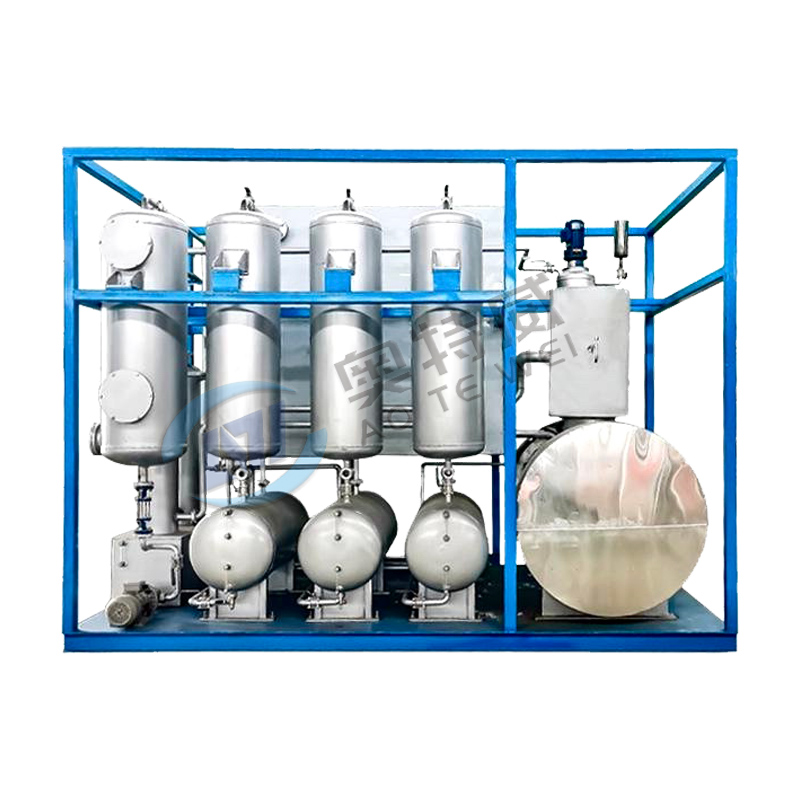
Modern oil recycling technology has advanced significantly, with vacuum distillation equipment now capable of separating recovered base oil from contaminants with high efficiency. The distillation process works by heating waste oil under controlled vacuum conditions, causing lighter fractions and contaminants to separate from the heavier base oil components at lower temperatures than atmospheric distillation would require. The result is a recovered base oil that can be further refined or used directly in appropriate applications.
This process-based approach to oil recycling allows industrial facilities to manage their waste oil on-site rather than relying entirely on third-party waste contractors. Equipment designed specifically for waste oil distillation gives facilities greater control over timing, throughput, and output quality. For high-volume generators, this level of operational control can represent a meaningful improvement over outsourced solutions.
The selection of oil recycling equipment should be driven by the volume and type of waste oil generated, the desired quality of recovered output, and the regulatory requirements applicable to on-site processing in a given jurisdiction. Matching equipment capability to actual operational needs ensures that oil recycling programs deliver consistent results rather than occasional batch processing.
Implementing a Sustainable Oil Recycling Program
A well-designed oil recycling program begins with accurate tracking of oil consumption and waste generation at every point in a facility's operations. This data forms the foundation for sizing recycling capacity, selecting appropriate equipment or service partners, and setting measurable sustainability targets. Without accurate baseline data, it is difficult to demonstrate the impact of oil recycling efforts or identify opportunities for further improvement.
Staff training is another critical component of successful oil recycling implementation. Maintenance technicians, equipment operators, and waste handling personnel all need to understand the importance of segregating different types of waste oil, avoiding contamination with incompatible fluids, and following collection protocols that preserve the recyclability of the material. Contaminated or mixed waste oil streams can significantly reduce the efficiency and output quality of downstream oil recycling processes.
Governance structures that assign clear accountability for oil recycling performance — whether through an environmental management system, a sustainability committee, or a dedicated waste management role — tend to produce better long-term outcomes than programs run on an informal or reactive basis. When oil recycling is assigned ownership, tracked with key performance indicators, and reviewed as part of regular management reporting, it achieves its full potential as a sustainable waste management practice.
FAQ
Is oil recycling required by law for industrial facilities?
In most jurisdictions, industrial facilities are legally required to manage waste oil as a hazardous material and dispose of it through approved pathways. Oil recycling through licensed re-refiners or certified on-site processing equipment is generally recognized as a compliant and preferable method. Specific requirements vary by country and region, so facilities should consult local environmental regulations to confirm their obligations.
What types of industrial waste oil can be recycled?
Most petroleum-based lubricants, hydraulic fluids, gear oils, and transformer oils can undergo oil recycling through distillation or re-refining processes. The suitability of a specific waste oil stream for recycling depends on its contamination level and the presence of incompatible additives. Heavily contaminated or mixed streams may require pre-treatment before oil recycling can proceed effectively.
How does on-site oil recycling equipment compare to third-party recycling services?
On-site oil recycling equipment provides greater operational control, reduces transportation costs and logistics complexity, and can generate recovered base oil for reuse within the facility. Third-party recycling services offer convenience and may be more cost-effective for lower-volume generators. Many large industrial facilities use a combination of both approaches, processing high-volume streams on-site while outsourcing specialty or low-volume waste oils to external partners.
How does oil recycling contribute to a facility's sustainability reporting?
Oil recycling generates quantifiable data on hazardous waste diversion, resource recovery volumes, and energy savings from reduced virgin material use. These metrics directly support sustainability reporting frameworks such as GRI, CDP, and internal ESG disclosures. Facilities with documented oil recycling programs can demonstrate measurable progress toward waste reduction, circular economy, and carbon footprint reduction goals in their annual sustainability reports.