
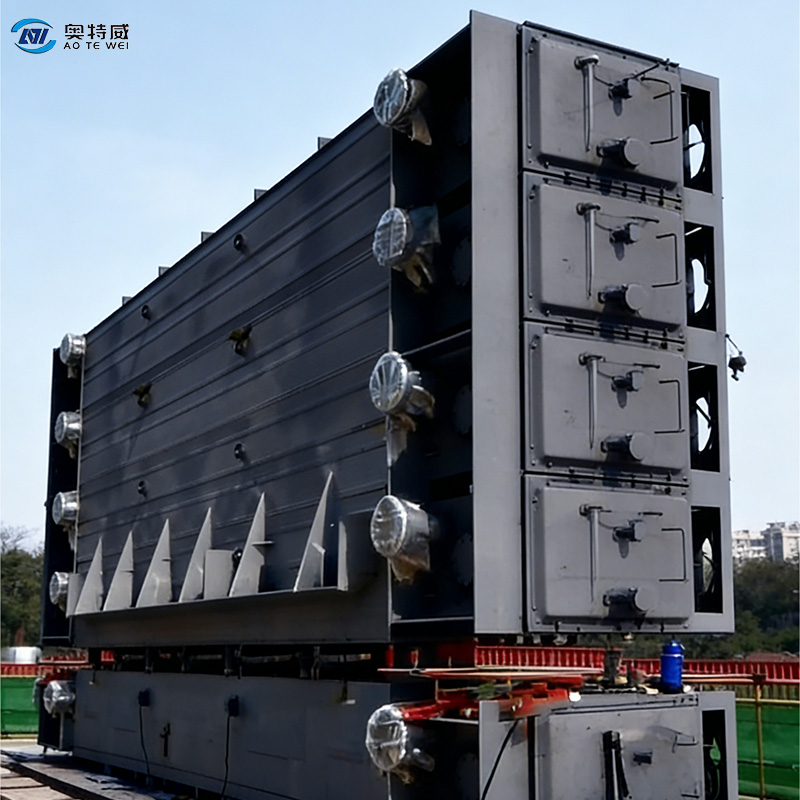
Large-scale recycling operations demand equipment that combines efficiency, durability, and consistent output. The question of whether a continuous pyrolysis plant is suitable for such demanding environments requires careful examination of operational requirements, economic viability, and technical performance. A continuous pyrolysis plant represents a significant investment in industrial infrastructure, and understanding its fitness for large-scale applications is essential before deployment. This article explores the critical factors that determine whether a continuous pyrolysis plant can meet the demands of high-volume recycling operations.
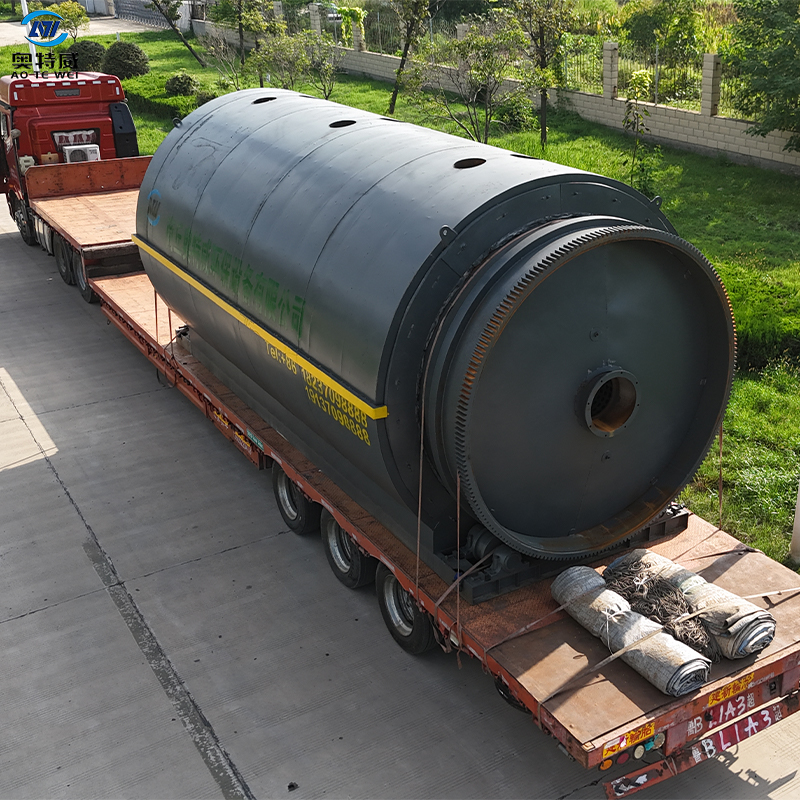
The transition from batch-based to continuous processing fundamentally changes how recycling facilities operate. A continuous pyrolysis plant enables operators to process waste streams without manual intervention between cycles, reducing labor costs and increasing throughput. For organizations processing thousands of tons annually, the operational differences between traditional and continuous systems become economically decisive. Understanding these distinctions helps facility managers assess whether a continuous pyrolysis plant aligns with their production targets and financial objectives.
Production Capacity and Throughput Performance
Daily Processing Volume Capabilities
A continuous pyrolysis plant designed for industrial-scale operations typically processes between 5 to 20 tons of waste material daily, depending on system specifications and feedstock characteristics. This processing rate represents a substantial improvement over batch systems, which often require 4 to 8 hours per cycle including loading, pyrolysis, cooling, and unloading. Large-scale recycling operations that handle 50 to 100 tons weekly can deploy multiple continuous pyrolysis plant units or select high-capacity variants to achieve target volumes. The consistency of output from a continuous pyrolysis plant allows facilities to maintain steady product supply, meeting customer demand without production interruptions.
System Integration and Scalability
Modern continuous pyrolysis plant installations feature modular designs that enable capacity scaling through parallel unit deployment rather than requiring complete facility redesign. A continuous pyrolysis plant with 10-ton daily capacity can be duplicated to achieve 20-ton capacity, preserving operational consistency while expanding throughput. This modularity provides recycling operators with flexibility to expand processing capability in response to market demand growth. Facilities beginning with one continuous pyrolysis plant can confidently plan future expansion, knowing that additional units integrate seamlessly into existing infrastructure without major structural modifications.
Economic Viability and Cost Structure
Capital Investment and Return Timeline
Implementing a continuous pyrolysis plant represents a substantial capital commitment, typically ranging from $200,000 to $500,000 USD for systems suitable for large-scale operations. However, the economic return depends on feedstock availability, product market prices, and operational efficiency. A continuous pyrolysis plant generates revenue through recovered materials including fuel oil, char, and gases, with market values fluctuating based on commodity prices. Large-scale recycling facilities often achieve 3 to 5-year payback periods when feedstock supply is reliable and product markets remain stable. The return on investment for a continuous pyrolysis plant strengthens with economies of scale, making larger operations more financially resilient than small-scale ventures.
Operating Costs and Labor Efficiency
Labor reduction represents a significant cost advantage of adopting a continuous pyrolysis plant compared to batch-processing alternatives. Manual intervention drops substantially when operators transition to continuous pyrolysis plant technology, reducing staffing requirements from multiple technicians to minimal oversight personnel. A continuous pyrolysis plant operates unattended during normal production cycles, requiring only startup, monitoring, and shutdown supervision. Energy consumption for a continuous pyrolysis plant remains stable and predictable, enabling accurate operational budgeting. Maintenance costs for a continuous pyrolysis plant are modest when proper protocols are followed, involving routine inspections, catalyst changes, and component replacements occurring at extended intervals.
Technical Suitability for Large-Scale Applications
Feedstock Flexibility and Processing Consistency
A continuous pyrolysis plant accommodates diverse waste feedstock including used tires, plastic waste, and other materials, maintaining consistent output quality despite feedstock variations. The continuous heating process within a continuous pyrolysis plant ensures uniform temperature distribution, improving product homogeneity compared to batch methods. Large-scale operations benefit from this consistency, as downstream customers receive standardized products meeting specification requirements. A continuous pyrolysis plant equipped with proper feed-rate controls can process variable-sized inputs without system disruption, a critical advantage when handling mixed-waste streams from multiple sources.
Environmental Compliance and Emission Control
Environmental regulations increasingly govern large-scale recycling operations, and a continuous pyrolysis plant addresses these requirements effectively through integrated exhaust treatment systems. Modern continuous pyrolysis plant designs include scrubbers, condensers, and gas recirculation mechanisms that minimize harmful emissions. A continuous pyrolysis plant enables operators to capture and utilize pyrolysis gases rather than releasing them to atmosphere, supporting sustainability goals. Regulatory authorities recognize continuous pyrolysis plant technology as a compliant recycling method, facilitating permit acquisition for large-scale facilities. The controlled environment within a continuous pyrolysis plant allows precise monitoring of operating parameters, ensuring consistent compliance with environmental standards.
Equipment Reliability and Maintenance Requirements
Industrial-grade continuous pyrolysis plant systems feature robust construction designed for extended operational life in demanding recycling environments. A continuous pyrolysis plant built with high-temperature resistant materials withstands the thermal stress of continuous operation, reducing unexpected failures. Predictable maintenance schedules for a continuous pyrolysis plant include periodic cleaning, gasket replacement, and system checks, typically occurring quarterly or semi-annually. Downtime associated with a continuous pyrolysis plant remains minimal compared to batch systems, ensuring consistent facility productivity. Spare parts availability for established continuous pyrolysis plant models enables rapid component replacement if service becomes necessary.
FAQ
How much feedstock can a continuous pyrolysis plant process monthly?
A continuous pyrolysis plant processing 10 tons daily yields approximately 300 tons monthly, assuming 30-day operation with minimal downtime. Higher-capacity models can exceed this volume, while smaller systems may process proportionately less. Actual throughput depends on feedstock moisture content, particle size, and system configuration specific to each continuous pyrolysis plant installation.
What is the typical lifespan of a continuous pyrolysis plant?
A well-maintained continuous pyrolysis plant operates effectively for 8 to 10 years before major component replacement becomes necessary. Proper preventive maintenance extends this timeline considerably, with some industrial continuous pyrolysis plant systems functioning beyond 12 years. Operational intensity, feedstock type, and maintenance diligence all influence the actual lifespan of any continuous pyrolysis plant installation.
Can a continuous pyrolysis plant reduce operational environmental impact?
Yes, a continuous pyrolysis plant significantly reduces environmental impact by diverting waste from landfills and recovering valuable materials through controlled thermal processing. The continuous pyrolysis plant captures gases for energy recovery or fuel production rather than releasing them to atmosphere. This sustainable approach makes the continuous pyrolysis plant an environmentally responsible choice for large-scale recycling operations committed to circular economy principles.