Plastic pyrolysis represents a transformative technology for managing end-of-life polymers and converting waste into valuable resources. Understanding what materials are commonly processed in a plastic pyrolysis system is essential for industrial operators, waste management professionals, and businesses seeking sustainable disposal solutions. A plastic pyrolysis system thermally decomposes polymeric materials in an oxygen-free environment, breaking long polymer chains into shorter hydrocarbon molecules. This process enables the recovery of energy and chemical feedstocks from materials that would otherwise occupy landfill space or persist in the environment for decades. The range of materials suitable for plastic pyrolysis processing continues to expand as technology advances and operational expertise deepens across the industry.
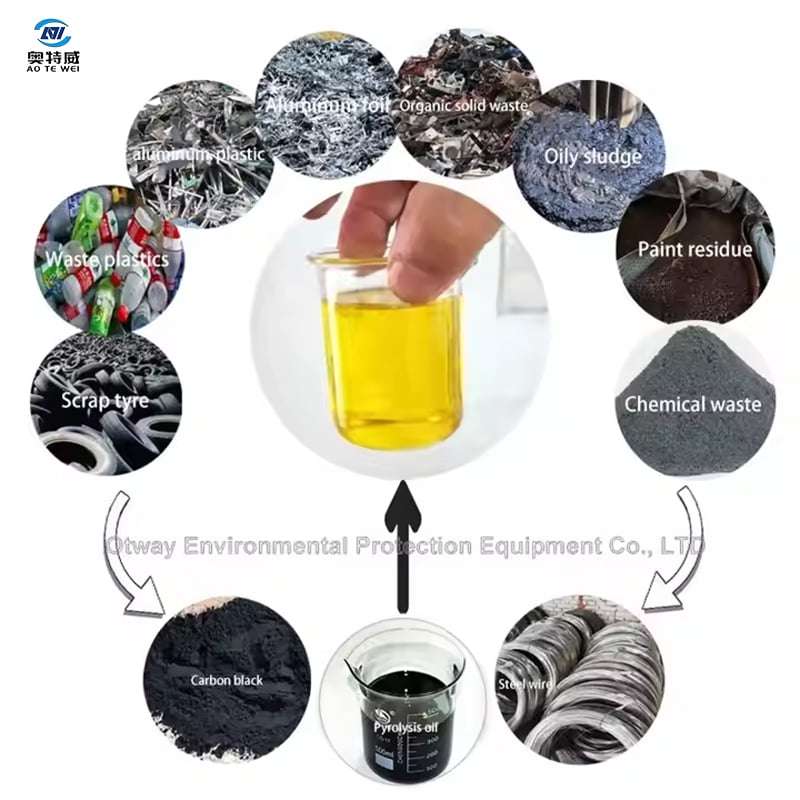
The efficiency and success of any plastic pyrolysis operation depend critically on feedstock selection and material preparation. Different waste streams contain varying polymer types, contamination levels, and moisture content, all of which influence reactor performance, product yield, and operational stability. A well-designed plastic pyrolysis system must accommodate diverse feedstock compositions while maintaining consistent output quality. Operators must therefore understand which materials work best within their specific equipment parameters, how to pre-process incoming materials, and which contamination thresholds remain acceptable for reliable operation.
Thermoplastic Materials in Plastic Pyrolysis Processing
Polyethylene and Polypropylene Feedstocks
Polyethylene (PE) and polypropylene (PP) represent the most abundant thermoplastics processed in a plastic pyrolysis system globally. These materials comprise the majority of single-use packaging, film, bags, containers, and rigid household items. When fed into a plastic pyrolysis operation, PE and PP break down efficiently into liquid hydrocarbons and combustible gases. A plastic pyrolysis system typically converts these materials at high temperatures ranging from 400 to 800 degrees Celsius, where the polymer backbone fractures into smaller molecular-weight products. The resulting oil fraction often contains valuable chemical intermediates useful in petrochemical manufacturing, automotive fuel blending, and industrial heating applications.
Both polyethylene and polypropylene exhibit favorable thermal decomposition characteristics within a plastic pyrolysis system, meaning they produce consistent liquid yields with minimal char residue. This consistency makes them preferred feedstock materials for commercial operations seeking predictable product recovery and extended equipment run times between cleaning cycles. Facility operators often source PE and PP from post-consumer waste streams, including film recovery from agricultural operations, industrial plastic scrap, and sorted municipal solid waste programs.
Polystyrene and Expanded Polystyrene Processing
Polystyrene (PS) and expanded polystyrene (EPS) materials present unique processing opportunities within a plastic pyrolysis system. Expanded polystyrene, commonly used in packaging foam, insulation, and food service containers, contains approximately 98 percent air by volume. This low-density characteristic allows a plastic pyrolysis system to process large volumes of EPS with minimal physical space, making it economically attractive for many facilities. When thermally decomposed in a plastic pyrolysis operation, EPS yields a dense, odorous liquid product alongside lighter hydrocarbon vapors. Polystyrene from rigid applications like toy manufacturing, appliance housings, and industrial components also converts readily through plastic pyrolysis processing, though facility operators must manage potential styrene monomer emissions through adequate ventilation and scrubbing systems.
The density differential between raw EPS and the liquid product recovered from a plastic pyrolysis system creates significant volume reduction benefits. Operators report that one ton of expanded polystyrene feedstock may collapse to approximately 25 to 30 kilograms of recovered liquid within a plastic pyrolysis reactor, offering substantial waste minimization and transportation cost advantages for end-users and recycling centers.
Contaminated and Mixed Plastic Feedstock Management
Handling Multi-Layer and Composite Plastics
Modern packaging frequently combines multiple polymer layers, adhesives, and barrier films in single products, creating composite structures that pose challenges for traditional recycling. A plastic pyrolysis system excels at processing these complex multi-layer materials because thermal decomposition breaks all polymer types simultaneously regardless of composition diversity. Laminated films combining polyethylene, polypropylene, polyethylene terephthalate (PET), and aluminum barriers can feed directly into a plastic pyrolysis reactor without pre-separation. This capability substantially reduces the sorting burden and material handling costs associated with conventional mechanical recycling, making plastic pyrolysis an economically viable alternative for contaminated or mixed plastic waste streams that resist traditional recovery methods.
The thermal decomposition process within a plastic pyrolysis system reduces layer-specific challenges by converting all polymeric components into hydrocarbon products. Inorganic materials like aluminum foil and mineral fillers settle to the reactor bottom as ash residue, which operators can extract and manage separately. Adhesives and inks embedded in the feedstock decompose at plastic pyrolysis temperatures, with volatile components exiting through overhead vapor lines and condensable fractions accumulating in the product oil stream.
Contaminant Tolerance Levels in Plastic Pyrolysis Systems
Practical plastic pyrolysis operations encounter feedstock containing moisture, soil, labels, adhesives, and residual product contents. Understanding contaminant tolerance thresholds determines feedstock acceptance criteria and pre-processing requirements for each facility. Most commercial plastic pyrolysis systems tolerate moisture content up to approximately 10 to 15 percent by weight, though excessive water creates operational challenges by consuming thermal energy and producing steam that dilutes valuable product vapors. Operators typically implement shredding and drying stages prior to plastic pyrolysis processing to optimize material properties and maximize liquid product recovery.
Metal contamination represents another critical consideration for plastic pyrolysis system operators. While small quantities of ferrous and non-ferrous metals settle harmlessly in the ash fraction, large metallic objects can damage reactor internals and impair temperature control. Pre-processing equipment including metal detectors and magnetic separators therefore precedes material introduction into the plastic pyrolysis reactor. Similarly, mineral fillers, glass contamination, and inert debris accumulate as ash residue, which operators must extract periodically to prevent reactor bed clogging and maintain consistent plastic pyrolysis system performance.
Emerging Materials and Advanced Feedstock Prospects
Engineering Plastics and High-Performance Polymers
Beyond commodity thermoplastics, a plastic pyrolysis system increasingly processes engineering-grade polymers including polyethylene terephthalate (PET), polyvinyl chloride (PVC), polyurethane (PUR), and polycarbonate (PC) materials. These higher-value polymers originating from industrial waste streams, automotive components, and electronic equipment contain valuable chemical intermediates worth recovering through plastic pyrolysis processing. PET from beverage bottles and textile fibers decomposes within a plastic pyrolysis reactor to produce liquid products with enhanced aromatic hydrocarbon content compared to commodity polyolefin feedstocks. Polyurethane foams and rigid polyurethane insulation materials decompose through plastic pyrolysis to yield polyols and isocyanates suitable for re-polymerization into virgin foam products, creating true circular economy pathways.
Polycarbonate and other transparent engineering plastics present more challenging plastic pyrolysis processing scenarios due to their thermal stability and potential for hazardous decomposition products. Advanced plastic pyrolysis systems equipped with specialized off-gas treatment and product fractionation capabilities handle these materials effectively. Operators increasingly source engineering plastic waste from post-industrial scrap, including manufacturing rejects, molded part trim, and in-house recycling streams where material composition and contamination levels remain known and controlled within plastic pyrolysis processing specifications.
Chlorinated Plastics and Specialty Waste Streams
Polyvinyl chloride (PVC) and other chlorinated plastics require specialized plastic pyrolysis system design and operational protocols due to hydrogen chloride gas evolution during thermal decomposition. Modern plastic pyrolysis facilities incorporate caustic scrubbing systems and acid-gas neutralization equipment to capture and neutralize chlorine-containing decomposition products. While PVC represents a smaller fraction of typical plastic pyrolysis feedstock compared to polyolefins, its presence in mixed waste streams necessitates adequate off-gas treatment capacity. Operators processing high-PVC content feedstocks must invest in corrosion-resistant reactor internals and comprehensive emission control systems to safely and legally handle plastic pyrolysis operations involving chlorinated polymers.
Specialty waste streams including foam insulation containing halogenated flame retardants, elastomeric materials, and contaminated plastic film require individualized assessment before plastic pyrolysis processing. Some materials generate toxic decomposition byproducts that exceed acceptable emission limits even with advanced gas treatment systems, making them unsuitable feedstocks for certain plastic pyrolysis facilities. Operators must therefore maintain detailed feedstock specifications and testing protocols to ensure incoming materials align with their specific plastic pyrolysis system capabilities, regulatory compliance requirements, and product quality objectives.
FAQ
Can rubber and elastomer materials be processed in a plastic pyrolysis system?
Rubber and elastomeric materials differ structurally from thermoplastics and decompose differently within a plastic pyrolysis system. While some facilities operate specialized plastic pyrolysis reactors configured for tire rubber processing, traditional plastic pyrolysis systems designed for thermoplastic feedstock may experience operational challenges with elastomers. Rubber contains cross-linked polymer networks that resist thermal breakdown more stubbornly than linear thermoplastics, often producing excessive char and tar residues that accumulate in the plastic pyrolysis reactor. Facilities seeking to process both plastics and rubber require dual-reactor systems or specialized hybrid plastic pyrolysis equipment with enhanced char-handling capacity and separated thermal zones.
What contaminant levels require feedstock rejection before plastic pyrolysis processing?
Rejection criteria vary by plastic pyrolysis system design and operator standards, but typical thresholds include moisture above 15 percent, ash content exceeding 5 to 8 percent by weight, and hazardous contamination from industrial chemicals, pesticides, or heavy metals. Materials containing radioactive contamination, medical waste, or persistent organic pollutants must never enter a plastic pyrolysis operation due to regulatory and safety concerns. Operators establish detailed feedstock acceptance protocols including visual inspection, moisture testing, and ash analysis to ensure incoming materials meet their plastic pyrolysis system specifications before reactor introduction.
How do labels, inks, and adhesives affect plastic pyrolysis system product quality?
Labels, inks, and adhesives decompose within a plastic pyrolysis reactor alongside polymer feedstock, with volatile components exiting through overhead systems and condensable fractions integrating into the product oil stream. While some ink and adhesive constituents contribute harmlessly to the liquid product, certain printing formulations and industrial adhesives introduce undesirable chemical residues that complicate downstream refining or fuel utilization. Operators typically specify pre-processing steps including label removal or mechanical washing to minimize these organic contaminants before plastic pyrolysis processing, ensuring consistent product quality and reducing refinement requirements for recovered liquids.