
Every year, billions of tires reach the end of their usable life and enter the waste stream as scrap tires. These discarded tires create one of the most persistent and hazardous solid waste challenges facing industrial societies today. Tire recycling has emerged as a critical response to this growing problem, offering a structured, scalable way to divert rubber waste from landfills, open dumps, and illegal stockpiles before it causes lasting environmental damage. The question is no longer whether tire recycling matters — it is how urgently it needs to be adopted at a wider scale.
The environmental consequences of mismanaged scrap tires are well-documented. Tires that are stockpiled outdoors become breeding grounds for mosquitoes, harboring diseases such as dengue and malaria. When they are burned without proper equipment, they release toxic black smoke loaded with sulfur dioxide, benzene, heavy metals, and polycyclic aromatic hydrocarbons. tire recycling through industrial-grade pyrolysis and mechanical processing plants represents a cleaner, more responsible alternative that transforms hazardous waste into usable resources. This article examines why tire recycling is genuinely important and how it contributes to a measurable reduction in pollution from scrap tires.
The Environmental Threat Posed by Scrap Tires
Volume and Persistence of Tire Waste
Tires are manufactured to be durable, and that durability becomes a liability once they are discarded. A standard rubber tire can persist in the environment for hundreds of years without breaking down naturally. The sheer volume of tires discarded globally each year — estimated in the billions — means that without systematic tire recycling, accumulation becomes inevitable and its environmental impact compounds over time.
Unlike organic waste, scrap tires do not decompose in landfills. They trap gases, float to the surface, and destabilize landfill structures. Many waste management facilities refuse to accept whole tires precisely because of this behavior. As a result, vast quantities end up in unmanaged stockpiles or are dumped in riverbeds, forests, and rural areas, creating immediate ecological hazards and long-term pollution risks.
Tire recycling addresses this persistence by converting the rubber, steel, and fiber components of scrap tires into usable materials before they can accumulate. Processing facilities that specialize in tire recycling are specifically designed to handle the scale and complexity that this waste stream demands. The environmental benefit is direct: fewer scrap tires in the environment means fewer pollution sources.
Toxic Compounds Released by Uncontrolled Tire Burning
One of the most serious pollution hazards associated with scrap tires is uncontrolled open burning. Communities facing large tire stockpiles often resort to burning as a disposal method, not recognizing the full toxicological impact. A single tire fire can release hundreds of liters of oil per tire, contaminating adjacent soil and groundwater for years. The smoke contains carcinogenic compounds at concentrations that far exceed safe exposure thresholds.
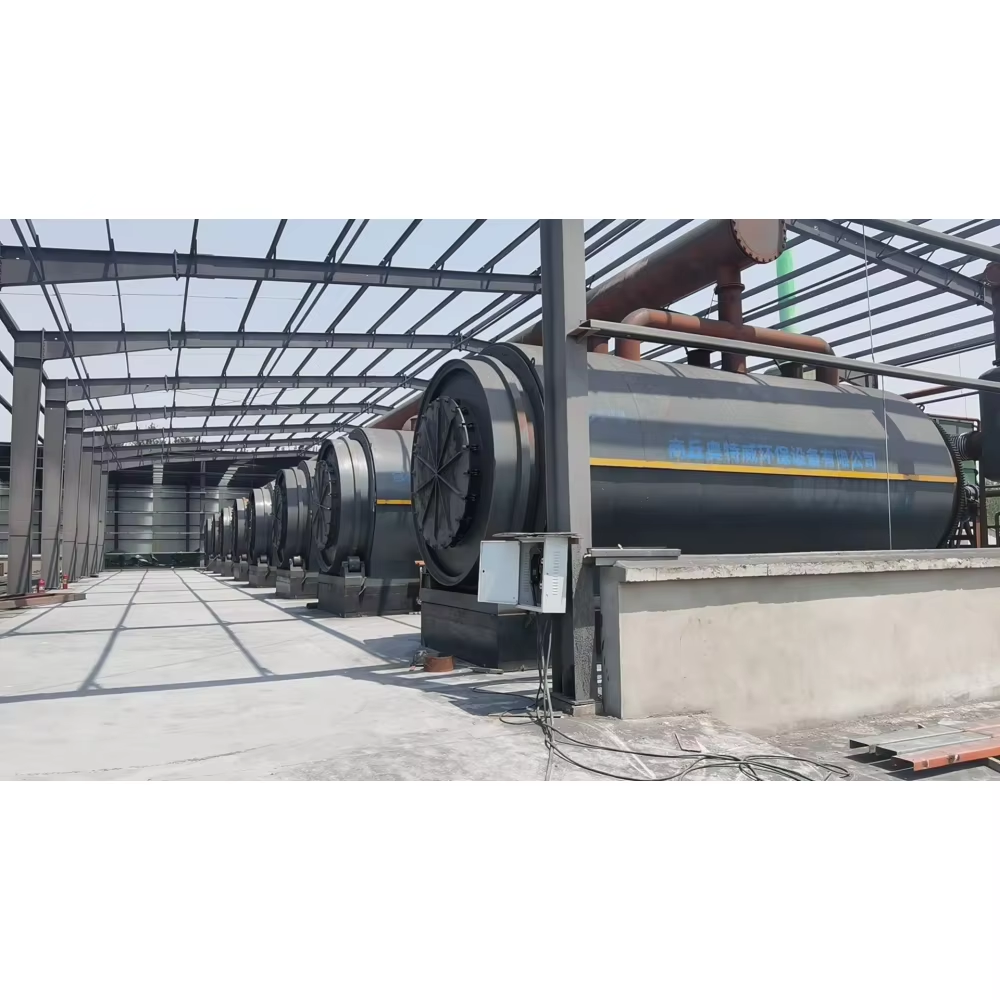
Industrial tire recycling plants, by contrast, use controlled thermal conversion processes such as pyrolysis, which operate in sealed, oxygen-limited environments. These systems capture the gases and oils released during the thermal breakdown of rubber and channel them into usable products rather than releasing them into the atmosphere. The difference in emissions between open burning and proper tire recycling is not marginal — it is categorically different in terms of pollution output.
Promoting tire recycling infrastructure directly reduces the incentive for and occurrence of open burning. When communities and industries have access to processing facilities, scrap tires are diverted to productive use rather than becoming fuel for uncontrolled fires. This connection between tire recycling availability and pollution prevention is one of the strongest arguments for expanding industrial capacity in this sector.
How Tire Recycling Reduces Pollution Across Multiple Dimensions
Soil and Water Contamination Prevention
Scrap tires in contact with soil and water slowly leach chemical additives including zinc, plasticizers, and accelerators used in the original vulcanization process. These compounds are toxic to aquatic organisms and can enter food chains through contaminated water sources. Tire recycling removes scrap tires from the environment before these compounds migrate into surrounding ecosystems.
When tires are processed through grinding, shredding, or pyrolysis as part of a tire recycling program, the material is enclosed within an industrial system. The steel wire extracted during processing is sold for metal recycling. The rubber crumb produced is used in surfaces, insulation, and manufacturing applications. The fuel oil derived from pyrolysis replaces virgin fossil fuels. None of these outputs sit in the open environment leaching chemicals into the ground.
From a watershed protection perspective, tire recycling plants positioned in industrial zones where tire waste is generated can significantly reduce the risk of tire-derived chemical runoff entering water bodies. This is especially relevant in regions with high vehicle density and warm climates, where the rate of tire degradation and chemical release is accelerated. Tire recycling in these contexts is not just environmentally beneficial — it is ecologically necessary.
Air Quality Improvement Through Controlled Processing
Air pollution from scrap tires occurs not only through fires but also through the slow oxidation and off-gassing of volatile organic compounds from stockpiles. Tire recycling eliminates both pathways by removing tires from static storage and immediately beginning their conversion into usable outputs. Processing is conducted under controlled conditions that either capture emissions or prevent them from forming in the first place.
Modern tire recycling systems equipped with gas treatment and filtration technology ensure that emissions from pyrolysis or incineration-based processes meet regulatory standards. The syngas generated during pyrolysis is often recirculated as process fuel, reducing the need for external energy inputs and minimizing the plant's own carbon footprint. This closed-loop approach to energy management is a hallmark of well-designed tire recycling operations.
Air quality data from regions that have expanded tire recycling capacity and reduced open tire burning consistently shows improvement in particulate matter and sulfur dioxide concentrations. While tire recycling alone does not solve urban air pollution, its contribution to reducing a specific and preventable source of toxic air emissions is significant and measurable. Every ton of scrap tires diverted to tire recycling is a ton that will not be burned in the open air.
Resource Recovery Value in the Tire Recycling Process
Fuel Oil and Carbon Black as Recovered Commodities
One of the reasons tire recycling is increasingly adopted at an industrial scale is that it generates commercially valuable outputs, not just waste reduction benefits. Pyrolysis-based tire recycling plants convert rubber into fuel oil, carbon black, steel wire, and combustible gas. Each of these outputs has established market demand and displaces virgin material production, which carries its own environmental cost.
Fuel oil recovered from tire recycling has energy content comparable to industrial diesel and can be used in boilers, furnaces, and generators. This substitution effect reduces demand for crude oil-derived fuels, contributing to a modest but real reduction in overall fossil fuel extraction. Carbon black recovered from tire recycling can be reused in manufacturing, reducing the need to produce synthetic carbon black from petroleum feedstocks.
The economic viability of tire recycling as a resource recovery process is important because it determines whether operators can sustain their activities without relying entirely on regulatory mandates or public subsidies. When tire recycling generates sellable commodities, the business case is self-reinforcing, and capacity expands in response to market signals. This dynamic accelerates pollution reduction by bringing more scrap tires into the processing system faster.
Rubber Crumb and Its Role in Circular Economy Applications
Mechanical tire recycling processes produce rubber crumb, a granulated material that finds applications in playground surfaces, athletic tracks, road asphalt modification, noise barriers, and flooring products. Rubber crumb from tire recycling is a functionally superior material in many of these applications because vulcanized rubber provides resilience and durability that synthetic alternatives do not always match.
Using rubber crumb from tire recycling in road construction has shown measurable improvements in road performance including noise reduction and longer pavement life. This downstream benefit means that tire recycling contributes not only to waste reduction but also to infrastructure quality. The environmental argument for tire recycling therefore extends beyond pollution prevention into resource efficiency and reduced raw material consumption.
From a circular economy perspective, tire recycling creates a materials loop that keeps rubber in productive use rather than disposing of it as pollution. This is exactly the kind of systemic resource management that industrial environmental policy aims to achieve. Tire recycling is one of the more mature and commercially ready examples of circular economy practice in the solid waste sector.
Industrial and Regulatory Context for Tire Recycling Adoption
Policy Drivers Behind Tire Recycling Mandates
Governments across multiple regions have introduced extended producer responsibility frameworks, tire disposal fees, and landfill bans on whole tires in order to incentivize tire recycling infrastructure development. These regulatory tools recognize that the market alone does not fully account for the environmental cost of scrap tire disposal and that intervention is necessary to scale up processing capacity.
Tire recycling mandates are most effective when paired with collection infrastructure and transparent reporting requirements. Without efficient collection systems, even the most advanced tire recycling facilities operate below capacity because the supply of feedstock is inconsistent. Policy frameworks that address the full chain from tire sale to end-of-life processing tend to produce better tire recycling outcomes than isolated disposal regulations.
As environmental standards tighten globally, companies and municipalities that have already invested in tire recycling infrastructure are better positioned to comply with emerging regulations without significant additional cost. Early adoption of tire recycling systems therefore carries strategic value beyond immediate waste management, creating long-term regulatory resilience for industrial operators.
Industrial Investment in Tire Recycling Technology
Investment in tire recycling technology has grown significantly over the past decade as process efficiency has improved and output quality has become more consistent. Modern pyrolysis reactors designed for tire recycling operate continuously, handle large feed volumes, and produce outputs that meet industrial quality standards. This technical maturation has made tire recycling accessible to operators at a range of scales, from small regional processors to large centralized plants.
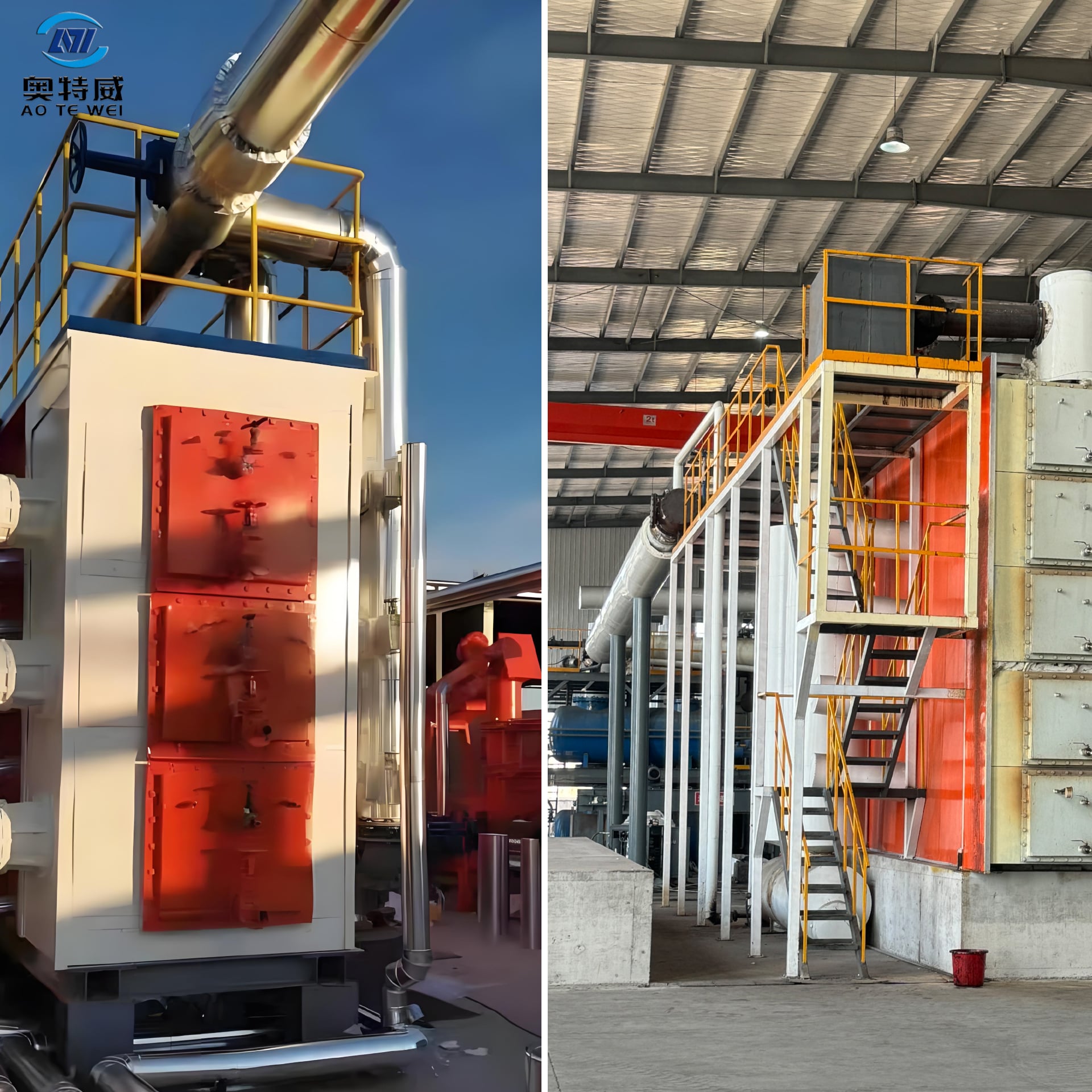
The availability of purpose-built tire recycling equipment — designed specifically for the physical and chemical characteristics of scrap tires — has reduced the barrier to entry for operators who want to establish processing capacity. Equipment providers now offer integrated systems that include shredding, pyrolysis, gas treatment, and oil separation in a single process line, simplifying the engineering requirements for new tire recycling installations.
Advances in automation and process monitoring have also improved the safety and operational reliability of tire recycling plants. Continuous temperature control, sealed reactor design, and automatic feeding systems reduce the risk of operational incidents and ensure consistent product output. These improvements make the business case for tire recycling stronger and reduce the operational expertise required to run a facility safely and profitably.
FAQ
Is tire recycling truly effective at reducing pollution, or is it just shifting waste from one form to another?
Properly operated tire recycling facilities do not simply shift waste — they fundamentally transform scrap tires into usable resources while controlling emissions through sealed processing environments and gas treatment systems. The pollution reduction compared to open dumping or burning is substantial and measurable, covering air quality, soil contamination, and water contamination simultaneously.
What types of pollution are most directly reduced by tire recycling programs?
Tire recycling most directly reduces air pollution from open burning, soil and groundwater contamination from chemical leaching, and the disease vector risk associated with water pooling in stockpiled tires. Secondary benefits include reduced demand for virgin raw materials, which indirectly lowers the environmental impact of extraction and manufacturing industries.
Can small-scale operators meaningfully contribute to tire recycling efforts?
Yes, small-scale tire recycling operators contribute meaningfully when they serve as collection and pre-processing points that feed material into larger processing networks. Shredding and granulating facilities at a regional scale can supply rubber crumb to manufacturers or act as feeder operations for centralized pyrolysis plants, making tire recycling viable across different operational sizes.
How does tire recycling relate to broader environmental sustainability goals?
Tire recycling aligns directly with sustainability goals including waste reduction, resource efficiency, pollution prevention, and circular economy principles. By keeping rubber, steel, and carbon materials in productive use, tire recycling reduces dependence on virgin resources and limits the environmental burden associated with scrap tire disposal. It is a concrete, scalable example of industrial ecology applied to a major solid waste challenge.
Table of Contents
- The Environmental Threat Posed by Scrap Tires
- How Tire Recycling Reduces Pollution Across Multiple Dimensions
- Resource Recovery Value in the Tire Recycling Process
- Industrial and Regulatory Context for Tire Recycling Adoption
-
FAQ
- Is tire recycling truly effective at reducing pollution, or is it just shifting waste from one form to another?
- What types of pollution are most directly reduced by tire recycling programs?
- Can small-scale operators meaningfully contribute to tire recycling efforts?
- How does tire recycling relate to broader environmental sustainability goals?