
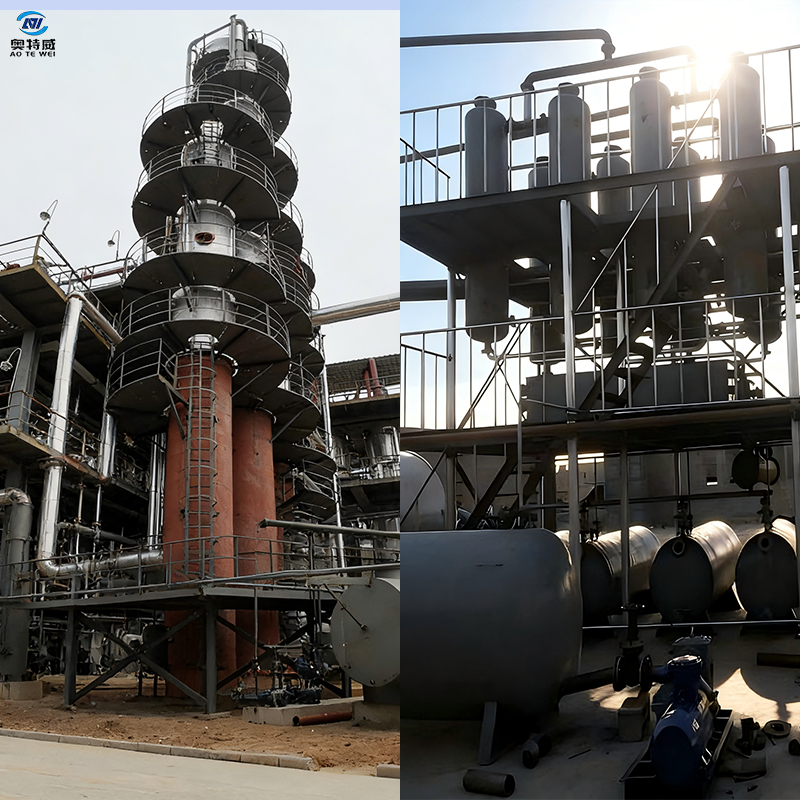
Industrial oil distillation stands as one of the most critical processes in petroleum refining and chemical manufacturing. Understanding the factors that influence efficiency in oil distillation directly impacts operational costs, product quality, and environmental compliance. The performance of any oil distillation operation depends on a complex interplay of technical, operational, and design variables that work together to separate crude oil into valuable fractions. Companies investing in oil distillation technology must recognize that efficiency gains translate directly into profitability and competitive advantage in today's demanding industrial markets.
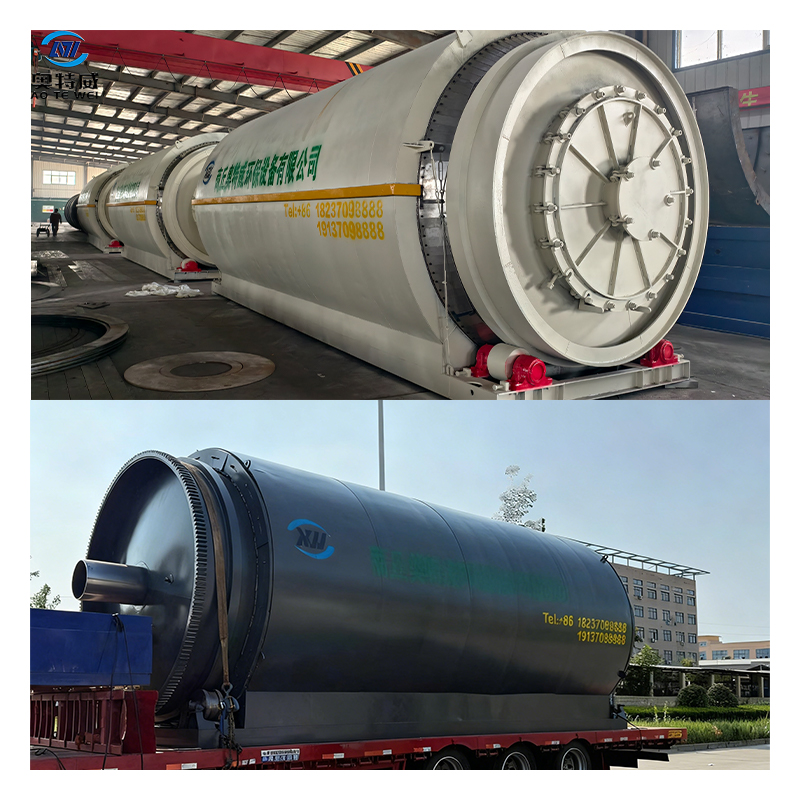
Optimizing oil distillation procedures requires a deep understanding of how temperature, pressure, feed composition, and equipment design interact within the distillation column. Every aspect of the oil distillation process—from feedstock preparation to final product separation—influences the overall thermal efficiency and throughput capacity. Industrial operators who master these efficiency factors gain significant advantages in reducing energy consumption and improving separation selectivity, both essential for maintaining profitability in competitive refining environments.
Temperature Control and Thermal Management
Reboiler Temperature Optimization
Temperature management represents the single most influential factor in oil distillation efficiency. The reboiler maintains the reflux flow necessary for oil distillation column operation, and precise temperature control directly affects both separation quality and energy consumption. Operating temperatures that are too low reduce vapor generation and compromise oil distillation separation effectiveness, while excessively high temperatures waste energy and create thermal stress on equipment. Modern oil distillation systems employ advanced temperature control mechanisms to maintain optimal reboiler heat input, ensuring that the oil distillation process operates within its sweet spot for energy efficiency.
Condenser Performance in Oil Distillation
The condenser's ability to cool overhead vapors significantly impacts oil distillation efficiency. When oil distillation condensers operate with adequate cooling capacity, they maintain proper reflux ratios and prevent product losses through non-condensable vapors. Fouling and scale buildup on condenser surfaces degrade heat transfer efficiency in oil distillation systems, making regular maintenance and tube cleaning essential operational practices. The quality of cooling water and its temperature directly influence how effectively a condenser supports efficient oil distillation operations across multiple feed types.
Pressure Management and Column Dynamics
Operating Pressure Effects on Oil Distillation
Pressure selection profoundly affects the thermodynamic behavior of oil distillation columns. Higher operating pressures in oil distillation systems increase the relative volatility between components, improving separation efficiency but requiring stronger equipment construction and higher energy input. Lower pressures reduce equipment stress and energy costs but may compromise the quality of oil distillation separation. Industrial operators must balance these competing pressures when designing oil distillation procedures, considering both capital investment and long-term operational economics for their specific feedstock composition.
Pressure Drop Considerations
Excessive pressure drop across the oil distillation column reduces separation efficiency and increases flooding risk. Proper tray design, spacing, and material selection minimize pressure drop in oil distillation systems while maintaining adequate vapor-liquid contact. Column internals such as trays or structured packing directly determine pressure drop characteristics in oil distillation equipment. Optimizing these elements ensures that oil distillation units operate at peak efficiency without unnecessary energy penalties or throughput constraints that reduce overall system performance.
Feed Composition and Feedstock Preparation
Crude Oil Characteristics and Oil Distillation Performance
The composition of incoming crude oil fundamentally shapes what efficiency is achievable in oil distillation operations. Heavier crude oil with higher viscosity and more complex hydrocarbon mixtures presents greater separation challenges during oil distillation than lighter grades. Contaminants such as water, salt, and suspended solids reduce oil distillation efficiency by fouling equipment, reducing heat transfer, and degrading internals over time. Pre-treatment processes that remove these impurities before oil distillation significantly enhance overall system efficiency and extend equipment service life.
Feed Temperature and Preheating Strategy
The feed temperature entering an oil distillation column influences the energy balance and separation dynamics throughout the process. Cold feedstock requires additional heat input in oil distillation to reach the column's operating temperature, reducing overall thermal efficiency. Preheating systems that raise feed temperature before oil distillation entry recover waste heat and improve energy utilization. Many efficient oil distillation installations integrate heat exchange between product streams and incoming feed, creating energy cascades that minimize purchased fuel requirements and reduce operating costs significantly.
Equipment Design and Internals Selection
Tray and Packing Options for Oil Distillation
The choice between trayed and packed columns fundamentally impacts oil distillation efficiency characteristics. Valve trays in oil distillation equipment provide stable performance across varying throughput ranges and accommodate a wide spectrum of feed types effectively. Structured packing in oil distillation columns offers lower pressure drop and higher separation efficiency than traditional trays but may require more frequent cleaning when processing heavy crude. The selection between these technologies for oil distillation depends on specific feed composition, throughput targets, and efficiency objectives driving equipment investment decisions.
Column Sizing and Hydraulic Performance
Proper column diameter sizing ensures hydraulic stability and prevents flooding or weeping in oil distillation systems. Undersized oil distillation columns flood easily and develop operational instability, while oversized units operate at reduced efficiency with poor vapor-liquid contact. The number of theoretical plates in an oil distillation column must match separation requirements, with insufficient trays producing off-spec products and excess trays wasting capital and creating unnecessary pressure drop. oil distillation equipment design optimization balances these factors to achieve efficient, reliable operations.
FAQ
How does feed preheat affect oil distillation efficiency?
Feed preheat significantly enhances oil distillation efficiency by reducing the energy burden on the reboiler. When feed enters the column at a higher temperature, less external heat input is required to maintain separation temperatures, improving overall thermal efficiency. Most modern oil distillation installations recover waste heat from product coolers and employ feed-effluent heat exchangers to maximize preheat utilization and minimize energy consumption across the entire operation.
What role does reflux ratio play in oil distillation performance?
Reflux ratio directly controls the separation capability and energy efficiency of oil distillation systems. Higher reflux ratios improve product purity in oil distillation but consume more energy because additional vapor must be condensed and recycled. Lower reflux ratios reduce energy consumption but compromise separation quality in oil distillation operations. Industrial operators optimize the reflux ratio for oil distillation based on product specifications, feed characteristics, and energy costs to balance purity requirements against operational expenses.
Why is regular maintenance critical for oil distillation efficiency?
Scale buildup, corrosion, and fouling progressively degrade oil distillation performance over time. Heat exchanger fouling reduces thermal efficiency in oil distillation equipment, requiring higher reboiler temperatures to maintain separation. Column internal deposits reduce tray efficiency in oil distillation systems and increase pressure drop significantly. Systematic maintenance programs that include tube cleaning, internal inspection, and preventative repairs preserve oil distillation efficiency and prevent the costly emergency shutdowns that result from severe equipment degradation.