
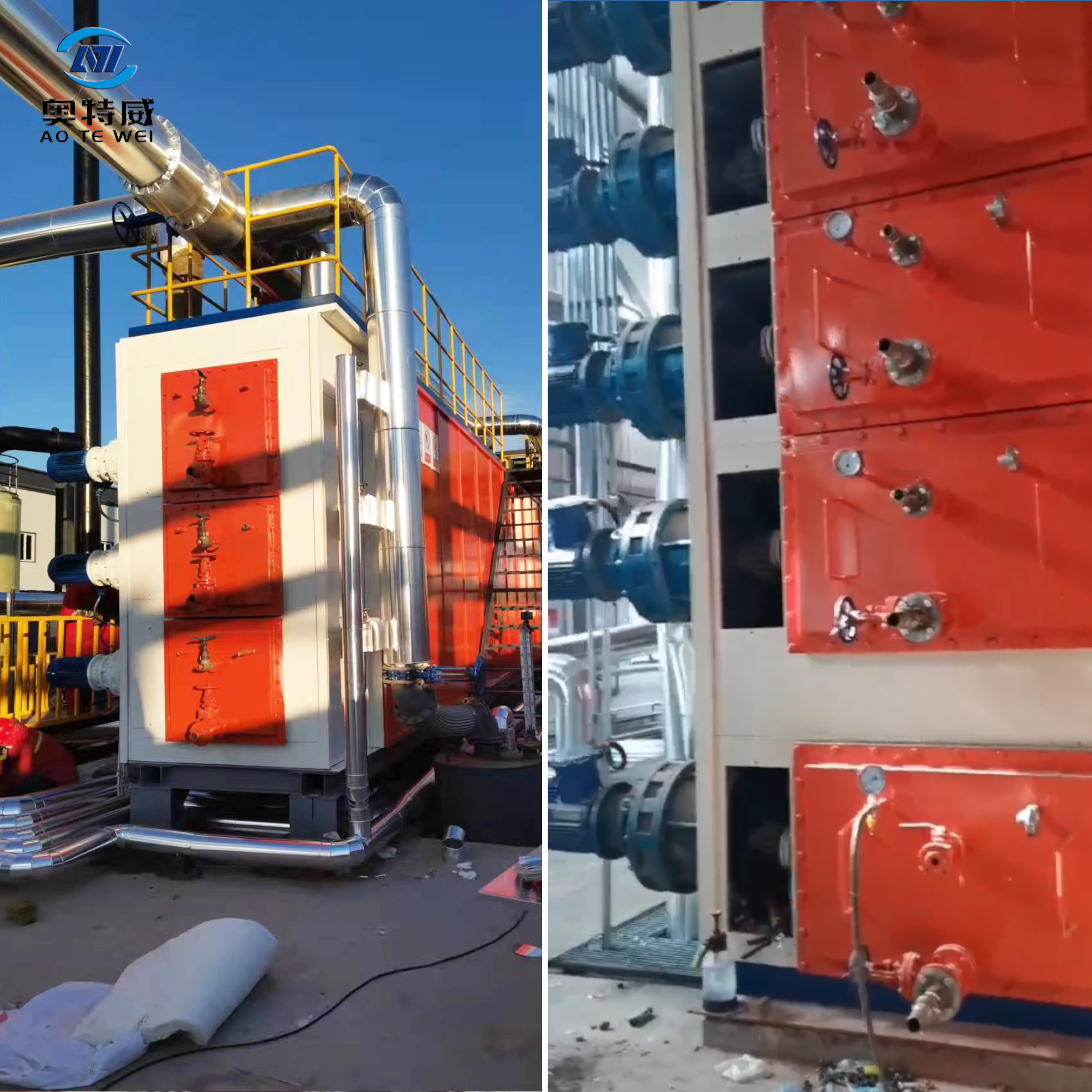
The performance of a pyrolysis reactor directly determines the efficiency, profitability, and sustainability of waste processing and renewable energy operations. Understanding the critical factors that influence pyrolysis reactor output is essential for industrial operators seeking to maximize yield, minimize operating costs, and meet environmental compliance standards. A pyrolysis reactor's capacity to convert feedstock into valuable products hinges on numerous interrelated variables, each requiring careful calibration and monitoring to achieve optimal results.
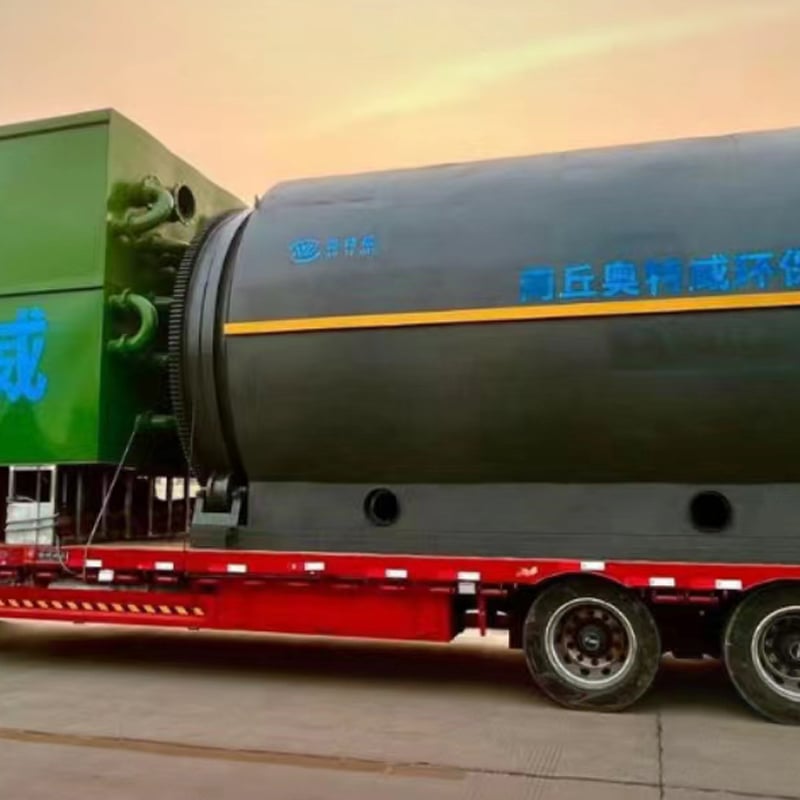
Industrial facilities that implement advanced pyrolysis reactor systems must account for multiple performance drivers, from raw material characteristics to equipment design specifications. The success of any pyrolysis reactor installation depends not just on equipment quality, but on how well operators understand and manage the complex interactions between thermal conditions, reactor geometry, feedstock properties, and residence time. This comprehensive guide explores the fundamental factors that shape pyrolysis reactor performance across industrial applications.
Temperature Control and Thermal Dynamics
Operating Temperature Range
Temperature represents the single most influential factor affecting pyrolysis reactor performance. The pyrolysis reactor must maintain precise thermal conditions to achieve desired conversion rates and product distribution. Operating temperatures typically range between 400 and 900 degrees Celsius, depending on the specific feedstock and target products. When a pyrolysis reactor operates below its optimal temperature threshold, conversion efficiency drops significantly, leaving valuable material unconverted and reducing overall productivity. Conversely, excessive temperatures within a pyrolysis reactor can lead to excessive secondary cracking, unwanted char formation, and equipment thermal stress, thereby diminishing product quality and reactor service life.
Heat Transfer Efficiency
The ability of a pyrolysis reactor to distribute heat uniformly throughout the reaction chamber directly impacts conversion uniformity and product consistency. Poor heat transfer in a pyrolysis reactor results in temperature gradients, creating zones of incomplete decomposition and variable product quality. Industrial pyrolysis reactor designs incorporate advanced heating mechanisms, including jacketed walls, internal baffles, and specialized heat exchangers to ensure homogeneous temperature distribution. The thermal conductivity of the reactor vessel material, insulation quality, and heating element configuration all influence how efficiently a pyrolysis reactor achieves and maintains target temperatures across the entire reaction volume.
Feedstock Characteristics and Material Properties
Feedstock Composition and Moisture Content
The chemical composition and physical properties of input material fundamentally shape pyrolysis reactor output. Feedstock with high moisture content reduces the effective calorific value and requires additional energy consumption within the pyrolysis reactor, decreasing overall thermal efficiency. Different feedstock types, such as plastic waste, biomass, tires, or mixed waste, decompose at different rates and temperatures, requiring operators to adjust pyrolysis reactor parameters accordingly. Materials with inconsistent composition challenge the pyrolysis reactor's ability to maintain steady-state operation, potentially leading to fluctuations in product yield and quality. Pre-processing feedstock through drying, sorting, and size standardization enhances pyrolysis reactor performance by ensuring more predictable decomposition behavior and improved heat transfer within the reaction chamber.
Particle Size and Shape Distribution
The size and uniformity of feedstock particles significantly influence how effectively a pyrolysis reactor processes material. Smaller, uniform particles expose greater surface area to the thermal environment, enabling faster and more complete decomposition within the pyrolysis reactor. Conversely, large or irregularly shaped particles may experience incomplete conversion in the center, reducing liquid and gas yields from the pyrolysis reactor. Industrial operators must balance the benefits of reduced particle size against increased preprocessing costs. A well-designed pyrolysis reactor incorporates mechanisms to optimize particle residence time and mixing patterns, ensuring that material of varying sizes experiences adequate thermal treatment and achieves maximum conversion efficiency.
Reactor Design and Operational Parameters
Residence Time and Material Flow Rate
The duration that feedstock remains within a pyrolysis reactor directly affects the degree of thermal decomposition and final product composition. Insufficient residence time in a pyrolysis reactor leaves volatile material incompletely converted, reducing liquid and gas product yields and increasing solid residue. Extended residence time within a pyrolysis reactor promotes secondary cracking reactions that may degrade desirable liquid products into permanent gases or char. Modern pyrolysis reactor designs enable operators to precisely control residence time through adjustable screw conveyors, rotational speed control, and specialized internal geometry. The optimal residence time within a pyrolysis reactor varies by feedstock type and target product mix, typically ranging from 15 to 60 minutes. Operators must continuously balance throughput requirements against product quality specifications to determine the ideal residence time for their specific pyrolysis reactor application.
Reactor Geometry and Internal Design
The physical shape, internal structure, and geometric configuration of a pyrolysis reactor profoundly influence thermal performance and product output. Cylindrical pyrolysis reactor designs facilitate uniform heat distribution and simplify maintenance, while specialized geometries like screw reactors optimize material mixing and residence time control. Internal features such as baffles, agitators, and heat transfer fins enhance convection within the pyrolysis reactor, improving conversion efficiency and product uniformity. The aspect ratio of the pyrolysis reactor—the relationship between diameter and height—affects heat transfer rates, residence time uniformity, and operational stability. Advanced pyrolysis reactor designs incorporate multiple heating zones, pressure management systems, and sophisticated gas handling to achieve superior performance across varying feedstock conditions and production scales.
Environmental Factors and System Integration
Oxygen Presence and Inert Atmosphere Control
Maintaining an oxygen-free environment within a pyrolysis reactor is critical for preventing combustion reactions that would consume valuable products and generate excessive heat. Most industrial pyrolysis reactor systems operate under carefully controlled inert atmospheres using nitrogen or recycled pyrolysis gases. Even trace oxygen contamination can fundamentally alter the pyrolysis reactor's thermal profile and product distribution, making atmospheric control equipment essential for consistent performance. The pyrolysis reactor must incorporate effective sealing mechanisms, gas purging systems, and pressure management to prevent ambient air infiltration while allowing controlled product gas and vapor removal.
Cooling and Condensation System Efficiency
The efficiency of downstream cooling and condensation systems directly impacts the final product recovery from a pyrolysis reactor. Vapors and gases leaving the pyrolysis reactor must be rapidly cooled to condense liquid products before secondary polymerization reactions occur. Poorly designed cooling systems allow excessive vapor condensation within the pyrolysis reactor outlet pipes, reducing recovered liquid yield and potentially blocking material flow. High-performance pyrolysis reactor installations incorporate multi-stage cooling systems, condensers, and vapor recovery equipment optimized for the specific boiling point range of target products. The integration between pyrolysis reactor thermal output and downstream processing equipment fundamentally shapes overall system efficiency and product quality.
FAQ
What is the most critical factor affecting pyrolysis reactor performance?
Temperature control represents the most critical factor influencing pyrolysis reactor performance. Precise temperature maintenance ensures optimal decomposition rates, consistent product distribution, and maximum conversion efficiency. Variations in pyrolysis reactor operating temperature directly translate to changes in liquid, gas, and solid product yields, making thermal management the primary lever for performance optimization.
How does feedstock quality impact pyrolysis reactor output?
Feedstock quality profoundly affects pyrolysis reactor performance through moisture content, composition consistency, and particle size uniformity. High-moisture feedstock reduces thermal efficiency within the pyrolysis reactor, while inconsistent composition challenges the reactor's ability to maintain stable operation. Pre-processing feedstock improves pyrolysis reactor predictability and increases overall yield by ensuring material decomposes uniformly within the reaction chamber.
Can pyrolysis reactor performance be improved through design modifications?
Yes, advanced pyrolysis reactor designs significantly enhance performance through optimized geometry, improved heat transfer mechanisms, and sophisticated internal structures. Multi-zone heating, specialized agitation systems, and enhanced cooling integration in modern pyrolysis reactor configurations substantially increase conversion efficiency, product quality, and operational flexibility compared to traditional designs.