
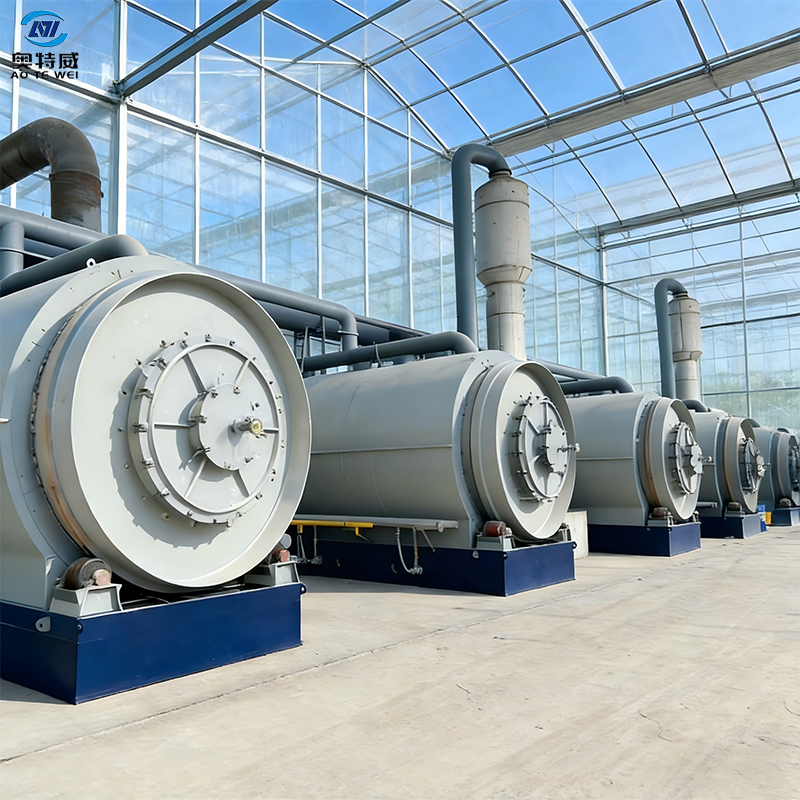
Modern recycling plants face mounting pressure to recover maximum value from waste streams while maintaining environmental compliance. The pyrolysis reactor has emerged as a critical technology for achieving this balance, transforming discarded materials into valuable energy resources. This thermochemical process operates at high temperatures in oxygen-free environments, breaking down complex polymers and organic compounds into reusable fuels and chemical feedstocks. Understanding why the pyrolysis reactor has become indispensable to industrial recycling operations reveals deeper insights into sustainable waste management and energy recovery economics.
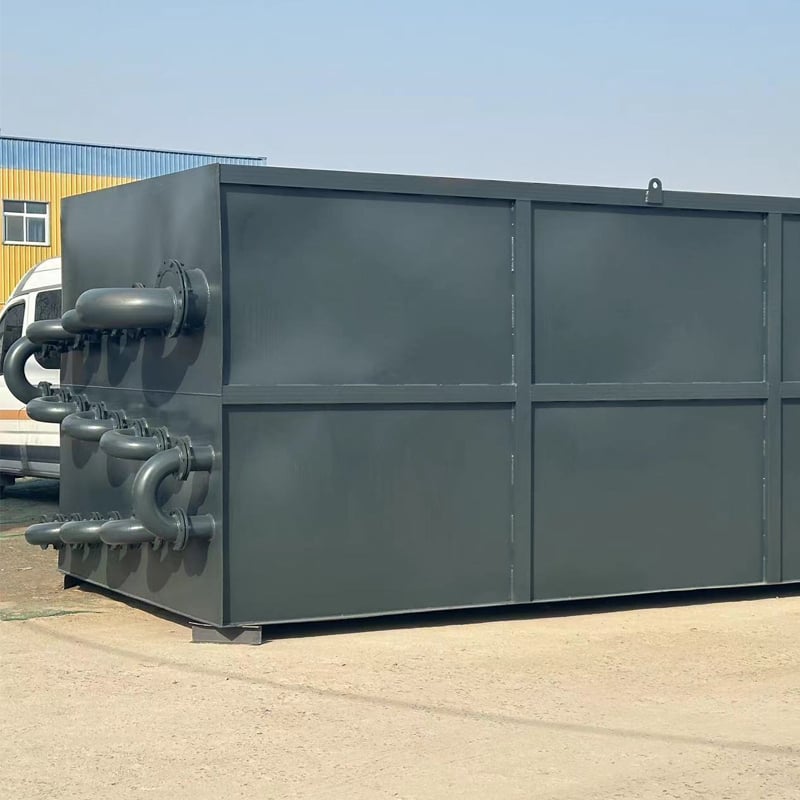
The efficiency gains delivered by a well-engineered pyrolysis reactor directly impact recycling plant profitability and environmental performance. Unlike traditional incineration or landfill disposal, the pyrolysis reactor preserves molecular energy within waste feedstock, converting it into syngas, pyrolysis oil, and char—each commanding commercial value in fuel and chemical markets. Recycling plants adopting this technology have reported significant reductions in disposal costs while opening new revenue streams. This strategic shift from waste elimination to energy recovery defines modern circular economy practices.
Core Benefits of Pyrolysis Reactor Systems
Energy Recovery and Revenue Generation
The primary driver behind widespread pyrolysis reactor adoption in recycling plants is measurable energy recovery. When plastic waste, tires, or biomass enters a pyrolysis reactor, thermal decomposition at 400–900°C breaks molecular bonds, releasing energy-rich gases and liquid hydrocarbons. Recycling facilities can capture this energy immediately for plant operations or sell syngas and pyrolysis oil to external buyers. The revenue potential transforms waste disposal from a cost center into a profit-generating operation, justifying the capital investment in pyrolysis reactor infrastructure.
Environmental Compliance and Emissions Reduction
Regulatory pressure to minimize landfill volume and reduce greenhouse gas emissions makes the pyrolysis reactor strategically valuable for compliance. Traditional waste disposal generates methane emissions in landfills and releases particulates during combustion. A modern pyrolysis reactor operates in controlled, sealed environments with integrated emission control systems, capturing and utilizing volatile organic compounds that would otherwise escape to the atmosphere. This containment directly supports corporate sustainability goals and helps recycling plants meet increasingly stringent environmental regulations across jurisdictions.
Operational Advantages in Industrial Recycling
Processing Flexibility and Material Diversity
Recycling plants value the pyrolysis reactor for its ability to handle multiple waste feedstocks within a single system. Mixed plastic waste, contaminated rubber, textile scraps, and biomass residues can all enter the same pyrolysis reactor without requiring extensive pre-sorting or material segregation. This flexibility reduces preprocessing labor and equipment investment while maximizing throughput efficiency. The adaptive nature of pyrolysis reactor technology enables plants to respond quickly to changing waste composition, seasonal market conditions, and customer requirements without costly process reconfiguration.
Continuous Operation and Process Control
Industrial-scale pyrolysis reactor systems enable automated, continuous processing that minimizes downtime and labor intensity. Modern designs incorporate real-time temperature monitoring, pressure management, and automated feedstock delivery, allowing operators to maintain optimal conditions throughout production cycles. The pyrolysis reactor design supports consistent product quality, predictable output rates, and reduced human intervention. This operational stability is essential for large recycling facilities processing thousands of tons annually, where equipment reliability directly impacts financial performance and contractual commitments to material suppliers.
Economic and Sustainability Integration
Circular Economy Alignment and Market Positioning
Investing in pyrolysis reactor technology positions recycling plants as forward-thinking participants in the circular economy. The ability to convert waste into chemical intermediates and renewable fuels demonstrates tangible commitment to resource efficiency and reduced fossil fuel dependence. Brands and manufacturers increasingly source recycled feedstock from facilities operating pyrolysis reactor systems, viewing this technology as proof of genuine sustainability. This market positioning strengthens customer relationships, supports premium pricing for recycled materials, and attracts investment from sustainability-focused capital sources.
Technology Scalability and Future-Readiness
The pyrolysis reactor represents proven, scalable technology deployable across small, medium, and large recycling operations. Manufacturers have refined pyrolysis reactor designs for modular expansion, enabling plants to increase capacity incrementally as waste volumes grow. This scalability makes initial investment more manageable while future-proofing operations against increasing regulatory pressure and raw material scarcity. Recycling plants embracing the pyrolysis reactor today gain first-mover advantages in markets where waste-to-energy capabilities will become industry standards within the next decade.
FAQ
What specific waste materials can a pyrolysis reactor process effectively?
A pyrolysis reactor successfully processes plastic waste, end-of-life tires, textile scraps, agricultural residues, and other organic materials with high carbon content. The technology adapts to mixed feedstocks, contaminated materials, and non-hazardous industrial waste. However, materials with high moisture content, heavy metals, or mineral fillers require preprocessing to optimize pyrolysis reactor performance and product quality. Recycling plants typically conduct feedstock analysis before system design to ensure optimal compatibility and output specifications.
How does pyrolysis reactor technology compare to traditional waste incineration?
Unlike incineration, which combusts waste at high oxygen levels and releases heat primarily as exhaust, a pyrolysis reactor operates in oxygen-free environments, converting waste into recoverable fuels and chemical feedstocks. The pyrolysis reactor produces higher-value outputs—syngas, pyrolysis oil, and char—while generating lower emissions of particulates and nitrogen oxides. This efficiency advantage makes the pyrolysis reactor economically superior for recycling facilities seeking revenue diversification and regulatory compliance in stringent emission markets.
What is the typical return on investment for implementing pyrolysis reactor systems?
Return on investment for a pyrolysis reactor installation typically ranges from 3 to 7 years, depending on feedstock availability, local energy prices, operating scale, and utility efficiency. Recycling plants processing high volumes of valuable waste streams often achieve faster payback as fuel sales and operational cost savings accumulate. Government incentives for renewable energy infrastructure and waste processing can accelerate ROI timelines significantly, making pyrolysis reactor technology increasingly attractive to mid-sized and emerging recycling operations across developing and developed markets.