
A distillation plant represents one of the most critical components in modern oil processing operations, fundamentally transforming crude oil into valuable refined products through precise separation. The efficiency of a distillation plant directly impacts refinery profitability, energy consumption, and product quality. Understanding how a distillation plant improves separation efficiency is essential for petroleum engineers, refinery managers, and industry professionals seeking to optimize operations and reduce costs in an increasingly competitive market.
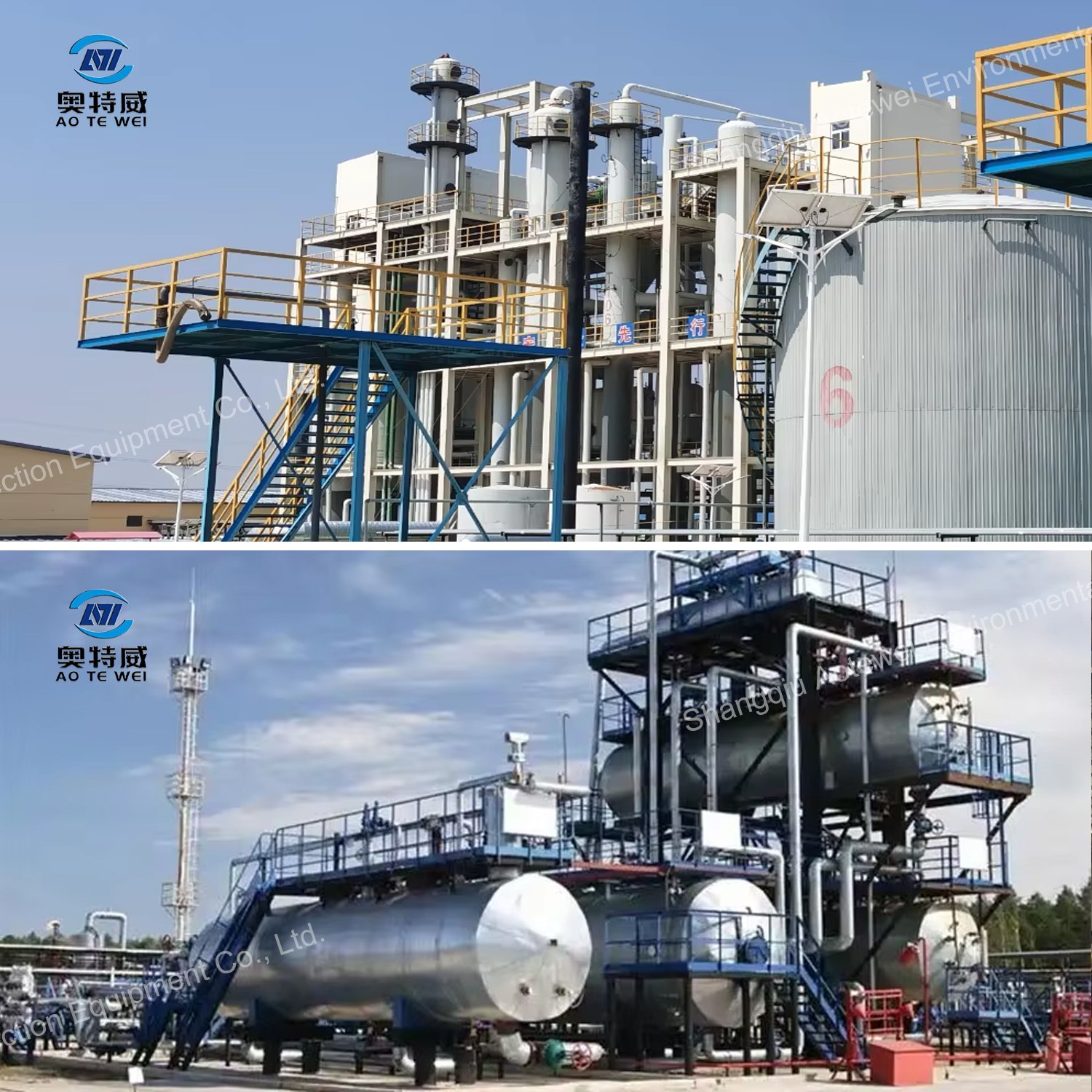
The separation capability of a distillation plant depends on multiple integrated factors working in harmony, including thermal management, column design, pressure control, and feed distribution systems. A distillation plant operates by exploiting differences in boiling points between hydrocarbon fractions, using heat and fractional separation to create distinct product streams. Modern distillation plants achieve significantly higher separation efficiency compared to older designs through advanced engineering, better instrumentation, and optimized operating parameters that minimize energy waste while maximizing product yields.
Core Separation Mechanisms Within a Distillation Plant
Thermal Gradient and Boiling Point Differentiation
A distillation plant creates precise thermal gradients inside the separation tower to enable efficient boiling point differentiation. The bottom section of the tower, called the reboiler, maintains the highest temperature, reaching 350°C or higher depending on the crude oil grade and desired product range. A distillation plant uses this extreme heat differential to vaporize lighter hydrocarbons while keeping heavier components in liquid form. As vapors rise through the tower's internal trays or packing material, they cool progressively, allowing each distillation plant section to capture specific hydrocarbon ranges with remarkable precision.
Internal Tray Design and Mass Transfer
A distillation plant's internal architecture, specifically the tray system or structured packing, directly determines separation quality. Each tray in a distillation plant provides a stage where vapor and liquid come into intimate contact, enabling molecular exchange that strengthens separation. A distillation plant with advanced tray designs increases the surface area available for mass transfer, meaning more efficient contact between phases. Modern distillation plants incorporate bubble-cap trays, sieve trays, or valve trays that maximize turbulence and contact time, resulting in sharper separation between adjacent boiling-point fractions and fewer contaminated product streams.
Advanced Operating Parameters That Drive Distillation Plant Performance
Pressure Management and Reflux Optimization
A distillation plant operator controls separation efficiency primarily through reflux ratio management, which involves returning condensed overhead vapors back down the tower. Higher reflux rates in a distillation plant increase separation sharpness but also increase energy demand; lower reflux rates reduce operating costs but compromise purity. A distillation plant achieves optimal balance by using advanced process control systems that monitor product composition in real-time and adjust reflux automatically. Pressure regulation within a distillation plant also matters significantly; maintaining appropriate pressure prevents excessive condensation or vaporization, preserving the intended thermal profile and ensuring the distillation plant operates at peak efficiency across varying crude oil feedstock types.
Feed Temperature and Location Strategy
A distillation plant improves separation by optimizing where and at what temperature crude oil feed enters the tower. Feed that enters at too low a temperature requires additional heating energy; if too hot, it disrupts the thermal profile. A properly designed distillation plant introduces feed at a location where its temperature closely matches the surrounding tower temperature, minimizing thermal shock. This strategic feed placement in a distillation plant reduces energy requirements by 5 to 15 percent while maintaining separation quality, demonstrating how operational tuning transforms a distillation plant from an energy-intensive unit into a lean, efficient processor.
Energy Efficiency and Product Quality Outcomes
Minimizing Energy Loss and Heat Integration
A modern distillation plant recovers waste heat from the condenser to pre-warm incoming feed, a practice called heat integration that reduces overall facility energy consumption. A distillation plant equipped with heat exchangers captures temperature potential that older designs simply rejected into cooling water systems. This energy recovery approach transforms a distillation plant into part of an integrated refinery energy network where hot streams feed subsequent processing units. Refineries implementing comprehensive heat recovery around their distillation plant units report energy savings of 20 to 30 percent compared to conventional standalone operation, directly improving profitability while reducing carbon footprint.
Product Purity and Yield Maximization
A distillation plant's fundamental value lies in its ability to produce high-purity product streams that command premium prices and function reliably in downstream processes. A distillation plant delivering sharp separation between adjacent fractions—such as clean kerosene without excess diesel contamination—reduces downstream processing complications and reprocessing loops. Enhanced separation efficiency within a distillation plant translates to higher yields of on-specification products, reducing the volume requiring recycling or downgrading. Advanced distillation plant configurations achieve true boiling-point separations that competitors cannot match, creating competitive advantage for refineries operating these superior systems.
Installation, Monitoring, and Continuous Improvement
Instrumentation and Real-Time Optimization
A distillation plant's separation efficiency depends increasingly on sophisticated instrumentation that provides real-time visibility into tower conditions. Temperature sensors, pressure transmitters, composition analyzers, and level indicators throughout a distillation plant feed data to digital control systems that make thousands of micro-adjustments daily. A distillation plant managed through advanced automation adapts instantly to feedstock changes, seasonal temperature variations, and market-driven product demand shifts. This continuous optimization capability transforms a distillation plant from a static asset into a dynamic, responsive system that maintains peak efficiency across all operating scenarios and external conditions.
Maintenance and Long-Term Performance Preservation
A distillation plant's separation efficiency degrades gradually as fouling, corrosion, and erosion accumulate on internal surfaces. Planned maintenance of a distillation plant, including tray cleaning and heat exchanger descaling, restores design performance and extends equipment life. Regular inspection of a distillation plant's internal structures reveals early signs of damage that, if addressed promptly, prevent catastrophic failures. Refineries committed to aggressive maintenance programs report that their distillation plant units operate at 95 to 98 percent of design capacity consistently, whereas neglected units decline to 80 to 85 percent capacity, demonstrating the direct return on maintenance investment.
FAQ
What makes a distillation plant more efficient than basic separation methods?
A distillation plant employs staged thermal separation across a tall tower structure, allowing dozens of theoretical separation stages to capture precise boiling-point fractions. Basic separation methods such as simple settling tanks lack the thermal gradient, contact time, and control mechanisms that a distillation plant provides. A distillation plant achieves separation quality that would be impossible through passive methods, delivering the purity and precision modern refineries require for profitable, compliant operations.
How does a distillation plant reduce energy consumption in oil refineries?
A distillation plant reduces energy through heat recovery, optimized reflux control, and strategic feed temperature management. When a distillation plant integrates with facility heat networks that reuse condenser heat and pre-warm feeds, the total energy demand drops significantly compared to standalone operation. Advanced control systems within a distillation plant continuously adjust operating parameters to use only the energy necessary for the current separation task, eliminating waste typical of fixed-parameter older designs.
Can a distillation plant handle varying crude oil types without performance loss?
A modern distillation plant is designed with flexibility to accommodate crude oils within a specified gravity and composition range. A distillation plant's advanced control systems automatically adjust temperature, pressure, and reflux when feedstock properties change, maintaining separation efficiency and product quality. However, crude oils outside the distillation plant's designed range may require operational adjustments or temporary capacity reduction; modern digital distillation plant systems provide operators with alerts and recommendations for handling such scenarios optimally.