
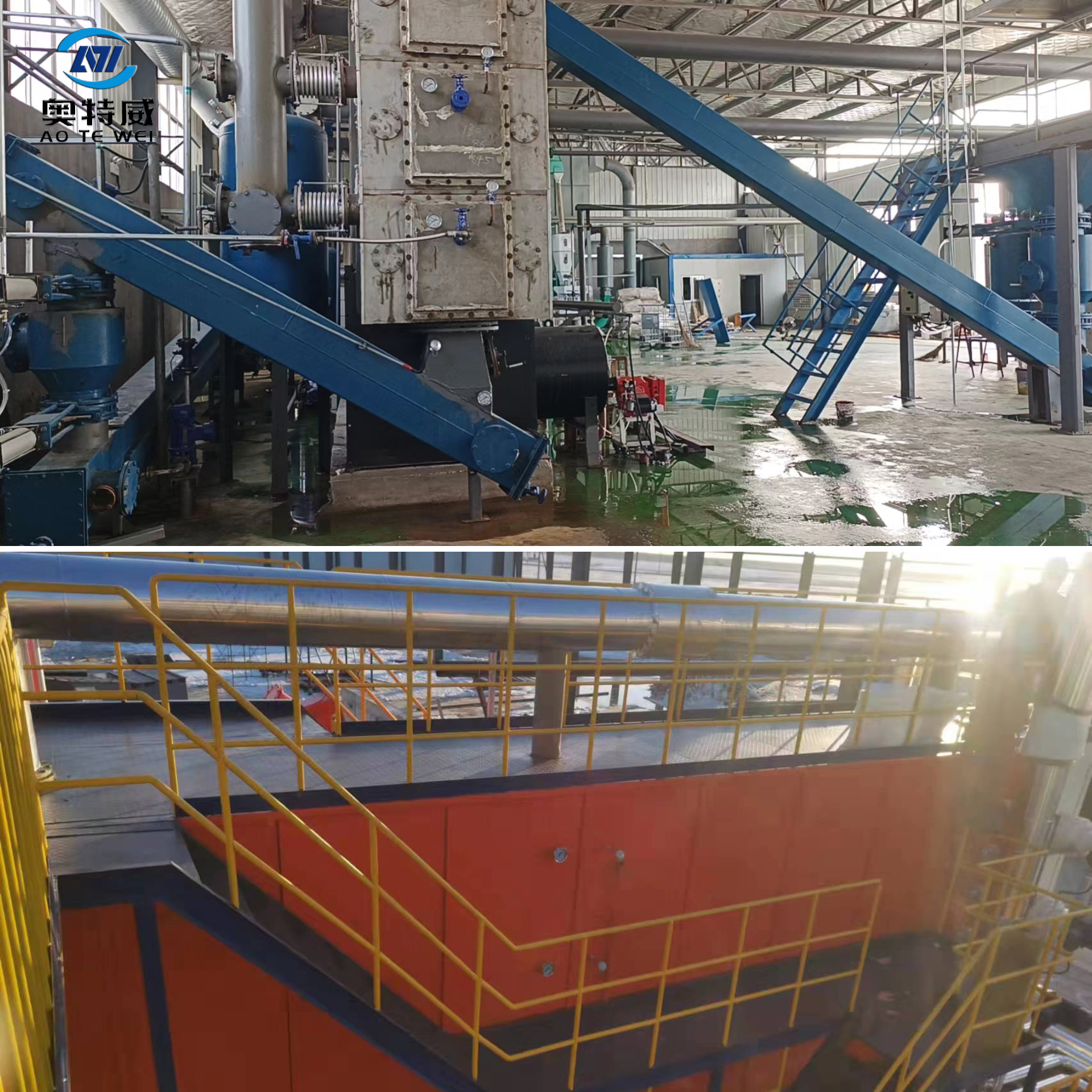
Factories across industries are increasingly turning to oil recycling as a strategic approach to managing operational costs while addressing environmental responsibility. The decision to implement oil recycling systems goes far beyond simple waste management; it represents a fundamental shift in how modern manufacturing facilities view their resource consumption and financial sustainability. By adopting structured oil recycling programs, industrial operations unlock significant economic advantages that directly impact profitability and competitive positioning.
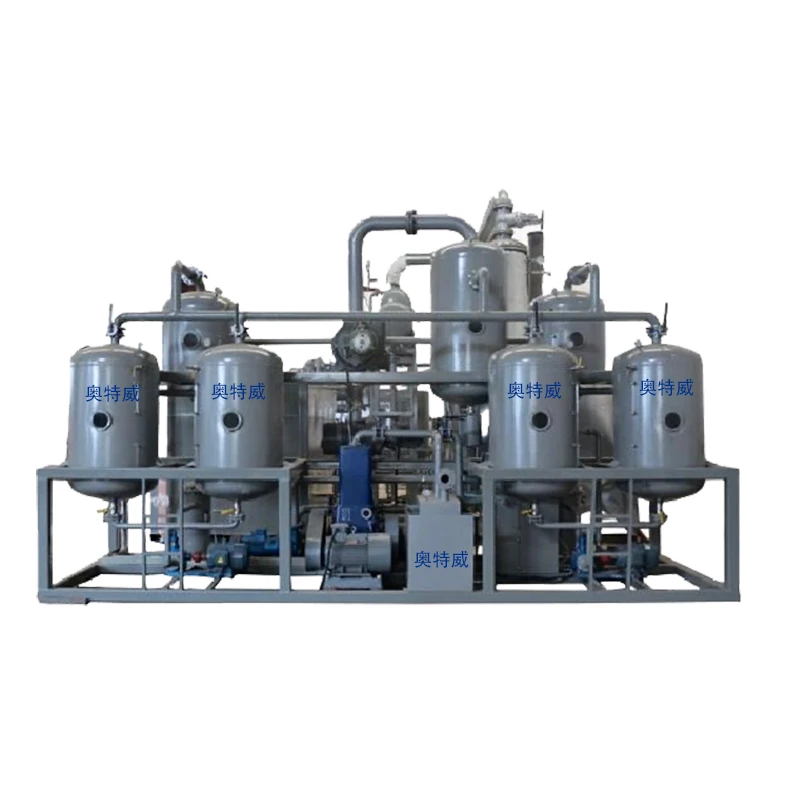
The economic case for oil recycling is compelling when examined through the lens of total cost of ownership. Factories invest in oil recycling infrastructure because the return on investment materializes quickly through reduced material expenses, lower disposal fees, and extended equipment lifespan. Understanding the specific financial drivers behind oil recycling adoption helps decision-makers evaluate whether such systems align with their operational priorities and long-term financial goals.
The Financial Impact of Oil Recycling Implementation
Direct Cost Reduction Through Oil Recycling
One of the primary reasons factories implement oil recycling systems is the immediate reduction in virgin oil purchasing costs. Manufacturing operations consume substantial quantities of hydraulic oils, lubricants, and other petroleum-based fluids throughout their production cycles. When factories adopt oil recycling processes, they dramatically decrease their dependency on new oil purchases by regenerating used oils for reuse. This dual benefit of reduced purchasing volume and extended fluid lifecycle directly translates to measurable cost savings on material budgets, which often represent significant line items in manufacturing expense frameworks.
The cost advantage of oil recycling becomes even more pronounced when factories consider disposal expenses. Improper oil disposal carries substantial regulatory penalties and specialized waste management fees that can accumulate rapidly across a facility's operations. By implementing oil recycling systems, factories eliminate or dramatically reduce these disposal costs while simultaneously creating a secondary revenue stream through the resale of reclaimed oils. This multi-faceted financial benefit structure explains why progressive manufacturers view oil recycling not as an ancillary program but as a core financial strategy.
Extended Equipment Longevity and Maintenance Savings
Another critical reason factories prioritize oil recycling involves the protective effect clean, properly recycled oils provide to mechanical equipment. When factories utilize high-quality recycled oils through their oil recycling processes, they maintain optimal lubrication and thermal management in critical machinery. This cleanliness reduces wear rates, decreases component degradation, and extends the operational life of expensive industrial equipment. The cumulative effect across multiple machines and systems creates substantial capital equipment cost avoidance that might otherwise require replacement or major repairs.
Manufacturing facilities implementing oil recycling systems observe measurable improvements in equipment reliability metrics, which reduces unplanned downtime and associated production losses. Cleaner operating fluids maintained through oil recycling processes minimize contamination-related equipment failures, reduce maintenance call frequency, and lower spare parts consumption. These interconnected benefits create a comprehensive cost reduction framework that extends far beyond simple waste management into core operational efficiency improvements.
Environmental Compliance and Market Positioning
Regulatory Compliance Through Oil Recycling
Factories increasingly implement oil recycling systems to ensure compliance with evolving environmental regulations that govern industrial waste management. Many jurisdictions impose strict requirements on oil disposal, establishing penalties for improper handling that can escalate rapidly. By implementing structured oil recycling programs, factories maintain clear compliance documentation, reduce regulatory audit risks, and demonstrate environmental stewardship to regulatory bodies. This proactive approach to oil recycling protects facilities from potential fines, operational restrictions, or temporary shutdowns that could prove far more costly than the oil recycling system investment itself.
The compliance advantage of oil recycling extends into supply chain relationships and customer requirements. Many major industrial buyers now require their suppliers to demonstrate sustainable practices, including proper oil recycling management. Factories that implement oil recycling systems gain competitive advantages in supplier selection processes, qualify for preferred vendor status, and strengthen long-term customer relationships based on shared environmental values.
Brand Value and Stakeholder Confidence
Modern consumers and business partners increasingly evaluate manufacturers based on environmental responsibility indicators, making oil recycling implementation a strategic tool for brand differentiation. Factories that invest in oil recycling systems signal commitment to sustainable operations, positioning themselves favorably in market perception studies and industry rankings. This brand advantage translates into tangible business benefits through improved customer acquisition, premium pricing opportunities, and reduced customer churn related to sustainability concerns.
Stakeholders including investors, employees, and community representatives increasingly value environmental responsibility demonstrated through concrete programs like oil recycling. Factories implementing oil recycling systems enhance their reputation profile, improve talent recruitment and retention, and strengthen community relationships that can facilitate future expansion or operational improvements. The strategic value of oil recycling implementation therefore encompasses brand positioning, stakeholder confidence, and long-term business resilience in sustainability-conscious markets.
Operational Efficiency and Resource Optimization
Supply Chain Stability Through Oil Recycling
Factories implement oil recycling systems to achieve greater control over fluid supply continuity and reduce vulnerability to oil market price volatility. Manufacturing operations that depend entirely on virgin oil purchases face exposure to commodity price fluctuations that can significantly impact production budgets. By implementing oil recycling infrastructure, facilities create internal supply mechanisms less vulnerable to market disruptions, geopolitical factors, or supply chain interruptions affecting virgin oil availability. This operational resilience particularly benefits facilities in regions facing supply constraints or price premiums for imported petroleum products.
The supply chain advantage of oil recycling extends into inventory management optimization. Factories can maintain lower strategic oil reserves when oil recycling systems provide consistent regenerated supply, reducing warehousing costs and improving cash flow management. This inventory optimization benefit compounds over extended operating periods, contributing significantly to the total financial case supporting oil recycling system investments.
Data-Driven Process Improvements
Modern oil recycling systems generate operational data that enables factories to identify process improvements and optimize resource utilization across production environments. Monitoring fluid consumption patterns through oil recycling infrastructure reveals inefficiencies, equipment leaks, and maintenance opportunities that might otherwise remain undetected. Factories leverage this data from their oil recycling systems to implement targeted improvements that reduce waste, enhance productivity, and improve overall equipment effectiveness metrics.
The analytical capability embedded in sophisticated oil recycling systems transforms waste management from a compliance burden into a strategic tool for continuous improvement. Facilities using oil recycling data systematically reduce their environmental footprint while simultaneously improving profitability through resource optimization. This dual benefit explains why leading manufacturers view oil recycling implementation not as a discretionary environmental initiative but as an integral component of their operational excellence strategies.
FAQ
What specific cost savings should factories expect from implementing oil recycling systems?
Factories typically experience cost reductions ranging from 20 to 40 percent in fluid-related expenses after implementing comprehensive oil recycling systems, depending on baseline consumption patterns, oil types processed, and system scale. These savings accumulate through reduced virgin oil purchasing, eliminated disposal expenses, and decreased equipment maintenance costs resulting from fluid quality improvements. The return on investment timeline for oil recycling systems generally ranges from 1.5 to 3 years for most industrial facilities, after which ongoing savings directly improve operational profitability.
Can any type of industrial oil be processed through oil recycling systems?
Most common industrial oils including hydraulic fluids, turbine oils, gear oils, and compressor oils can be effectively processed through oil recycling systems, though specific processing requirements vary by oil type and contamination levels. Factories should evaluate their primary oil streams to ensure compatibility with their chosen oil recycling technology before system selection. Advanced oil recycling systems can handle multiple oil types through configured processing parameters, maximizing the facility's capacity to regenerate diverse fluid types and optimize total cost benefits.
How do environmental regulations influence factory decisions to adopt oil recycling?
Increasingly stringent environmental regulations governing industrial waste disposal create strong compliance incentives for factories to implement oil recycling systems that minimize regulatory risk and avoid potential penalties. Jurisdictions worldwide are establishing stricter requirements for proper oil management, making oil recycling implementation essential for maintaining operational licenses and avoiding disruptions. Additionally, customer requirements and supply chain expectations now frequently mandate oil recycling participation, transforming regulatory compliance into a competitive necessity for industrial facilities seeking market access and customer retention.