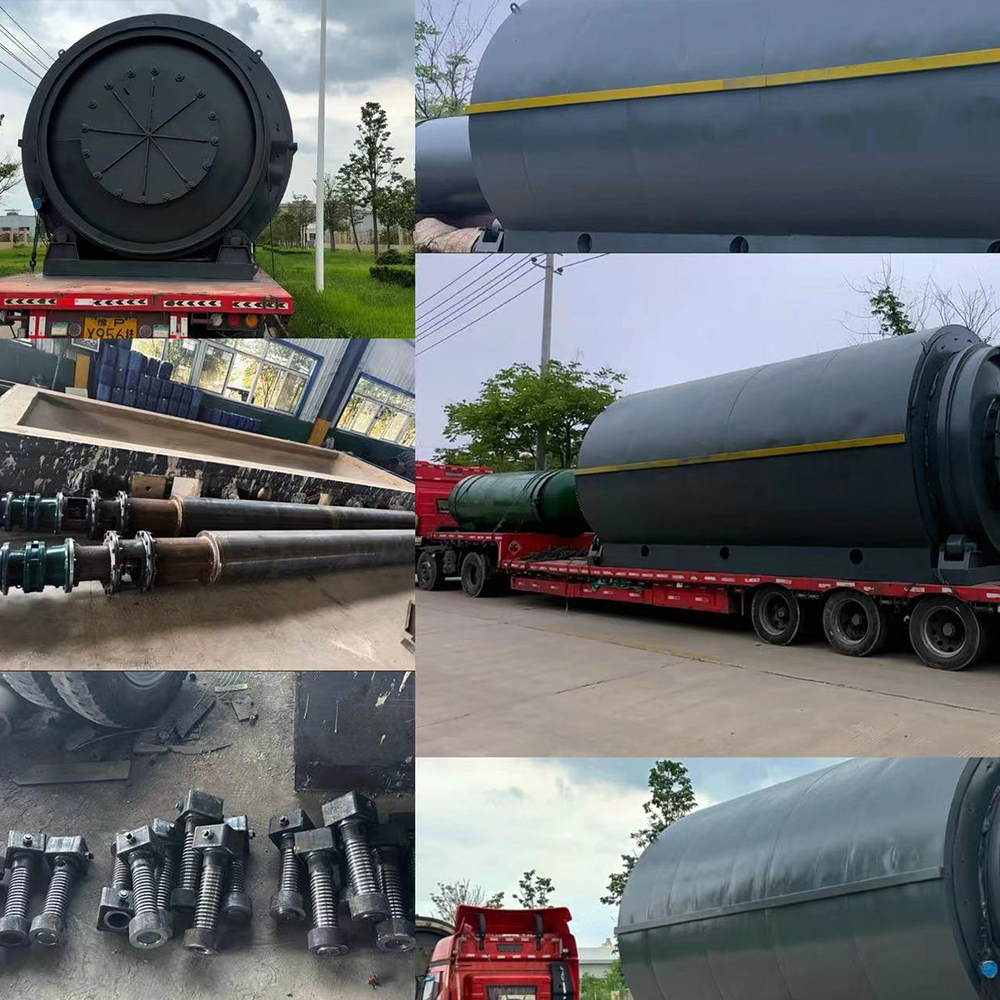
Pirolitik makinede tutarlı yakıt kalitesi kontrolü elde etmek, atıktan enerjiye dönüştürme teknolojisinde en kritik zorluklardan biridir. Modern pirolitik makine sistemleri, pirolitik yağ çıktısının farklı işletme döngüleri boyunca sabit özellikler, bileşim ve performans karakteristiklerini korumasını sağlamak amacıyla gelişmiş izleme ve kontrol mekanizmalarını kullanır. Bu kalite kontrol sistemlerinin nasıl işlediğini anlamak, güvenilir yakıt üretimi sonuçları elde etmeyi amaçlayan operatörler için hayati öneme sahiptir.
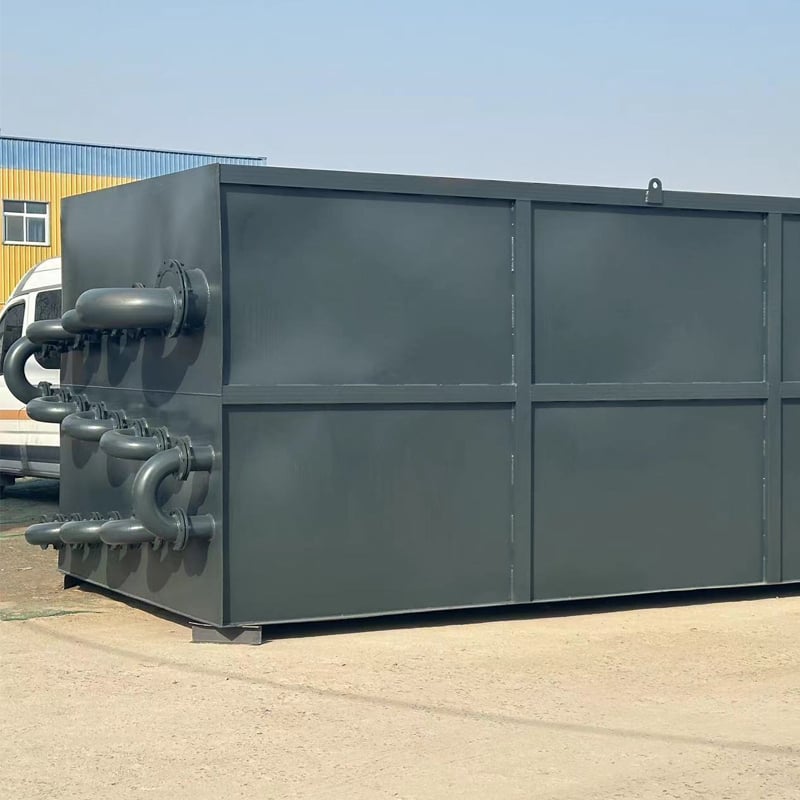
Pirolitik makinede kalite kontrol süreci, hassas termal koşulları korumak, kalma sürelerini optimize etmek ve tam buhar yoğuşmasını sağlamak amacıyla birlikte çalışan çoklu bağlantılı sistemleri içerir. Bu sistemler, yoğunluk, viskozite ve ısı değerine ilişkin tutarlı spesifikasyonların sağlanmasını garanti etmek amacıyla sıcaklık dağılımı, basınç farkları ve buhar akış hızı gibi temel parametreleri sürekli olarak izler.
Pirolitik Makinelere Ait Sıcaklık Kontrol Sistemleri
Çoklu Bölge Isıtma Yönetimi
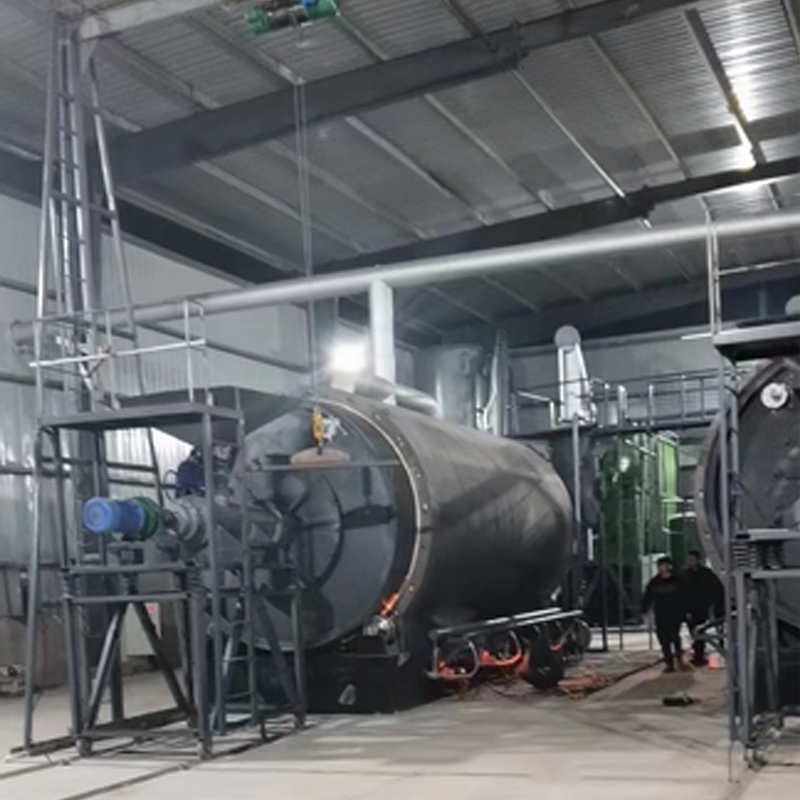
Bir pirolitik makine, reaktör odasının tamamında hassas sıcaklık gradyanlarını koruyan gelişmiş çoklu bölge ısıtma yönetimi sistemleri aracılığıyla tutarlı yakıt kalitesi elde eder. Bu sistemler genellikle reaktörü birkaç ayrı ısıtma bölgesine böler ve her bölge, pirolitik sürecin farklı aşamaları için en uygun termal koşulları sağlamak amacıyla bağımsız olarak kontrol edilir. Birincil ısıtma bölgesi, organik malzemelerin termal ayrışmasını başlatmak için 450–550 °C arasında bir sıcaklığı korur.
Pirolitik makinedeki ikincil ısıtma bölgeleri, kırılma işlemini tamamlamak ve yakıt kalitesini tehlikeye atan istenmeyen yan ürünlerin oluşumunu önlemek amacıyla tasarlanmıştır. Gelişmiş sıcaklık sensörleri, tüm bölgelerdeki termal koşulları sürekli izleyerek kontrol sistemine gerçek zamanlı geri bildirim sağlar. Bu çok bölgeli yaklaşım, besleme malzemesinin eşit ısıtılmasını sağlar; bu da tutarlı yağ kalitesi için hayati öneme sahiptir.
Isıtma sistemi aynı zamanda kararlı işletme koşullarını korurken enerji tüketimini en aza indirmek amacıyla termal yalıtım ve ısı geri kazanım mekanizmalarını da içerir. Bu termal kararlılık, pirolitik yağın tutarlı özelliklerle üretilmesi açısından temel bir unsurdur; çünkü sıcaklık dalgalanmaları, nihai yakıt ürününün moleküler bileşimi ve kalitesini önemli ölçüde etkileyebilir.
Otomatik Sıcaklık Düzenleme
Modern piroliz makinesi sistemleri, termal değişikliklere anında tepki veren gelişmiş PLC kontrol sistemleri aracılığıyla otomatik sıcaklık düzenleme özelliğine sahiptir. Bu kontrol sistemleri, hassas sıcaklık ayar noktalarını korumak için oransal-integral-türevsel (PID) algoritmaları kullanır ve gerçek zamanlı termal ölçümlere dayalı olarak ısıtma girişlerini otomatik olarak ayarlar. Otomasyon, tutarlı yakıt kalitesi için gerekli olan termal kararlılığı tehlikeye atan insan hatasını önler.
Otomatik düzenleme sistemi ayrıca piroliz sürecini etkileyebilecek dış faktörleri de dikkate alır; örneğin ortam sıcaklığındaki değişimler ve besleme malzemesinin nem içeriğindeki dalgalanmalar. Bu değişkenlere sürekli olarak uyum sağlayarak piroliz makinesi birim, homojen yakıt üretimi için gerekli olan termal tutarlılığı sağlar. Bu düzeyde otomatik kontrol, genellikle elle işletilen sistemlerde meydana gelen sıcaklık dalgalanmalarını ortadan kaldırır.
Düzenleme sistemi, aynı zamanda ekipman hasarını önlemek ve düşük kaliteli yağ üretimi riskini ortadan kaldırmak için yüksek kaliteli yakıt üretimi için gerekli olan sıcaklık aralığında piroliz işleminin kalmasını sağlayan aşırı ısınmayı engelleyen güvenlik protokolleri de içerir.
Buhar İşleme ve Yoğuşma Kontrolü
Kesirli Yoğuşma Sistemleri
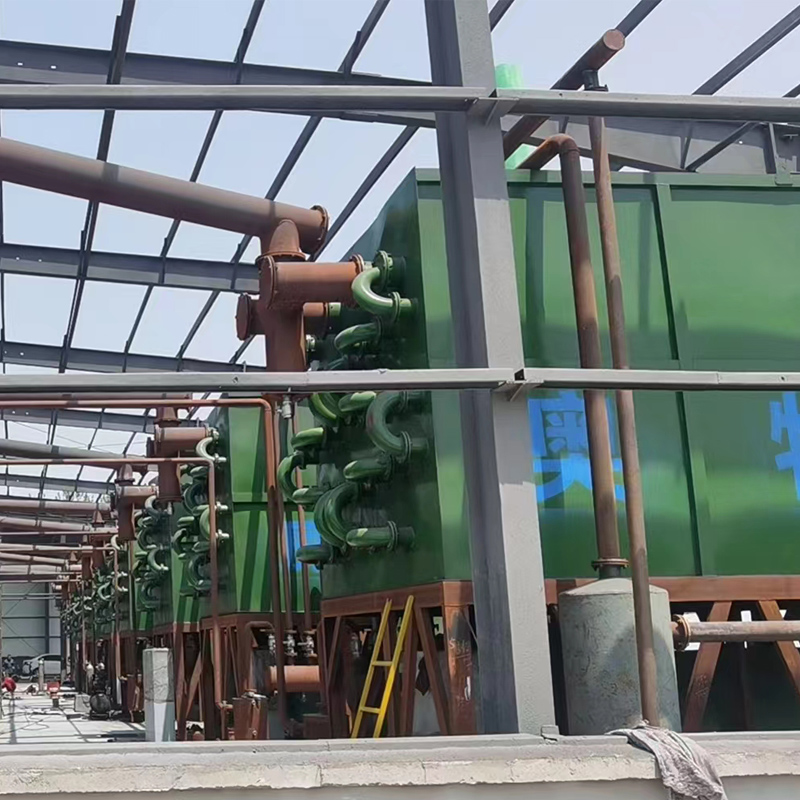
Bir piroliz makinesindeki buhar işleme aşaması, hidrokarbon bileşenlerini kaynama noktaları ve moleküler ağırlıklarına göre ayırmak amacıyla kesirli yoğuşma sistemlerinden yararlanır. Bu ayırma işlemi, istenen yağ fraksiyonlarının izole edilmesine ve yakıt özelliklerini bozabilecek hafif gazlar ile ağır artıkların uzaklaştırılmasına imkân tanıyarak tutarlı yakıt kalitesi elde edilmesi açısından kritik öneme sahiptir.
Kısmi yoğunlaşma, belirli hidrokarbon aralıklarını önceden belirlenmiş sıcaklıklarda yoğunlaştırmak üzere tasarlanmış bir dizi soğutma aşaması aracılığıyla gerçekleşir. Piroliz makinesi genellikle farklı sıcaklık seviyelerinde çalışan birden fazla kondansatör içerir ve bu durum nihai yağ ürününün yakıt uygulamaları için optimal hidrokarbon zinciri karışımını içermesini sağlar. Bu kademeli yoğunlaşma yaklaşımı, kaliteli yağı istenmeyen uçucu bileşenlerle kirlenmeden korur.
Yoğunlaşma sistemi ayrıca tam yoğunlaşmayı sağlamak için yeterli kalma süresini sağlayan ve eksik yağ geri kazanımına neden olabilecek buhar atlayışını önleyen buhar hızı kontrol mekanizmalarını da içerir. Buhar işleme üzerindeki bu kontrol, tüm değerli hidrokarbon bileşenlerinin nihai yağ ürününde yakalanmasını sağlayarak doğrudan yakıt kalitesini etkiler.
Sürekli Buhar İzleme
Piroлиз makinesi içindeki sürekli buhar izleme sistemleri, yoğunlaşma süreci boyunca buharların bileşimini ve akış özelliklerini takip eder. Bu izleme sistemleri, buhar işleme hattındaki çoklu noktalarda buhar sıcaklığını, basıncını ve yoğunluğunu ölçmek için gelişmiş sensörler kullanır. Toplanan veriler, tutarlı yakıt kalitesi için optimal yoğunlaşma koşullarının korunmasına yardımcı olur.
İzleme sistemi ayrıca yakıt kalitesini etkileyebilecek süreç sapmalarını gösteren buhar bileşimindeki herhangi bir düzensizliği de tespit eder. Böyle varyasyonların erken tespiti, piroлиз makinesinin kontrol sisteminin ürün tutarlılığını korumak amacıyla anında ayarlamalar yapmasını sağlar. Bu proaktif izleme yaklaşımı, kalite sorunlarının nihai yağ ürününü etkilemesinden önce önlenmesini sağlar.
Ayrıca, buhar izleme sistemi süreç optimizasyonu için değerli veriler sağlar ve operatörlerin maksimum yakıt kalitesi elde edebilmeleri amacıyla yoğunlaşma parametrelerini hassas bir şekilde ayarlamalarını sağlar. Bu sürekli geri bildirim mekanizması, piroliz makinesinin tepe verimlilikte çalışmasını ve aynı zamanda tutarlı çıktı kalitesi standartlarını korumasını sağlar.
Ham Madde Hazırlığı ve Kalite Standartlaştırması
Malzeme Sınıflandırma ve Önişleme
Bir piroliz makinesinde tutarlı yakıt kalitesi elde etmek, doğru ham madde hazırlığı ve kalite standartlaştırma protokolleriyle başlar. Sınıflandırma işlemi, üretilen yağın kimyasal bileşimini olumsuz etkileyebilecek kirleticileri ve pirolize uğramayan maddeleri giderir. Etkili sınıflandırma, yalnızca uygun organik maddelerin reaktöre girmesini sağlayarak yakıt kalitesinde tutarsızlıklara neden olabilecek değişkenleri ortadan kaldırır.
Piroliz makinesi tesisindeki ön işleme sistemleri genellikle piroliz için optimum koşullara hazırlanan ham maddeyi parçalama, yıkama ve kurutma aşamalarını içerir. Parçalama işlemi, reaktör odasında eşit ısıtma ve tutarlı termal ayrışmayı sağlamak amacıyla homojen partikül boyutları oluşturur. Bu ham madde hazırlama birliğinin sağlanması, yakıt çıkış kalitesinin daha tutarlı olmasını doğrudan sağlar.
Ön işleme aşaması ayrıca ham madde malzemesindeki su içeriğini optimum düzeyde tutan nem kontrol sistemlerini de içerir. Fazla nem, piroliz sürecini engelleyebilir ve üretilen yağda kalite değişkenliklerine neden olabilir; buna karşılık yetersiz nem ise eksik termal ayrışmaya yol açabilir. Uygun nem kontrolü, piroliz makinesinin tutarlı ham madde koşulları altında çalışmasını sağlar.
Parti Tutarlılığı Yönetimi
Parti tutarlılığı yönetimi, farklı işlem süreçleri boyunca üniform bileşimi koruyan standartlaştırılmış ham madde karışımları oluşturmayı içerir. Piroliz makinesi tesisleri genellikle farklı malzeme partilerinin bileşimi ve özelliklerini izleyen ham madde envanter yönetim sistemleriyle çalışır. Bu izleme, operatörlerin üniform yakıt kalitesi sağlayan tutarlı ham madde karışımları oluşturmasını sağlar.
Yönetim sistemi ayrıca işleme başlamadan önce ham maddenin bileşimini doğrulayan kalite test protokollerini de içerir. Bu testler, yakıt kalitesini doğrudan etkileyen karbon içeriği, nem düzeyi ve kirlilik oranları gibi temel parametreleri ölçer. Tutarlı ham madde kalitesi girdilerini sürdürerek piroliz makinesi, daha öngörülebilir ve üniform yakıt çıktıları elde edebilir.
Ayrıca, parti tutarlılığı yönetimi, hammaddelerdeki doğal varyasyonları telafi eden karıştırma stratejilerini içerir. Farklı ham madde partileri değişken özellikler gösterdiğinde, yönetim sistemi bu varyasyonları normalleştiren optimize edilmiş karışımlar oluşturur ve böylece piroliz makinesinin kararlı yakıt üretimi için tutarlı girdi malzemeleri almasını sağlar.
Proses Kontrol ve İzleme Sistemleri
Gerçek Zamanlı Parametre Takibi
Bir piroliz makinesindeki gerçek zamanlı parametre izleme sistemleri, yakıt kalitesini doğrudan etkileyen kritik süreç değişkenlerini sürekli olarak izler. Bu sistemler, reaktör basıncı, ısıtma hızı, temas süresi ve buhar akış hızı gibi parametreleri takip ederek tüm koşulların tutarlı yakıt üretimi için optimal aralıkta kalmasını sağlar. İzleme verileri, anında süreç ayarlamalarına olanak tanıyan hemen geri bildirim sağlar.
Parametre izleme sistemi, genellikle her işleme döngüsü boyunca işletme koşullarını kaydeden veri kaydı özelliklerini içerir. Bu geçmiş veriler, yakıt kalitesini etkileyen desenleri ve eğilimleri belirlemeye yardımcı olur ve operatörlerin daha tutarlı sonuçlar elde edebilmeleri için süreç parametrelerini iyileştirmelerini sağlar. Sürekli izleme yaklaşımı, optimal koşullardan herhangi bir sapmanın hemen tespit edilmesini ve düzeltilmesini garanti eder.
Gelişmiş piroliz makinesi sistemleri ayrıca gerçek zamanlı parametre verilerini kullanarak kalite ile ilgili potansiyel sorunları önceden tahmin eden tahmine dayalı analiz işlevlerini de entegre eder. Bu tahmin yeteneği, sistem koşullarının optimal ayarlardan sapmaya başlaması durumunda bile yakıt kalitesinin tutarlılığını korumak amacıyla sistemin proaktif ayarlamalar yapmasını sağlar.
Otomatik Kalite Geri Bildirim Döngüleri
Piroлиз makinesi sistemi içindeki otomatik kalite geri bildirim döngüleri, süreç parametrelerini gerçek zamanlı olarak ayarlamak için sürekli kalite ölçümlerini kullanır. Bu döngüler genellikle üretim sürecinin farklı noktalarında yoğunluk, viskozite ve ısı değeri gibi temel yakıt kalitesi göstergelerini ölçer. Kalite ölçümleri hedef özelliklerden sapmalar gösterdiğinde, geri bildirim sistemi ilgili süreç parametrelerini otomatik olarak ayarlar.
Geri bildirim döngüsü sistemi ayrıca süreç parametreleri ile yakıt kalitesi sonuçları arasındaki ilişkiyi analiz ederek zamanla kontrol doğruluğunu artıran öğrenme algoritmalarını da içerir. Bu makine öğrenimi özelliği, piroлиз makinesinin sistem işletim deneyimi kazandıkça ve kontrol tepkilerini sürekli iyileştirdikçe giderek daha tutarlı yakıt kalitesi elde etmesini sağlar.
Ayrıca, otomatik geri bildirim sistemi, kalite parametreleri kabul edilebilir aralıkların dışına çıktığında süreç koşullarını geçici olarak ayarlayarak veya çıktıyı yönlendirerek spesifikasyon dışı yakıt üretiminin önüne geçen güvenlik mekanizmaları içerir. Bu koruma, olağandışı işletme koşulları altında dahi yalnızca tutarlı ve yüksek kaliteli yakıt üretilmesini sağlar.
Kalite Testi ve Doğrulama Protokolleri
Satır İçi Kalite Analizi
Pirolikz makinesine entegre edilen satır içi kalite analizi sistemleri, üretim sürecini kesmeden yakıt kalitesi parametrelerini sürekli izlemeyi sağlar. Bu sistemler genellikle yağ bileşimi ölçümü için spektroskopik analizörleri, özgül ağırlık belirlemesi için yoğunluk ölçerleri ve reolojik özellik değerlendirmesi için viskozimetreyi içerir. Satır içi analiz, gerçek zamanlı süreç optimizasyonuna olanak tanıyan anlık kalite geri bildirimi sağlar.
Analiz sistemleri ayrıca temsilci yakıt örneklerinin üretim döngüsü boyunca sürekli olarak alınmasını ve test edilmesini sağlayan örnekleme mekanizmalarını da içerir. Bu sürekli örnekleme yaklaşımı, her üretim partisi için tam bir kalite profili sağlar ve operatörlerin kalite varyasyonlarını üretim tamamlandıktan sonra değil, ortaya çıktıkları anda tespit etmelerini ve gerekli önlemleri almalarını sağlar.
Modern piroliz makinesi tesislerindeki gelişmiş hat içi analiz sistemleri, uzun süreli çalışma dönemleri boyunca ölçüm doğruluğunu koruyan otomatik kalibrasyon ve doğrulama protokolleri de içerir. Bu protokoller, kalite ölçümlerinin güvenilir ve tutarlı kalmasını sağlar ve etkili kalite kontrolü için gerekli olan doğru verileri sağlar.
Laboratuvar Doğrulama Prosedürleri
Laboratuvar doğrulama prosedürleri, piroliz makinesi çıkışından alınan yakıt örneklerinin detaylı bileşimsel analizini ve performans testini sağlayarak üretim hattı içi analizi tamamlar. Bu prosedürler genellikle hidrokarbon bileşimi için gaz kromatografisi analizi, kükürt içeriği tayini ve kül içeriği ölçümünü içerir. Laboratuvar testleri, yakıtın son kullanım amaçları için gerekli tüm spesifikasyonları karşıladığını doğrular.
Doğrulama prosedürleri ayrıca yakıt kalitesinin çeşitli depolama koşulları altında zaman içinde nasıl değiştiğini değerlendiren kararlılık testlerini de içerir. Bu testler, piroliz makinesinin yeterli raf ömrüne ve depolama süresi boyunca tutarlı performans özelliklerine sahip yakıt ürettiğinden emin olmak açısından hayati öneme sahiptir. Kararlılık testleri, kalite kontrol sistemlerinin etkinliğini doğrulamaya yardımcı olur.
Ayrıca, laboratuvar doğrulaması, yakıt yanma karakteristiklerini, enerji içeriğini ve mevcut yakıt sistemleriyle uyumluluğunu değerlendiren performans testlerini içerir. Bu kapsamlı testler, piroliz makinesinin yalnızca bileşimsel özelliklere uyan değil, aynı zamanda pratik uygulamalarda tutarlı bir şekilde çalışan yakıt üretmesini sağlar.
SSS
Piroliz makinesinde tutarlı yakıt kalitesini sağlamak için en kritik parametreler nelerdir?
En kritik parametreler arasında reaktör sıcaklığı kontrolü (450–550 °C aralığında tutulması), kalma süresi yönetimi (genellikle 15–45 dakika), buhar yoğuşturulma sıcaklığı (belirli hidrokarbon fraksiyonlarına göre optimize edilmesi) ve ham madde nem içeriği (genellikle %5’in altında olması) yer alır. Bu parametreler, piroliz makinesinden tutarlı yakıt kalitesi çıktısı alınmasını sağlamak amacıyla otomatik sistemler aracılığıyla sürekli izlenmeli ve kontrol edilmelidir.
Piroliz makinesi çalıştırılırken kalite testleri ne sıklıkta yapılmalıdır?
Satır içi kalite izlemesi, üretim süreci boyunca sürekli olarak yapılmalıdır; ayrıntılı laboratuvar analizleri ise en azından her üretim partisi için veya sürekli çalışma sırasında her 8–12 saatte bir gerçekleştirilmelidir. Ham madde özelliklerinde değişiklik olması veya süreç parametrelerinin normal işletme aralıklarından sapması durumunda ek testler gerekebilir. Bu sıklık, kalite sorunlarının erken tespit edilmesini sağlar.
Pirolitik makine çalışırken yakıt kalitesi kabul edilebilir spesifikasyonların dışına çıkarsa ne olur?
Kalite parametreleri spesifikasyonların dışına çıktığında otomatik kontrol sistemi, genellikle sıcaklık ayar noktaları, kalma süresi veya buhar akış hızları gibi ilgili süreç parametrelerini ayarlayarak kaliteyi tekrar kabul edilebilir aralıklara getirir. Otomatik düzeltmeler yetersiz kalırsa sistem, spesifikasyon dışı ürünü yeniden işleme hattına yönlendirebilir veya optimal koşulların yeniden sağlanmasına kadar üretimi geçici olarak durdurabilir.
Pirolyz makinesi, farklı türde atık malzemeleri işlerken tutarlı yakıt kalitesini koruyabilir mi?
Evet, ancak bu durum her malzeme türü için dikkatli ham madde hazırlığı ve süreç parametrelerinin ayarlanmasını gerektirir. Farklı atık malzemelerinin termal bozunma özellikleri değişiklik gösterdiğinden, pirolyz makinesinin kontrol sistemleri her ham madde türüne göre kalibre edilmelidir. Farklı malzemelerin sabit oranlarda karıştırılması ve her ham madde kombinasyonu için ayrıntılı süreç tariflerinin tutulması, farklı atık akışları boyunca tutarlı yakıt kalitesinin sağlanmasına yardımcı olur.


 Son Haberler