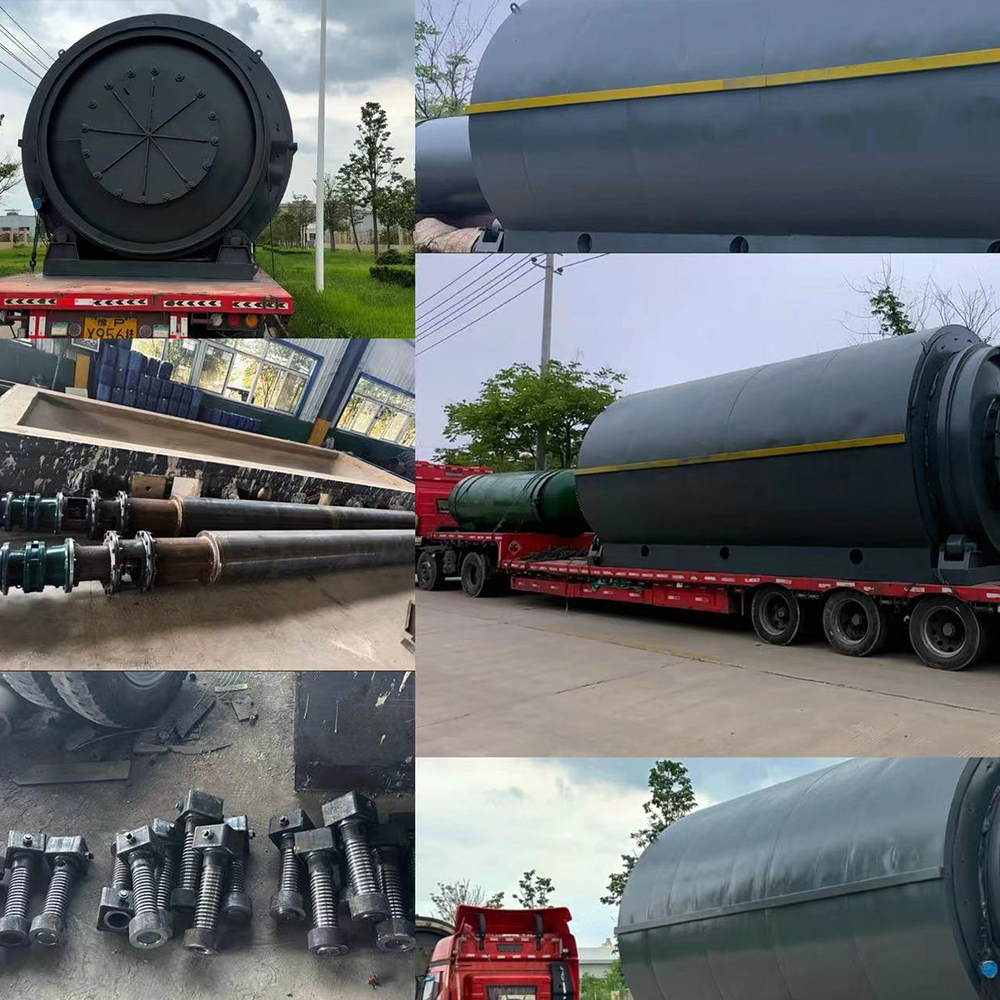
The waste tire and plastic recycling industry has witnessed significant technological advancement with the development of sophisticated thermal processing systems. Understanding the fundamental differences between semi-continuous pyrolysis equipment and scraper-type continuous equipment is crucial for industrial decision-makers seeking optimal waste-to-energy solutions. These two distinct technologies offer unique operational characteristics, processing capabilities, and economic considerations that directly impact production efficiency and environmental outcomes.
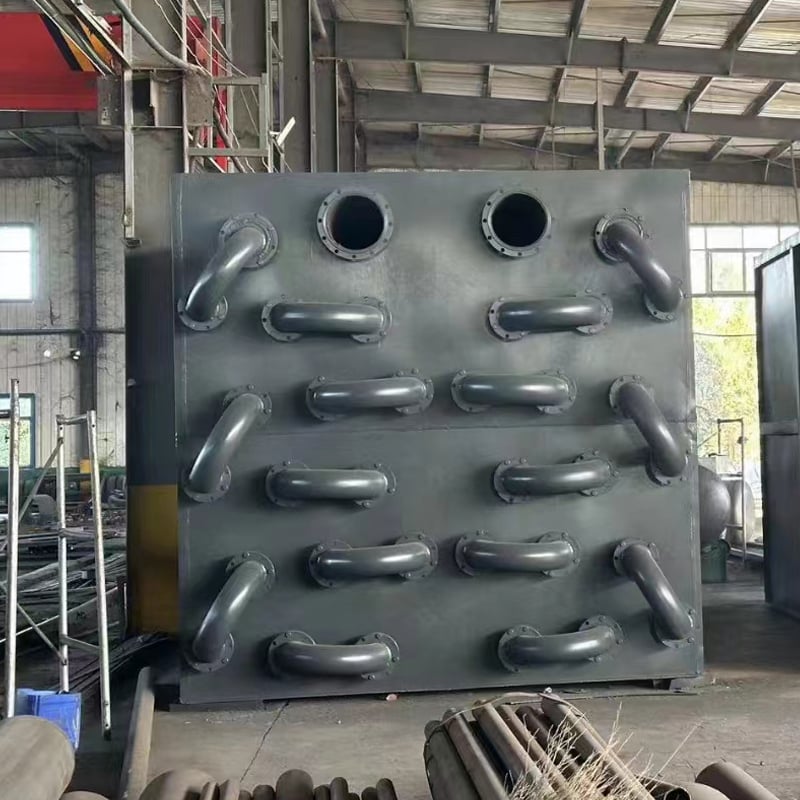
Operational Mechanism Differences
Processing Method Fundamentals
The operational mechanism represents the most significant distinction between these two pyrolysis technologies. Semi-continuous pyrolysis equipment operates through batch-based feeding systems where raw materials are loaded in predetermined quantities and processed through complete thermal decomposition cycles. This methodology allows for precise material control and consistent processing conditions throughout each operational phase.
Scraper-type continuous equipment functions through uninterrupted material flow systems, utilizing mechanical scrapers to continuously move feedstock through heated reaction chambers. The continuous feeding mechanism eliminates downtime between batches and maintains steady-state thermal conditions throughout the entire processing cycle. This fundamental difference in material handling directly influences production capacity and operational efficiency metrics.
Thermal Management Systems
Temperature control mechanisms differ substantially between these technologies. Semi-continuous pyrolysis equipment employs controlled heating cycles that allow for precise temperature ramping and stabilization during each processing phase. The batch-based approach enables operators to adjust thermal parameters based on specific feedstock characteristics and desired product specifications.
Continuous scraper systems maintain constant thermal conditions throughout the reactor chamber, utilizing advanced heat distribution technologies to ensure uniform temperature profiles. The continuous nature of these systems requires sophisticated thermal management protocols to prevent temperature fluctuations that could compromise product quality or system performance.
Production Capacity and Efficiency Metrics
Throughput Performance Analysis
Production capacity represents a critical differentiating factor between these pyrolysis technologies. Semi-continuous pyrolysis equipment typically processes materials in batches ranging from several hundred kilograms to multiple tons per cycle, depending on reactor size and configuration. The batch processing methodology allows for complete material conversion before introducing new feedstock, ensuring consistent product quality standards.
Scraper-type continuous equipment delivers higher overall throughput through uninterrupted material processing, often achieving daily production capacities that exceed semi-continuous systems by significant margins. The continuous operation eliminates cooling and heating cycles required in batch processing, maximizing equipment utilization rates and reducing energy consumption per unit of processed material.
Operational Downtime Considerations
Downtime patterns vary considerably between these technologies, directly impacting overall production efficiency. Semi-continuous systems require scheduled downtime for loading, unloading, and thermal cycling, which can represent substantial portions of operational time. However, this planned downtime allows for thorough system inspection and maintenance activities that can prevent unexpected failures.
Continuous scraper equipment minimizes operational downtime through uninterrupted processing capabilities, though maintenance requirements may necessitate complete system shutdowns for extended periods. The mechanical complexity of scraper systems requires regular maintenance of moving components, potentially resulting in longer maintenance intervals but less frequent interruptions.
Material Handling and Feedstock Compatibility
Feedstock Preparation Requirements
Material preparation requirements differ significantly between these pyrolysis technologies. Semi-continuous pyrolysis equipment typically accommodates various feedstock sizes and compositions within each batch, allowing operators to optimize material mixtures for specific product outcomes. The batch processing approach enables precise material measurement and composition control before thermal processing begins.
Scraper-type continuous systems require consistent feedstock sizing and composition to maintain smooth material flow through the reactor chamber. The continuous feeding mechanism demands uniform material characteristics to prevent blockages or uneven processing that could compromise system performance or product quality.
Product Quality Control Mechanisms
Quality control approaches vary substantially between these processing technologies. Semi-continuous systems enable comprehensive quality monitoring for each batch, allowing operators to adjust processing parameters based on real-time analysis of intermediate products. This batch-based approach facilitates precise product specification control and quality assurance protocols.
Continuous scraper equipment requires sophisticated online monitoring systems to maintain consistent product quality throughout extended production runs. The continuous nature of these systems necessitates automated quality control mechanisms that can detect and correct processing variations without interrupting material flow.
Economic and Investment Considerations
Capital Investment Analysis
Initial capital requirements present significant differences between these pyrolysis technologies. Semi-continuous pyrolysis equipment generally requires lower initial investment due to simpler mechanical systems and reduced automation requirements. The batch processing methodology utilizes fewer moving components and less complex control systems, resulting in reduced equipment costs and installation expenses.
Scraper-type continuous equipment typically demands higher capital investment due to sophisticated mechanical systems, advanced automation requirements, and complex material handling mechanisms. The continuous operation capabilities justify higher initial costs through increased production capacity and improved operational efficiency over extended operating periods.
Operational Cost Structures
Operating cost profiles differ considerably between these technologies, influencing long-term economic viability. Semi-continuous systems often exhibit lower maintenance costs due to reduced mechanical complexity, though energy costs per unit of production may be higher due to thermal cycling requirements. The batch processing approach allows for flexible production scheduling that can optimize energy consumption during favorable utility rate periods.
Continuous scraper equipment typically achieves lower per-unit production costs through higher throughput and improved energy efficiency, though maintenance expenses may be elevated due to mechanical wear on scraper components. The continuous operation capabilities enable consistent production scheduling that can maximize revenue generation and facility utilization rates.
Environmental Impact and Sustainability Factors
Emissions Management Systems
Environmental performance characteristics vary between these pyrolysis technologies, affecting regulatory compliance and sustainability objectives. Semi-continuous pyrolysis equipment enables precise emissions control through batch-based processing that allows for complete combustion of volatile compounds during each cycle. The controlled processing environment facilitates effective treatment of gaseous emissions and minimizes environmental impact.
Scraper-type continuous systems require sophisticated emissions monitoring and treatment systems to manage continuous gas production throughout extended operating periods. The constant generation of pyrolysis gases necessitates robust treatment infrastructure to ensure consistent environmental compliance and minimize atmospheric emissions.
Energy Recovery and Efficiency
Energy recovery mechanisms represent important sustainability considerations for both technologies. Semi-continuous systems can optimize energy recovery during each processing cycle, capturing thermal energy for heating subsequent batches or generating electricity through integrated power generation systems. The batch processing approach enables flexible energy management strategies that can adapt to varying feedstock characteristics.
Continuous scraper equipment typically achieves superior overall energy efficiency through consistent thermal conditions and reduced heat loss during continuous operation. The steady-state processing conditions enable optimal energy recovery systems that can maximize the utilization of generated heat and minimize external energy requirements.
FAQ
Which technology offers better return on investment for small-scale operations
Semi-continuous pyrolysis equipment typically provides better return on investment for small-scale operations due to lower initial capital requirements and greater operational flexibility. The batch processing approach allows operators to adjust production schedules based on feedstock availability and market conditions, while simpler mechanical systems reduce maintenance complexity and costs. Small-scale operators can achieve profitable operations with lower daily throughput requirements compared to continuous systems.
How do maintenance requirements compare between these two technologies
Maintenance requirements differ significantly between semi-continuous and scraper-type continuous equipment. Semi-continuous systems require regular maintenance of heating elements, sealing systems, and control mechanisms, typically during scheduled downtime between batches. Scraper-type continuous equipment demands more frequent maintenance of mechanical components including scrapers, drive systems, and conveyor mechanisms, though overall system complexity may result in longer maintenance intervals with more comprehensive service requirements.
What are the key factors in choosing between these pyrolysis technologies
The selection between semi-continuous and scraper-type continuous pyrolysis equipment depends on several critical factors including available capital investment, desired production capacity, feedstock characteristics, local regulations, and long-term business objectives. Operations requiring high throughput and consistent production schedules may benefit from continuous systems, while facilities with variable feedstock supplies or limited capital may find semi-continuous equipment more suitable for their operational requirements.
How do product quality outcomes compare between these processing methods
Product quality outcomes vary based on the specific processing technology and operational parameters. Semi-continuous systems often achieve more consistent product quality within each batch due to controlled processing conditions and precise parameter management. Continuous scraper equipment can produce uniform products over extended periods but requires sophisticated monitoring systems to maintain quality consistency. Both technologies can achieve high-quality outputs when properly operated and maintained according to manufacturer specifications and industry best practices.

 Hot News