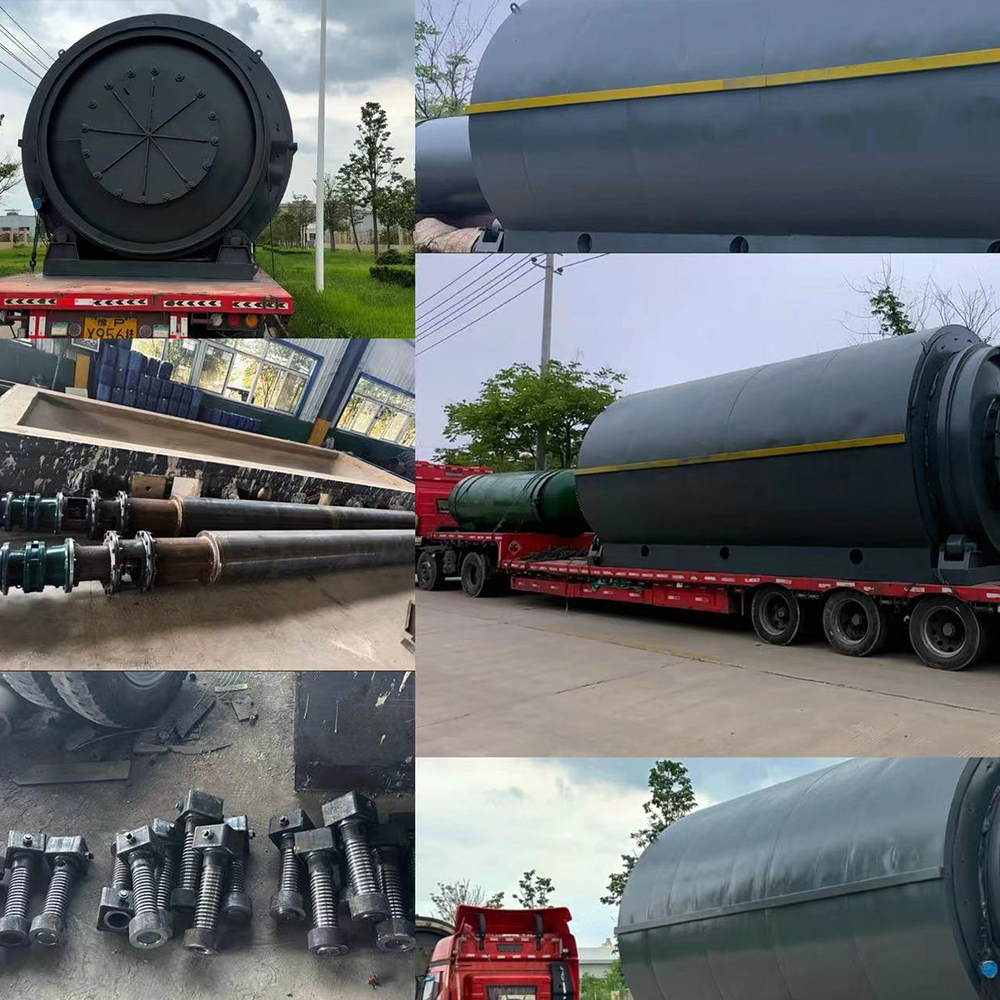
Pyrolysis oil represents one of the most promising pathways for converting waste materials into valuable energy resources. However, raw pyrolysis oil often contains impurities, water content, and various chemical compounds that significantly reduce its market value and practical applications. The transformation of crude pyrolysis oil into high-grade fuel requires sophisticated processing techniques, with distillation equipment serving as the cornerstone technology for achieving superior oil quality and maximizing economic returns.
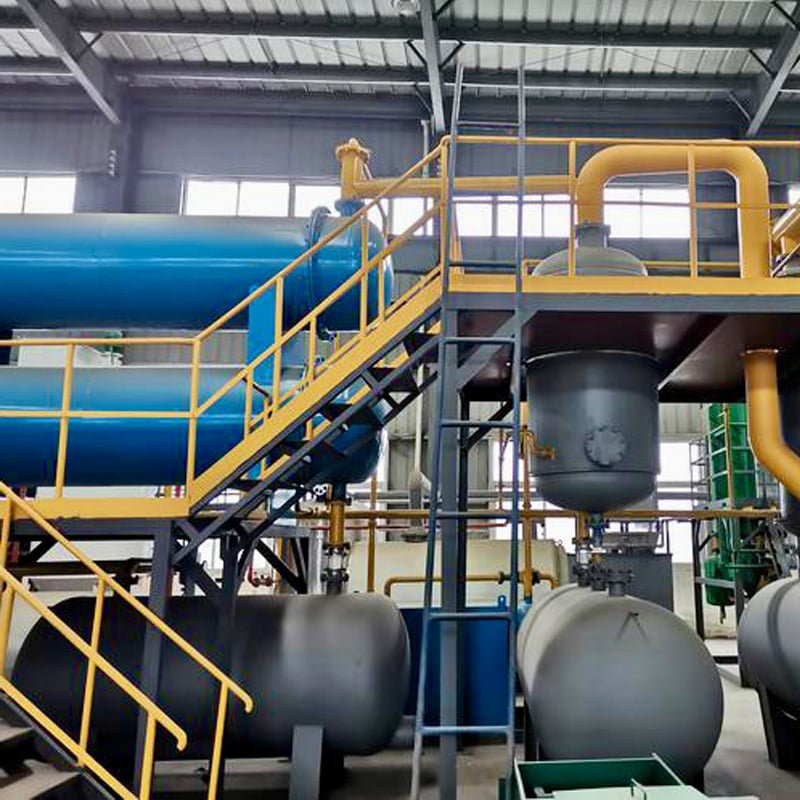
Modern industrial facilities increasingly recognize the potential of upgrading pyrolysis oil through advanced separation processes. The crude oil obtained from pyrolysis typically contains numerous components with different boiling points, molecular structures, and chemical properties. Through systematic distillation processes, operators can separate these components into distinct fractions, each with specific applications and market values. This separation process not only improves the overall quality but also enables the production of specialized petroleum products tailored to specific industrial requirements.
The economic incentives for implementing comprehensive oil upgrading systems continue to drive technological advancement in the field. Raw pyrolysis oil often sells at significantly lower prices compared to refined petroleum products, creating substantial opportunities for value addition through proper processing. Facilities that invest in professional-grade separation systems typically achieve remarkable improvements in product quality, enabling access to premium markets and establishing long-term competitive advantages in the renewable energy sector.
Understanding Pyrolysis Oil Characteristics and Quality Challenges
Chemical Composition and Impurity Analysis
Pyrolysis oil derived from waste materials contains a complex mixture of hydrocarbons, oxygenated compounds, and various contaminants that directly impact its commercial viability. The presence of water, solid particles, sulfur compounds, and heavy metals creates significant challenges for direct utilization as fuel. These impurities not only reduce the calorific value but also cause corrosion in engines and storage systems, limiting the oil's practical applications and market acceptance.
The heterogeneous nature of pyrolysis feedstock results in highly variable oil compositions, making standardized quality control essential for commercial success. Different waste materials produce oils with distinct characteristics, requiring tailored processing approaches to achieve consistent product specifications. Understanding these variations enables operators to optimize their separation processes and develop appropriate treatment protocols for different feedstock types.
Analytical testing reveals that untreated pyrolysis oil typically contains 10-30% water content, along with various organic acids, phenolic compounds, and unsaturated hydrocarbons. These components contribute to instability, high viscosity, and poor storage characteristics that limit the oil's commercial value. Advanced analytical techniques help identify specific contaminants and guide the selection of appropriate upgrading technologies for optimal results.
Quality Standards and Market Requirements
Commercial fuel markets impose strict quality standards that raw pyrolysis oil rarely meets without proper processing. International fuel specifications define acceptable limits for water content, sulfur levels, ash content, and various performance parameters. Meeting these standards requires systematic removal of contaminants and careful fraction separation to produce marketable petroleum products.
The transportation fuel sector demands specific gravity ranges, flash points, and viscosity characteristics that align with existing infrastructure and engine requirements. Achieving these specifications through distillation processes enables pyrolysis oil producers to access higher-value markets and command premium pricing for their products. Quality certification from recognized testing laboratories further enhances market acceptance and customer confidence.
Industrial applications require consistent fuel properties that enable reliable equipment operation and predictable performance outcomes. Distillation equipment specifically designed for pyrolysis oil processing can achieve the precise separation needed to meet these demanding specifications while maintaining cost-effective operation.
Advanced Distillation Technologies for Oil Upgrading
Fractional Distillation Principles
Fractional distillation operates on the fundamental principle of separating liquid mixtures based on different boiling points of individual components. In pyrolysis oil processing, this technique enables the isolation of light, medium, and heavy fractions, each with distinct properties and applications. The process involves controlled heating and vapor-liquid equilibrium management to achieve precise separation while minimizing energy consumption and maximizing product yields.
Modern fractional distillation systems incorporate sophisticated column designs with multiple theoretical plates to achieve high separation efficiency. These systems utilize structured packing materials, tray configurations, and reflux control systems that optimize mass transfer and heat distribution throughout the distillation process. Advanced control systems monitor temperature profiles, pressure variations, and composition changes to maintain optimal operating conditions.
The selection of appropriate distillation parameters significantly influences product quality and process economics. Operating pressure, reflux ratios, feed rates, and temperature gradients must be carefully optimized for each specific pyrolysis oil composition to achieve desired separation objectives while maintaining equipment integrity and operational safety.
Vacuum Distillation Implementation
Vacuum distillation technology offers significant advantages for processing heat-sensitive pyrolysis oil components that may decompose at atmospheric pressure distillation temperatures. By reducing operating pressure, vacuum systems enable lower temperature separation processes that preserve valuable compounds while achieving effective purification. This approach particularly benefits heavy hydrocarbon recovery and prevents thermal cracking of desirable product fractions.
Implementation of vacuum distillation requires specialized equipment including vacuum pumps, condenser systems, and pressure control mechanisms designed to maintain stable operating conditions. These systems must handle varying vapor loads, condensable components, and potential contamination while maintaining consistent vacuum levels throughout the distillation process.
Economic analysis demonstrates that vacuum distillation systems, despite higher capital costs, often provide superior product yields and quality improvements that justify the additional investment. The ability to recover valuable heavy fractions that would otherwise be lost to thermal decomposition creates significant value-addition opportunities for pyrolysis oil processors.
Process Optimization Strategies
Multi-Stage Separation Systems
Multi-stage separation systems represent the pinnacle of pyrolysis oil upgrading technology, combining multiple distillation techniques to achieve comprehensive purification and fraction separation. These integrated systems typically include pre-treatment stages for water and solid removal, followed by atmospheric and vacuum distillation columns designed to produce specific product streams with targeted quality specifications.
The design of multi-stage systems requires careful consideration of heat integration opportunities to minimize energy consumption while maximizing separation effectiveness. Heat exchanger networks, vapor recompression systems, and thermal coupling between distillation columns can significantly reduce operating costs while improving overall process efficiency.
Advanced process control systems enable real-time optimization of multi-stage separation operations, automatically adjusting operating parameters to maintain product quality while responding to feedstock variations. These systems incorporate predictive models, quality analyzers, and feedback control loops that ensure consistent performance and minimize operator intervention requirements.
Quality Monitoring and Control
Continuous quality monitoring throughout the distillation process enables operators to maintain consistent product specifications and identify potential issues before they impact final product quality. Online analyzers measuring density, viscosity, water content, and other critical parameters provide real-time feedback for process optimization and quality assurance.
Laboratory analysis programs complement online monitoring systems by providing detailed compositional analysis and performance testing of final products. Regular testing protocols ensure compliance with fuel specifications and enable continuous improvement of separation processes based on analytical results and customer feedback.
Statistical process control techniques help identify trends and variations in product quality that may indicate equipment maintenance needs or process optimization opportunities. These analytical approaches enable proactive management of distillation systems and help maintain consistent product quality over extended operating periods.
Economic Benefits and Return on Investment
Value-Added Product Development
Professional distillation systems enable the production of multiple value-added products from single pyrolysis oil feedstock, dramatically improving overall project economics. Light fractions can be processed into gasoline-range fuels, middle distillates serve diesel fuel applications, and heavy fractions provide feedstock for industrial heating applications or further chemical processing.
Market analysis indicates that properly refined pyrolysis oil fractions command price premiums of 200-400% compared to crude pyrolysis oil, creating substantial revenue enhancement opportunities. These premium markets typically offer more stable pricing and longer-term contract opportunities that improve overall business sustainability and profitability.
Product diversification through advanced distillation also reduces market risks by enabling access to multiple customer segments and applications. This diversification strategy provides greater flexibility in responding to market changes and customer requirements while maintaining steady revenue streams from various product lines.
Operational Cost Analysis
While distillation systems require significant capital investment and ongoing operational expenses, the economic returns from improved product quality typically justify these costs within reasonable payback periods. Energy costs represent the largest operational expense category, making energy efficiency optimization critical for maintaining competitive economics.
Maintenance costs for properly designed distillation systems remain relatively predictable and manageable when appropriate materials of construction and operating procedures are implemented. Regular maintenance programs help prevent unexpected failures and maintain optimal separation performance throughout the equipment lifecycle.
Labor requirements for modern automated distillation systems are minimal, with most operations managed through centralized control systems that monitor multiple process parameters simultaneously. This automation reduces operational costs while improving safety and consistency compared to manual operation approaches.
FAQ
What types of distillation equipment work best for pyrolysis oil processing
The most effective distillation systems for pyrolysis oil processing typically combine atmospheric and vacuum distillation columns with specialized pre-treatment equipment. Packed columns with structured packing materials generally provide superior separation efficiency compared to tray-type columns due to their lower pressure drop and higher mass transfer rates. Systems should include corrosion-resistant materials such as stainless steel or specialized alloys to handle the acidic components commonly found in pyrolysis oil.
How much improvement in oil quality can be achieved through distillation
Professional distillation systems can typically reduce water content from 15-30% to less than 1%, while simultaneously removing most solid contaminants and separating the oil into distinct fractions with specific gravity ranges suitable for different applications. The resulting products often meet or exceed commercial fuel specifications, enabling access to premium markets and price points that are 300-500% higher than crude pyrolysis oil values.
What are the typical operating costs for pyrolysis oil distillation systems
Operating costs for distillation systems typically range from $15-30 per ton of processed oil, depending on energy prices, system efficiency, and local utility costs. Energy consumption represents 60-80% of total operating expenses, making energy integration and efficiency optimization critical for economic success. Well-designed systems with heat recovery can reduce energy requirements by 30-50% compared to basic distillation configurations.
How long does it take to see return on investment from distillation equipment
Most pyrolysis oil distillation projects achieve payback periods of 2-4 years depending on feedstock costs, product pricing, and system capacity utilization. Projects with access to low-cost feedstock and premium product markets often achieve shorter payback periods, while facilities processing smaller volumes or operating in competitive markets may require longer timeframes to recover initial investments.


 Hot News