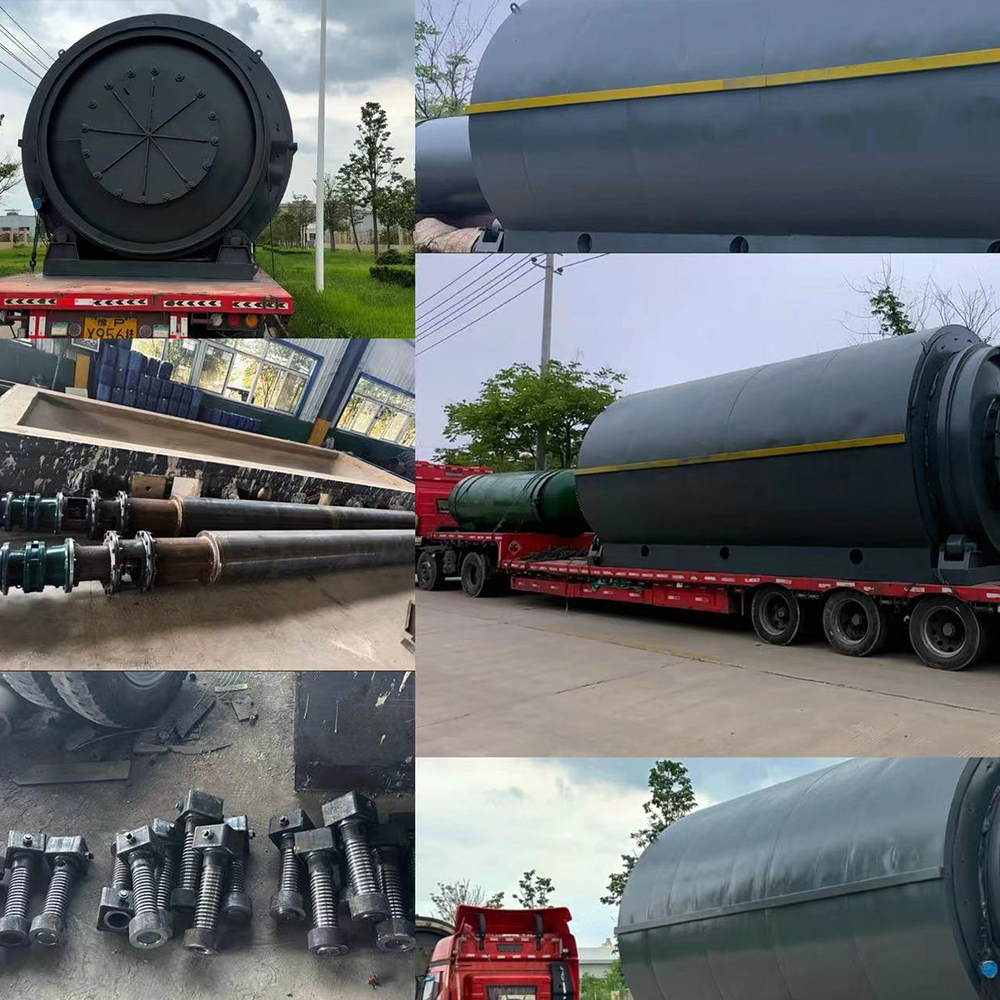
The transformation of waste tires into valuable resources through pyrolysis has emerged as one of the most promising solutions for addressing both environmental concerns and energy needs. This innovative process breaks down discarded rubber tires at high temperatures in an oxygen-free environment, producing tire pyrolysis oil as a primary byproduct along with carbon black and steel wire. The resulting oil presents numerous commercial applications across various industries, making it an increasingly attractive option for businesses seeking sustainable alternatives to traditional petroleum-based products.
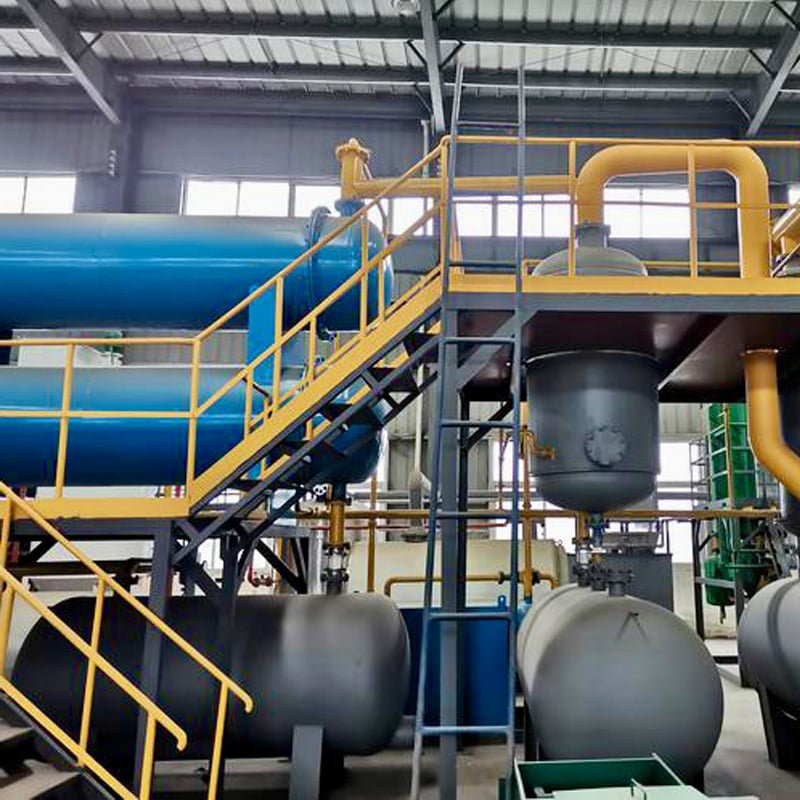
The chemical composition of tire pyrolysis oil makes it particularly versatile for numerous industrial applications. This dark, viscous liquid contains a complex mixture of hydrocarbons, including aromatic compounds, aliphatic chains, and various organic molecules that mirror many characteristics found in conventional petroleum products. The oil typically exhibits a heating value ranging from 10,000 to 11,000 kcal/kg, making it a viable energy source for multiple purposes.
Industrial Fuel Applications
Power Generation and Steam Production
One of the most significant applications for tire pyrolysis oil lies in industrial fuel consumption for power generation facilities. Many manufacturing plants and industrial complexes utilize this oil as a direct substitute for heavy fuel oil in their boilers and furnaces. The combustion characteristics of tire pyrolysis oil make it particularly suitable for generating steam in industrial processes, where consistent heat output is essential for manufacturing operations.
Power plants have increasingly adopted tire pyrolysis oil as a supplementary fuel source, blending it with traditional fuels to reduce overall energy costs while maintaining operational efficiency. The oil's high calorific value ensures adequate energy output, while its availability from local tire recycling operations reduces transportation costs and supply chain dependencies.
Cement Industry Applications
The cement manufacturing industry has discovered significant value in using tire pyrolysis oil as an alternative fuel in their kilns and preheater systems. Cement plants require enormous amounts of energy to reach the high temperatures necessary for clinker production, making them ideal candidates for utilizing this sustainable fuel source. The oil's combustion properties align well with the operational requirements of cement kilns, providing consistent heat while reducing reliance on coal and other fossil fuels.
Many cement manufacturers report cost savings of up to 20-30% when incorporating tire pyrolysis oil into their fuel mix, while simultaneously reducing their carbon footprint and supporting circular economy principles. The oil's sulfur content is generally acceptable for cement production, and its use helps companies meet increasingly stringent environmental regulations.
Transportation Fuel Development
Diesel Fuel Blending and Substitution
Through proper refining and purification processes, tire pyrolysis oil can be processed into diesel-like fuels suitable for various transportation applications. The oil requires distillation and treatment to remove impurities and improve its combustion characteristics, but the resulting product can serve as an effective diesel substitute or blend component. Agricultural machinery, marine vessels, and stationary generators have successfully utilized refined tire pyrolysis oil without significant modifications to their existing systems.
Fleet operators in developing countries have particularly embraced tire pyrolysis oil as a cost-effective alternative to conventional diesel fuel. The economic advantages become especially apparent in regions where diesel prices are high or supply is inconsistent, making locally produced tire-derived fuel an attractive option for transportation companies and logistics providers.
Marine Bunker Fuel Applications
The shipping industry has shown considerable interest in tire pyrolysis oil as a potential bunker fuel alternative, particularly for smaller vessels and coastal shipping operations. The oil's viscosity and energy content make it suitable for marine applications when properly processed and blended with conventional marine fuels. Ship operators appreciate the cost savings and reduced environmental impact compared to traditional heavy fuel oil.
Maritime regulations increasingly favor alternative fuels that reduce sulfur emissions and environmental impact, positioning tire pyrolysis oil as a viable option for meeting these requirements. Several shipping companies have conducted successful trials using blended tire pyrolysis oil in their vessels, reporting satisfactory performance and significant fuel cost reductions.
Chemical Industry Raw Materials
Petrochemical Feedstock Production
The chemical industry has identified tire pyrolysis oil as a valuable feedstock for producing various petrochemical products. The oil contains numerous aromatic compounds and hydrocarbons that can be separated and refined into chemicals used in plastics manufacturing, synthetic rubber production, and other industrial processes. This application represents a higher value-added use compared to direct combustion, maximizing the economic potential of tire-derived oil.
Chemical companies utilize advanced separation techniques to extract specific compounds from tire pyrolysis oil, including benzene, toluene, and xylene, which serve as building blocks for numerous synthetic materials. This approach supports the circular economy by transforming waste tires into valuable chemical inputs, reducing dependence on virgin petroleum-based feedstocks.
Asphalt and Road Construction Materials
The construction industry has discovered innovative applications for tire pyrolysis oil in asphalt modification and road surface treatments. When properly processed and blended, the oil can enhance asphalt properties, improving flexibility, weather resistance, and overall pavement performance. This application is particularly valuable in regions with extreme temperature variations, where enhanced asphalt properties contribute to longer-lasting road surfaces.
Road construction companies report improved workability and performance characteristics when incorporating tire pyrolysis oil into their asphalt mixes. The oil acts as a natural modifier, reducing the need for expensive synthetic additives while providing superior performance in terms of crack resistance and durability.
Heating and Energy Applications
Residential and Commercial Heating Systems
Tire pyrolysis oil serves as an effective heating fuel for both residential and commercial applications, particularly in areas where natural gas infrastructure is limited or expensive. The oil can be used in modified heating systems designed to accommodate alternative fuels, providing reliable heat output for space heating and hot water production. Many rural communities and industrial facilities have adopted tire pyrolysis oil for their heating needs, appreciating both the cost savings and environmental benefits.
The consistent heating value of tire pyrolysis oil makes it suitable for automated heating systems, where reliable fuel performance is essential for maintaining comfortable temperatures. Property managers and facility operators often choose this fuel option for its combination of economic advantages and reduced environmental impact compared to traditional heating oils.
Greenhouse and Agricultural Heating
Agricultural operations, particularly greenhouse facilities, have embraced tire pyrolysis oil as a cost-effective heating solution for maintaining optimal growing conditions. The oil's combustion characteristics make it ideal for agricultural heating systems, where consistent temperatures are crucial for crop production and livestock management. Farmers appreciate the reduced operating costs compared to propane or natural gas heating systems.
Greenhouse operators report significant cost savings when switching to tire pyrolysis oil for heating, with some facilities reducing their energy expenses by 40-50% compared to conventional heating fuels. The environmental benefits align with sustainable agriculture practices, making tire pyrolysis oil an attractive option for environmentally conscious farming operations.
FAQ
What is the typical yield of oil from tire pyrolysis processes
Tire pyrolysis typically yields approximately 40-45% oil by weight from waste tires, depending on the tire composition and pyrolysis conditions. A standard passenger car tire weighing about 20 pounds can produce roughly 8-9 pounds of tire pyrolysis oil, along with carbon black and steel wire as additional byproducts. The exact yield varies based on tire type, rubber composition, and the specific pyrolysis technology employed.
Does tire pyrolysis oil require special storage or handling procedures
Yes, tire pyrolysis oil requires proper storage in sealed containers to prevent contamination and oxidation, similar to other petroleum products. The oil should be stored in clean, dry environments away from extreme temperatures and potential ignition sources. Most facilities use standard fuel storage tanks with appropriate ventilation and safety equipment to ensure safe handling and prevent vapor accumulation.
Can tire pyrolysis oil be used directly in diesel engines without modification
While tire pyrolysis oil shares some characteristics with diesel fuel, it typically requires refining and purification before use in standard diesel engines. The raw oil contains impurities and has different combustion properties that may cause engine problems if used directly. However, with proper distillation and treatment, the refined product can serve as an effective diesel substitute or blend component in many applications.
What environmental benefits does tire pyrolysis oil offer compared to fossil fuels
Tire pyrolysis oil provides significant environmental advantages by diverting waste tires from landfills and reducing reliance on virgin petroleum products. The process helps address tire waste management challenges while producing a useful energy source with lower overall carbon emissions compared to extracting and refining new fossil fuels. Additionally, using tire pyrolysis oil supports circular economy principles by transforming waste materials into valuable resources.


 Hot News