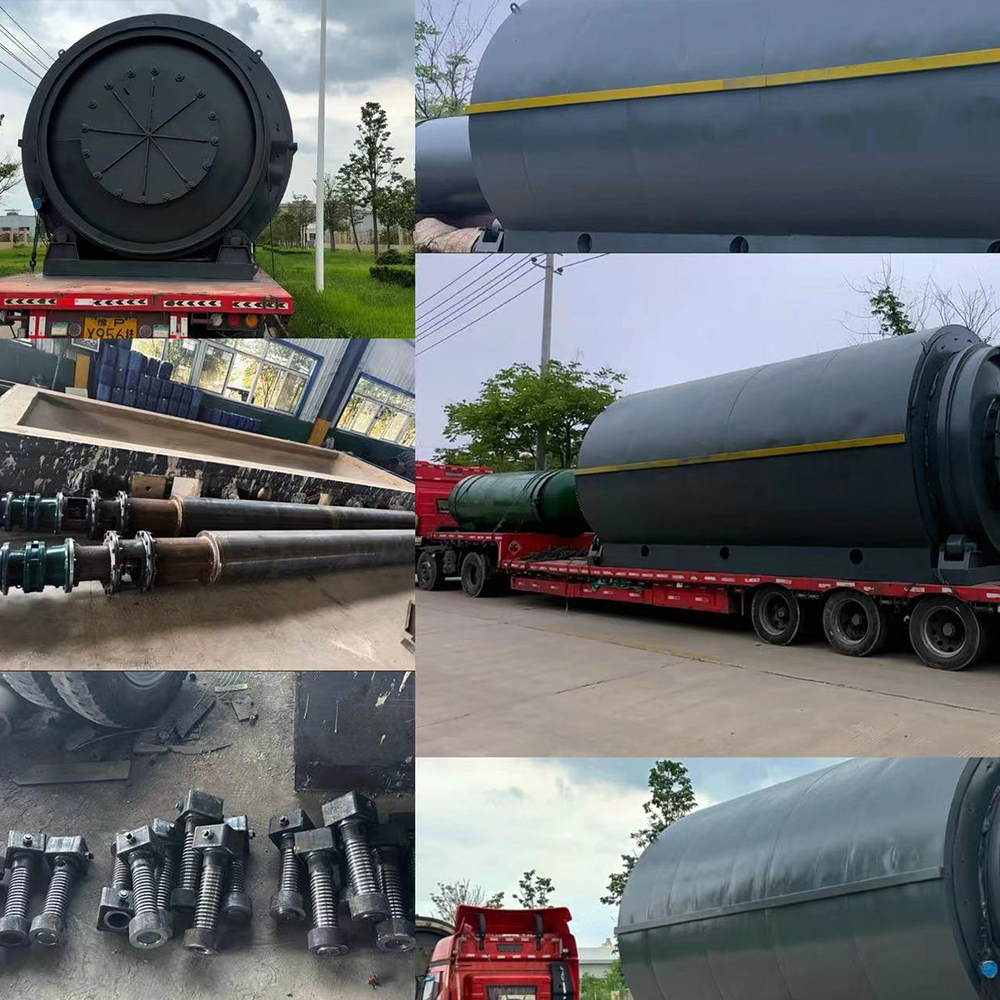
Pyrolysis equipment represents a revolutionary technology for converting various organic waste materials into valuable fuel products through thermal decomposition in oxygen-free environments. This advanced processing method has gained significant traction across industries seeking sustainable waste management solutions while generating renewable energy sources. Understanding the diverse range of raw materials that pyrolysis equipment can effectively process is crucial for businesses evaluating waste-to-energy conversion opportunities and maximizing their operational efficiency.
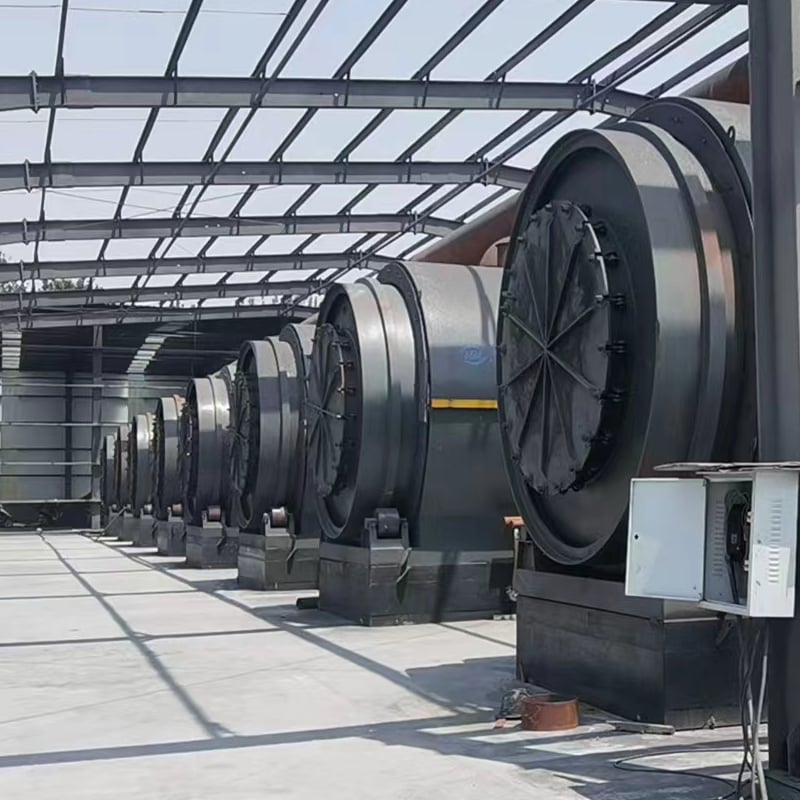
Primary Waste Materials Suitable for Pyrolysis Processing
Tire and Rubber Materials
Waste tires constitute one of the most commonly processed materials in modern pyrolysis facilities. These rubber products contain high carbon content and hydrocarbon chains that decompose effectively under controlled thermal conditions. The pyrolysis equipment can handle various tire sizes, from passenger car tires to heavy-duty truck tires, converting them into fuel oil, carbon black, and steel wire components. The process typically yields approximately 35-45% fuel oil from tire feedstock, making it an economically viable waste management solution.
Beyond traditional automotive tires, pyrolysis systems can process industrial rubber products including conveyor belts, rubber hoses, and various elastomeric materials. These materials often contain synthetic rubber polymers that break down into valuable hydrocarbon compounds during thermal processing. The flexibility of modern pyrolysis equipment allows operators to adjust processing parameters based on specific rubber compositions, ensuring optimal conversion rates and product quality across different rubber waste streams.
Plastic Waste Streams
Plastic materials represent another significant category of feedstock for pyrolysis operations. Polyethylene, polypropylene, and polystyrene plastics demonstrate excellent thermal decomposition characteristics, yielding high-quality fuel oils with heating values comparable to conventional petroleum products. Mixed plastic waste, commonly found in municipal solid waste streams, can be effectively processed through advanced pyrolysis equipment designed to handle heterogeneous feedstock compositions.
The processing of plastic waste through pyrolysis technology addresses critical environmental challenges while creating economic value from previously discarded materials. Different plastic polymer types require specific temperature profiles and residence times to achieve optimal conversion efficiency. Modern pyrolysis systems incorporate sophisticated control mechanisms that automatically adjust processing parameters based on feedstock composition, ensuring consistent product quality and maximizing resource recovery from diverse plastic waste streams.
Organic Waste and Biomass Materials
Agricultural and Forestry Residues
Agricultural biomass materials including crop residues, wood chips, and forestry waste provide excellent feedstock options for pyrolysis processing. These materials contain cellulose, hemicellulose, and lignin components that decompose at relatively low temperatures, producing bio-oil, biochar, and syngas products. Rice husks, wheat straw, corn stalks, and sawdust represent common agricultural residues that can be efficiently converted through specialized pyrolysis equipment designed for biomass processing applications.
The seasonal availability of agricultural residues creates opportunities for pyrolysis facilities to diversify their feedstock portfolio while supporting local farming communities. Processing agricultural waste through pyrolysis technology reduces open-field burning practices, minimizing air pollution while generating renewable energy products. The biochar produced from agricultural residues serves as an excellent soil amendment, creating additional revenue streams for pyrolysis operators while supporting sustainable agricultural practices.
Municipal Solid Waste Components
Selected components of municipal solid waste streams can be effectively processed through pyrolysis technology, particularly organic fractions that contain suitable hydrocarbon content. Paper products, cardboard materials, and textile waste demonstrate good pyrolysis characteristics when properly prepared and sorted. The preprocessing requirements for municipal waste typically include sorting, cleaning, and size reduction to ensure consistent feedstock quality and optimal processing performance.
Food waste and organic kitchen scraps can be processed through specialized pyrolysis equipment designed for high-moisture feedstock materials. These systems incorporate drying capabilities and moisture management features that enable effective processing of wet organic materials. The resulting products include bio-oil suitable for heating applications and biochar that can be utilized for soil improvement or carbon sequestration purposes.
Industrial Waste Materials and Specialized Feedstock
Oil Sludge and Petroleum Waste
Oil sludge from petroleum refining operations and tank cleaning activities represents a valuable feedstock for pyrolysis processing. These materials contain significant hydrocarbon content that can be recovered through thermal processing, converting hazardous waste into useful fuel products. Pyrolysis equipment designed for oil sludge processing incorporates specialized handling systems and emission control technologies to manage the unique characteristics of petroleum waste materials safely and efficiently.
The processing of oil sludge through pyrolysis technology provides environmental benefits by reducing landfill disposal requirements while recovering valuable hydrocarbon resources. Different types of oil sludge require customized processing approaches based on their composition, water content, and contamination levels. Advanced pyrolysis systems can handle various oil sludge types including drilling mud, refinery sludge, and contaminated soil materials, producing clean fuel oil and reducing environmental liability for industrial operators.
Medical and Healthcare Waste
Certain categories of medical waste can be safely processed through specialized pyrolysis equipment designed for hazardous material handling. Plastic medical devices, pharmaceutical packaging, and non-infectious healthcare waste materials can be converted into fuel products while ensuring complete destruction of potentially harmful compounds. The high-temperature processing conditions in pyrolysis systems provide effective sterilization and molecular breakdown of medical waste components.
Processing medical waste through pyrolysis technology offers advantages over traditional incineration methods by producing valuable fuel products while maintaining strict environmental and safety standards. The closed-system design of modern pyrolysis equipment prevents emission of harmful compounds while ensuring complete waste destruction. This application requires specialized licensing and regulatory compliance, but provides healthcare facilities with sustainable waste management solutions that reduce disposal costs and environmental impact.
Processing Considerations and Material Preparation
Feedstock Quality Requirements
Successful pyrolysis processing depends heavily on proper feedstock preparation and quality control measures. Raw materials must be properly sized, cleaned, and sorted to ensure optimal processing performance and product quality. Moisture content typically needs to be controlled below specific levels, usually less than 15%, to maintain efficient thermal processing and prevent operational issues. Contamination from metals, inorganic materials, and incompatible substances must be minimized through effective preprocessing systems.
The physical characteristics of feedstock materials significantly impact processing efficiency and product yields. Particle size distribution affects heat transfer rates and residence time requirements within the pyrolysis reactor. Bulk density influences feeding systems and reactor capacity utilization. Modern pyrolysis equipment incorporates sophisticated feedstock preparation systems that automatically handle sizing, sorting, and quality control functions to ensure consistent processing performance across diverse material types.
Mixed Feedstock Processing Capabilities
Advanced pyrolysis systems can effectively process mixed feedstock combinations, allowing operators to blend different waste materials to optimize processing efficiency and product yields. Combining tire rubber with plastic waste often produces synergistic effects that improve overall conversion rates and product quality. Similarly, blending biomass materials with petroleum-based waste can create balanced feedstock compositions that enhance processing stability and economic performance.
The ability to process mixed feedstock streams provides operational flexibility and economic advantages for pyrolysis facility operators. Seasonal variations in feedstock availability can be managed by maintaining diverse supply sources and adjusting processing parameters to accommodate changing material compositions. This flexibility ensures consistent plant operation and revenue generation throughout the year while maximizing waste diversion from traditional disposal methods.
FAQ
What types of materials cannot be processed through pyrolysis equipment?
Pyrolysis equipment cannot effectively process materials with high inorganic content such as metals, glass, concrete, or ceramics. Materials containing significant amounts of chlorine, sulfur, or heavy metals may create operational challenges and require specialized handling. Highly contaminated materials or those containing hazardous chemicals may need pretreatment or alternative processing methods. Additionally, materials with extremely high moisture content may require extensive drying before pyrolysis processing can be effective.
How does feedstock composition affect pyrolysis product yields and quality?
Feedstock composition directly influences product distribution, with higher hydrocarbon content materials typically producing greater fuel oil yields. Plastic materials generally yield 70-85% liquid fuel, while tire processing produces 35-45% oil along with carbon black and gas products. Biomass materials produce different product ratios with higher char and gas yields compared to synthetic materials. The heating value and chemical composition of feedstock determine the quality and commercial value of resulting fuel products.
What preprocessing steps are required for different raw materials?
Most raw materials require size reduction through shredding or chipping to ensure proper heat transfer and consistent processing. Cleaning steps remove contaminants like metals, dirt, and incompatible materials that could damage equipment or affect product quality. Drying may be necessary for high-moisture materials to achieve optimal processing conditions. Sorting and quality control ensure feedstock meets specifications for safe and efficient pyrolysis processing while maintaining consistent product output quality.
Can pyrolysis equipment process contaminated or mixed waste materials?
Modern pyrolysis systems can handle certain types of contaminated materials, but preprocessing is typically required to remove incompatible contaminants. Mixed waste streams can be processed effectively when properly sorted and prepared, though this may require additional handling equipment and quality control measures. The level of contamination determines whether materials are suitable for direct processing or require pretreatment steps. Advanced systems incorporate contamination detection and removal capabilities to handle diverse waste streams while maintaining operational safety and product quality standards.



 Hot News