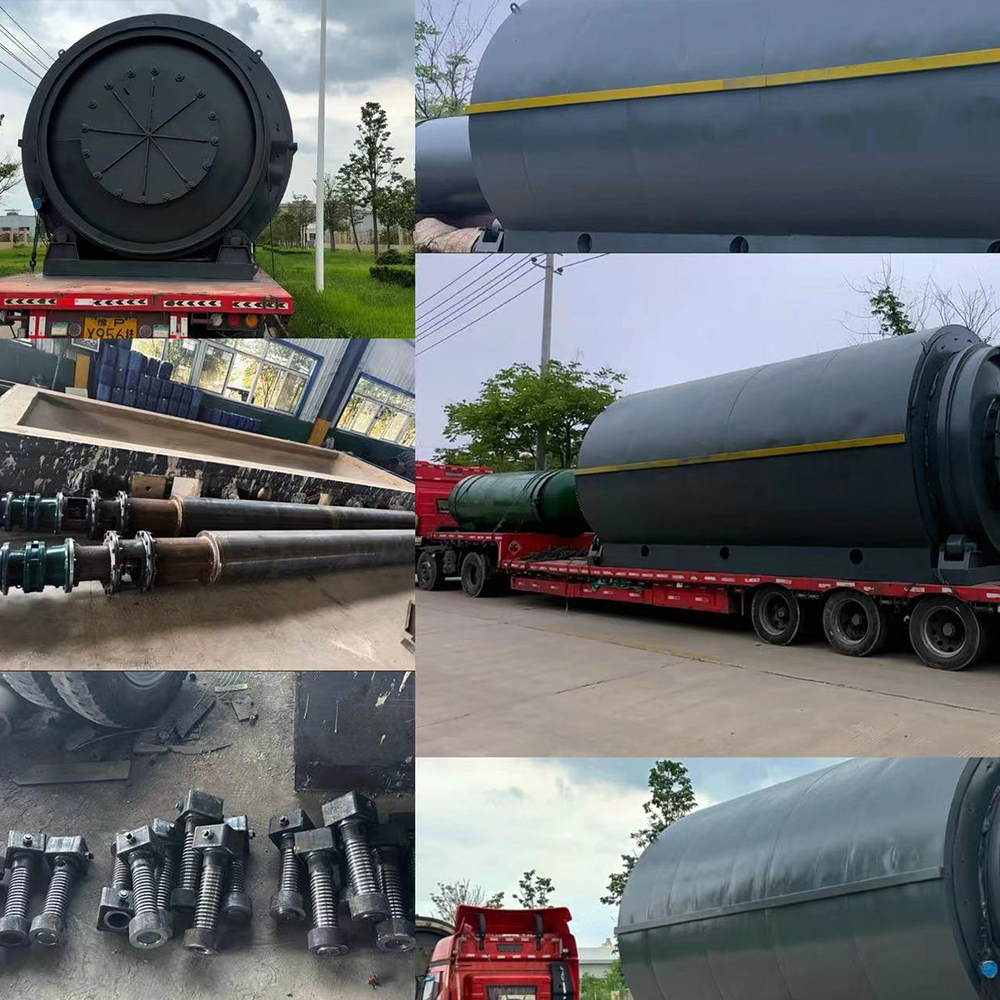
The global tire waste crisis has reached unprecedented levels, with billions of discarded tires accumulating annually across landfills and illegal dumping sites worldwide. As environmental regulations tighten and waste management costs soar, industries are desperately seeking sustainable solutions for large-scale tire disposal. A pyrolysis machine emerges as a revolutionary technology capable of transforming this massive waste stream into valuable resources while addressing environmental concerns. This advanced thermal processing equipment offers the potential to convert waste tires into fuel oil, carbon black, and steel wire, creating a circular economy approach to tire waste management. Understanding how a pyrolysis machine operates and its scalability potential is crucial for businesses, municipalities, and waste management companies considering investment in this transformative technology.
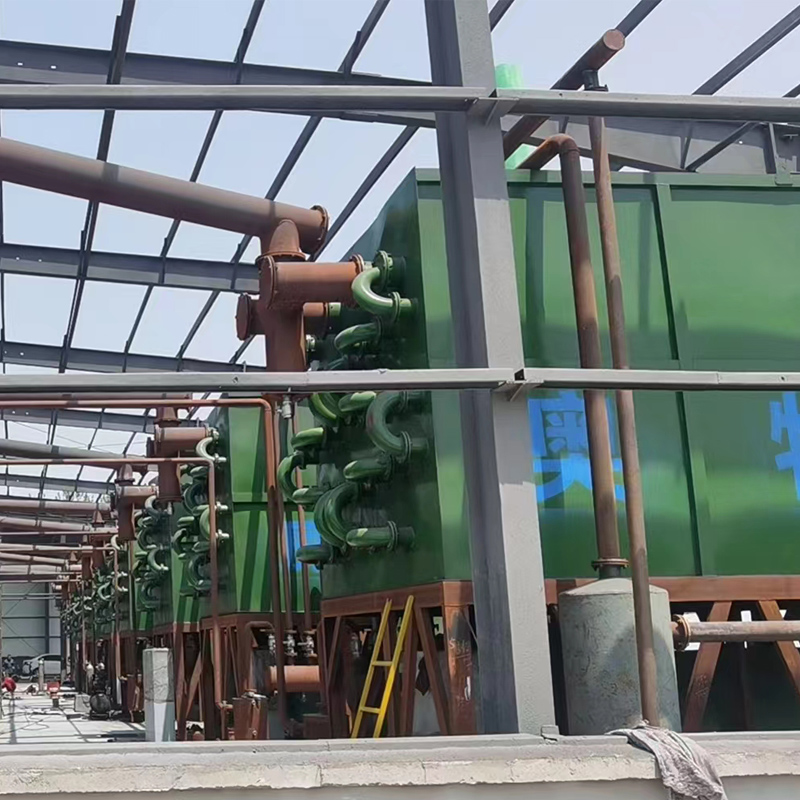
Understanding Pyrolysis Technology for Tire Processing
The Science Behind Thermal Decomposition
Pyrolysis represents a thermochemical decomposition process that occurs in an oxygen-free environment at elevated temperatures ranging from 300 to 900 degrees Celsius. When applied to tire processing, a pyrolysis machine creates controlled conditions where rubber polymers break down into smaller molecular components without combustion. This thermal cracking process transforms the complex hydrocarbon chains within tire rubber into recoverable products including pyrolysis oil, carbon black, and combustible gas. The absence of oxygen prevents burning while enabling molecular restructuring, making pyrolysis an environmentally superior alternative to traditional tire disposal methods such as landfilling or incineration.
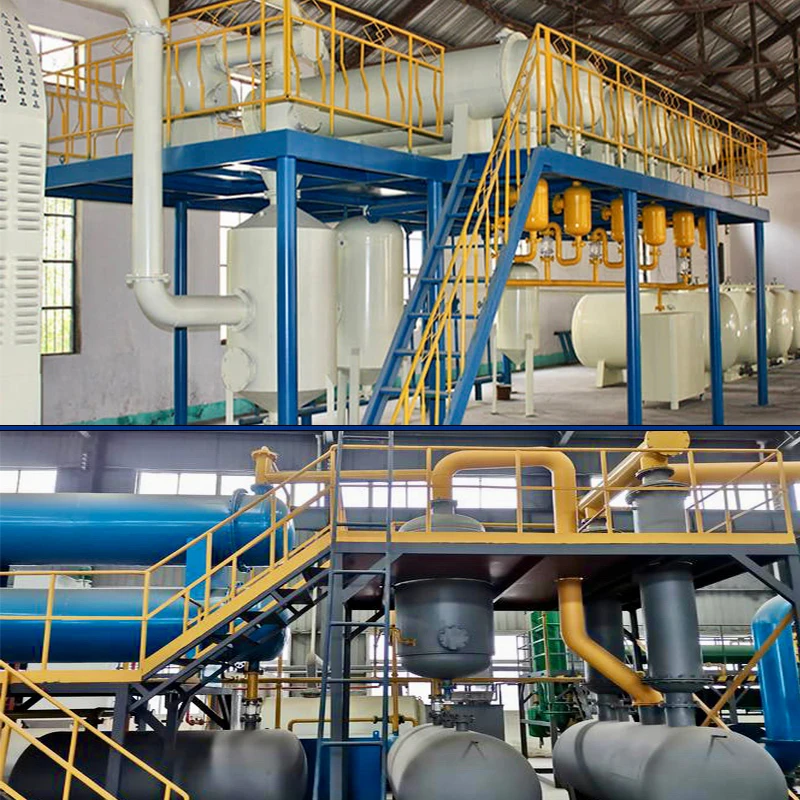
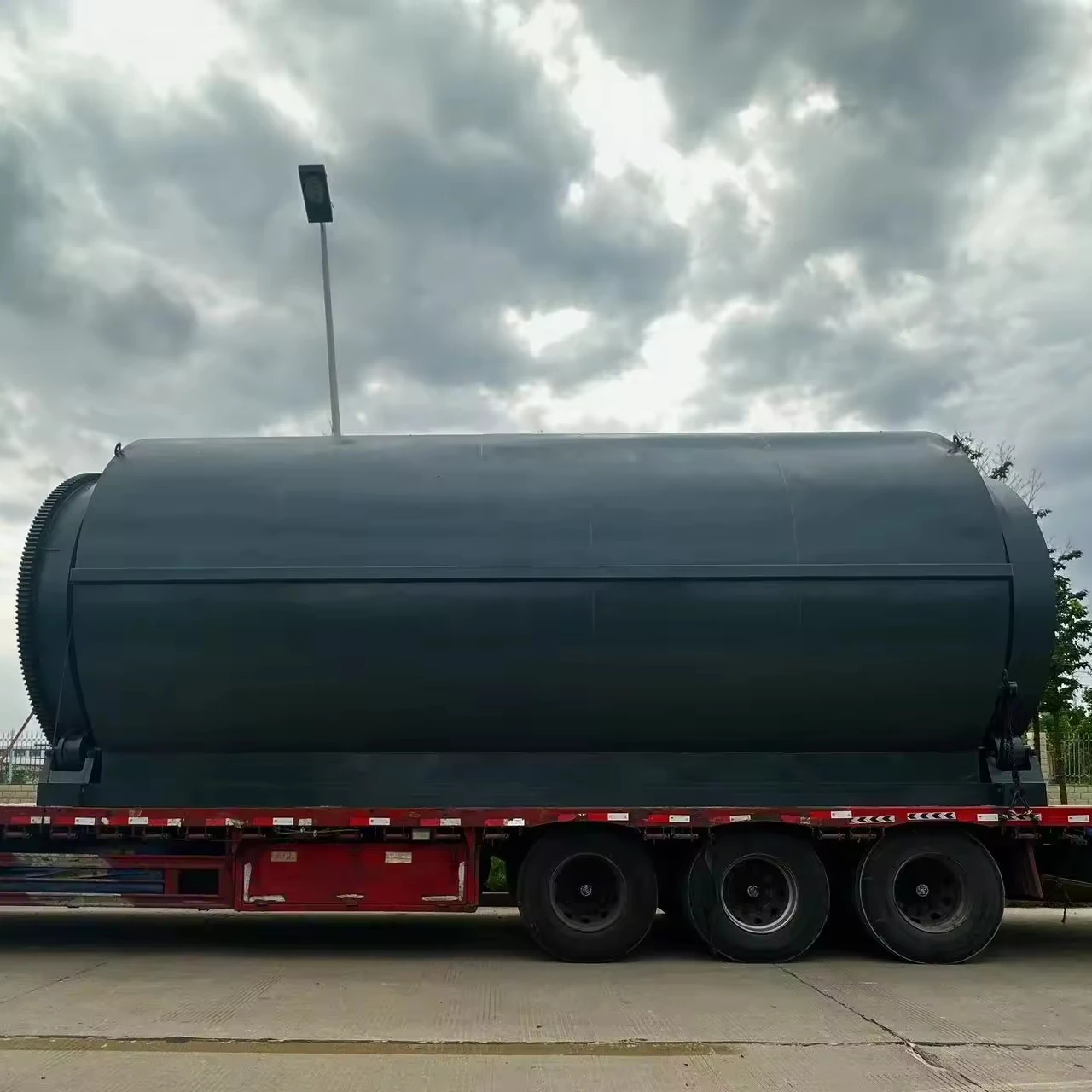
Modern pyrolysis machine designs incorporate sophisticated heating systems, temperature control mechanisms, and condensation units to optimize product yields and quality. The process typically requires 6-12 hours per batch depending on tire quantity and machine specifications. Advanced continuous-feed systems can significantly reduce processing time while increasing throughput capacity. The controlled atmosphere within the reactor vessel ensures consistent product quality while minimizing harmful emissions. Understanding these fundamental principles helps stakeholders evaluate whether a pyrolysis machine aligns with their large-scale tire disposal requirements and sustainability objectives.
Product Recovery and Value Generation
A well-designed pyrolysis machine can recover approximately 35-50% fuel oil, 30-35% carbon black, 12-15% steel wire, and 8-10% combustible gas from processed tire feedstock. The fuel oil produced exhibits heating values comparable to diesel fuel and finds applications in industrial heating, power generation, and as feedstock for petroleum refineries. Carbon black recovery provides a valuable reinforcing agent for rubber manufacturing, plastic production, and paint formulation industries. Steel wire extraction enables direct recycling into metal processing operations, completing the resource recovery cycle.
The economic viability of large-scale tire disposal through pyrolysis depends heavily on local market conditions for these recovered products. Fuel oil typically commands prices ranging from 200-400 USD per ton depending on regional energy markets and oil quality specifications. Carbon black markets vary significantly by application and purity levels, with prices spanning 300-800 USD per ton for different grades. Steel wire recovery adds additional revenue streams while reducing disposal costs. A pyrolysis machine operator must carefully analyze local market conditions to determine optimal product mix and pricing strategies for sustained profitability.
Scaling Pyrolysis Operations for Industrial Applications
Capacity Considerations and Equipment Sizing
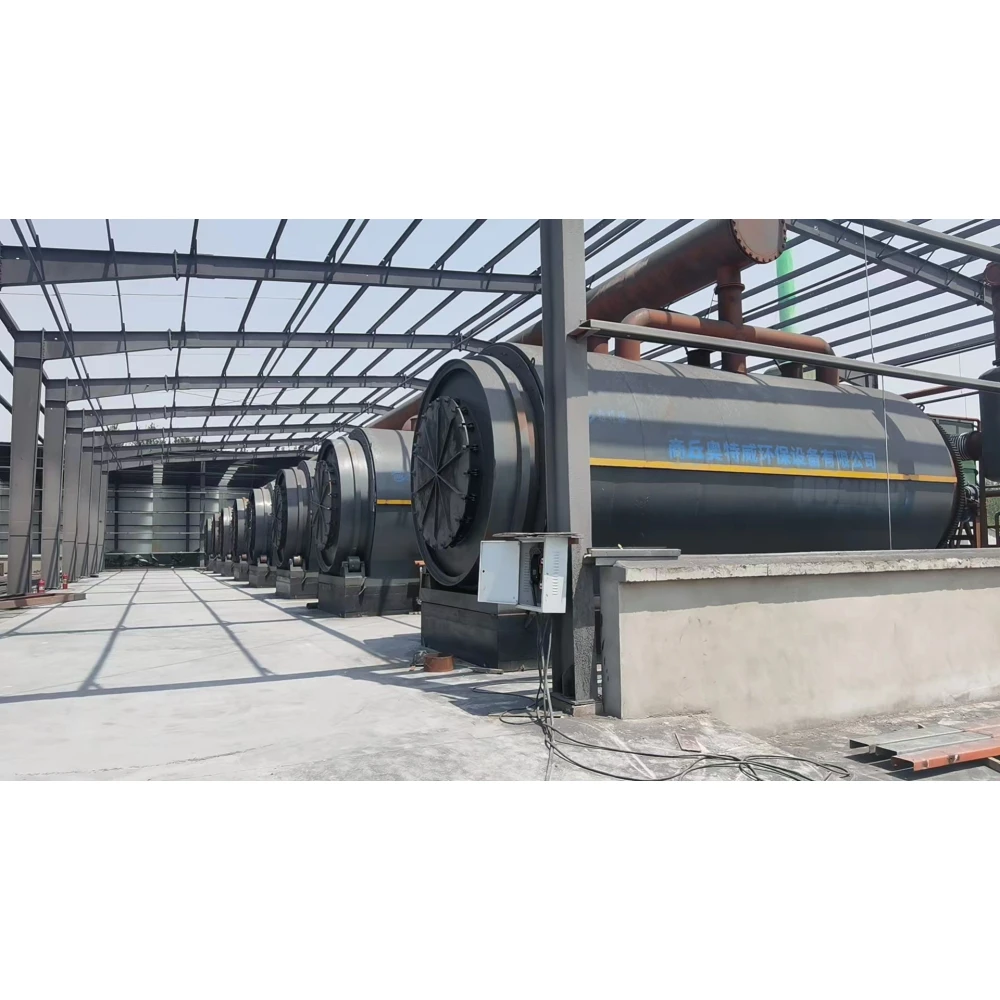
Large-scale tire disposal requires pyrolysis machine systems capable of processing substantial daily throughput volumes while maintaining operational efficiency and product quality standards. Commercial pyrolysis facilities typically feature reactor capacities ranging from 10 to 100 tons per day, with some advanced installations achieving even higher processing rates through parallel reactor configurations. The scalability of a pyrolysis machine depends on factors including reactor design, heating systems, automation levels, and auxiliary equipment integration. Continuous-feed systems offer superior scalability compared to batch processing units, enabling 24-hour operations and reduced labor requirements.
Site selection for large-scale pyrolysis operations must consider feedstock logistics, product storage requirements, utility availability, and regulatory compliance factors. A properly sized pyrolysis machine installation requires adequate space for tire receiving, preprocessing equipment, reactor systems, product refinement units, and finished goods storage. Transportation infrastructure becomes critical for managing large volumes of incoming tire waste and outgoing products. Utilities including electrical power, water supply, and waste treatment capacity must align with operational requirements. Environmental permitting processes often require extensive documentation and compliance monitoring systems.
Automation and Process Control Systems
Modern large-scale pyrolysis machine installations incorporate sophisticated automation systems to optimize performance, ensure safety, and reduce operational costs. Advanced process control systems monitor temperature profiles, pressure conditions, feedstock flow rates, and product quality parameters in real-time. Automated tire feeding mechanisms eliminate manual handling requirements while ensuring consistent processing conditions. Integrated safety systems provide multiple protection layers including emergency shutdown capabilities, fire suppression systems, and environmental monitoring equipment.
Data collection and analysis capabilities enable continuous optimization of pyrolysis machine performance through predictive maintenance programs and process parameter adjustments. Remote monitoring systems allow operators to track performance metrics, identify optimization opportunities, and respond to operational issues promptly. Automated reporting functions support regulatory compliance requirements and facilitate performance benchmarking across multiple installations. These technological advances significantly enhance the viability of large-scale tire disposal operations while reducing dependence on skilled technical personnel.
Environmental Impact and Regulatory Compliance
Emission Control and Air Quality Management
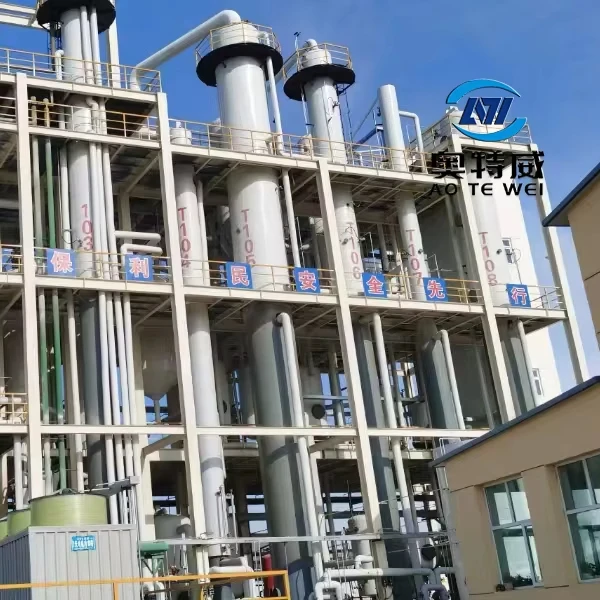
Environmental stewardship represents a critical consideration for large-scale pyrolysis machine operations, particularly regarding air emissions and their potential impact on surrounding communities. Modern pyrolysis systems incorporate comprehensive emission control technologies including gas cleaning systems, thermal oxidizers, and advanced filtration equipment. The controlled pyrolysis process generates significantly lower emissions compared to open burning or uncontrolled tire disposal methods. Proper design and operation of a pyrolysis machine can achieve emission levels well within regulatory standards for industrial operations.
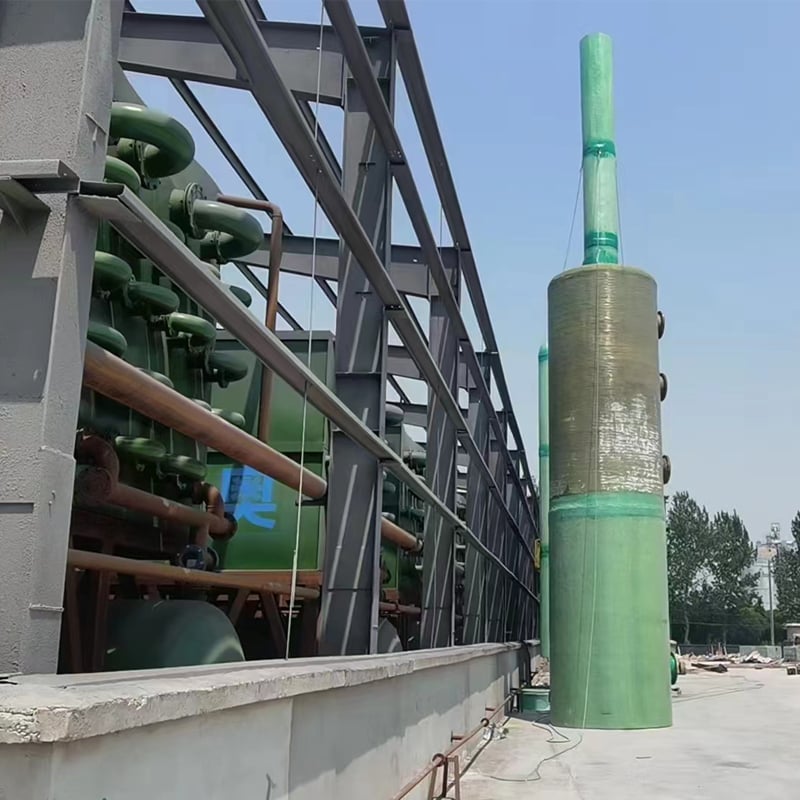
Continuous emissions monitoring systems track key pollutants including particulate matter, volatile organic compounds, and sulfur dioxide throughout the processing cycle. Advanced scrubbing technologies remove acidic gases and particulates before stack discharge. Thermal oxidation systems ensure complete combustion of any residual organic compounds. These environmental protection measures require ongoing maintenance and monitoring to ensure consistent performance and regulatory compliance. Investment in robust emission control systems enhances community acceptance while protecting long-term operational viability.
Waste Reduction and Circular Economy Benefits
Large-scale tire disposal through pyrolysis technology directly supports circular economy principles by converting waste materials into valuable products while reducing landfill dependency. A properly operated pyrolysis machine can divert millions of tires annually from disposal sites, significantly reducing environmental contamination risks and land use requirements. The recovered products replace virgin materials in various industrial applications, reducing resource extraction demands and associated environmental impacts.
Life cycle assessments demonstrate that pyrolysis machine operations typically generate 60-80% lower carbon footprints compared to traditional tire disposal methods when accounting for product substitution benefits. Energy recovery through fuel oil production displaces fossil fuel consumption while carbon black recovery reduces mining and processing requirements for virgin carbon materials. Steel wire recovery eliminates the need for primary metal production, further enhancing environmental benefits. These positive impacts make large-scale tire pyrolysis an attractive option for organizations with sustainability commitments and environmental performance targets.
Economic Feasibility and Investment Considerations
Capital Investment and Infrastructure Requirements
Establishing a large-scale tire disposal facility centered around pyrolysis machine technology requires substantial capital investment across multiple facility components and infrastructure systems. Primary equipment costs including reactors, heating systems, condensation units, and automation controls typically range from 2-8 million USD depending on processing capacity and technological sophistication. Site preparation, utilities installation, environmental control systems, and buildings add significant additional investment requirements. Working capital needs for inventory, operating supplies, and initial marketing efforts must also be considered in financial planning.
Financing options for pyrolysis machine projects include traditional bank financing, equipment leasing, government incentive programs, and private equity investment. Many jurisdictions offer tax incentives, grants, or low-interest financing for waste-to-energy projects and environmental remediation initiatives. The capital-intensive nature of these projects requires careful financial structuring and risk management strategies. Successful project development often involves partnerships between technology providers, financial institutions, and end-user organizations to optimize risk allocation and return expectations.
Operating Costs and Revenue Optimization
Operational economics for large-scale pyrolysis machine facilities depend on multiple variable and fixed cost components including labor, utilities, maintenance, feedstock acquisition, and product marketing expenses. Energy costs represent a significant operational expense, making energy-efficient pyrolysis machine designs crucial for long-term profitability. Skilled technical personnel requirements add labor costs that must be balanced against automation investments. Preventive maintenance programs ensure reliable operation while controlling unscheduled downtime and repair costs.
Revenue optimization strategies focus on maximizing product recovery rates, achieving premium pricing for high-quality products, and developing stable customer relationships for consistent sales volumes. Market development for recovered carbon black and fuel oil requires technical sales support and quality assurance programs. Long-term supply agreements with tire generators can ensure consistent feedstock availability while potentially reducing acquisition costs. Some operators develop value-added processing capabilities to upgrade basic pyrolysis products into higher-value applications, enhancing overall project economics.
FAQ
What processing capacity can a large-scale pyrolysis machine achieve?
Commercial pyrolysis machine installations typically process between 30-100 tons of tires per day, with some advanced continuous systems achieving even higher throughput rates. Processing capacity depends on reactor design, automation level, and operational schedule. Continuous-feed systems generally offer superior capacity utilization compared to batch processing units. Multiple reactor configurations can scale processing capacity to match specific application requirements and available feedstock volumes.
How does a pyrolysis machine compare economically to other tire disposal methods?
Pyrolysis machine operations often prove more economical than traditional disposal methods when considering both disposal costs and product revenue generation. While initial capital investment is substantial, operating costs per ton processed typically fall below landfill tipping fees in many markets. Product revenue from fuel oil, carbon black, and steel wire can generate positive cash flow, making pyrolysis machine operations self-sustaining or profitable. Long-term economics depend heavily on local disposal costs, product markets, and regulatory environments.
What environmental permits are required for large-scale pyrolysis operations?
Large-scale pyrolysis machine facilities typically require air quality permits, waste processing permits, and potentially hazardous materials handling permits depending on local regulations. Environmental impact assessments may be required for significant installations. Continuous emissions monitoring and regular compliance reporting are standard requirements. Permit acquisition timelines often span 6-18 months and require detailed engineering documentation, environmental impact analysis, and community consultation processes.
Can pyrolysis machine technology handle different tire types and sizes?
Modern pyrolysis machine designs accommodate various tire types including passenger car tires, truck tires, off-road equipment tires, and specialty tires with minimal preprocessing requirements. Tire shredding or cutting systems can optimize larger tires for efficient processing. Steel-belted radial tires, bias-ply construction, and run-flat tires all process successfully through properly designed pyrolysis systems. Feedstock preparation systems can handle mixed tire streams, providing operational flexibility for diverse waste sources.


 Hot News