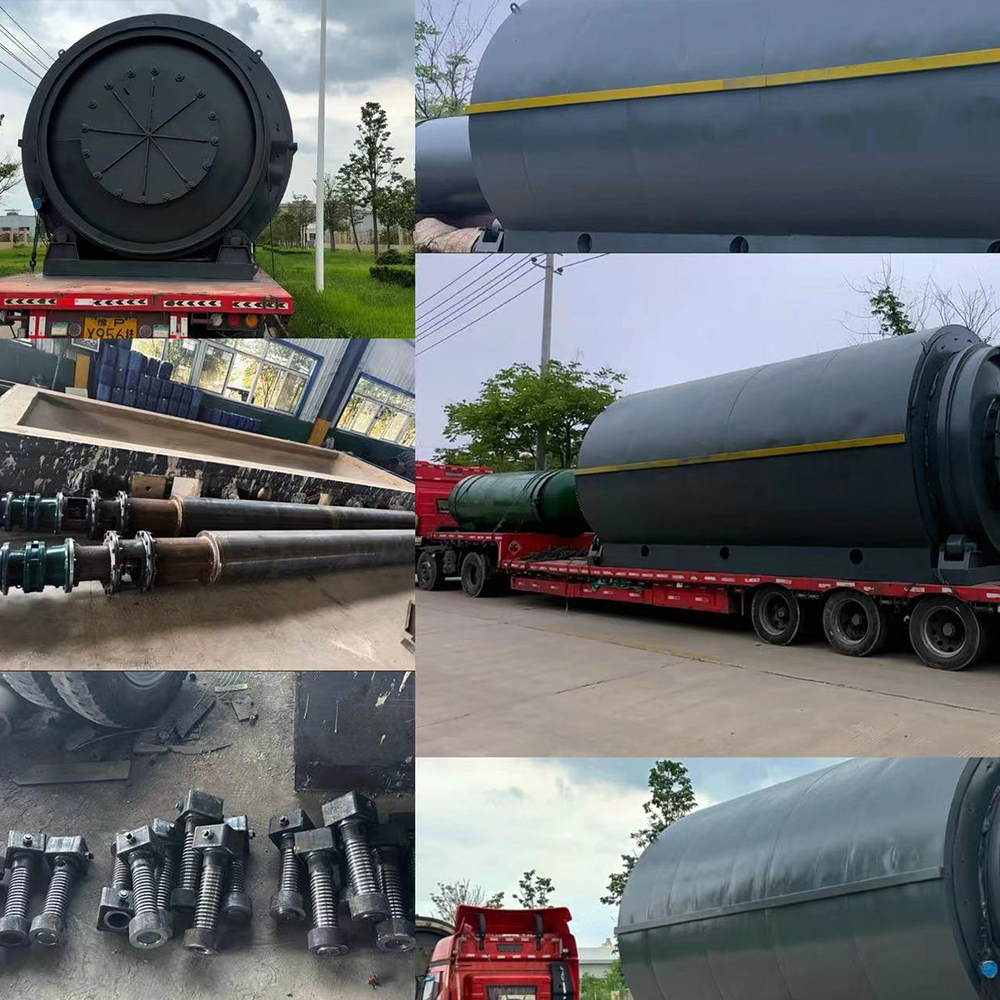
A pyrolysis reactor represents one of the most innovative solutions for converting waste materials into valuable fuel streams through controlled thermal decomposition. This sophisticated technology operates by heating organic waste materials in an oxygen-free environment, breaking down complex molecular structures into simpler compounds that can be refined into usable fuels. The pyrolysis reactor process has gained significant attention in recent years as industries seek sustainable methods to manage waste while generating renewable energy sources.
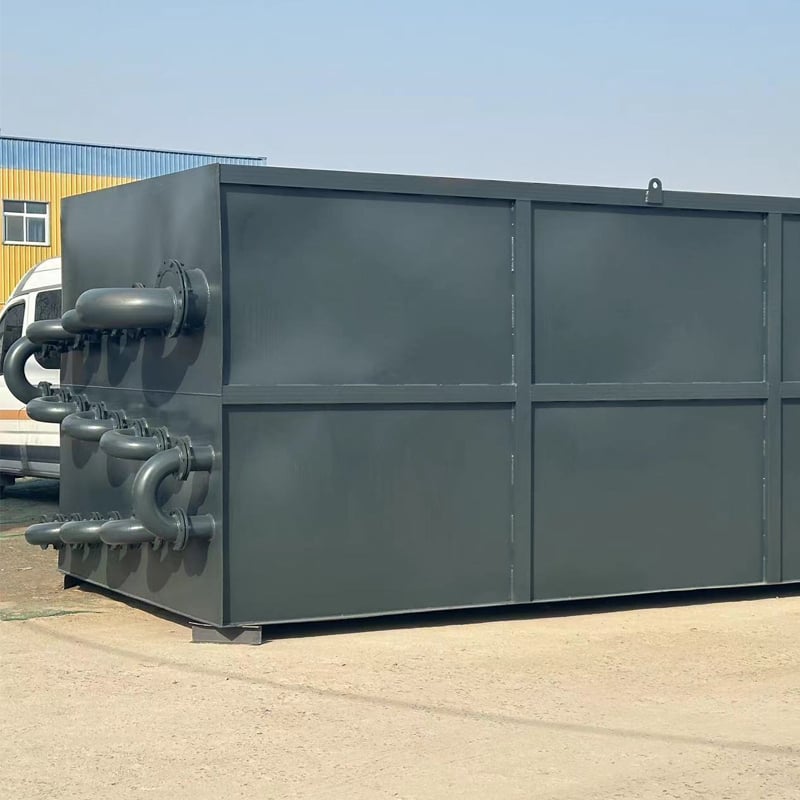
The fundamental principle behind pyrolysis reactor technology involves the application of high temperatures ranging from 400 to 800 degrees Celsius in an anaerobic atmosphere. This controlled environment prevents combustion while facilitating the breakdown of polymers, organic compounds, and other waste materials into their constituent elements. The resulting products typically include synthetic gas, bio-oil, and char, each offering distinct applications in energy production and industrial processes.
Understanding the Pyrolysis Process Mechanisms
Thermal Decomposition Chemistry
The chemical reactions occurring within a pyrolysis reactor involve complex thermal decomposition processes that transform large molecular chains into smaller, more manageable compounds. When waste materials are subjected to elevated temperatures without oxygen, the polymer chains begin to break down through a series of endothermic reactions. This process creates a cascade effect where initial decomposition products further break down into progressively smaller molecules, ultimately yielding the desired fuel components.
The efficiency of thermal decomposition depends heavily on temperature control and residence time within the pyrolysis reactor chamber. Different waste materials require specific temperature profiles to achieve optimal conversion rates. Plastic waste, for instance, typically requires temperatures between 450-550°C, while tire waste may need slightly higher temperatures to break down the rubber compounds effectively. Understanding these material-specific requirements is crucial for maximizing fuel yield and quality.
Heat Transfer and Temperature Control
Effective heat transfer mechanisms are essential for maintaining consistent temperatures throughout the pyrolysis reactor vessel. Modern reactor designs incorporate various heating methods, including external heating elements, fluidized bed systems, and rotary kiln configurations. Each approach offers unique advantages depending on the type and volume of waste being processed. The uniform distribution of heat ensures complete thermal decomposition while preventing hot spots that could lead to unwanted side reactions.
Temperature monitoring and control systems play a critical role in optimizing the pyrolysis reactor performance. Advanced sensors continuously track temperature variations across different zones of the reactor, allowing for real-time adjustments to maintain optimal processing conditions. This precise control enables operators to fine-tune the process parameters for different waste streams, ensuring consistent fuel quality and maximizing conversion efficiency.
Types of Waste Materials Suitable for Pyrolysis
Plastic Waste Processing
Plastic waste represents one of the most promising feedstocks for pyrolysis reactor applications due to its high energy content and widespread availability. Various plastic types, including polyethylene, polypropylene, and polystyrene, can be effectively processed to produce high-quality fuel oil with properties similar to conventional diesel fuel. The pyrolysis reactor breaks down the long polymer chains into shorter hydrocarbon molecules, creating valuable fuel products while addressing the growing plastic waste crisis.
The conversion of plastic waste through pyrolysis reactor technology offers significant environmental benefits compared to traditional disposal methods. Instead of contributing to landfill accumulation or ocean pollution, plastic waste becomes a valuable resource for energy production. The resulting fuel oil can be used directly in industrial boilers, refined further into transportation fuels, or utilized as a feedstock for chemical manufacturing processes.
Tire and Rubber Material Conversion
Waste tire processing through pyrolysis reactor systems has emerged as an effective solution for managing the millions of discarded tires generated annually worldwide. Tire pyrolysis produces multiple valuable products, including fuel oil, carbon black, and steel wire, making it an economically attractive waste management option. The complex composition of tires, containing natural rubber, synthetic rubber, carbon black, and steel reinforcement, requires specialized reactor designs to handle the diverse material properties effectively.
The fuel oil derived from tire pyrolysis exhibits excellent combustion properties and can be used in various applications, from industrial heating to power generation. Additionally, the recovered carbon black can be reprocessed for use in new tire manufacturing or other rubber products, creating a circular economy model. The steel wire recovered during the process maintains its structural integrity and can be recycled through conventional metal processing channels.
Product Streams and Their Applications
Fuel Oil Characteristics and Uses
The primary liquid product from a pyrolysis reactor is fuel oil, which typically constitutes 40-50% of the total output depending on the feedstock composition. This fuel oil possesses similar characteristics to conventional diesel fuel, with a heating value ranging from 38-44 MJ/kg. The chemical composition includes various hydrocarbons in the C8-C20 range, making it suitable for direct combustion or further refining. Industrial facilities often utilize this fuel oil as a cost-effective alternative to traditional fossil fuels for heating and power generation applications.
Quality enhancement of pyrolysis reactor fuel oil can be achieved through various post-processing techniques, including distillation, catalytic upgrading, and chemical treatment. These refinement processes improve fuel stability, reduce sulfur content, and enhance combustion characteristics. Advanced pyrolysis reactor systems incorporate integrated refining capabilities to produce premium-grade fuel oils that meet stringent quality standards for specific industrial applications.
Synthetic Gas Production and Utilization
The gaseous products generated during pyrolysis reactor operation consist primarily of light hydrocarbons, hydrogen, and carbon monoxide. This synthetic gas mixture has significant heating value and can be utilized for various energy applications. Many pyrolysis reactor facilities employ gas recirculation systems where a portion of the produced gas is used to fuel the heating system, reducing external energy requirements and improving overall process efficiency.
Advanced gas cleaning and conditioning systems enable the synthetic gas to be used for electricity generation through gas engines or turbines. The gas can also serve as a feedstock for chemical synthesis processes or be upgraded to higher-value products through catalytic conversion. Some pyrolysis reactor installations incorporate combined heat and power systems that maximize energy recovery from both liquid and gaseous products.
Environmental Benefits and Sustainability Aspects
Waste Reduction and Circular Economy
Pyrolysis reactor technology contributes significantly to waste reduction goals by diverting materials from landfills and incineration facilities. The process transforms problematic waste streams into valuable resources, supporting circular economy principles where waste becomes input for new production cycles. This approach reduces the environmental burden associated with waste disposal while creating economic value from previously worthless materials.
The integration of pyrolysis reactor systems into existing waste management infrastructure provides municipalities and industries with sustainable alternatives to conventional disposal methods. By processing waste locally, transportation costs and associated emissions are minimized. The technology also reduces dependence on virgin raw materials for fuel production, contributing to resource conservation and environmental protection.
Emission Control and Air Quality
Modern pyrolysis reactor designs incorporate sophisticated emission control systems to minimize environmental impact during operation. These systems include gas scrubbers, thermal oxidizers, and activated carbon filters that capture and neutralize potentially harmful compounds before release to the atmosphere. The controlled pyrolysis process generates significantly fewer emissions compared to open burning or uncontrolled waste incineration.
The pyrolysis reactor process operates at lower temperatures than conventional incineration, reducing the formation of dioxins, furans, and other toxic compounds. Advanced monitoring systems continuously track emission levels to ensure compliance with environmental regulations. The enclosed nature of the pyrolysis reactor system prevents fugitive emissions and odor issues commonly associated with waste processing facilities.
Economic Considerations and Market Opportunities
Investment and Operating Costs
The economic viability of pyrolysis reactor projects depends on various factors including feedstock availability, product market prices, and local regulatory conditions. Initial capital investment for pyrolysis reactor systems varies significantly based on capacity, automation level, and processing capabilities. However, the potential revenue streams from multiple product outputs often provide attractive return on investment timelines, particularly in regions with high waste disposal costs or favorable renewable energy incentives.
Operating costs for pyrolysis reactor facilities include energy consumption, maintenance, labor, and raw material handling. Advanced automation systems reduce labor requirements while improving process consistency and safety. Energy costs can be minimized through heat recovery systems and utilization of produced synthetic gas for process heating. Maintenance costs are generally lower compared to mechanical recycling systems due to the absence of complex moving parts in many pyrolysis reactor designs.
Market Demand and Product Pricing
The growing demand for alternative fuels and sustainable waste management solutions creates favorable market conditions for pyrolysis reactor products. Industrial customers increasingly seek reliable supplies of cost-effective fuel alternatives, particularly in regions with high conventional fuel costs. The carbon black recovered from tire pyrolysis commands premium prices due to its unique properties and established market demand from rubber manufacturers.
Government policies promoting renewable energy and waste reduction create additional market opportunities for pyrolysis reactor operators. Carbon credit programs, renewable fuel standards, and waste diversion mandates provide economic incentives that improve project economics. Long-term supply agreements with industrial customers help stabilize revenue streams and support project financing initiatives.
FAQ
What types of waste materials can be processed in a pyrolysis reactor?
A pyrolysis reactor can effectively process various organic waste materials including plastic waste, used tires, biomass, municipal solid waste, and industrial organic waste. The most common feedstocks are plastic and tire waste due to their high energy content and consistent availability. Different waste types may require specific temperature and residence time adjustments to optimize conversion efficiency and product quality.
How much fuel oil can be produced from waste materials using pyrolysis reactor technology?
The fuel oil yield from a pyrolysis reactor typically ranges from 35-50% by weight depending on the feedstock type and process conditions. Plastic waste generally produces higher liquid yields compared to tire waste, which also generates significant amounts of carbon black and steel. Advanced pyrolysis reactor systems with optimized process parameters can achieve yields at the higher end of this range while maintaining product quality standards.
What are the main advantages of pyrolysis reactor technology over traditional waste disposal methods?
Pyrolysis reactor technology offers several key advantages including waste volume reduction, energy recovery, reduced environmental impact, and revenue generation from waste materials. Unlike landfilling or incineration, the pyrolysis reactor process creates valuable products while operating at lower temperatures with better emission control. The technology also provides energy independence and reduces reliance on fossil fuels for industrial applications.
How long does the pyrolysis reactor process take to convert waste into fuel?
The residence time in a pyrolysis reactor typically ranges from 30 minutes to several hours depending on the reactor design, feedstock type, and desired product specifications. Batch pyrolysis reactor systems generally require 6-8 hours for complete processing cycles including heating, reaction, and cooling phases. Continuous pyrolysis reactor systems can process waste materials with shorter residence times while maintaining steady-state operation for higher throughput applications.



 Hot News