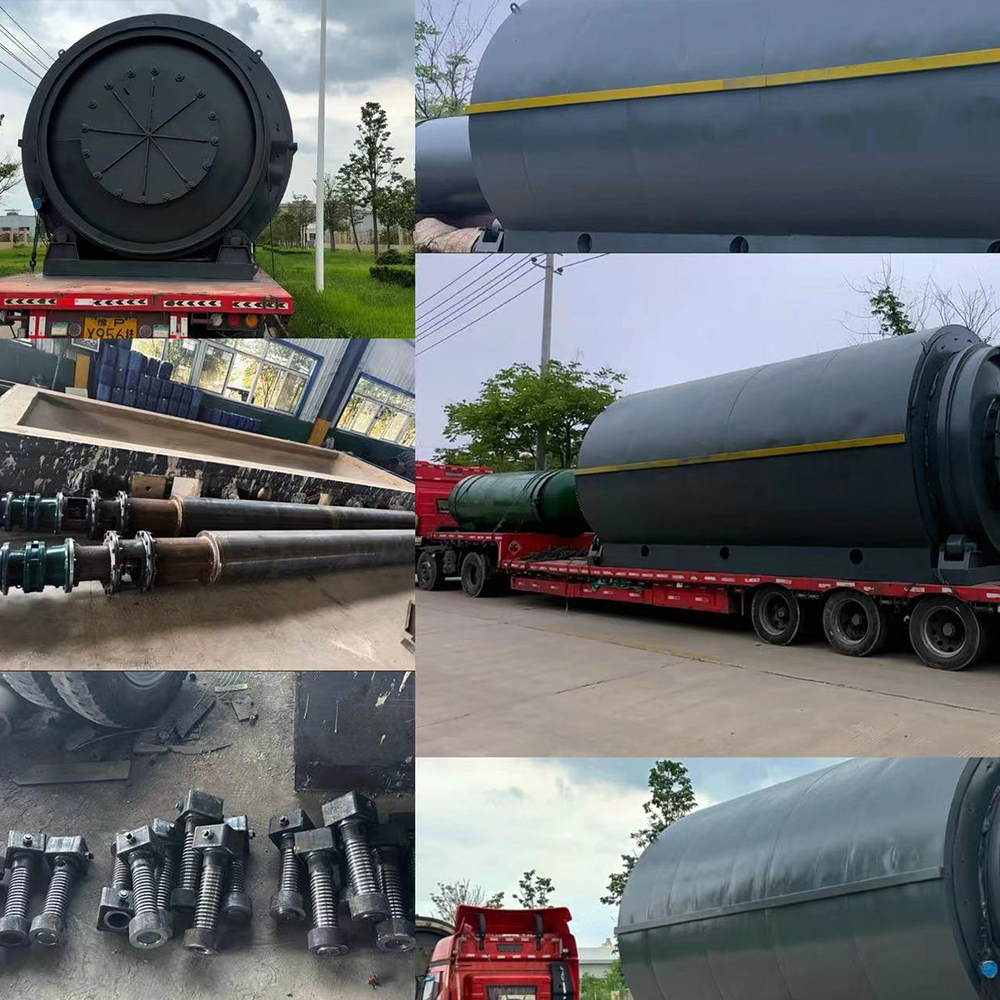
Thermal cracking represents a fundamental chemical process that drives the efficiency and effectiveness of modern pyrolysis reactors across industrial applications. This critical mechanism involves the decomposition of complex organic molecules into simpler compounds through the application of controlled heat in oxygen-free environments. Within contemporary pyrolysis systems, thermal cracking serves as the primary catalyst for converting waste materials, petroleum products, and biomass into valuable resources such as synthetic oils, gases, and carbon-based materials.
The significance of thermal cracking extends beyond basic chemical transformation, encompassing environmental sustainability, resource recovery, and economic efficiency. Modern industrial facilities increasingly rely on sophisticated pyrolysis reactors that maximize thermal cracking potential while minimizing energy consumption and environmental impact. Understanding the intricate role of thermal cracking within these systems provides crucial insights into optimizing operational parameters and achieving superior conversion rates.
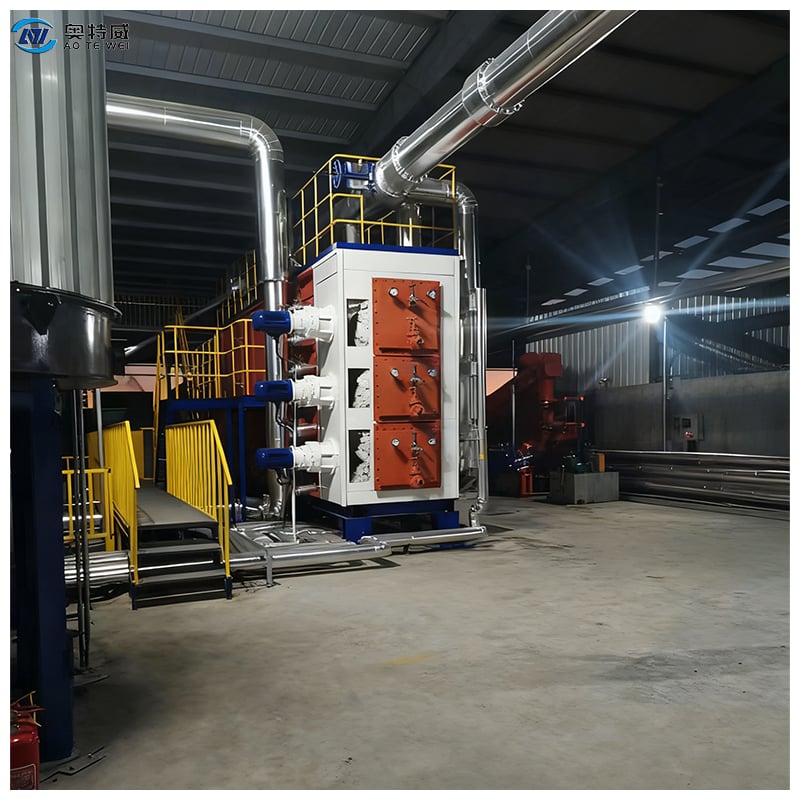
Fundamentals of Thermal Cracking in Pyrolysis Systems
Chemical Mechanisms and Molecular Breakdown
Thermal cracking operates through the systematic breaking of carbon-carbon and carbon-hydrogen bonds within organic molecules when subjected to elevated temperatures typically ranging from 400 to 800 degrees Celsius. This process occurs without the presence of oxygen, creating an anaerobic environment that prevents combustion and allows for controlled decomposition. The energy required for thermal cracking breaks the weakest molecular bonds first, leading to a cascade effect where larger molecules progressively fragment into smaller, more manageable compounds.
Within pyrolysis reactors, thermal cracking initiates when feedstock materials reach their respective decomposition temperatures. Different organic compounds exhibit varying susceptibility to thermal cracking, with polymers, oils, and biomass each requiring specific temperature and residence time parameters. The molecular structure of the feedstock directly influences the thermal cracking pathway, determining the distribution of end products including gases, liquids, and solid residues.
Advanced pyrolysis systems incorporate precise temperature control mechanisms that optimize thermal cracking efficiency. These systems monitor real-time temperature variations across different reactor zones, ensuring uniform heat distribution and consistent molecular breakdown. The controlled application of thermal cracking enables operators to influence product quality and yield while maintaining system stability and operational safety.
Temperature Control and Reaction Kinetics
The kinetics of thermal cracking within pyrolysis reactors depend heavily on maintaining optimal temperature profiles throughout the reaction chamber. Temperature uniformity ensures consistent molecular breakdown rates, preventing localized overheating that could lead to undesirable side reactions or equipment degradation. Modern reactor designs incorporate multiple heating zones that allow for gradual temperature ramping, optimizing the thermal cracking process for maximum efficiency.
Reaction kinetics in thermal cracking follow first-order principles, where the rate of molecular decomposition correlates directly with feedstock concentration and temperature. Higher temperatures accelerate thermal cracking reactions but must be balanced against energy costs and potential thermal stress on reactor components. Sophisticated control systems continuously adjust heating parameters based on feedstock characteristics and desired product specifications.
The residence time of materials within the reactor significantly impacts thermal cracking effectiveness. Extended exposure to optimal temperatures allows for complete molecular breakdown, while insufficient residence time may result in incomplete conversion and reduced product quality. Modern pyrolysis systems incorporate adjustable feed rates and reactor geometries that optimize residence time for various feedstock types.
Industrial Applications and Process Integration
Waste Oil and Sludge Processing
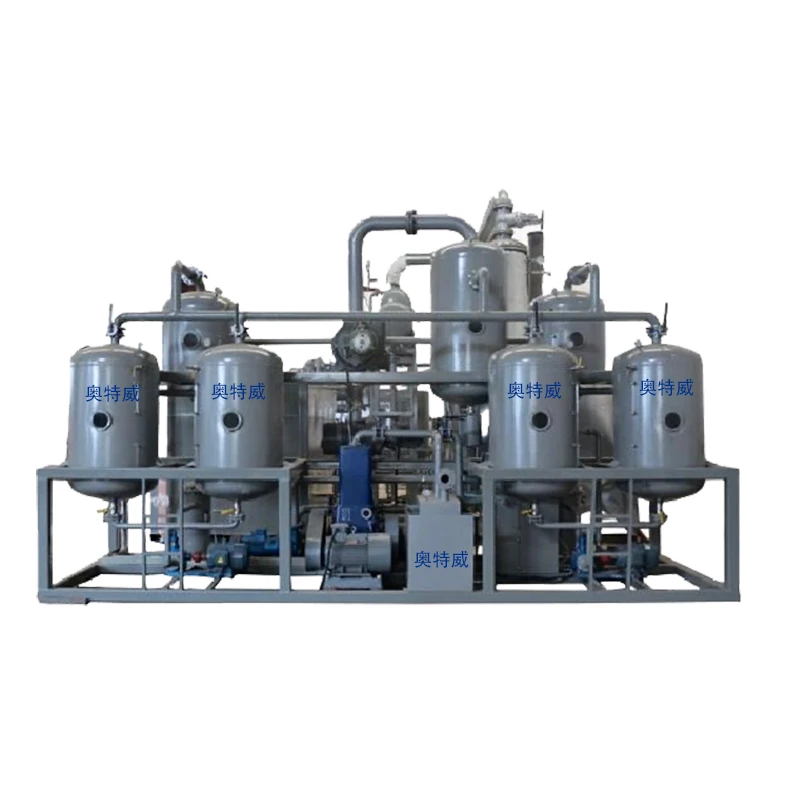
Thermal cracking plays a pivotal role in converting waste oil and sludge materials into valuable petroleum products through advanced pyrolysis processing. Industrial facilities utilize thermal cracking systems to break down complex hydrocarbon chains present in used engine oils, industrial lubricants, and petroleum sludges. This process transforms these waste materials into clean base oils, fuel additives, and specialty chemicals that can be reintegrated into manufacturing processes.
The thermal cracking process for waste oil processing requires careful temperature management to prevent the formation of undesirable compounds while maximizing valuable product recovery. Modern systems incorporate multi-stage heating that gradually increases temperature levels, allowing for selective molecular breakdown that preserves desirable hydrocarbon structures. This controlled approach results in higher-quality end products with improved market value.
Continuous processing capabilities in modern thermal cracking systems enable industrial facilities to handle large volumes of waste materials efficiently. Automated feed systems, temperature monitoring, and product separation technologies work together to create seamless processing workflows that minimize manual intervention while maximizing throughput and product quality.
Polymer and Plastic Waste Conversion
Thermal cracking serves as the cornerstone technology for converting plastic waste and polymer materials into useful chemical feedstocks and fuel products. The process breaks down long polymer chains into shorter hydrocarbon molecules that can be refined into various petroleum products or chemical intermediates. Different plastic types require specific thermal cracking conditions, with polyethylene, polypropylene, and polystyrene each exhibiting unique decomposition characteristics.
Advanced pyrolysis reactors designed for plastic waste processing incorporate specialized heating systems that accommodate the varying thermal requirements of different polymer types. These systems can process mixed plastic waste streams by utilizing temperature profiles that optimize thermal cracking for the most prevalent polymer components while ensuring complete breakdown of all materials present.
The environmental benefits of thermal cracking in plastic waste processing extend beyond simple waste reduction. By converting plastic waste into valuable products, thermal cracking supports circular economy principles while reducing dependence on virgin petroleum resources. Modern facilities achieve conversion efficiencies exceeding 85%, demonstrating the effectiveness of optimized thermal cracking processes.
Equipment Design and Operational Considerations
Reactor Configuration and Heat Transfer
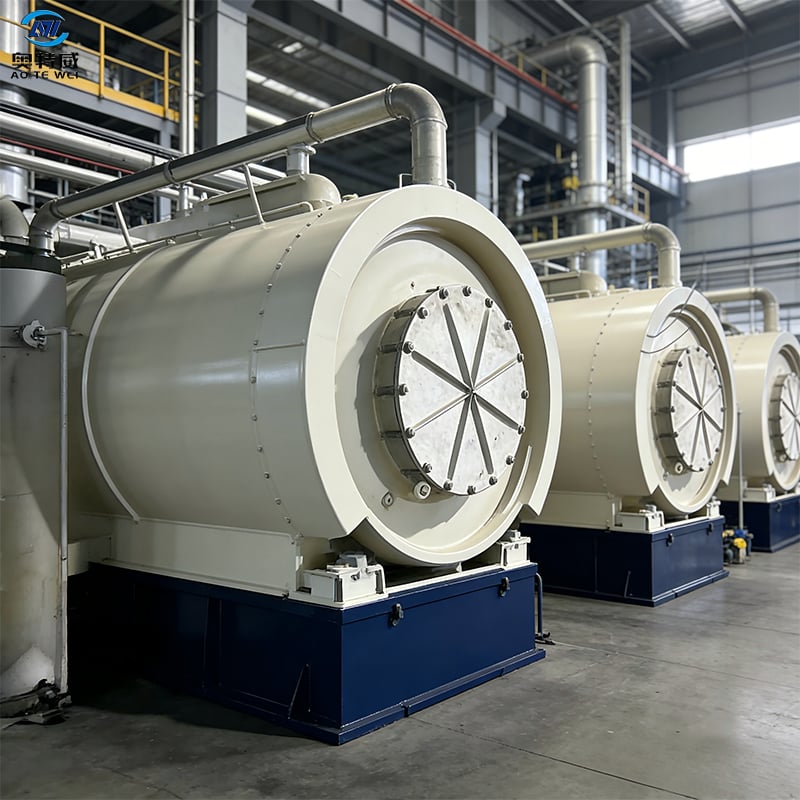
Modern pyrolysis reactor designs optimize thermal cracking performance through innovative heat transfer mechanisms and reactor geometries. Rotating kiln reactors provide excellent mixing and heat distribution, ensuring uniform thermal cracking throughout the feedstock material. Fixed bed reactors offer precise temperature control and extended residence times, making them suitable for materials requiring gradual thermal cracking processes.
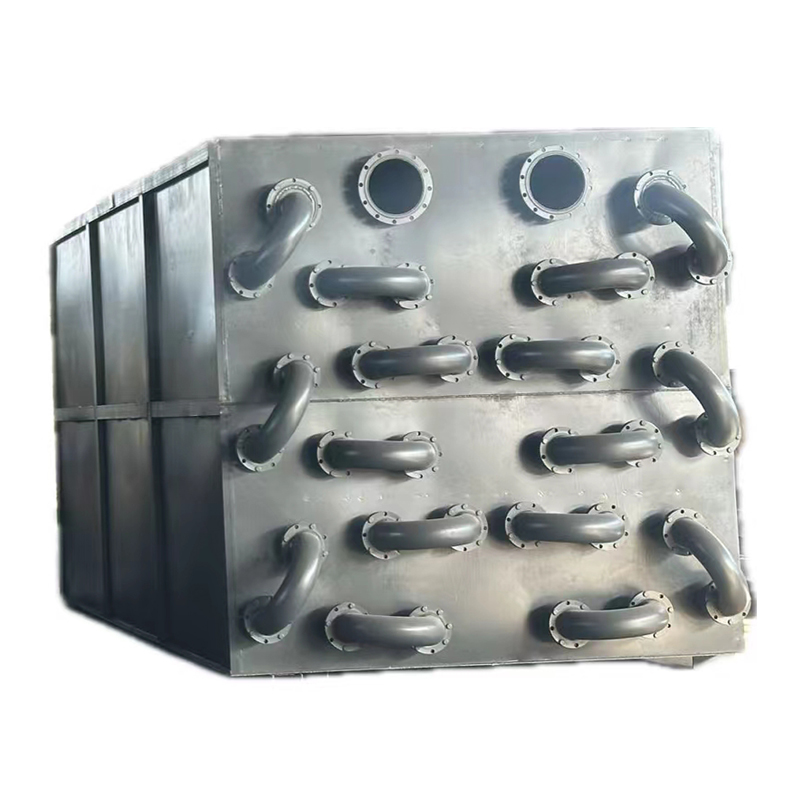
Heat transfer efficiency directly impacts thermal cracking effectiveness and overall system economics. Advanced reactor designs incorporate internal heat exchangers, external heating jackets, and innovative heating element configurations that maximize heat transfer while minimizing energy consumption. Some systems utilize waste heat recovery to preheat incoming feedstock, improving overall thermal efficiency.
Reactor materials and construction must withstand the high temperatures and corrosive environments associated with thermal cracking operations. Specialized steel alloys and refractory linings protect reactor walls from thermal stress and chemical attack, ensuring long-term operational reliability. Regular maintenance and inspection protocols help identify potential issues before they impact thermal cracking performance.
Process Control and Automation Systems
Sophisticated process control systems monitor and optimize thermal cracking operations in real-time, adjusting parameters based on feedstock characteristics and product requirements. Temperature sensors, pressure monitors, and gas analyzers provide continuous feedback that enables automated control systems to maintain optimal thermal cracking conditions. These systems can detect variations in feedstock composition and automatically adjust heating profiles accordingly.
Advanced automation reduces operator workload while improving thermal cracking consistency and product quality. Programmable logic controllers integrate multiple system components, coordinating feed rates, temperature profiles, and product separation processes. Remote monitoring capabilities allow operators to oversee thermal cracking operations from centralized control rooms, improving safety and operational efficiency.
Data logging and analysis systems capture operational parameters that help optimize thermal cracking performance over time. Historical data analysis reveals trends and patterns that can inform process improvements and predictive maintenance schedules. Machine learning algorithms increasingly support decision-making by identifying optimal operating conditions for specific feedstock types and product requirements.
Environmental Impact and Sustainability Benefits
Emission Control and Environmental Compliance
Thermal cracking systems incorporate comprehensive emission control technologies that minimize environmental impact while maintaining high processing efficiency. Modern installations feature advanced gas cleaning systems that remove particulates, acid gases, and organic compounds from process emissions. Thermal oxidizers ensure complete destruction of any volatile organic compounds generated during thermal cracking operations.
Regulatory compliance drives continuous improvements in thermal cracking system design and operation. Environmental monitoring systems track emissions in real-time, ensuring operations remain within permitted limits while optimizing thermal cracking performance. Regular compliance audits and environmental impact assessments help facilities maintain operating permits while demonstrating commitment to environmental stewardship.
The closed-loop nature of modern thermal cracking systems minimizes waste generation and maximizes resource recovery. Product separation technologies ensure valuable materials are captured and processed, while any remaining residues are typically suitable for beneficial reuse applications. This comprehensive approach reduces overall environmental footprint while maximizing economic returns.
Resource Recovery and Circular Economy Integration
Thermal cracking enables the recovery of valuable resources from waste materials that would otherwise require disposal in landfills or incineration facilities. This resource recovery aspect supports circular economy principles by converting waste streams into useful products that can re-enter manufacturing processes. The economic value of recovered materials often offsets thermal cracking operational costs, creating sustainable business models.
Integration with existing industrial processes enhances the sustainability benefits of thermal cracking systems. Recovered oils can supplement virgin petroleum products in manufacturing applications, while process gases can provide heating or power generation. Carbon-rich solid residues often find applications in construction materials or agricultural soil amendments, completing the resource recovery cycle.
Life cycle assessments demonstrate the environmental advantages of thermal cracking compared to traditional waste management approaches. Reduced greenhouse gas emissions, decreased landfill requirements, and conservation of virgin resources contribute to overall environmental benefits. These sustainability advantages increasingly drive adoption of thermal cracking technologies across various industrial sectors.
FAQ
What temperature range is optimal for thermal cracking in pyrolysis reactors?
Optimal thermal cracking temperatures typically range from 400 to 800 degrees Celsius, depending on the feedstock material and desired end products. Waste oils and petroleum sludges generally require temperatures between 450-550°C for effective thermal cracking, while plastic and polymer materials may need higher temperatures ranging from 600-800°C. The specific temperature profile must be carefully controlled to maximize product yield while preventing unwanted side reactions that could reduce product quality or damage equipment.
How does residence time affect thermal cracking efficiency?
Residence time significantly impacts thermal cracking efficiency by determining the extent of molecular breakdown within the reactor. Shorter residence times may result in incomplete thermal cracking and lower conversion rates, while excessive residence times can lead to over-cracking and formation of undesirable compounds. Most industrial thermal cracking systems optimize residence times between 15-60 minutes, depending on feedstock characteristics and reactor design. Advanced systems incorporate adjustable feed rates and reactor configurations to optimize residence time for specific applications.
What are the main products obtained from thermal cracking processes?
Thermal cracking typically produces three main product categories: liquid oils, gaseous compounds, and solid residues. Liquid products often represent 60-80% of the output and include synthetic oils, fuel additives, and chemical feedstocks suitable for further refining. Gaseous products typically comprise 10-20% of output and include hydrogen, methane, and other hydrocarbons that can be used for heating or power generation. Solid residues, usually 10-30% of output, consist primarily of carbon-rich materials suitable for various industrial applications.
How do modern thermal cracking systems ensure consistent product quality?
Modern thermal cracking systems maintain consistent product quality through advanced process control technologies, real-time monitoring systems, and automated parameter adjustment capabilities. Temperature sensors throughout the reactor provide continuous feedback that enables precise control of thermal cracking conditions. Automated feed systems ensure consistent feedstock quality and flow rates, while product separation technologies maintain specified quality standards. Regular calibration of monitoring equipment and implementation of quality control protocols further ensure consistent thermal cracking performance and product specifications.


 Hot News