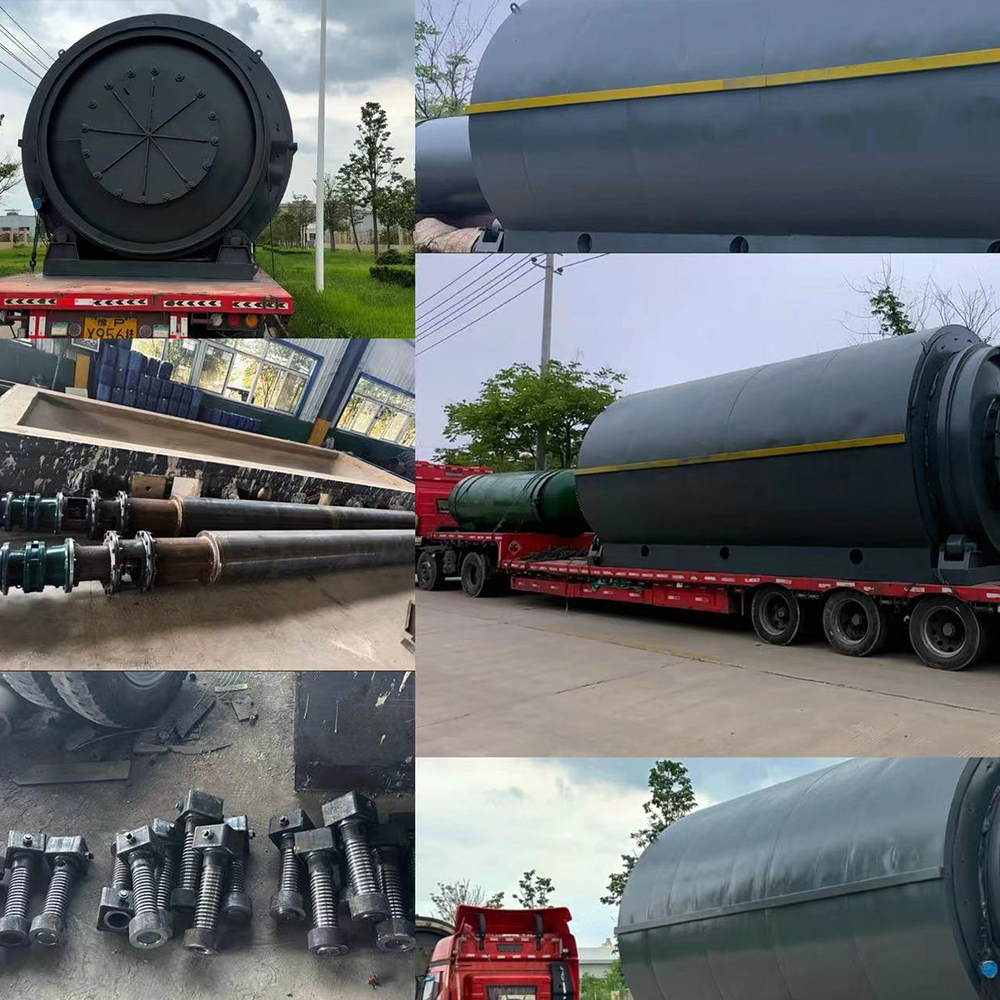
Industrial businesses generate substantial volumes of waste oil through their daily operations, creating both environmental concerns and disposal costs. Modern oil recycling equipment transforms this challenge into an opportunity by enabling companies to reclaim valuable resources from used lubricants, hydraulic fluids, and other industrial oils that would otherwise require expensive waste management solutions.
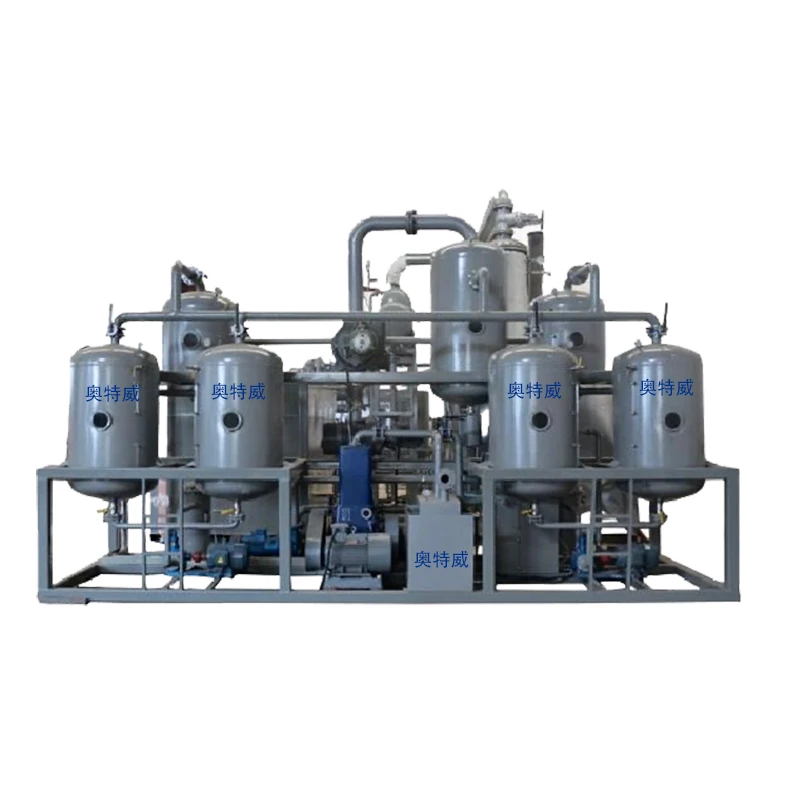
The mechanism behind effective oil recycling equipment involves sophisticated separation and purification technologies that restore contaminated oils to usable specifications. By understanding how these systems operate and their business benefits, industrial facilities can make informed decisions about implementing waste oil recovery programs that reduce operational costs while supporting environmental sustainability goals.
The Core Technology Behind Industrial Oil Recycling Equipment
Distillation and Separation Processes
Oil recycling equipment employs advanced distillation technology to separate contaminated waste oil into its constituent components. The process begins when waste oil enters a heating chamber where controlled temperatures break down the molecular bonds that hold contaminants within the base oil structure. This thermal treatment allows heavy metals, carbon deposits, and other impurities to separate from the valuable hydrocarbon molecules.
Modern distillation systems within oil recycling equipment maintain precise temperature control throughout multiple separation stages. Each stage targets specific contaminant types, ensuring comprehensive purification without damaging the base oil molecules. The fractional distillation process creates distinct layers where lighter hydrocarbons rise while heavier contaminants settle, enabling efficient mechanical separation.
Advanced vacuum distillation technology reduces the required processing temperatures, preventing thermal degradation of valuable oil components. This approach allows oil recycling equipment to handle heat-sensitive industrial oils while maintaining their essential properties for reuse applications.
Filtration and Purification Systems
Complementing the distillation process, sophisticated filtration systems remove microscopic contaminants that thermal separation cannot address. Multi-stage filtration within oil recycling equipment includes coarse filters for large particles, fine filters for submicron contaminants, and specialty media for specific industrial pollutants like acids or metal ions.
Centrifugal separation technology enhances the purification capabilities of oil recycling equipment by using high-speed rotation to separate materials with different densities. This mechanical process effectively removes water contamination, fine particulates, and other suspended materials without requiring chemical additives or extensive heat treatment.
Clay treatment systems integrated into advanced oil recycling equipment provide final polishing by adsorbing remaining impurities and restoring the oil's color and clarity. These systems ensure that recycled oil meets strict quality standards for industrial reuse applications.
Business Benefits of Implementing Oil Recycling Equipment
Cost Reduction Through Waste Oil Recovery
Implementing oil recycling equipment delivers immediate cost savings by eliminating waste oil disposal fees that many industrial facilities pay to hazardous waste management companies. These disposal costs can range from hundreds to thousands of dollars per disposal event, depending on oil volume and local regulations. Recovery systems allow businesses to reclaim this value rather than paying for disposal.
The recovered oil from recycling equipment reduces new oil purchasing requirements, generating additional savings on fresh lubricant acquisitions. Industrial facilities that process significant oil volumes can achieve substantial procurement cost reductions by substituting recycled oil for new products in appropriate applications.
Energy recovery represents another financial benefit, as oil recycling equipment can process waste oil into fuel products suitable for heating systems or power generation. This capability transforms waste disposal costs into energy value, improving overall facility economics while reducing external energy dependencies.
Regulatory Compliance and Environmental Advantages
Oil recycling equipment helps businesses maintain compliance with increasingly strict environmental regulations governing waste oil management. Many jurisdictions require proper documentation and approved disposal methods for industrial waste oils, creating administrative burdens and potential liability exposures for non-compliant facilities.
On-site recycling through dedicated equipment reduces transportation requirements for waste oil disposal, minimizing the environmental impact associated with hauling contaminated materials to off-site treatment facilities. This approach also reduces the carbon footprint of waste management operations while demonstrating corporate environmental responsibility.
Resource conservation benefits extend beyond immediate facility operations, as oil recycling equipment contributes to broader circular economy principles by keeping valuable materials in productive use rather than requiring virgin resource extraction for new oil production.
Industry Applications and Use Cases for Oil Recycling Equipment
Manufacturing and Heavy Industry Applications
Manufacturing facilities with extensive machinery operations generate significant volumes of used hydraulic fluids, cutting oils, and gear lubricants that are ideal candidates for oil recycling equipment processing. These operations typically involve predictable oil change schedules and consistent contamination patterns that recycling systems can effectively address through standardized treatment protocols.
Metalworking facilities benefit particularly from oil recycling equipment because their cutting and grinding operations create specific contamination profiles that modern purification systems can reliably remove. The recovered cutting oils maintain their lubrication properties while eliminating metal particles and coolant degradation products.
Power generation facilities with large turbine systems produce substantial quantities of used turbine oils that contain valuable base stocks suitable for recycling. Oil recycling equipment designed for turbine oil recovery can restore these premium lubricants to specifications approaching new oil quality levels.
Transportation and Fleet Operations
Fleet maintenance operations generate consistent volumes of used engine oils, transmission fluids, and differential oils that oil recycling equipment can efficiently process into reusable products. Large transportation companies can achieve significant cost savings by recycling their own waste oils rather than purchasing new lubricants for non-critical applications.
Marine operations face unique challenges with waste oil disposal due to port regulations and international maritime requirements. Shipboard oil recycling equipment enables vessels to process their own waste oils while at sea, reducing port disposal costs and ensuring compliance with international waste management protocols.
Railroad maintenance facilities often handle diverse oil types from locomotive engines, hydraulic systems, and track maintenance equipment. Versatile oil recycling equipment can accommodate these varied waste streams while producing recycled oils suitable for specific railroad applications.
Selection Criteria and Implementation Considerations
Capacity and Processing Requirements
Selecting appropriate oil recycling equipment requires careful analysis of waste oil generation rates and processing capacity needs. Facilities must evaluate their current disposal volumes, seasonal variations, and projected growth to ensure the chosen equipment can handle actual processing demands without creating bottlenecks or excess capacity.
Processing speed capabilities vary significantly among different oil recycling equipment models, with some designed for continuous operation while others operate in batch processing modes. Understanding operational preferences and available labor resources helps determine which processing approach best fits existing facility workflows.
Storage requirements for both waste oil inputs and recycled oil outputs must be considered when planning oil recycling equipment installations. Adequate storage capacity ensures smooth operations while preventing accumulation of untreated waste oils that could create regulatory compliance issues.
Quality Standards and Output Specifications
Different industrial applications require specific quality levels from recycled oils, making it essential to match oil recycling equipment capabilities with intended use requirements. Equipment designed for basic cleaning may not achieve the quality standards needed for precision machinery applications.
Testing and quality control capabilities integrated into oil recycling equipment help ensure consistent output quality while identifying processing issues before they affect recycled oil specifications. Advanced systems include automated monitoring that adjusts processing parameters based on real-time quality measurements.
Certification requirements for recycled oils vary by industry and application, making it important to select oil recycling equipment that can consistently produce oils meeting relevant standards such as API specifications or industry-specific quality requirements.
Economic Analysis and Return on Investment
Capital Investment and Operating Costs
The initial capital investment in oil recycling equipment must be evaluated against long-term operational savings and waste disposal cost avoidance. Most industrial facilities can calculate payback periods by comparing equipment costs with current annual waste oil disposal expenses plus the value of recovered oil products.
Operating costs for oil recycling equipment include energy consumption, replacement filters, maintenance requirements, and labor for system operation. These ongoing expenses are typically much lower than continued waste disposal fees, but accurate cost modeling helps establish realistic financial projections for recycling programs.
Financing options for oil recycling equipment may include leasing arrangements, equipment financing programs, or environmental improvement grants that reduce the initial capital requirements. Many facilities find that positive cash flow from disposal cost savings can support equipment financing payments.
Long-term Financial Benefits
Beyond immediate disposal cost savings, oil recycling equipment provides protection against rising waste disposal fees and increasing regulatory requirements that could significantly increase future waste management costs. This protection value becomes more valuable as environmental regulations continue to strengthen.
Improved inventory management capabilities result from oil recycling equipment implementation, as facilities can better predict lubricant needs and reduce emergency oil purchases that typically carry premium pricing. Better planning reduces total lubrication costs while improving equipment reliability.
Corporate sustainability benefits from oil recycling equipment can enhance company reputation and customer relationships, particularly in industries where environmental responsibility influences purchasing decisions. These intangible benefits complement direct financial returns from recycling operations.
FAQ
What types of industrial oils can be processed by oil recycling equipment?
Oil recycling equipment can typically process hydraulic fluids, engine oils, gear oils, cutting fluids, transformer oils, and turbine oils. The specific types depend on the equipment design and processing capabilities, but most systems handle petroleum-based lubricants with various contamination levels. Some specialized equipment can also process synthetic oils and food-grade lubricants with appropriate modifications.
How long does the oil recycling process take from waste input to usable output?
Processing time varies based on oil type, contamination level, and equipment capacity, typically ranging from 4-12 hours for batch systems and providing continuous output for larger continuous-operation equipment. The initial heating and separation phases require the most time, while final filtration and quality verification add additional processing time to ensure proper oil recovery.
What maintenance requirements should businesses expect with oil recycling equipment?
Regular maintenance includes filter replacement, heating system inspection, pump servicing, and periodic calibration of control systems. Most equipment requires daily operational checks, weekly filter assessments, and monthly comprehensive maintenance procedures. Annual professional servicing ensures optimal performance and extends equipment lifespan while maintaining processing quality standards.
Can recycled oil from oil recycling equipment match the performance of new oil?
Properly processed recycled oil can achieve performance levels very close to new oil specifications, particularly for industrial applications that don't require absolute maximum performance. While recycled oil may not be suitable for the most demanding precision applications, it typically performs excellently in general industrial machinery, heating systems, and non-critical lubrication applications where cost savings justify its use.



 Hot News