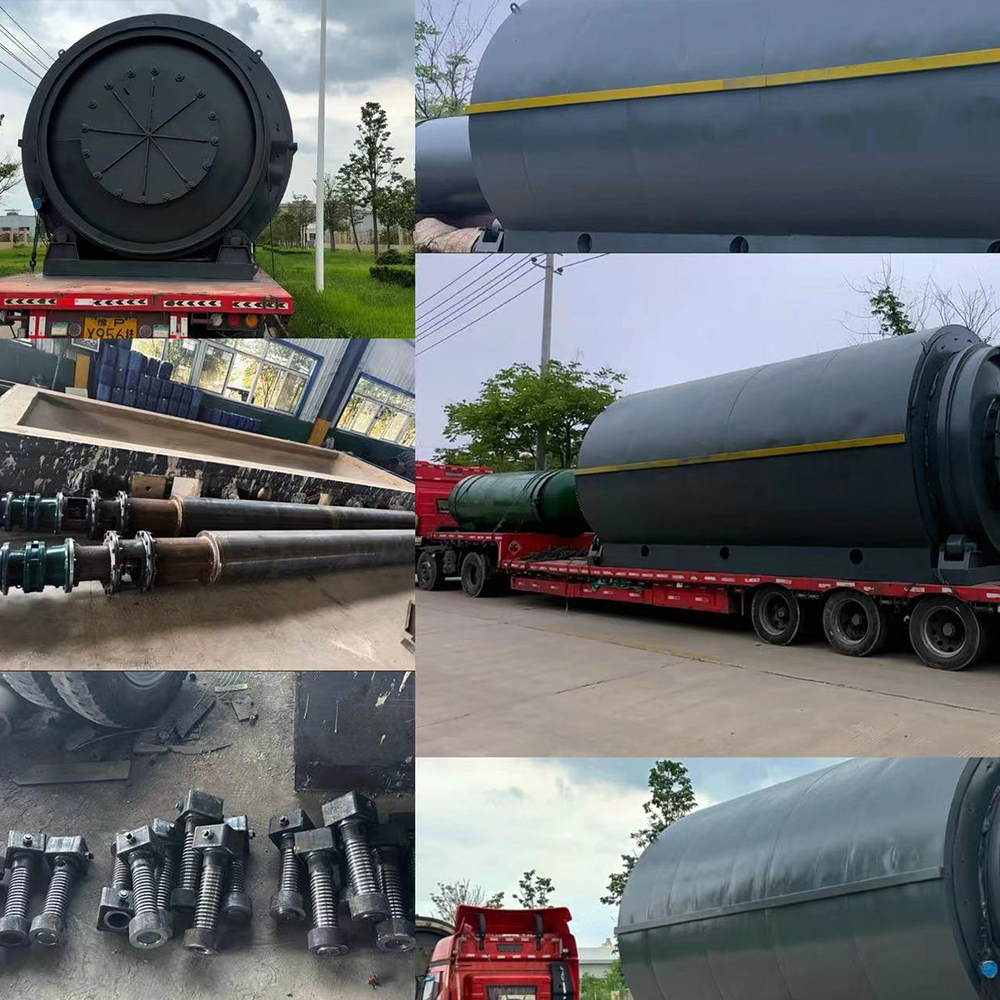
Plastic pyrolysis represents a groundbreaking thermochemical process that transforms waste plastic materials into valuable energy resources through controlled heating in an oxygen-free environment. This innovative technology addresses two critical global challenges simultaneously: mounting plastic waste accumulation and the increasing demand for alternative energy sources. Understanding plastic pyrolysis mechanisms and applications becomes essential for industries seeking sustainable waste management solutions while generating commercially viable energy products.
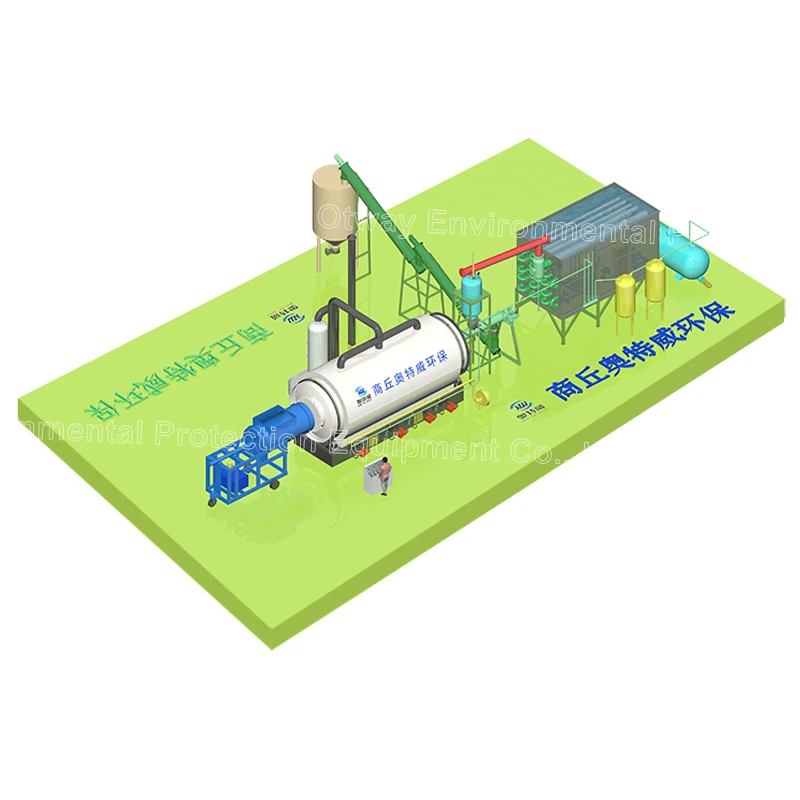
The plastic pyrolysis process operates through thermal decomposition at temperatures ranging from 350°C to 900°C without oxygen presence, breaking down long polymer chains into smaller molecular fragments. These fragments condense into liquid fuel oils, produce combustible gases, and leave behind solid carbon residues. Industries worldwide increasingly recognize plastic pyrolysis as a viable circular economy solution that converts environmental liabilities into profitable energy commodities while reducing dependence on fossil fuel extraction.
Understanding the Plastic Pyrolysis Process
Thermal Decomposition Fundamentals
Plastic pyrolysis initiates when plastic polymers undergo thermal stress within controlled reactor environments, causing molecular bonds to break and reform into simpler hydrocarbon compounds. The absence of oxygen during plastic pyrolysis prevents combustion, allowing precise control over product formation and energy recovery efficiency. Temperature gradients within the reactor determine the specific types of hydrocarbons produced, with higher temperatures favoring gas formation while moderate temperatures optimize liquid fuel yields.
Different plastic types respond uniquely to pyrolysis conditions, with polyethylene and polypropylene demonstrating excellent conversion rates into high-quality synthetic fuels. The thermal decomposition process releases volatile compounds that undergo condensation phases, separating into distinct fractions based on molecular weight and boiling points. Advanced plastic pyrolysis systems incorporate sophisticated temperature monitoring and atmospheric controls to maximize energy recovery while minimizing unwanted byproducts.
Chemical Transformation Pathways
During plastic pyrolysis, polymer chains undergo random scission and depolymerization reactions that generate diverse hydrocarbon molecules suitable for energy applications. Primary decomposition produces intermediate compounds that further break down into lighter molecules through secondary cracking reactions. The chemical pathways depend heavily on plastic composition, with single-polymer feedstocks yielding more predictable product distributions than mixed plastic waste streams.
Catalytic plastic pyrolysis enhances reaction selectivity by introducing zeolites or metal-based catalysts that promote specific molecular transformations. These catalysts reduce activation energy requirements, enable lower operating temperatures, and improve overall energy balance calculations. The resulting chemical products mirror conventional petroleum derivatives in molecular structure, making them compatible with existing fuel infrastructure and industrial applications without requiring extensive modifications.
Energy Resource Generation Through Plastic Pyrolysis
Liquid Fuel Production
The primary energy output from plastic pyrolysis consists of liquid hydrocarbon fuels with properties similar to diesel, gasoline, and heating oils depending on process conditions and feedstock composition. These synthetic fuels demonstrate comparable energy densities to conventional petroleum products, typically ranging from 40 to 45 megajoules per kilogram. Quality optimization through distillation and refining processes produces fuel-grade liquids suitable for transportation, industrial heating, and power generation applications.
Plastic pyrolysis liquid yields vary significantly based on polymer types, with polyethylene producing approximately 70-80% liquid fractions while polystyrene generates 60-70% liquid products. The remaining energy content distributes between combustible gases and solid carbon residues, both valuable for energy recovery systems. Advanced plastic pyrolysis plants incorporate multi-stage distillation columns to separate liquid fractions into specific fuel grades, maximizing commercial value and market applications.
Combustible Gas Recovery
Plastic pyrolysis generates substantial quantities of combustible gases, primarily consisting of methane, ethane, propane, and butane compounds that provide immediate energy for process heating and electricity generation. These gases typically account for 15-25% of total energy output, with heating values ranging from 35 to 50 megajoules per cubic meter. Gas recovery systems capture and purify these streams for direct combustion in furnaces, boilers, or gas turbine generators.
The gas composition varies throughout different stages of plastic pyrolysis, with lighter molecules dominating initial decomposition phases and heavier compounds emerging during extended heating cycles. Strategic gas management involves real-time monitoring of calorific values and composition changes to optimize energy utilization efficiency. Many plastic pyrolysis facilities achieve energy self-sufficiency by using recovered gases to fuel their heating systems, reducing external energy requirements and improving overall process economics.
Industrial Applications and Implementation
Commercial Scale Operations
Commercial plastic pyrolysis facilities process thousands of tons of waste plastic annually, generating substantial quantities of energy resources while addressing local waste management challenges. These operations require sophisticated feed preparation systems, continuous reactor monitoring, and comprehensive product recovery infrastructure to maintain consistent energy output quality. Industrial-scale plastic pyrolysis plants typically incorporate automated controls, safety systems, and emission monitoring equipment to ensure regulatory compliance and operational safety.
Successful commercial implementations demonstrate economic viability through integrated business models that combine waste collection, processing, and energy product sales. Revenue streams include tipping fees for waste acceptance, fuel sales to transportation and industrial sectors, and carbon credit generation through waste diversion and fossil fuel displacement. The plastic pyrolysis industry continues expanding as municipalities and corporations seek sustainable waste management alternatives while reducing carbon footprints.
Technology Integration and Efficiency
Modern plastic pyrolysis systems integrate advanced process control technologies, heat recovery networks, and product upgrading capabilities to maximize energy conversion efficiency and economic returns. Heat integration recovers thermal energy from hot product streams to preheat feedstock materials, reducing external energy consumption by 20-30% compared to basic systems. Automated feeding mechanisms ensure consistent plastic throughput while preventing reactor overloading and maintaining optimal reaction conditions.
Continuous plastic pyrolysis systems offer superior efficiency compared to batch operations through steady-state heat transfer, consistent product quality, and reduced thermal cycling losses. These systems incorporate multiple reactor zones with independent temperature controls, allowing precise optimization for different plastic types and desired product distributions. Advanced monitoring systems track key performance indicators including energy balance, conversion efficiency, and product quality metrics to support operational optimization and maintenance planning.
Environmental Impact and Sustainability Benefits
Waste Diversion and Circular Economy
Plastic pyrolysis diverts millions of tons of waste plastic from landfills and incineration facilities annually, transforming environmental liabilities into valuable energy resources while supporting circular economy principles. This waste-to-energy conversion reduces greenhouse gas emissions associated with plastic decomposition in landfills and eliminates the need for virgin fossil fuel extraction equivalent to the energy content recovered. Life cycle assessments demonstrate significant environmental benefits when plastic pyrolysis replaces conventional waste disposal and fossil fuel consumption.
The circular economy model enabled by plastic pyrolysis creates closed-loop systems where waste materials continuously cycle through productive uses rather than accumulating in environmental sinks. This approach supports sustainable development goals by reducing resource consumption, minimizing environmental pollution, and generating economic value from waste streams. Communities implementing plastic pyrolysis programs report improved waste management outcomes, reduced disposal costs, and new employment opportunities in the emerging waste-to-energy sector.
Carbon Footprint Reduction
Plastic pyrolysis contributes significantly to carbon footprint reduction through multiple mechanisms including waste diversion, fossil fuel displacement, and efficient energy recovery from materials that would otherwise decompose or require energy-intensive disposal methods. Studies indicate that plastic pyrolysis can reduce net carbon emissions by 60-80% compared to conventional waste management combined with equivalent fossil fuel use. The carbon-neutral nature of plastic pyrolysis energy products stems from their origin in previously manufactured materials rather than newly extracted fossil resources.
Long-term environmental benefits extend beyond immediate emission reductions to include reduced pressure on natural resource extraction, decreased landfill space requirements, and improved air quality through elimination of uncontrolled plastic burning. The plastic pyrolysis process itself generates minimal direct emissions when properly controlled, with most environmental benefits realized through displacement of more carbon-intensive alternatives. These sustainability advantages position plastic pyrolysis as a key technology for achieving climate change mitigation targets while addressing global waste management challenges.
Economic Considerations and Market Opportunities
Investment and Revenue Models
Plastic pyrolysis projects require substantial capital investment for reactor systems, safety equipment, and product processing infrastructure, with typical payback periods ranging from 3-7 years depending on scale, location, and market conditions. Revenue generation occurs through multiple streams including waste processing fees, energy product sales, and potential carbon credit monetization. Market prices for plastic pyrolysis fuels typically track conventional fuel prices minus processing and distribution costs, creating stable revenue projections for financial planning.
Successful plastic pyrolysis ventures often integrate vertically to control waste supply chains and energy product distribution, improving profit margins and market positioning. Government incentives for renewable energy and waste diversion frequently support project economics through tax credits, grants, and preferential utility rates for waste-derived energy. The growing corporate demand for sustainable waste management solutions creates additional revenue opportunities through long-term waste supply contracts and premium pricing for verified waste diversion services.
Market Growth and Industry Trends
The global plastic pyrolysis market demonstrates robust growth driven by increasing plastic waste generation, stricter environmental regulations, and growing corporate sustainability commitments. Industry analysts project continued expansion as technology improvements reduce costs while improving energy conversion efficiency and product quality. Regional markets show varying growth patterns based on waste management policies, energy prices, and available government support for waste-to-energy technologies.
Technological advancement continues improving plastic pyrolysis economics through enhanced catalyst systems, improved reactor designs, and integrated process optimization. Research and development efforts focus on expanding feedstock compatibility, increasing liquid yields, and reducing operating costs to improve competitive positioning against conventional waste management and energy production methods. The industry evolution toward standardized technology platforms and proven operational models reduces investment risks while improving access to project financing.
FAQ
What types of plastic waste are suitable for plastic pyrolysis energy conversion?
Most thermoplastic materials including polyethylene, polypropylene, polystyrene, and mixed plastic waste streams are suitable for plastic pyrolysis energy conversion. However, thermoset plastics, PVC, and heavily contaminated materials may require special handling or preprocessing to achieve optimal energy recovery. The plastic composition directly affects product yields and quality, with single-polymer streams typically producing higher-grade energy products than mixed waste.
How does plastic pyrolysis compare to other waste-to-energy technologies in terms of efficiency?
Plastic pyrolysis achieves higher energy recovery rates than incineration or gasification for plastic waste, typically converting 70-85% of feedstock energy content into usable products compared to 20-30% electrical efficiency from waste incineration. The liquid fuels produced through plastic pyrolysis retain higher energy densities and offer greater application flexibility than electricity alone, making the technology particularly attractive for transportation fuel applications and industrial heating.
What are the main operational challenges in running a plastic pyrolysis facility?
Key operational challenges include maintaining consistent feedstock quality, managing reactor temperature profiles, preventing equipment fouling from plastic additives, and ensuring product quality consistency for market acceptance. Successful plastic pyrolysis operations require skilled technicians, preventive maintenance programs, and robust quality control systems to address these challenges while maintaining safe and efficient operations.
Can plastic pyrolysis facilities achieve energy self-sufficiency?
Well-designed plastic pyrolysis facilities typically achieve energy self-sufficiency by using recovered combustible gases to fuel their heating systems, reducing external energy requirements by 80-90% compared to externally heated operations. Advanced heat integration and process optimization can further improve energy efficiency, with some facilities generating excess energy for export to the grid or neighboring industrial operations.



 Hot News