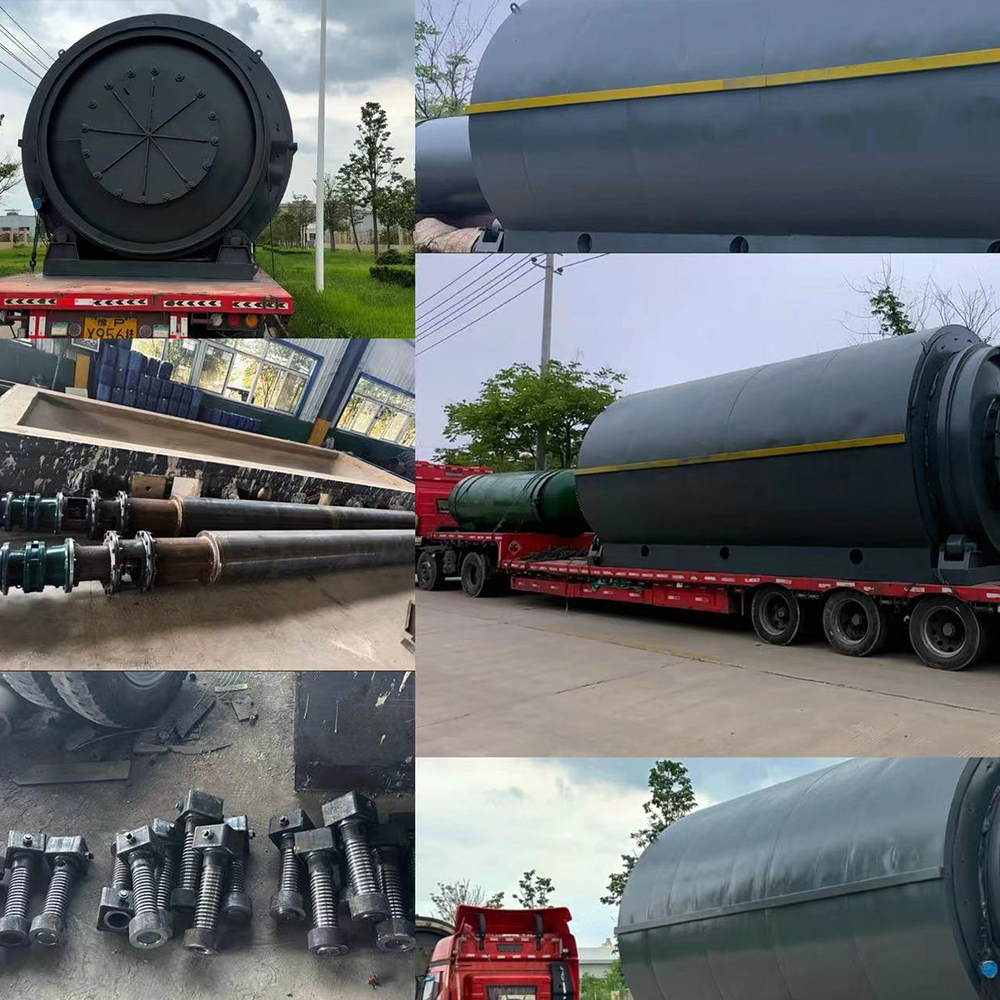
The transformation of waste materials into valuable fuel products through thermal decomposition represents one of the most innovative approaches to addressing both environmental concerns and energy demands. A pyrolysis reactor serves as the core technology that makes this conversion possible, utilizing controlled high-temperature processes to break down complex organic waste materials into simpler, more valuable compounds. This sophisticated thermal treatment system operates in oxygen-free environments, enabling the molecular restructuring of waste materials into useful fuel products without the harmful emissions associated with traditional incineration methods.
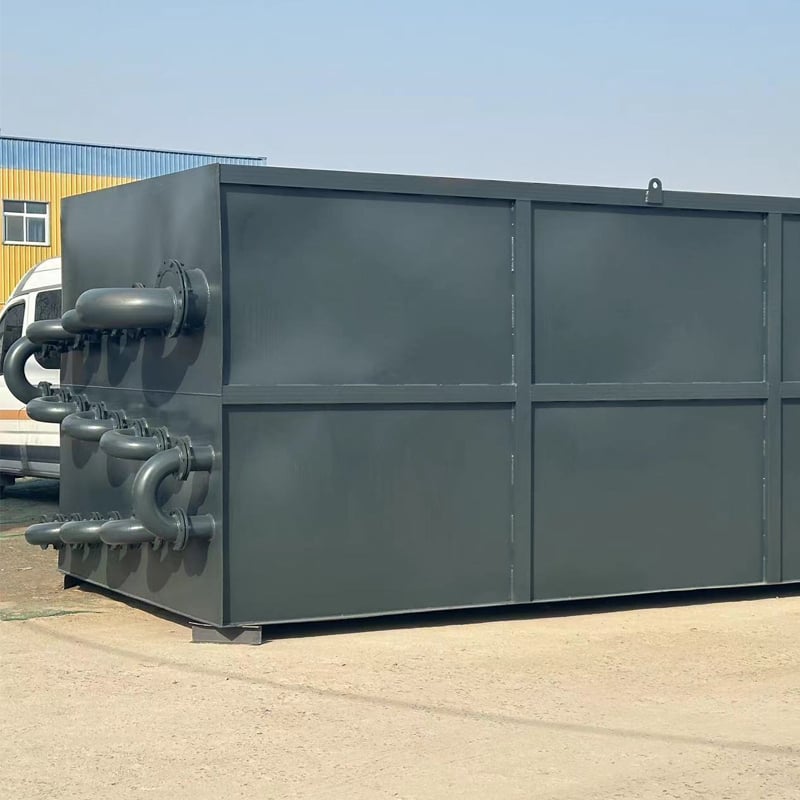
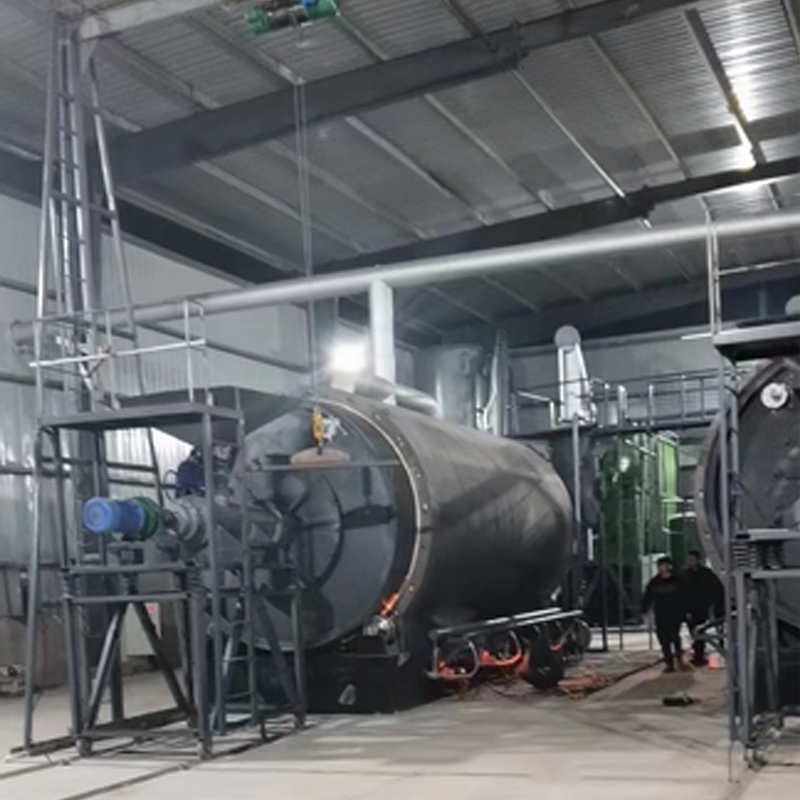
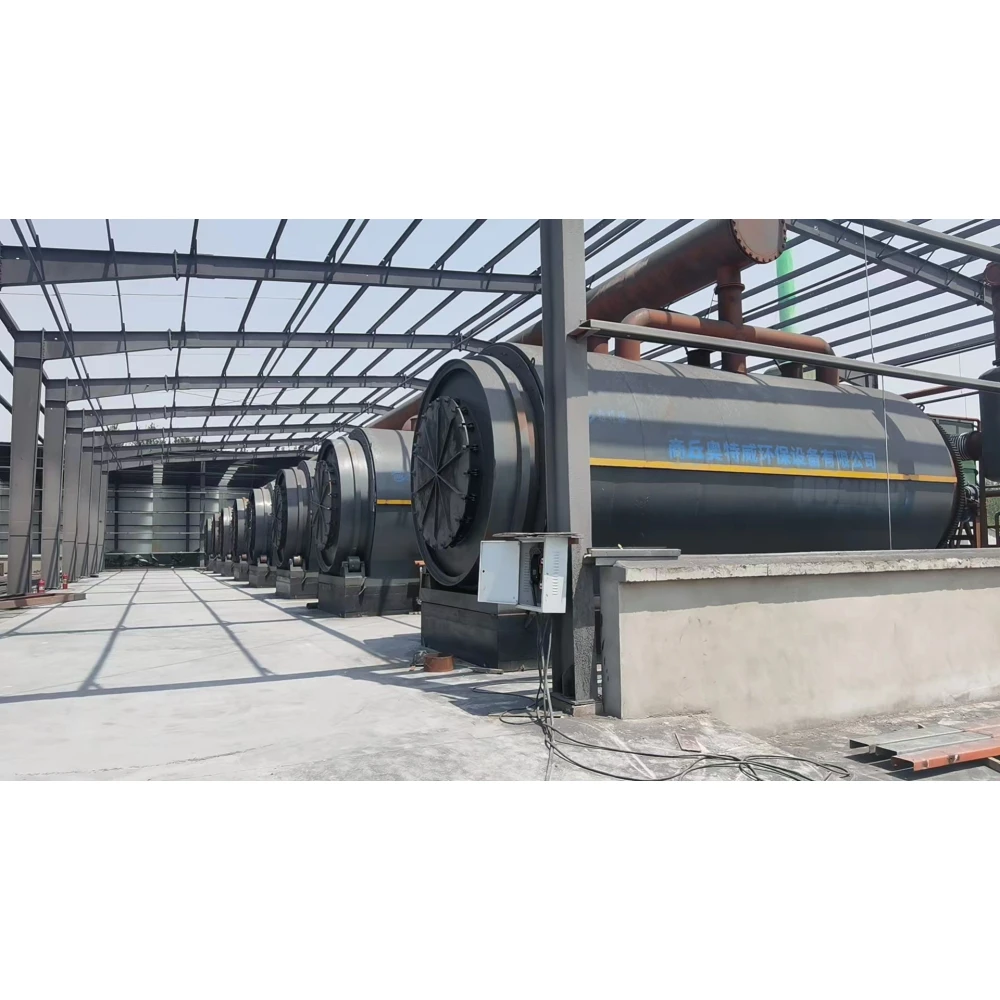
The fundamental mechanism behind waste-to-fuel conversion lies in the precise control of temperature, pressure, and atmospheric conditions within the reactor chamber. Through carefully regulated thermal decomposition, a pyrolysis reactor breaks the molecular bonds of waste materials, allowing for the creation of synthetic gases, liquid fuels, and solid char products. This process occurs typically between 400°C to 650°C in an anaerobic environment, where the absence of oxygen prevents combustion while promoting the breakdown of complex polymers and organic compounds into their constituent elements.
The Thermal Decomposition Process in Pyrolysis Reactors
Temperature Control and Heat Distribution
The effectiveness of waste conversion in a pyrolysis reactor depends heavily on maintaining precise temperature profiles throughout the reaction chamber. The reactor system employs sophisticated heating mechanisms that ensure uniform temperature distribution, preventing hotspots that could lead to uncontrolled combustion or incomplete decomposition. Advanced pyrolysis reactor designs incorporate multiple heating zones with independent temperature controls, allowing operators to optimize conditions for different types of waste materials.
Heat transfer efficiency within the pyrolysis reactor directly impacts the quality and yield of fuel products. The reactor's internal design features heat exchangers and thermal circulation systems that maximize energy utilization while minimizing heat loss. These systems ensure that waste materials receive consistent thermal energy throughout the decomposition process, promoting complete molecular breakdown and maximizing fuel product recovery rates.
Temperature ramping strategies play a crucial role in optimizing the pyrolysis process for different waste types. A well-designed pyrolysis reactor allows for controlled heating rates that match the thermal decomposition characteristics of specific waste materials, ensuring maximum conversion efficiency while preventing the formation of unwanted byproducts that could compromise fuel quality.
Oxygen-Free Environment Maintenance
Creating and maintaining an anaerobic environment within the pyrolysis reactor requires sophisticated gas management systems that prevent oxygen infiltration while managing the evacuation of decomposition gases. The reactor's sealed chamber design incorporates multiple safety mechanisms to ensure complete oxygen exclusion, preventing combustion reactions that would destroy valuable fuel precursors.
Inert gas purging systems within the pyrolysis reactor utilize nitrogen or other non-reactive gases to displace oxygen and maintain the anaerobic conditions necessary for controlled pyrolysis. These systems continuously monitor atmospheric composition within the reactor chamber, automatically adjusting gas flow rates to maintain optimal conditions for waste decomposition and fuel product formation.
Pressure management systems in modern pyrolysis reactor designs maintain slight negative pressure within the reaction chamber, preventing the ingress of ambient air while facilitating the controlled removal of pyrolysis gases. This careful pressure control ensures that decomposition products move through the system in a predictable manner, optimizing separation and collection of valuable fuel components.
Waste Material Processing and Preparation
Feedstock Preparation Requirements
The conversion efficiency of a pyrolysis reactor depends significantly on proper waste preparation before introduction into the thermal treatment system. Raw waste materials must undergo size reduction, moisture removal, and contamination screening to ensure optimal processing conditions within the reactor chamber. Proper preparation maximizes the surface area available for thermal decomposition while preventing operational issues that could compromise fuel product quality.
Material handling systems integrated with pyrolysis reactor installations incorporate automated feeding mechanisms that ensure consistent waste introduction rates and uniform distribution within the reaction chamber. These systems prevent bridging, channeling, and other flow irregularities that could create uneven heating patterns or incomplete conversion of waste materials to fuel products.
Pre-treatment processes for different waste streams require specific approaches to optimize compatibility with pyrolysis reactor operating parameters. Plastic waste requires different preparation methods compared to biomass or tire waste, with each material type demanding specific size reduction, cleaning, and moisture control procedures to achieve maximum fuel yield and quality.
Material Flow Control Systems
Advanced pyrolysis reactor designs incorporate sophisticated material flow control systems that regulate the movement of waste through various processing stages. These systems ensure consistent residence times for different waste components, allowing for complete thermal decomposition while preventing over-processing that could reduce fuel product quality.
Screw conveyors and rotary feeding mechanisms within the pyrolysis reactor maintain steady material flow rates while providing gentle agitation that promotes even heat distribution throughout the waste mass. These mechanical systems operate under precise speed control to match processing rates with thermal decomposition kinetics, optimizing fuel product yield and composition.
Real-time monitoring systems track material movement through the pyrolysis reactor, providing operators with detailed information about processing rates, residence times, and thermal exposure levels. This continuous monitoring enables immediate adjustments to processing parameters, ensuring optimal conversion of waste materials into valuable fuel products under varying operational conditions.
Fuel Product Formation and Recovery
Synthetic Gas Production
The pyrolysis reactor generates synthetic gas as one of the primary fuel products through the thermal decomposition of organic waste materials. This gas typically contains hydrogen, carbon monoxide, methane, and other combustible compounds that can serve as valuable fuel for various industrial applications. The composition and heating value of synthetic gas depends on the operating temperature, residence time, and feedstock characteristics within the reactor system.
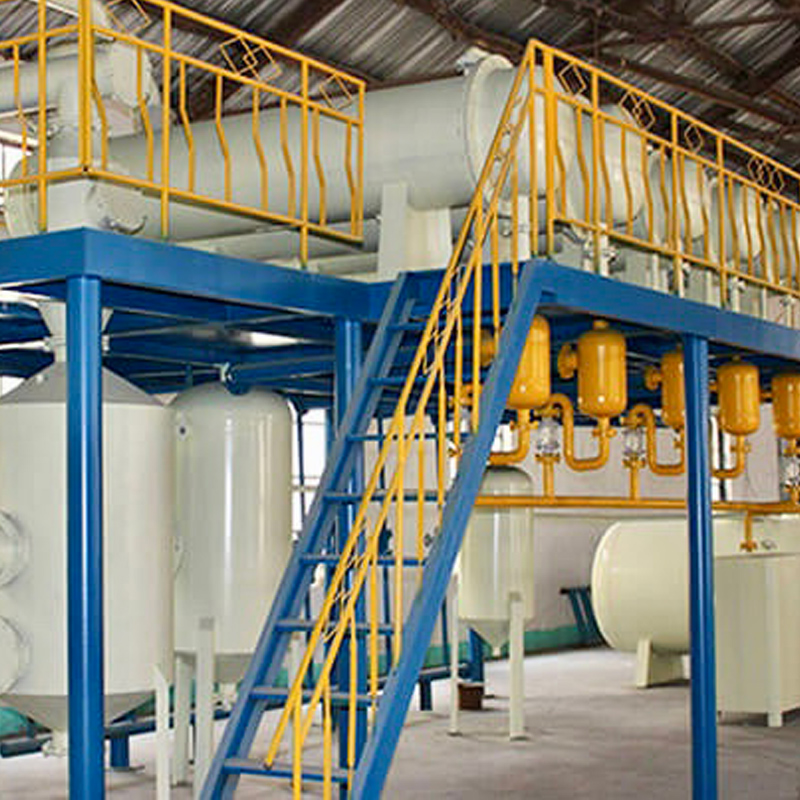
Gas collection systems integrated with the pyrolysis reactor capture and condition synthetic gas for immediate use or storage. These systems include cooling, cleaning, and compression equipment that prepares the gas for various end-use applications, from power generation to industrial heating processes. Advanced gas treatment systems can upgrade synthetic gas quality to meet specific fuel specifications for different industrial requirements.
Real-time gas analysis systems monitor the composition and heating value of synthetic gas produced by the pyrolysis reactor, enabling operators to optimize processing conditions for maximum gas quality and yield. These monitoring systems provide immediate feedback on reactor performance, allowing for rapid adjustments to maintain consistent fuel gas production rates and specifications.
Liquid Fuel Recovery
Liquid fuel production represents one of the most valuable outputs from pyrolysis reactor operations, with these fuels often serving as direct substitutes for conventional petroleum products. The reactor's vapor management system condenses pyrolysis vapors into liquid fuels through controlled cooling processes that separate different hydrocarbon fractions based on their boiling points and molecular weights.
Condensation systems within the pyrolysis reactor installation utilize multiple cooling stages to maximize liquid fuel recovery while maintaining product quality. These systems separate light and heavy fuel fractions, enabling the production of different fuel grades suitable for various applications, from heating oils to transportation fuels after appropriate refining processes.
Quality control systems continuously monitor liquid fuel properties such as viscosity, density, and chemical composition to ensure consistent product specifications. Advanced pyrolysis reactor designs incorporate automated sampling and analysis systems that provide real-time feedback on fuel quality, enabling immediate process adjustments to maintain optimal product characteristics.
Process Optimization and Control Systems
Automated Control Integration
Modern pyrolysis reactor systems incorporate sophisticated automation and control technologies that optimize waste conversion processes while maintaining consistent fuel product quality. These control systems monitor hundreds of process parameters simultaneously, making real-time adjustments to temperature, pressure, flow rates, and other critical variables that affect conversion efficiency and product yields.
Advanced process control algorithms within pyrolysis reactor systems utilize machine learning and predictive modeling to anticipate optimal operating conditions based on feedstock characteristics and desired product specifications. These intelligent systems continuously refine operating parameters to maximize fuel production while minimizing energy consumption and operational costs.
Integration with plant-wide management systems allows pyrolysis reactor operators to coordinate waste processing activities with other facility operations, optimizing overall resource utilization and production scheduling. These integrated systems provide comprehensive reporting and analysis capabilities that support continuous improvement in waste-to-fuel conversion processes.
Performance Monitoring and Optimization
Comprehensive monitoring systems track pyrolysis reactor performance across multiple operational parameters, providing detailed insights into conversion efficiency, energy utilization, and product quality metrics. These systems generate detailed reports that enable operators to identify optimization opportunities and implement improvements that enhance overall facility performance.
Predictive maintenance systems integrated with pyrolysis reactor installations monitor equipment condition and performance trends, enabling proactive maintenance scheduling that minimizes unplanned downtime while ensuring consistent fuel production capabilities. These systems utilize advanced sensors and data analytics to identify potential issues before they impact operations.
Energy recovery systems within the pyrolysis reactor installation capture and utilize waste heat from the thermal decomposition process, improving overall energy efficiency while reducing operating costs. These systems can provide process heating, electricity generation, or other energy services that enhance the economic viability of waste-to-fuel conversion operations.
FAQ
What types of waste materials can a pyrolysis reactor process into fuel products?
A pyrolysis reactor can effectively process various organic waste materials including plastic waste, used tires, biomass residues, municipal solid waste, and industrial organic waste streams. The reactor's versatility allows it to handle different feedstock types, though optimal operating conditions may vary depending on the specific waste characteristics. Mixed waste streams can also be processed, though separation and preparation may be required to achieve optimal fuel product yields and quality.
How efficient is the conversion process in terms of waste-to-fuel yield?
The conversion efficiency of a pyrolysis reactor typically ranges from 60% to 85% by weight, depending on the feedstock type and operating conditions. Plastic waste generally achieves higher conversion rates compared to biomass materials due to its hydrocarbon content. The remaining mass typically converts to char and non-condensable gases, which can also serve as valuable byproducts for various applications including soil amendment and process fuel for the reactor system itself.
What are the environmental benefits of using a pyrolysis reactor for waste conversion?
Pyrolysis reactor technology offers significant environmental advantages by diverting waste from landfills while producing useful fuel products without the harmful emissions associated with open burning or incineration. The controlled anaerobic environment prevents the formation of dioxins and other toxic compounds while enabling the recovery of valuable resources from waste streams. Additionally, the process reduces greenhouse gas emissions compared to traditional waste disposal methods while creating renewable fuel alternatives.
What maintenance requirements are necessary for optimal pyrolysis reactor performance?
Regular maintenance of a pyrolysis reactor includes inspection and cleaning of heat transfer surfaces, replacement of wear components in material handling systems, and calibration of control and monitoring equipment. Thermal cycling effects require periodic inspection of reactor chamber integrity and sealing systems. Preventive maintenance schedules typically involve daily operational checks, weekly system inspections, and comprehensive monthly maintenance procedures to ensure consistent performance and extend equipment lifespan.



 Hot News